






Products
DIN 16903 THREADED INSERTS
BRASS THREADED INSERTS FOR INSERT MOULDING IN PLASTIC COMPONENTS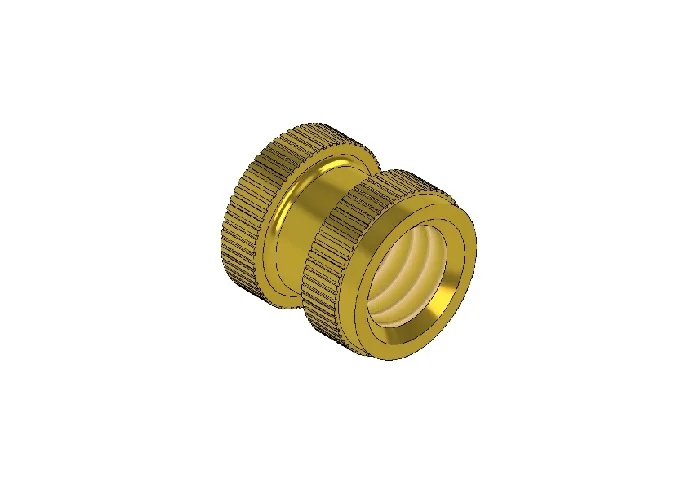
DIN 16903 THREADED INSERT FOR PLASTICS TYPE D
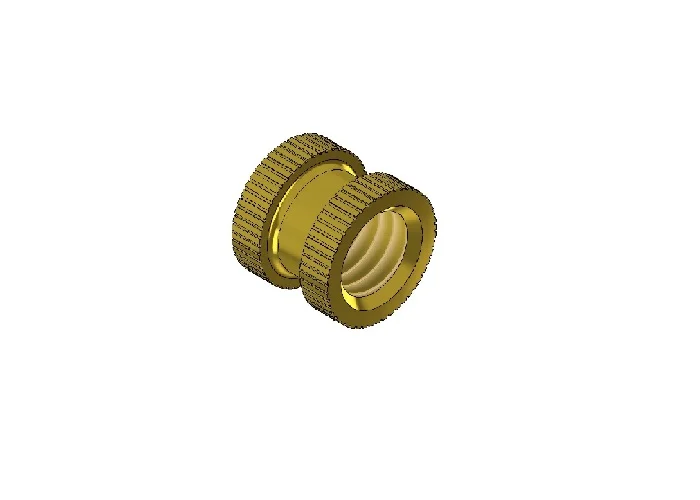
DIN 16903 THREADED INSERT FOR PLASTICS TYPE B
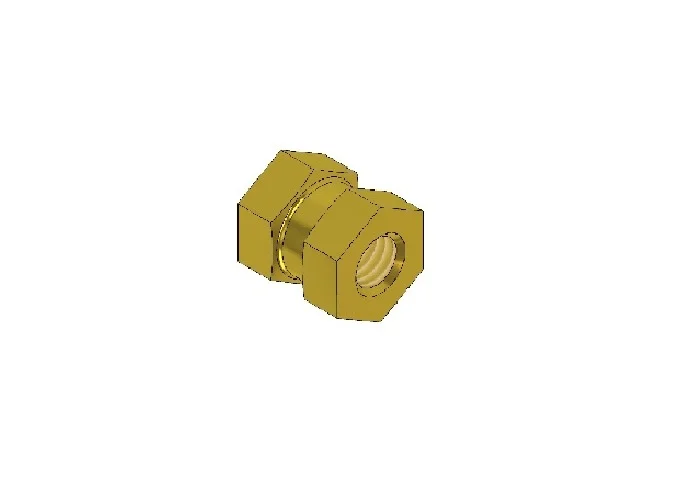
DIN 16903 THREADED INSERT FOR PLASTICS TYPE ADIN 16903 THREADED INSERT FOR PLASTICS TYPE A
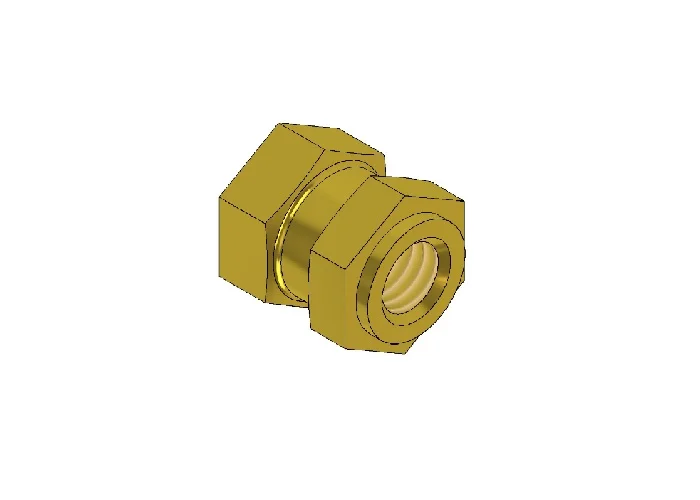
DIN 16903 THREADED INSERT FOR PLASTICS TYPE C
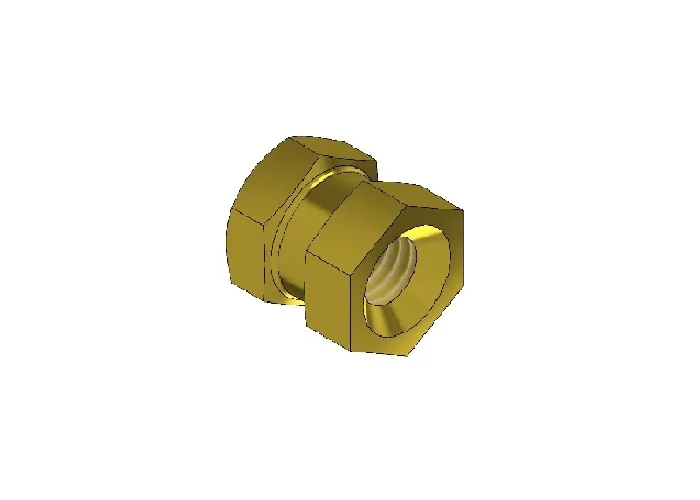
DIN 16903 THREADED INSERT FOR PLASTICS TYPE E
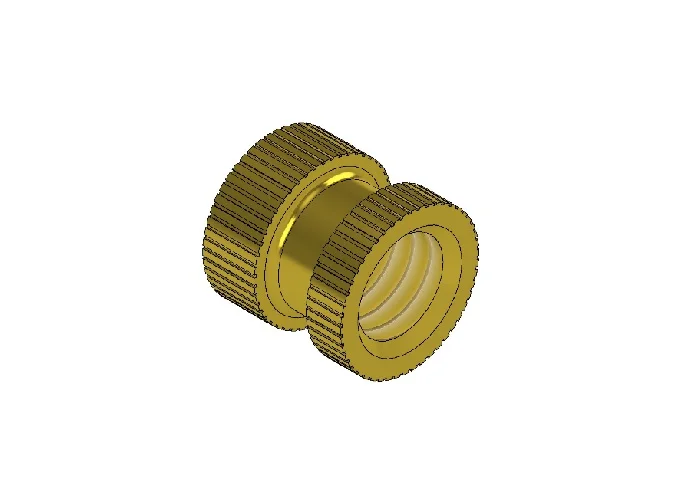
DIN 16903 THREADED INSERT FOR PLASTICS TYPE F
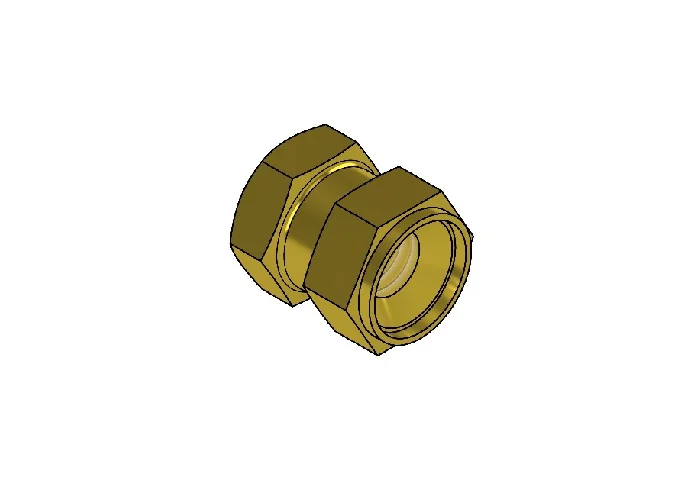
DIN 16903 THREADED INSERT FOR PLASTICS TYPE G
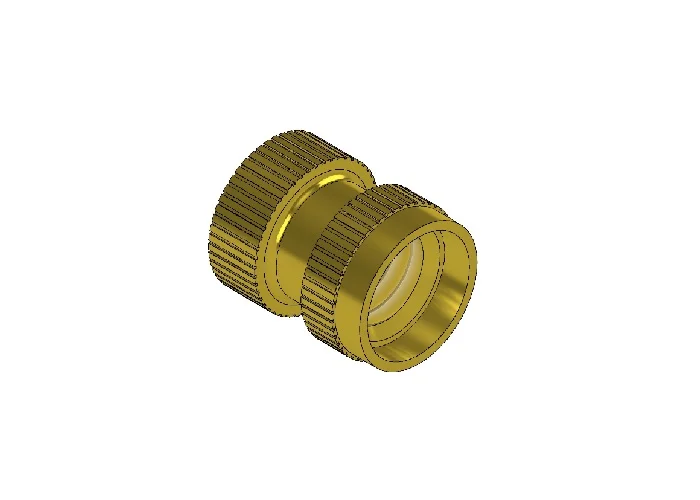
DIN 16903 THREADED INSERT FOR PLASTICS TYPE H
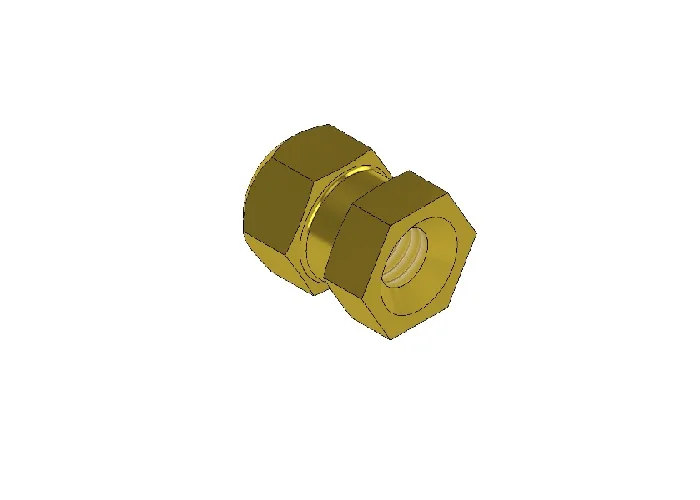
DIN 16903 THREADED INSERT FOR PLASTICS TYPE J
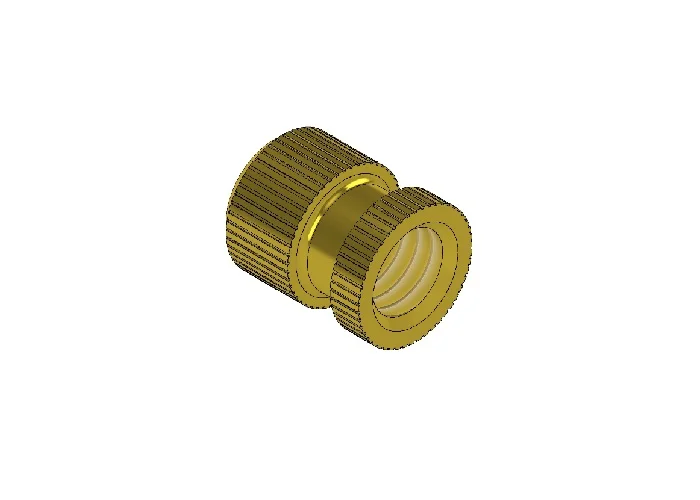
DIN 16903 THREADED INSERT FOR PLASTICS TYPE K
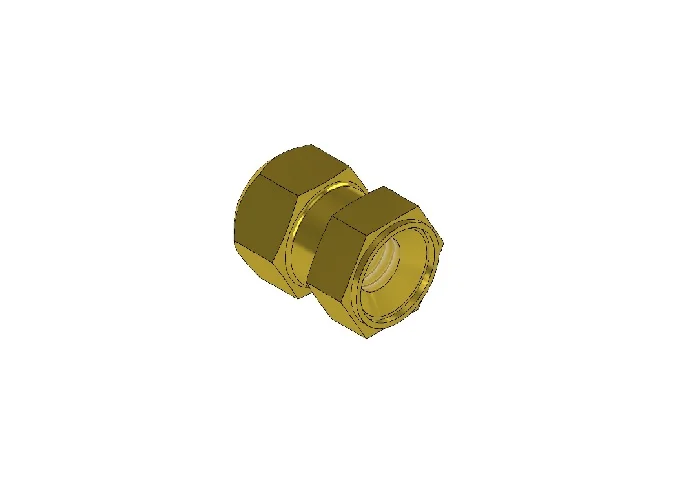
DIN 16903 THREADED INSERT FOR PLASTICS TYPE L
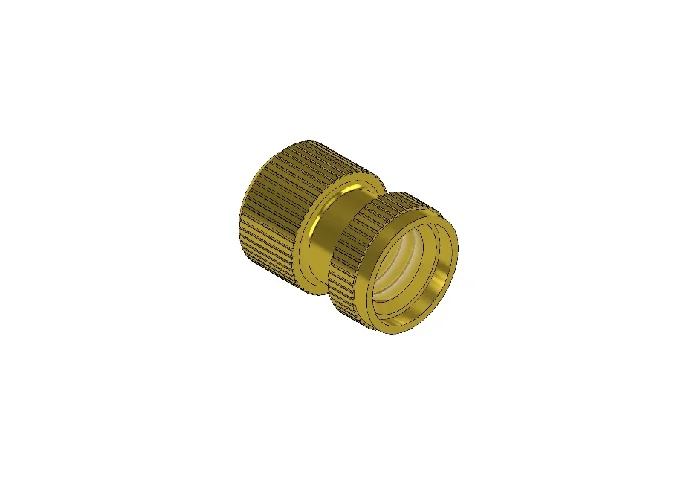
DIN 16903 THREADED INSERT FOR PLASTICS TYPE N
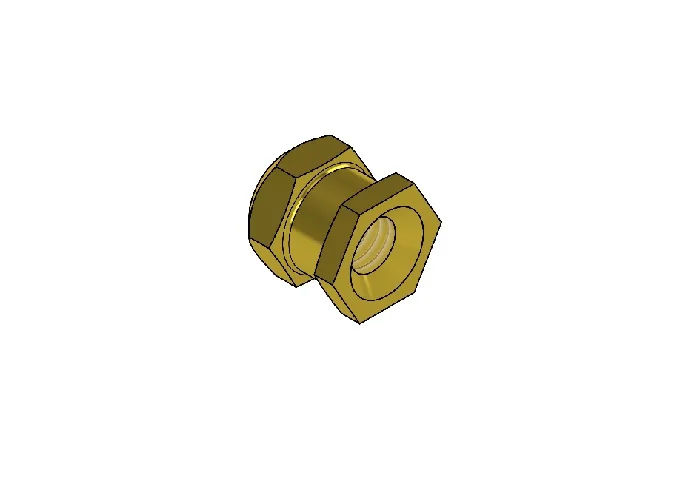
DIN 16903 THREADED INSERT FOR PLASTICS TYPE N
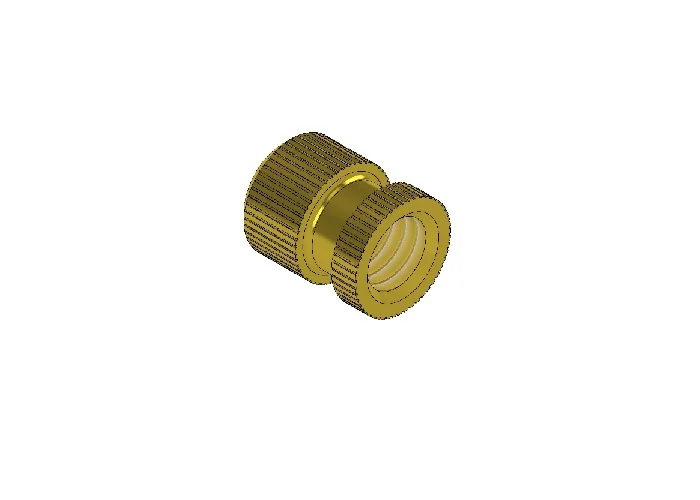
DIN 16903 THREADED INSERT FOR PLASTICS TYPE N
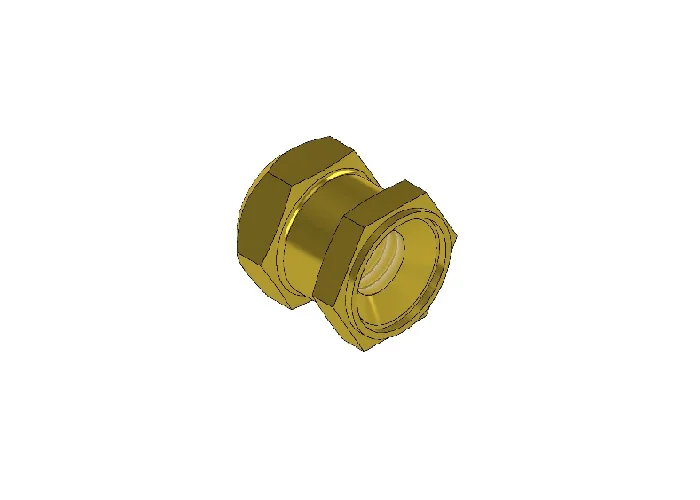
DIN 16903 THREADED INSERT FOR PLASTICS TYPE N
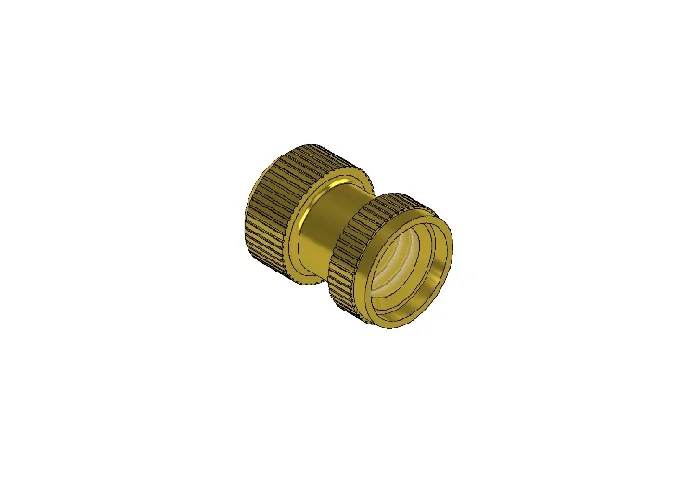
DIN 16903 THREADED INSERT FOR PLASTICS TYPE N
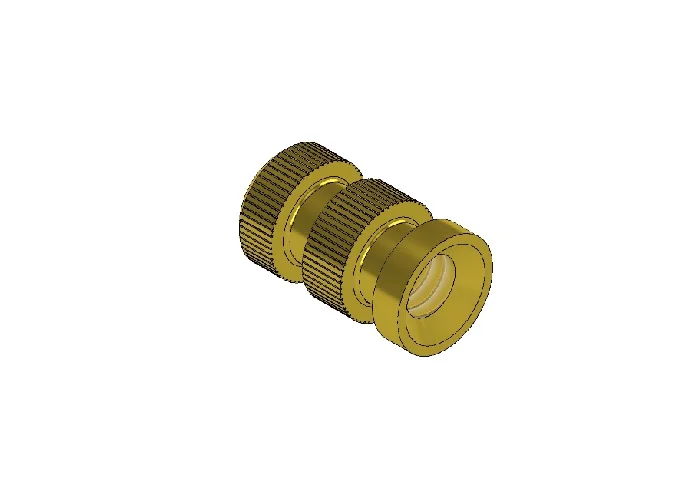
DIN 16903 THREADED INSERT FOR PLASTICS TYPE N
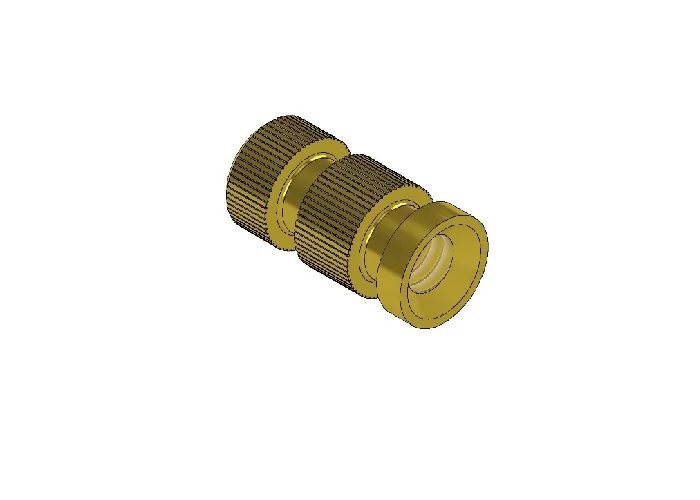
DIN 16903 THREADED INSERT FOR PLASTICS TYPE N
Brass inserts for plastic overmolding and injection molding applications requiring high-strength threaded connections
DIN 16903 threaded inserts, also known as plastic inserts or overmolding inserts, are metal components designed to be integrated directly into injection moulding processes to create durable and reliable internal threads in plastic parts.
These inserts are used when a standard thread formed directly in plastic is not sufficient to ensure long-term mechanical performance. Under conditions such as high loads, vibration, or repeated assembly cycles, plastic threads can wear or deform, reducing the reliability of the joint.
During the injection moulding process, the insert is placed inside the mould before the plastic is injected. The molten material flows around the component, creating a permanent mechanical interlock between metal and polymer after cooling.
Different geometries are available to meet specific application requirements. Hexagonal inserts provide high resistance to rotation, knurled inserts improve pull-out strength through enhanced surface grip, while flanged designs ensure precise positioning during moulding.
Material selection also plays a key role in performance. Brass is the most commonly used material due to its excellent balance of machinability, strength, and corrosion resistance, while steel and stainless steel are preferred for more demanding mechanical or environmental conditions.
DIN 16903 inserts are widely used across industries such as automotive, electronics, electromechanical systems, industrial automation, and technical equipment, where reliable threaded connections are critical for product performance and safety.
From a design perspective, key factors such as plastic material type, applied load, and installation method must be evaluated carefully. Incorrect selection can lead to rotation, pull-out, or premature failure of the insert.
Common issues in plastic assemblies include thread wear, insert rotation under torque, or structural failure during tightening operations. These problems are typically linked to improper insert design selection rather than material defects.
Although the DIN 16903 standard is officially withdrawn, its designation is still widely used in industry as a reference for this category of overmoulding threaded inserts.
Selecting the correct insert requires a technical evaluation of operating conditions, mechanical stresses, and the long-term behavior of the plastic material.
Ultimately, insert selection is not just a catalogue choice, but an engineering decision that directly impacts the durability and reliability of the final assembly.
ATS Lamberti supplies standard and custom DIN 16903 threaded inserts for injection moulding and overmoulding applications, supporting engineers and procurement teams in selecting the most suitable solution based on material, process conditions, and mechanical requirements.
FAQ and insights
DIN 16903 threaded inserts are brass components designed for insert molding and used to create permanent metal threads inside injection-molded plastic components.
Thanks to their high strength and reliability, they provide solid and long-lasting fastening points, improving component performance even in applications requiring repeated assembly operations.
Threaded inserts protect plastic from wear, prevent thread stripping, and reduce the risk of loss of tightening force, ensuring a secure and stable connection over time.
Compared to threads made directly in plastic, DIN 16903 inserts provide greater mechanical strength and better long-term tightening performance.
Thanks to their metal structure, they ensure greater durability during repeated assembly and disassembly cycles, preventing progressive thread wear and providing a more stable and reliable fastening solution.
This solution is ideal for applications requiring consistent performance and long service life, even in the presence of repeated stresses.
DIN 16903 inserts are compatible with the main technical thermoplastic materials used in high-performance industrial applications, including ABS, PA6, PA66, PBT, PC and PEEK.
Thanks to their versatility, they allow the creation of strong metal threads inside different types of plastics, ensuring high reliability, long service life, and consistent performance even under demanding operating conditions.
This compatibility makes DIN 16903 inserts an ideal solution for technical components requiring secure fastening, precision, and long-lasting durability.
Informative
We and selected third parties use cookies or similar technologies for technical purposes and, with your consent,
also for other purposes as specified in the .
If you close this banner with a tick or click on "Decline", only technical cookies will be used. If you want to select the
cookies to be installed, click on 'Customise'. If you prefer, you can consent to the use of all cookies, including
cookies other than technical cookies, by clicking on "Accept all". You can change your choice at any time.