





Arc welding with ceramic ferrule is the most established technique. In this process, an electric arc is generated between the stud and the workpiece, causing the simultaneous melting of both surfaces. The ceramic ferrule surrounds the weld area and performs three key functions:
- Contains the molten metal, keeping it stable;
- Protects against air contamination, preventing oxidation;
- Regulates cooling, improving joint quality.
- At the end of the process, the ferrule is manually removed, usually by breaking it.
An alternative method is gas-shielded arc welding, suitable for diameters up to Ø12 mm. In this case, no ceramic ferrule is used: the molten pool is protected by an inert gas that creates a controlled atmosphere around the weld point. This solution is ideal in environments where cleanliness or automation is required.
Another variant is short arc welding, a fast and compact technology used to weld studs up to M8 on thin sheets. Compared to capacitor discharge welding, short arc provides greater mechanical strength, making it suitable for applications that require high resistance under stress. All the described technologies ensure high-strength joints and are compatible with a wide range of materials, such as mild steel, stainless steel, and, in some cases, even aluminium, depending on the process and the type of fastener used.
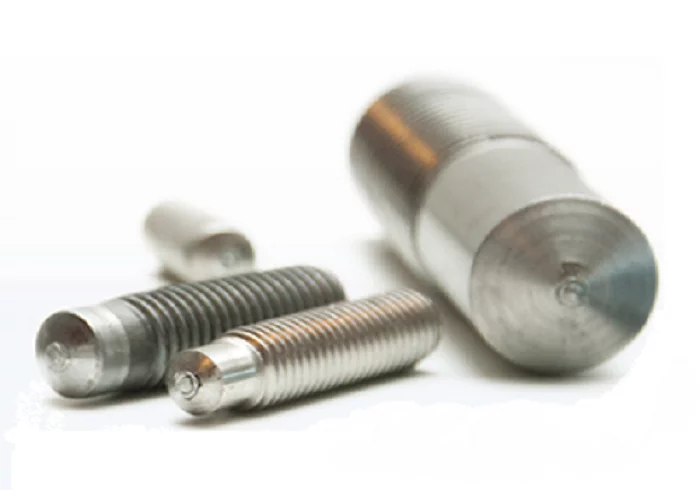
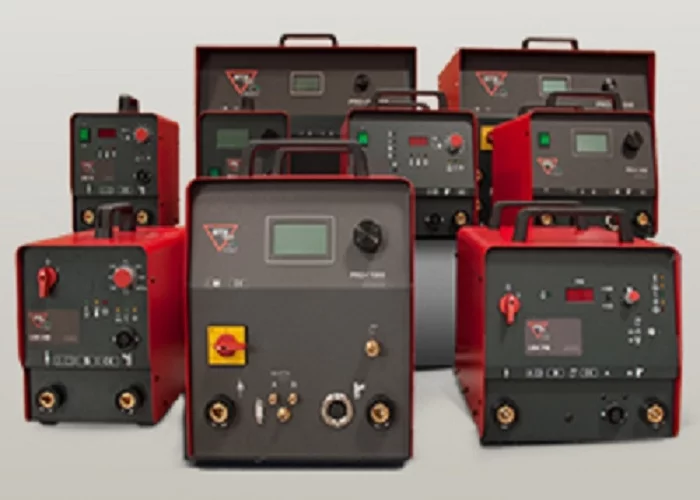
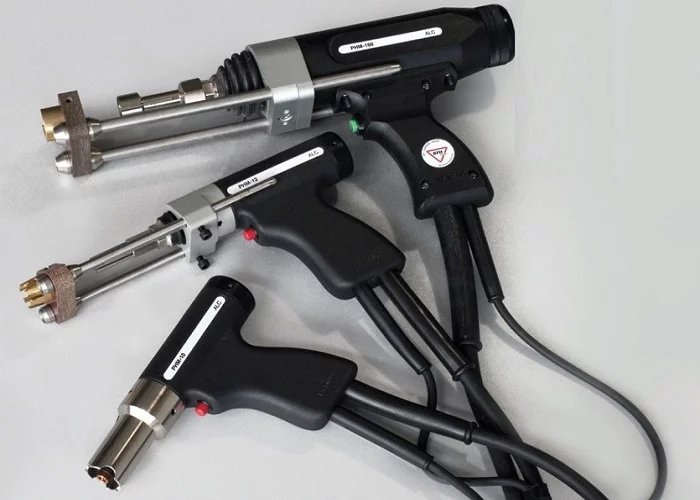
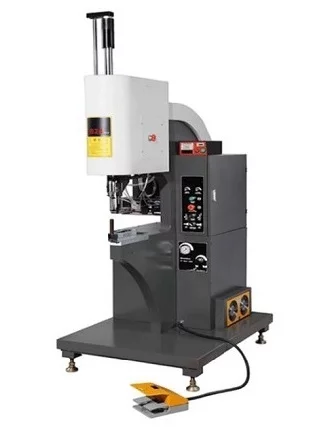
The range includes: generators, manual welding guns, automatic welding heads, universal feeders, and a wide selection of studs specifically designed for arc welding.