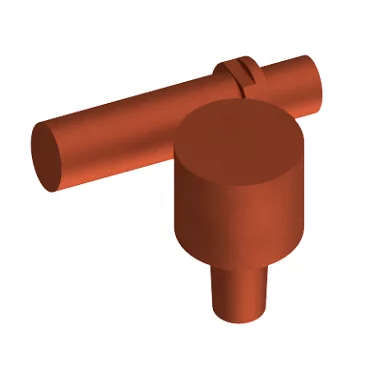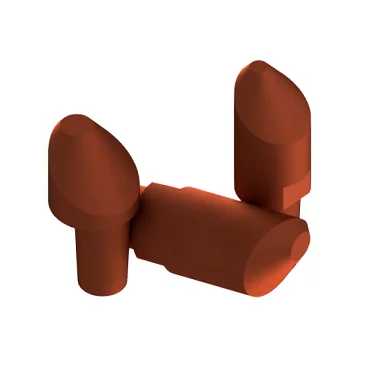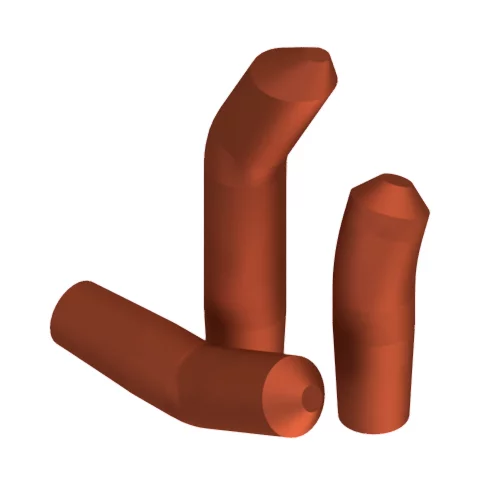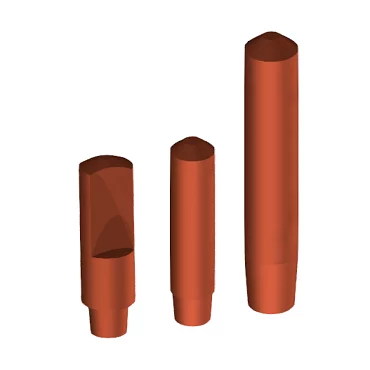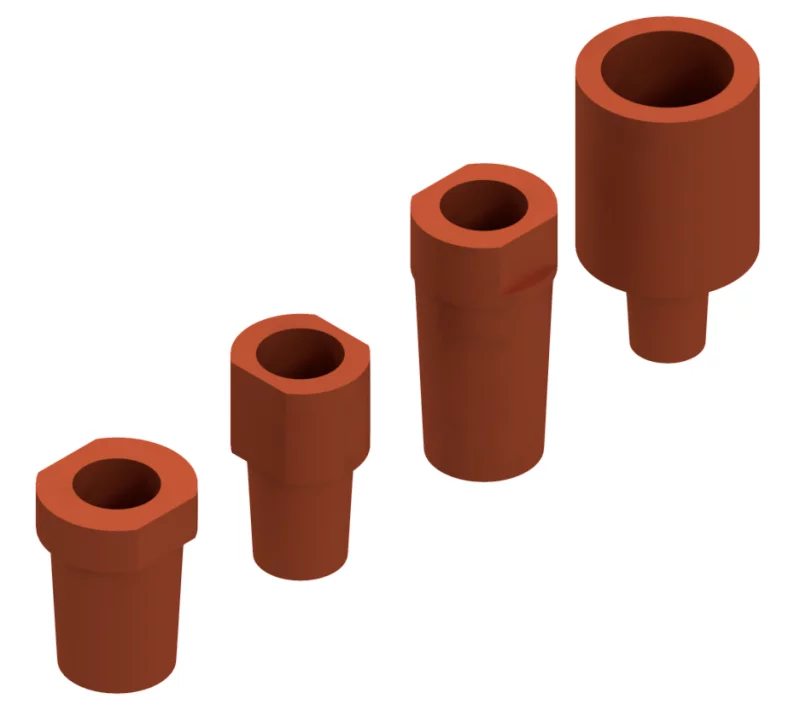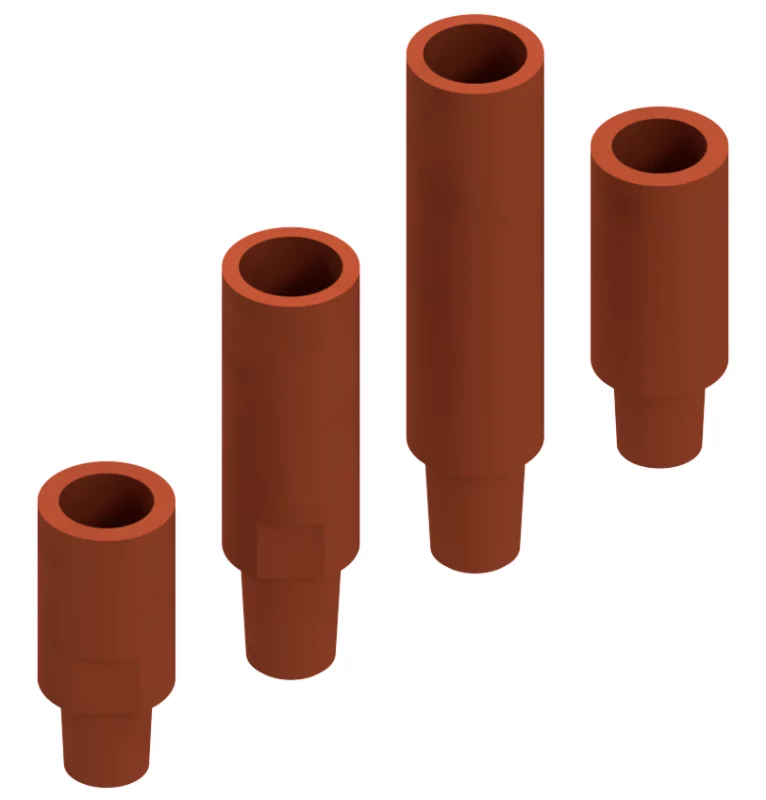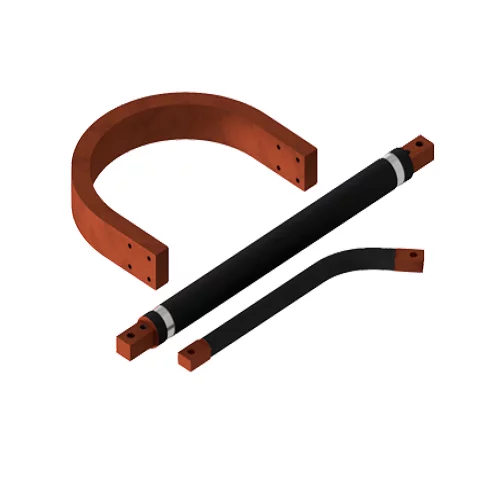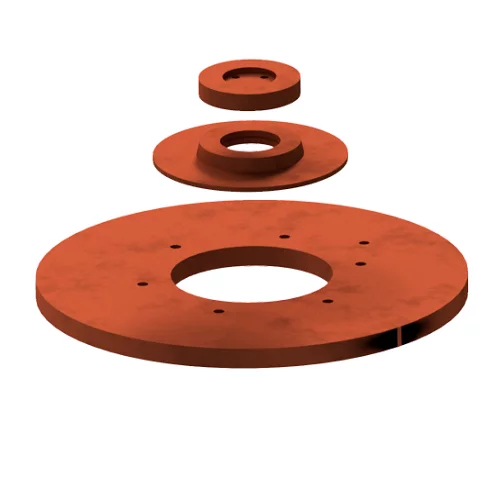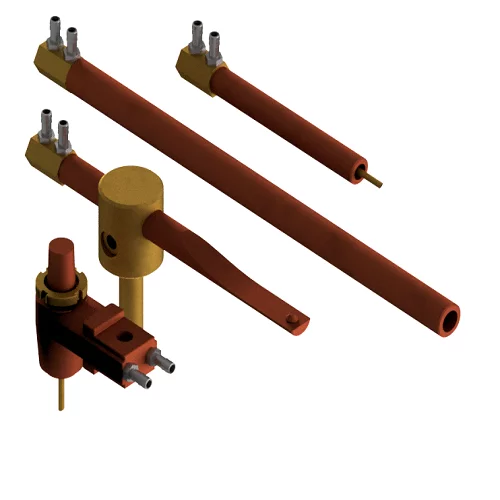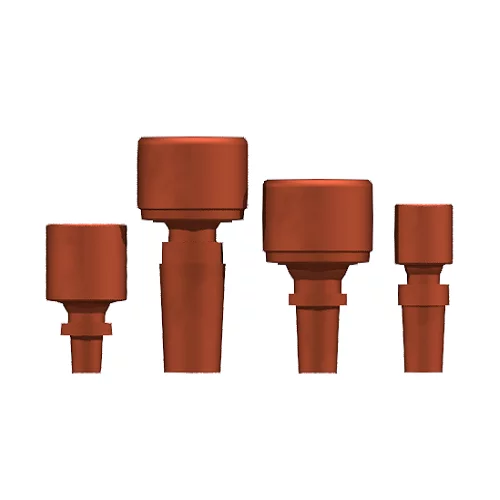






Not every resistance welding application can be handled effectively with a standard electrode. Restricted access, unusual component geometry or the position of the weld may require a different electrode configuration. A.T.S. supplies special copper alloy electrodes for resistance welding machines, including solutions designed to adapt the contact point and electrode position to specific welding conditions.
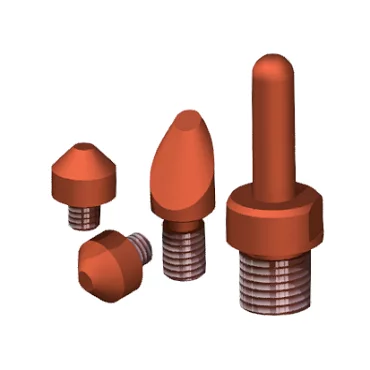
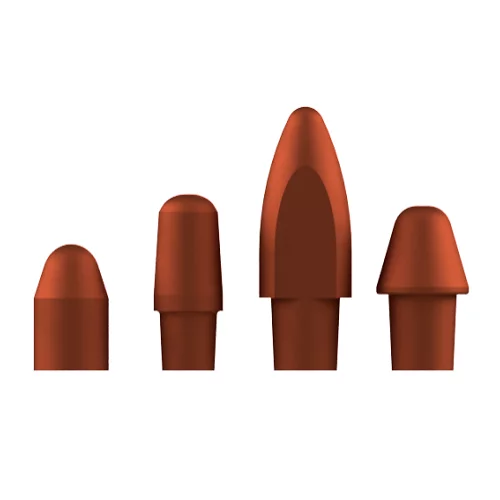
The range includes bent welding electrodes, conical-tip electrodes and electrodes with an offset tip. These configurations can be selected where the electrode needs to reach a particular welding area, avoid surrounding components or provide the appropriate contact geometry. The choice of shape and tip configuration depends on the workpiece, weld location and characteristics of the resistance welding equipment.
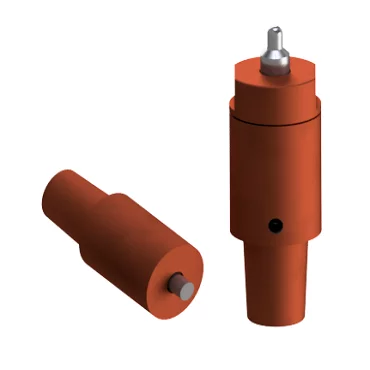
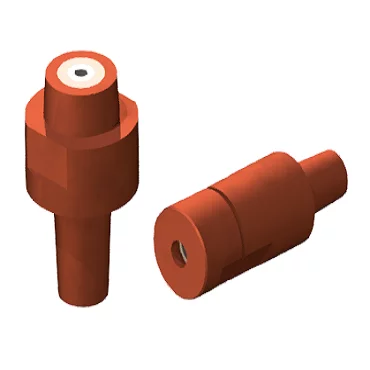
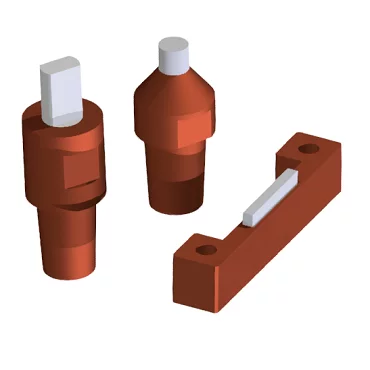
For more specialised applications, A.T.S. can also supply electrodes for welding nuts with tungsten and/or molybdenum inserts, as well as threaded electrodes and other copper alloy configurations. These solutions are intended for processes where electrode construction, contact conditions or resistance to the operating environment require a more specific approach than a conventional electrode can provide.
A.T.S. supplies both standard and special copper alloy electrodes and provides technical advice when a non-standard configuration is required. Where particular dimensions, geometries or electrode features are needed, A.T.S. can source electrodes to customer specifications, taking into account the welding application, component design and machine configuration.
For manufacturers and technical departments dealing with demanding resistance welding applications, special electrode geometries can provide greater flexibility in positioning and access to the weld area. A.T.S. combines technical selection, supply and application support to help customers identify an electrode configuration suited to their equipment and production requirements.