




Solutions for Industrial Plant Engineering
Joining and fastening technologies for the construction, integration and maintenance of industrial equipment and plant structures.
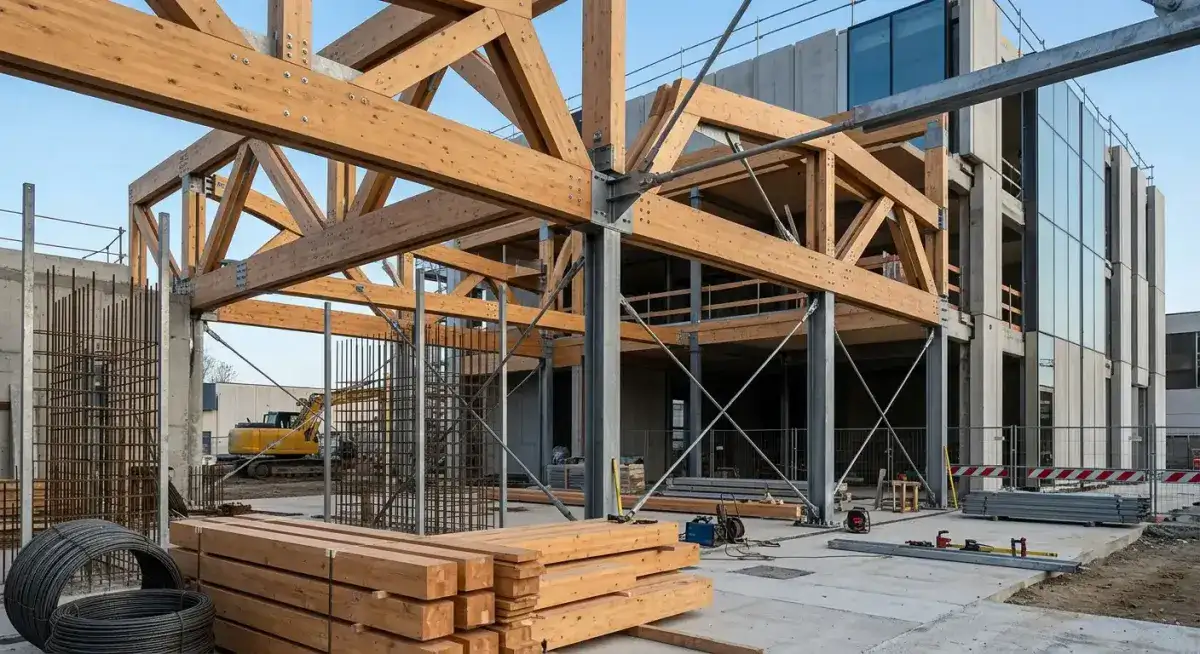
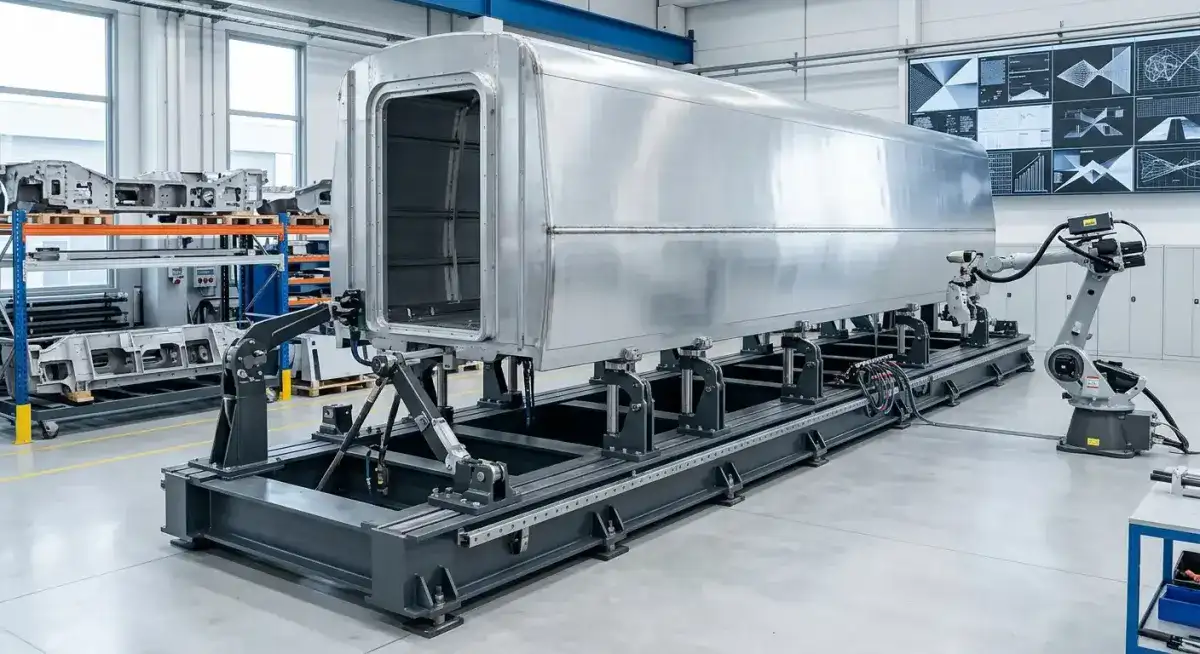
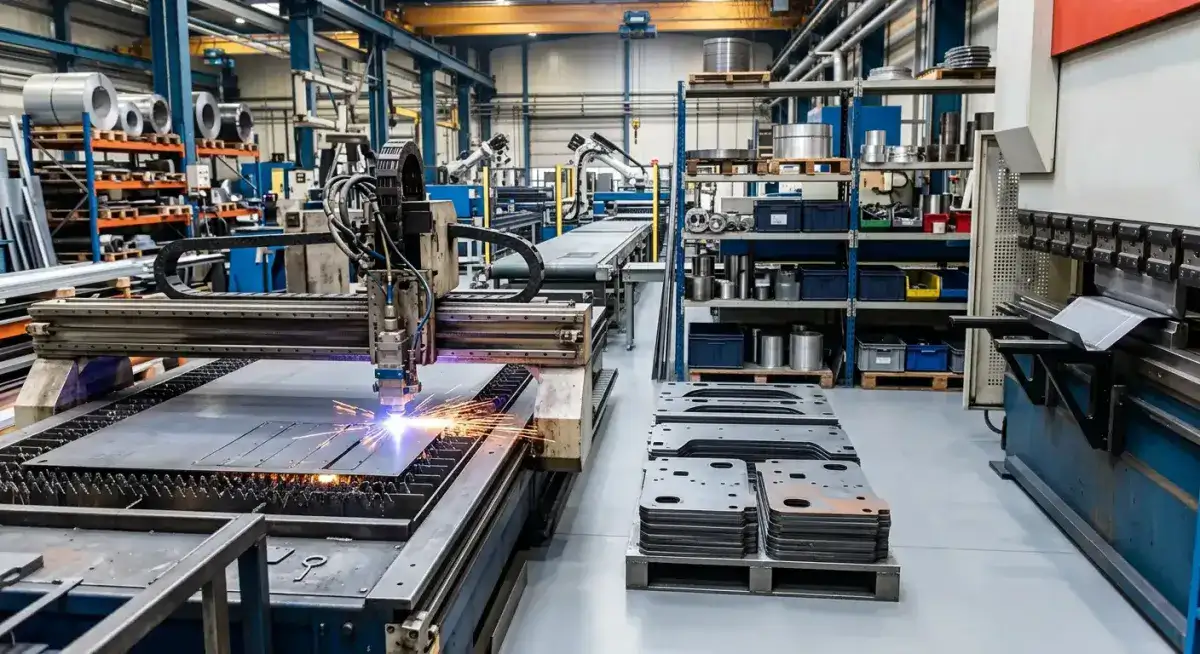
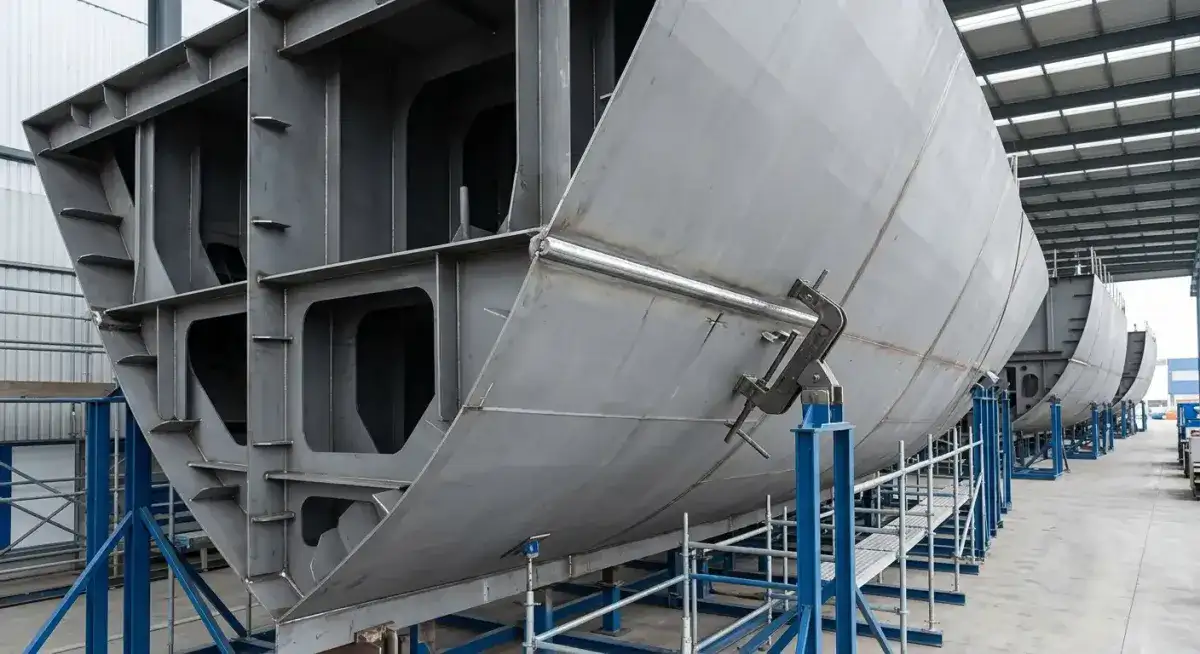
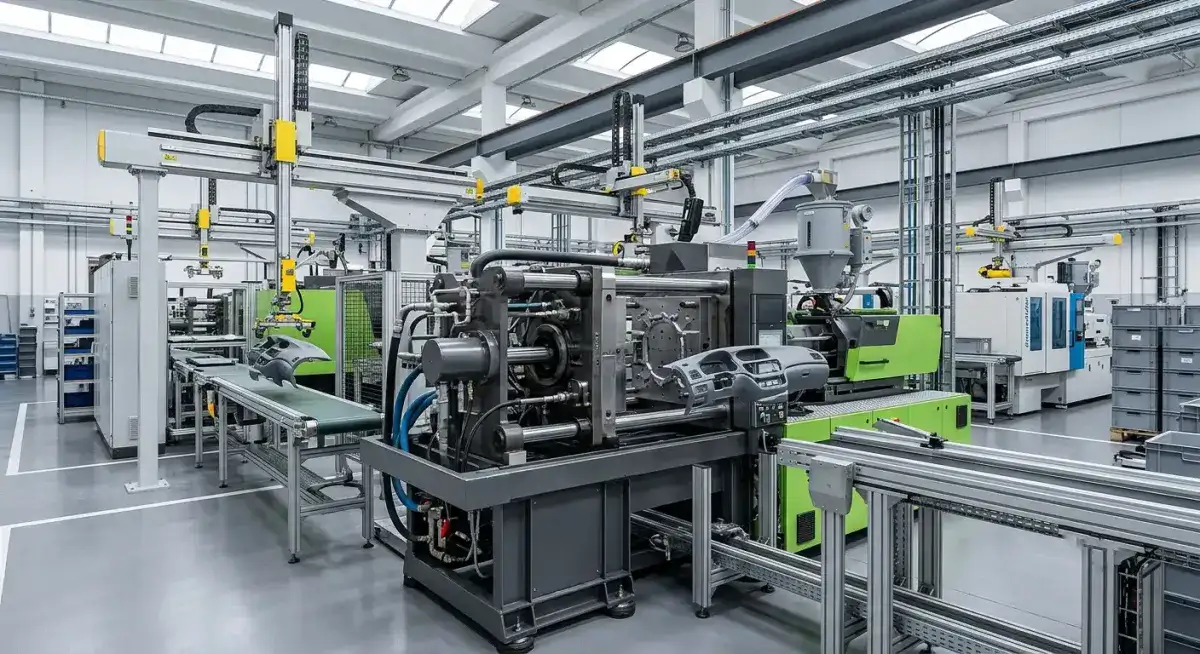
Industrial plants combine machinery, structural frames, guards, enclosures, access panels, supports and production equipment within a single operating environment.
These components do not all require the same type of joint. Some connections are intended to remain permanent, while others must allow inspection, adjustment or replacement throughout the service life of the plant.
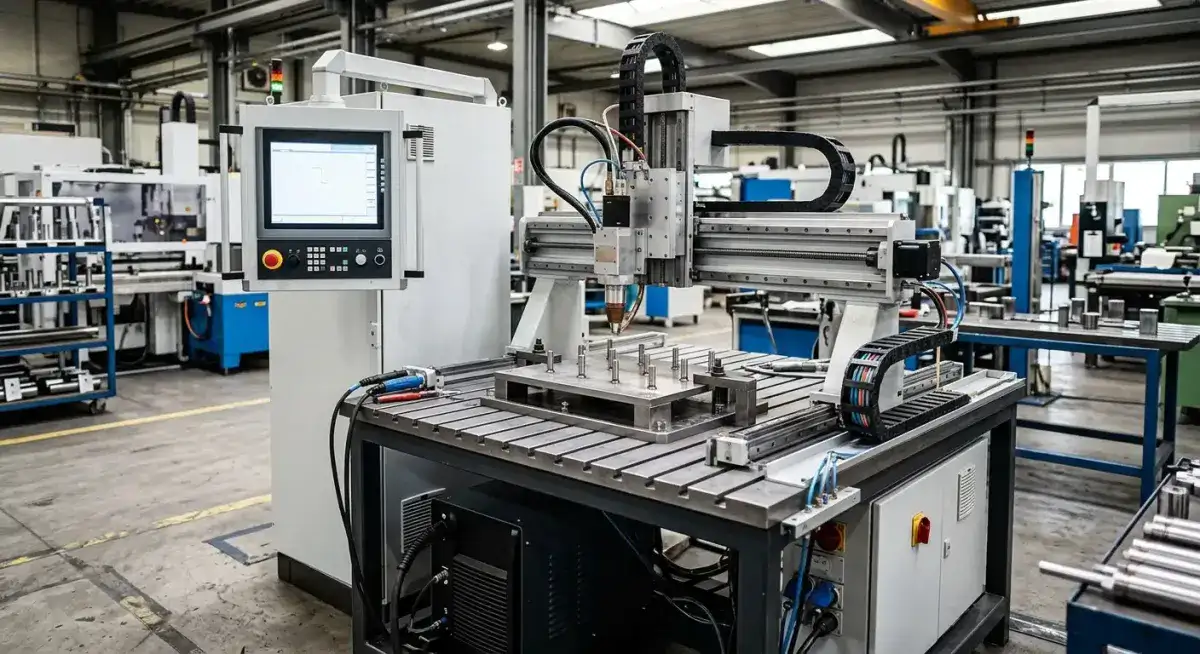
A.T.S. supplies resistance welding equipment, stud welding technologies, rivet nuts, self-clinching fasteners, blind rivets and installation systems for different stages of plant construction and equipment integration.
The appropriate solution depends on material, thickness, mechanical load, accessibility, operating environment and future maintenance requirements.
How should a joining method be selected for industrial plant equipment?
Material, thickness, load, installation access, serviceability and operating conditions all need to be considered. Welded joints, studs, threaded inserts and mechanical fasteners perform different functions and may be combined within the same plant.
Building and Integrating Plant Structures and Equipment
Plant construction involves more than joining large structural members.
Guards, sheet-metal covers, cabinets, brackets, machine frames and secondary structures all require reliable connection points as equipment is assembled and installed.
Resistance welding can provide permanent joints between suitable metallic components, while mechanical fastening may be more appropriate where equipment needs to remain accessible.
Rivet nuts are particularly useful where threaded fixing points are required in thin sheet, hollow sections or components that can only be accessed from one side.
Self-clinching nuts, studs and standoffs provide another method of integrating permanent fixing features directly into sheet-metal components before installation.
Stud Welding for Functional Attachment Points
Plant structures frequently need threaded studs or other attachment features for supports, services and auxiliary components.
Stud welding makes it possible to attach these elements directly to the metallic surface without using a conventional through-fastener.
Capacitor-discharge stud welding is especially useful in many thin-sheet applications because the weld cycle is extremely short and introduces limited heat into the component.
Other stud welding processes can be selected where thickness or mechanical requirements differ.
This allows functional fixing points to become part of the fabricated structure before final equipment installation.
Designing Connections for Maintenance and Future Modification
Industrial equipment changes throughout its service life.
Panels are removed, components are replaced, electrical equipment is serviced and production systems may be modified to accommodate new requirements.
Joining technology should therefore be selected with maintenance in mind.
Threaded fixing points created with rivet nuts or self-clinching fasteners can support repeated removal and installation of suitable components, while permanent riveting or welding can be reserved for joints that do not require future access.
Serviceability becomes a design parameter rather than an issue addressed only after the plant has been commissioned.
Fastening Where Rear-Side Access Is Limited
Installation work often takes place around already assembled machinery and structures.
Closed profiles, tubular sections, panels and restricted spaces may prevent access to the rear of the joint.
Blind fastening technologies provide practical options in these conditions.
Rivet nuts can create a threaded point from one accessible side, while blind rivets provide permanent mechanical joining without requiring access behind the component.
Manual, pneumatic or hydro-pneumatic installation equipment can then be selected according to location and frequency of use.
From On-Site Installation to Repeatable Production
Plant engineering combines very different production conditions.
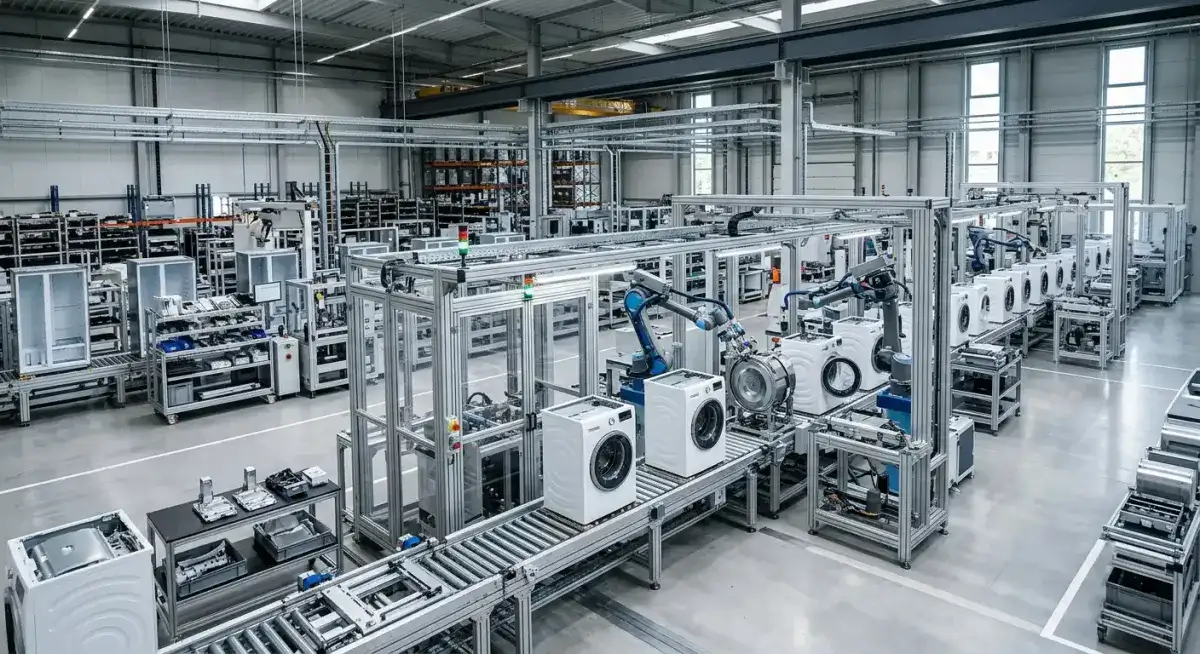
Site installation and maintenance often require flexible equipment, while repeated manufacturing of guards, cabinets and machine components may justify dedicated presses or automated installation systems.
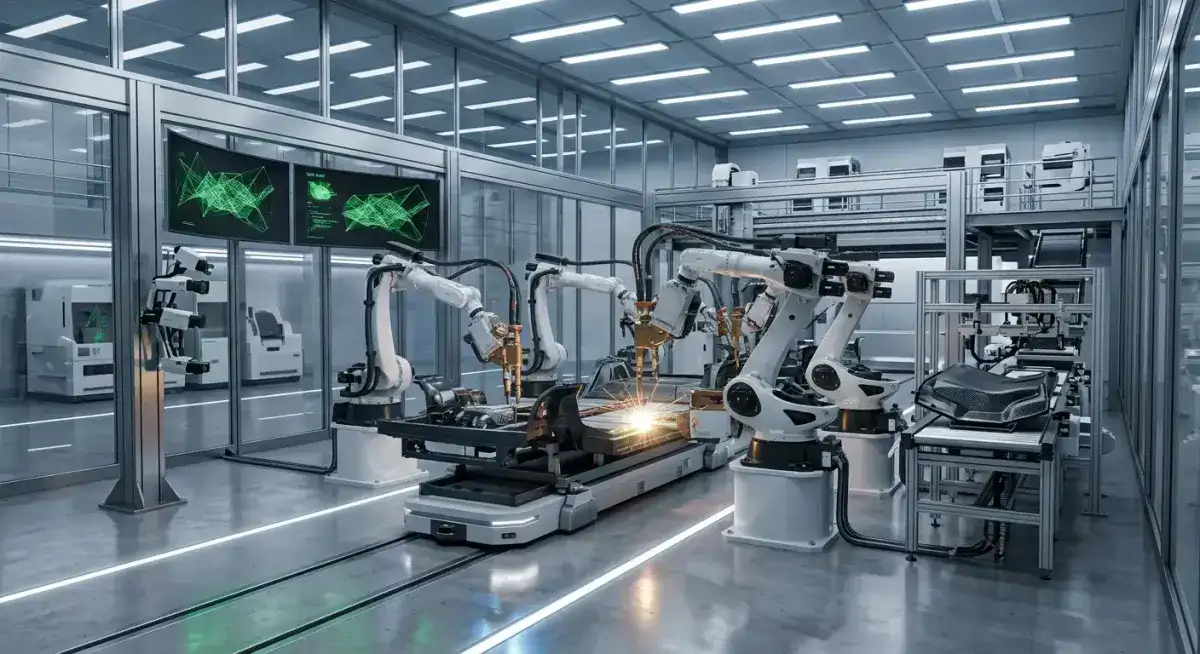
Resistance welding can also be incorporated into controlled and automated production equipment where repeatability is required.
A.T.S. therefore considers the joining element together with its installation process, helping match the technology to construction, installation and maintenance requirements across the equipment life cycle.
The right solution for your application, with the support of our experts
Our experts will help you find the right product for your needs, with no obligation. Tell us what you need: together we will find the most suitable solution.
Contact us, no obligation