





Resistance welding machines
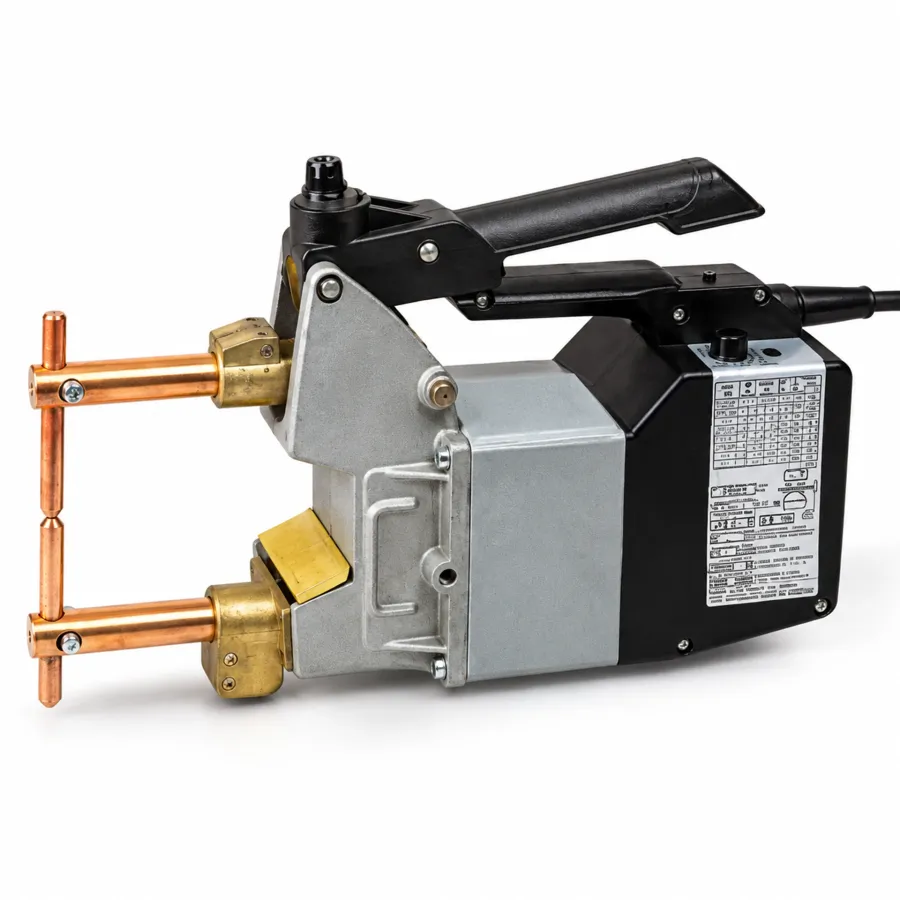
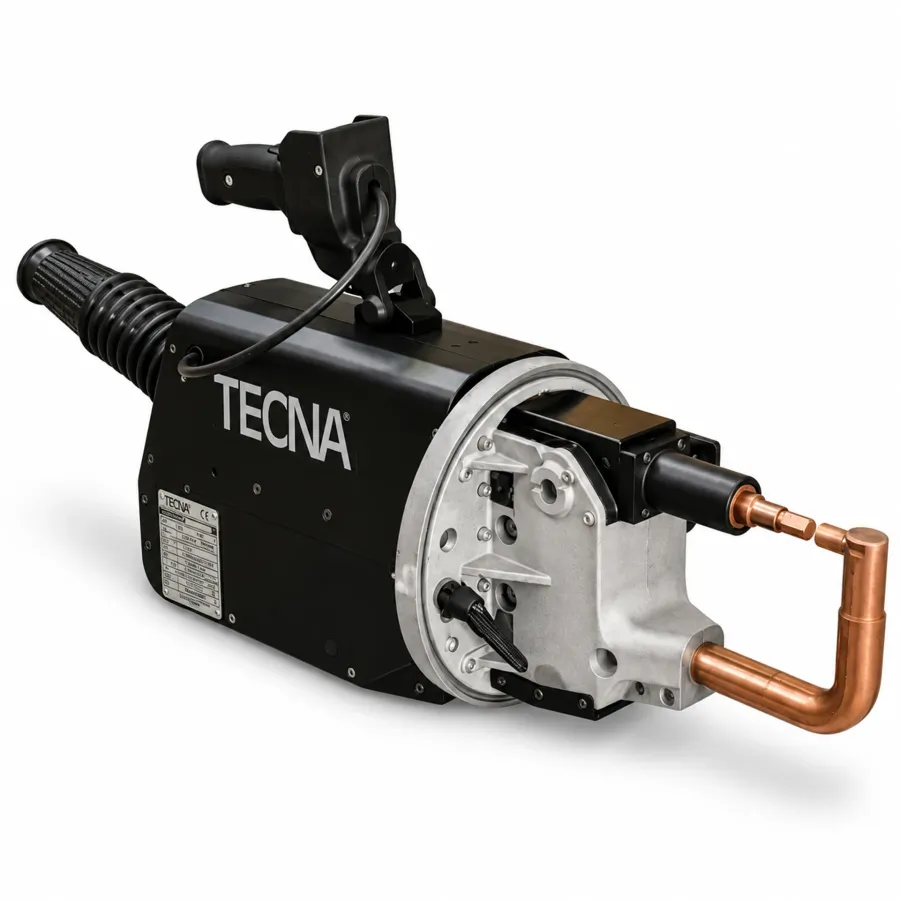
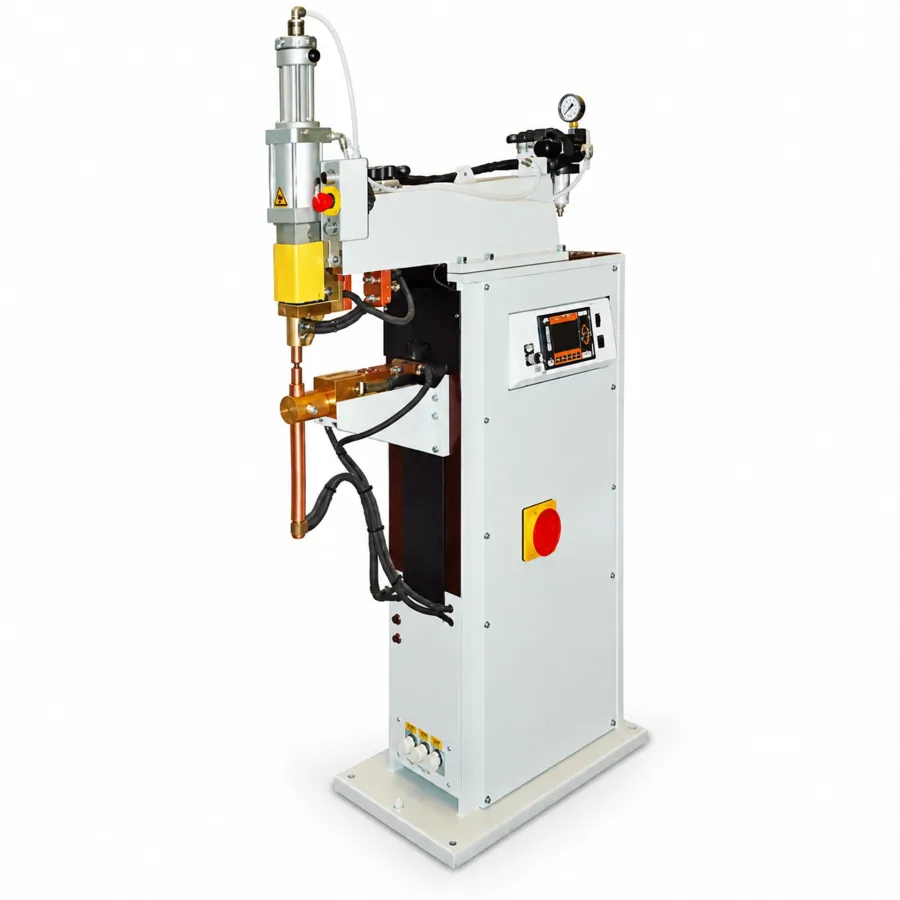
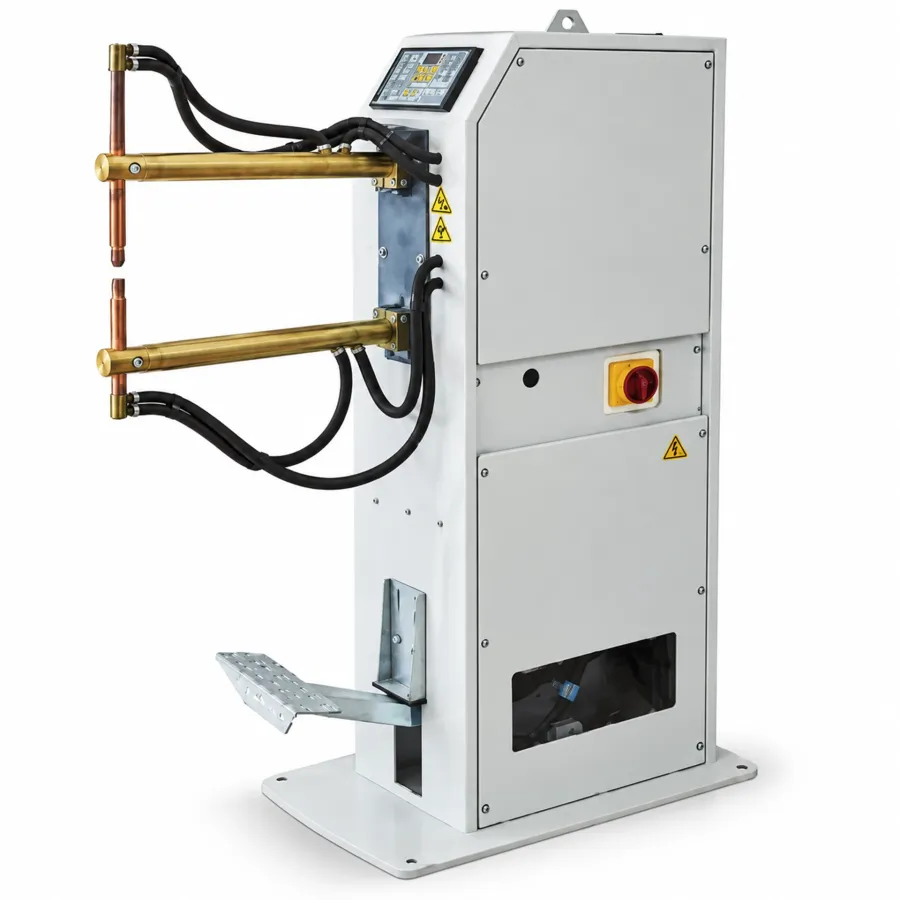
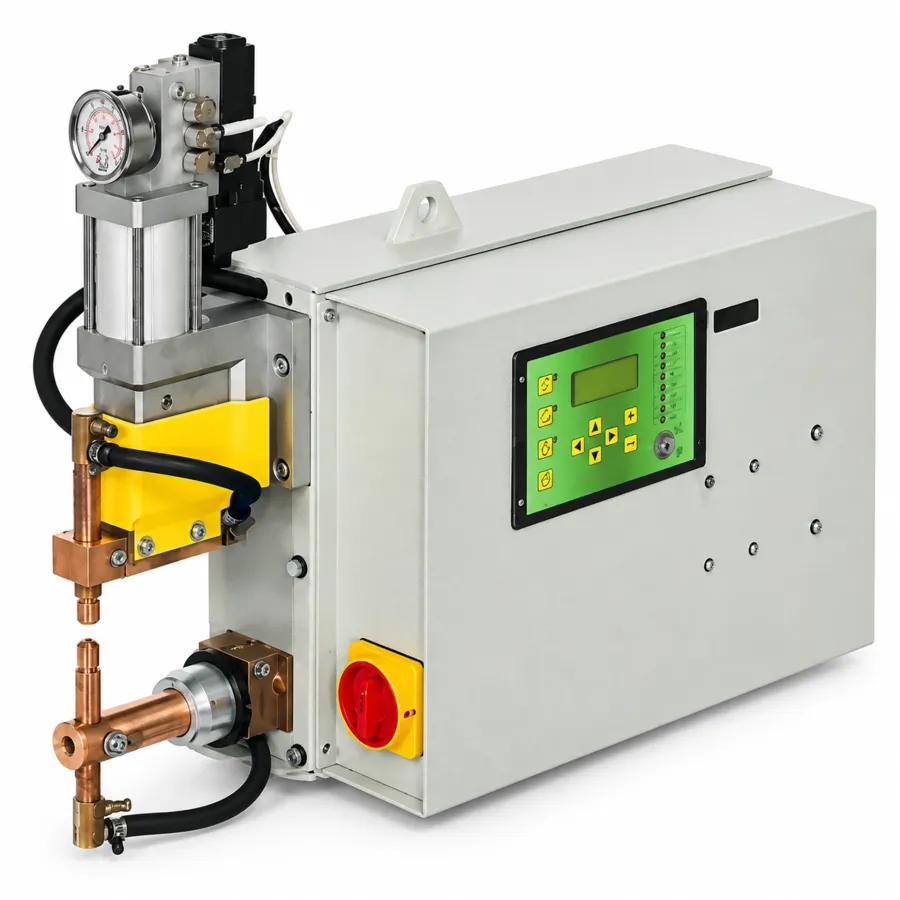
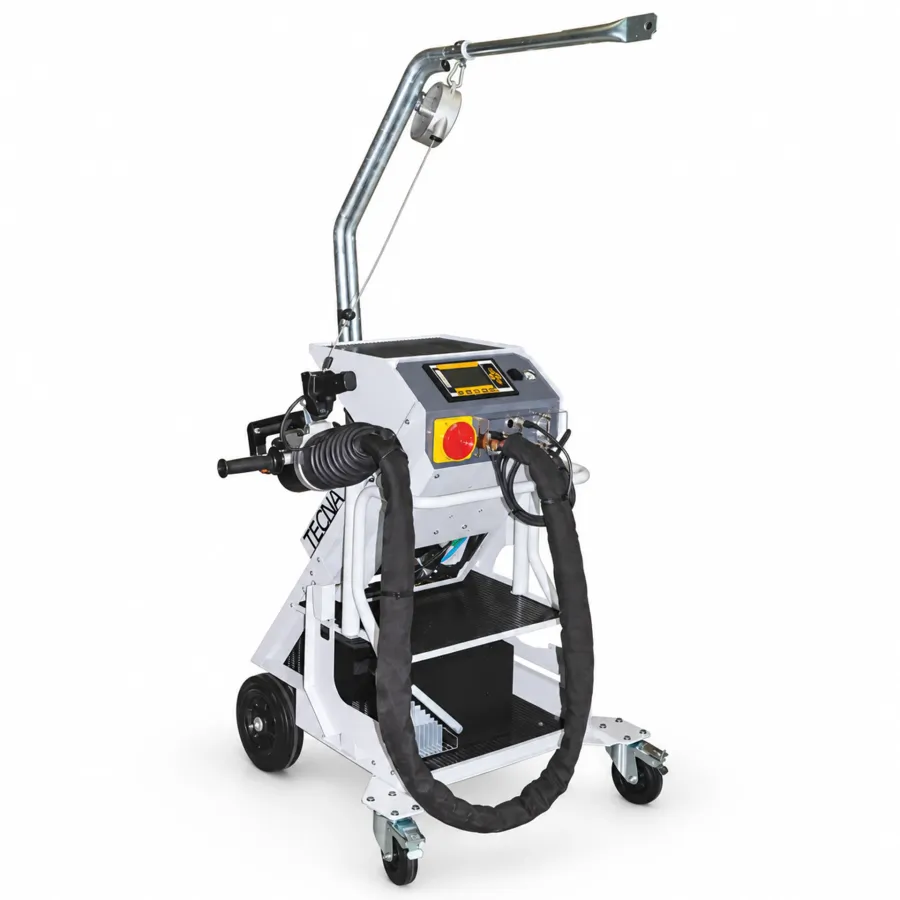
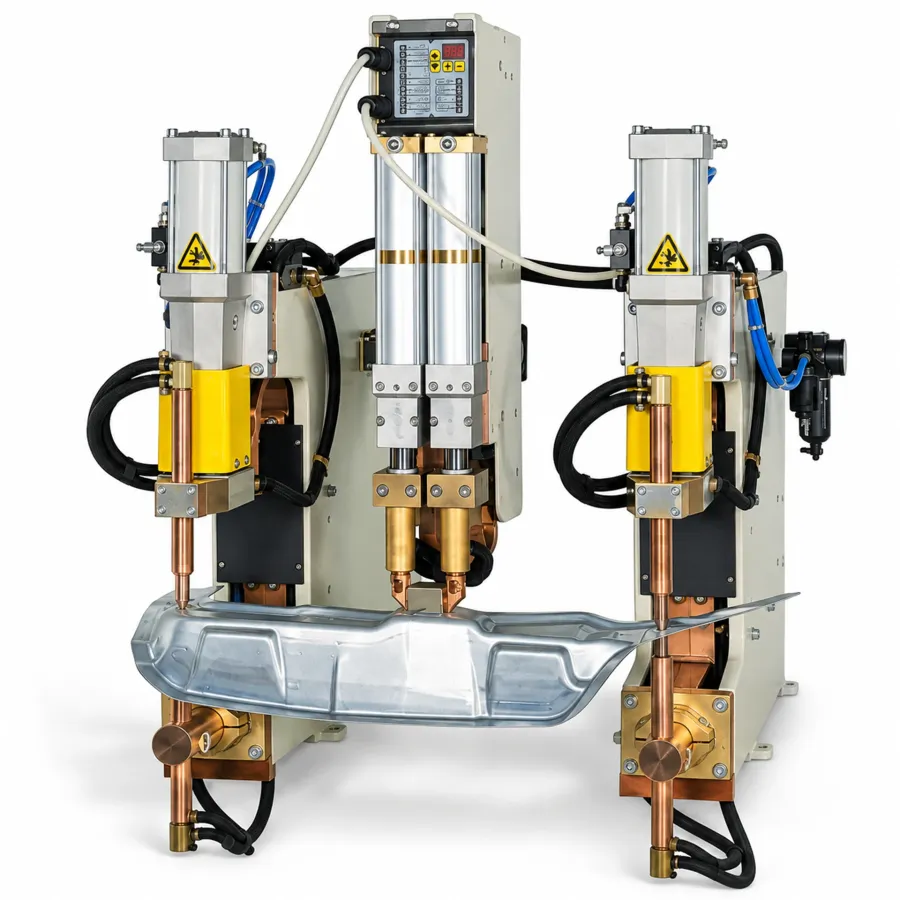
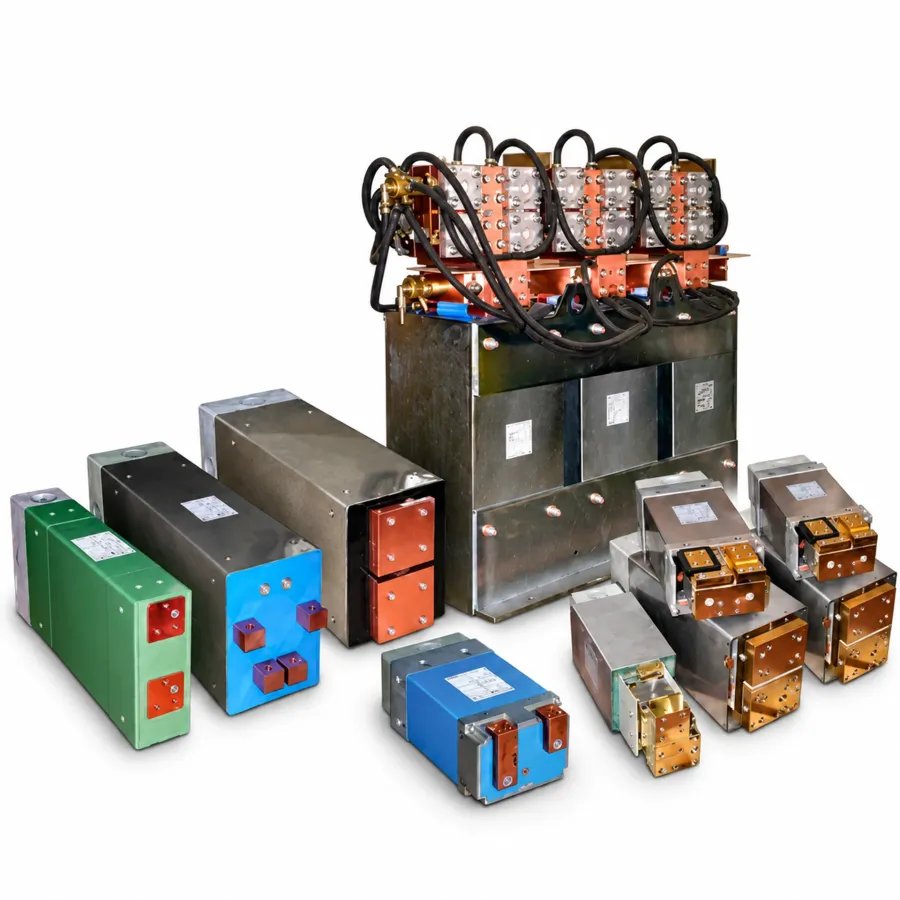
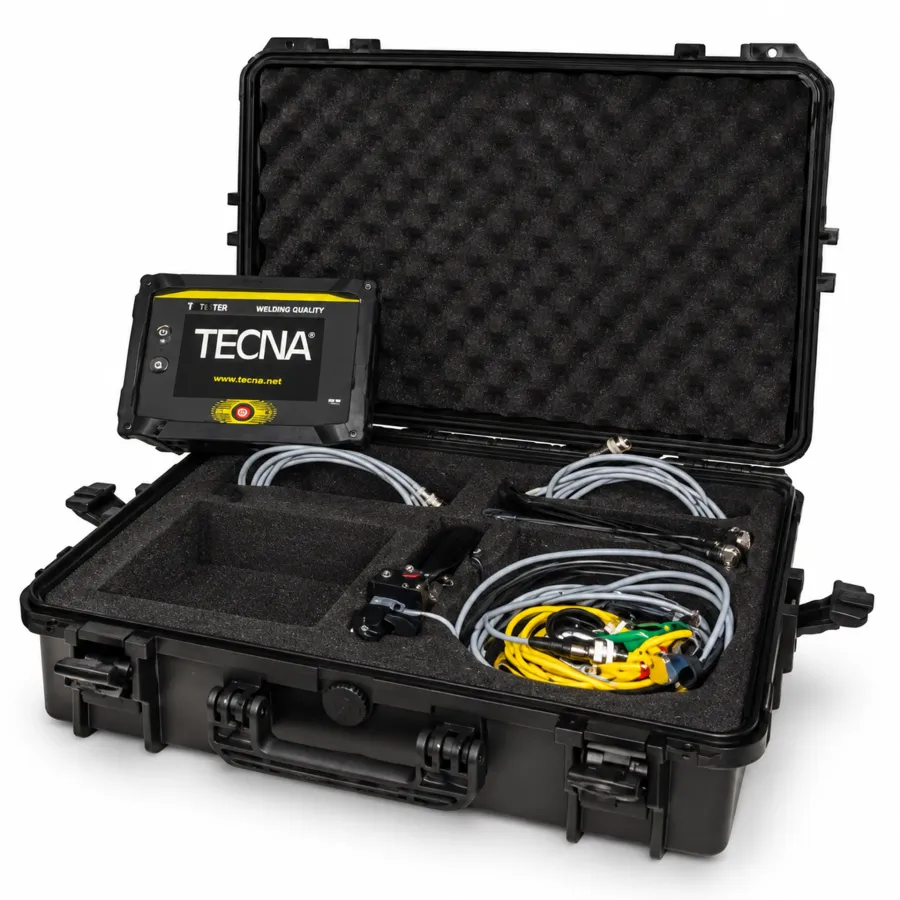
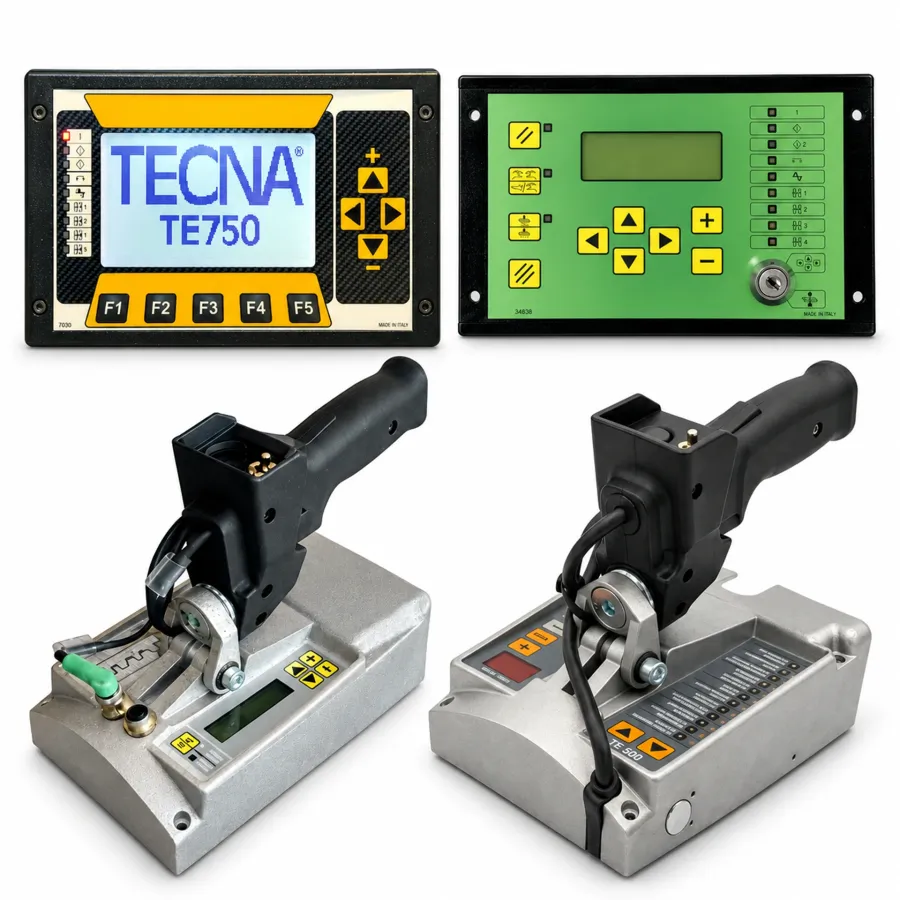
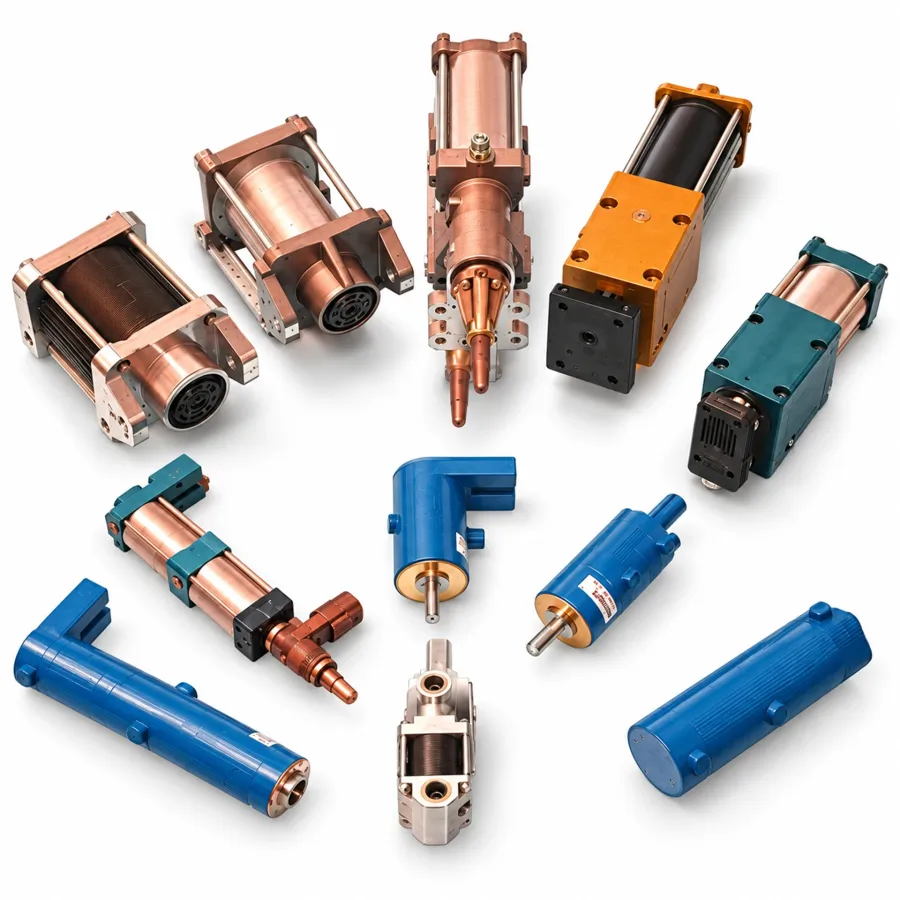
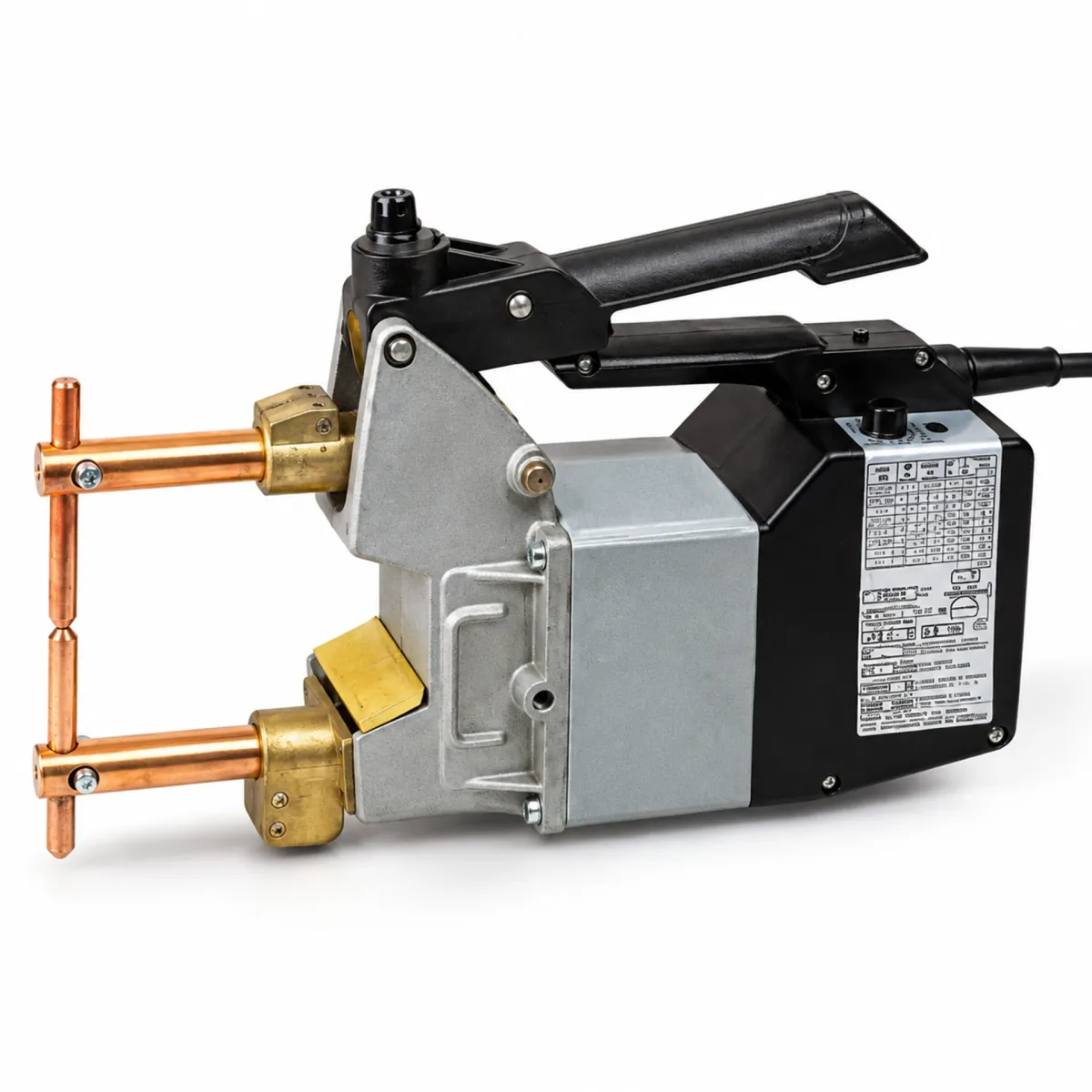
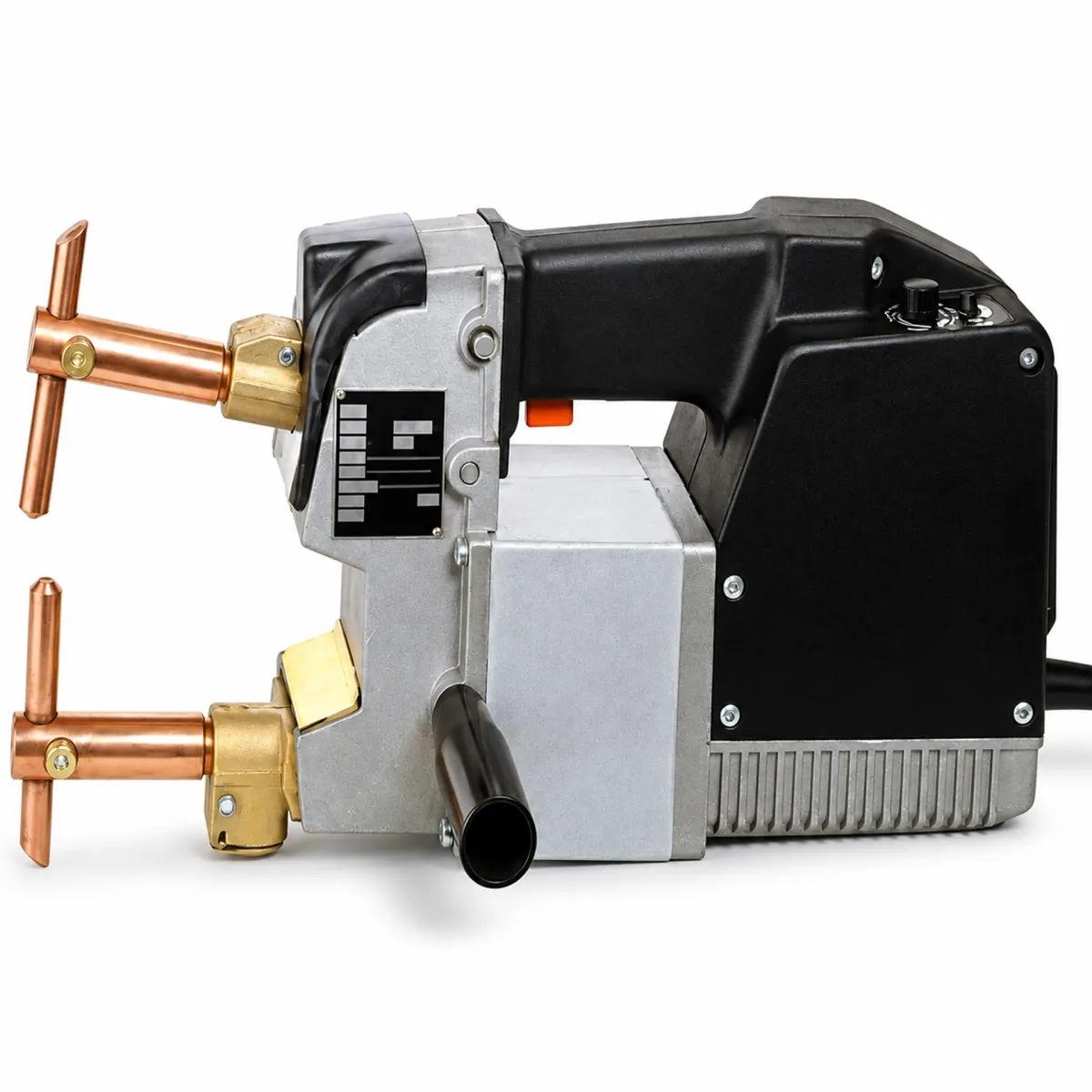
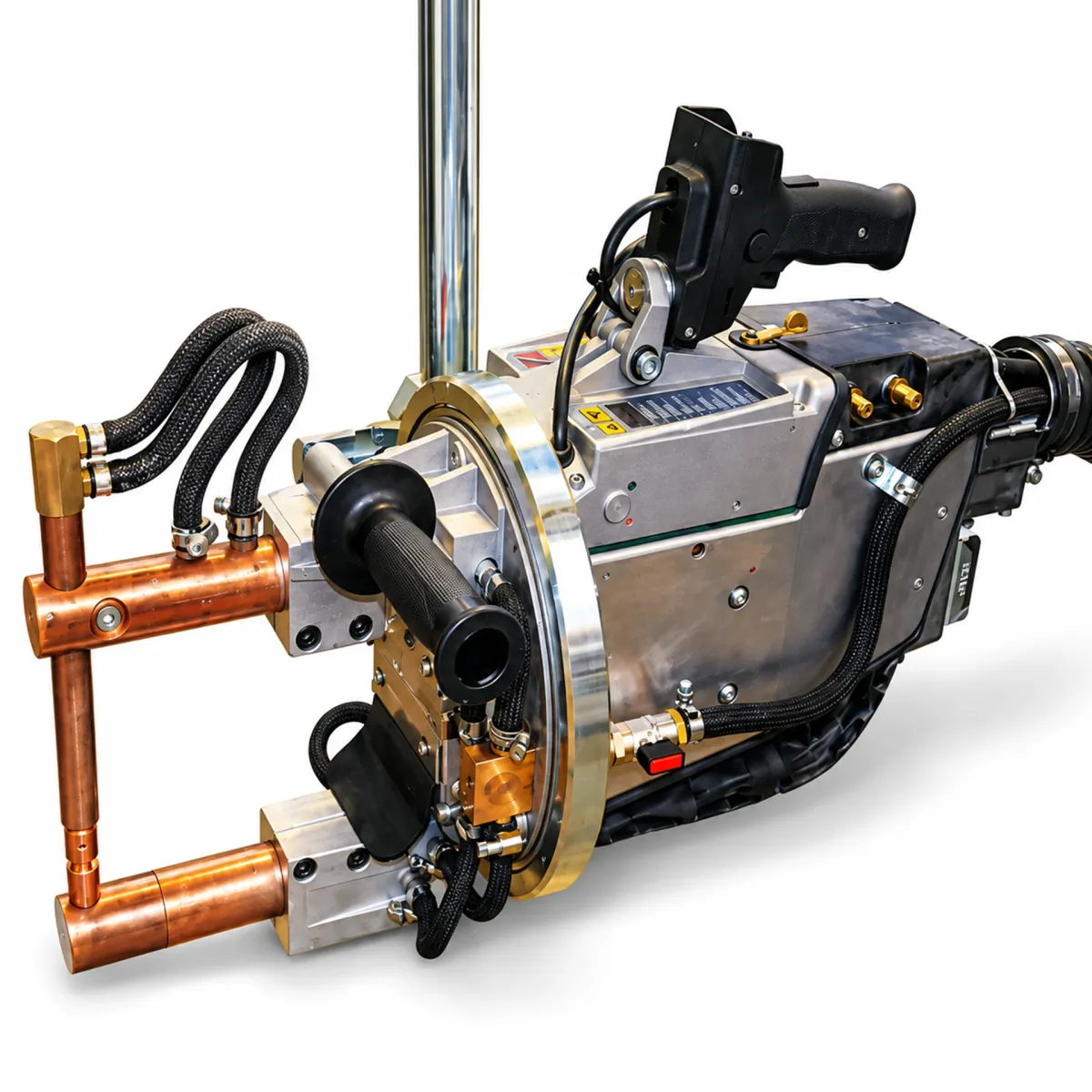
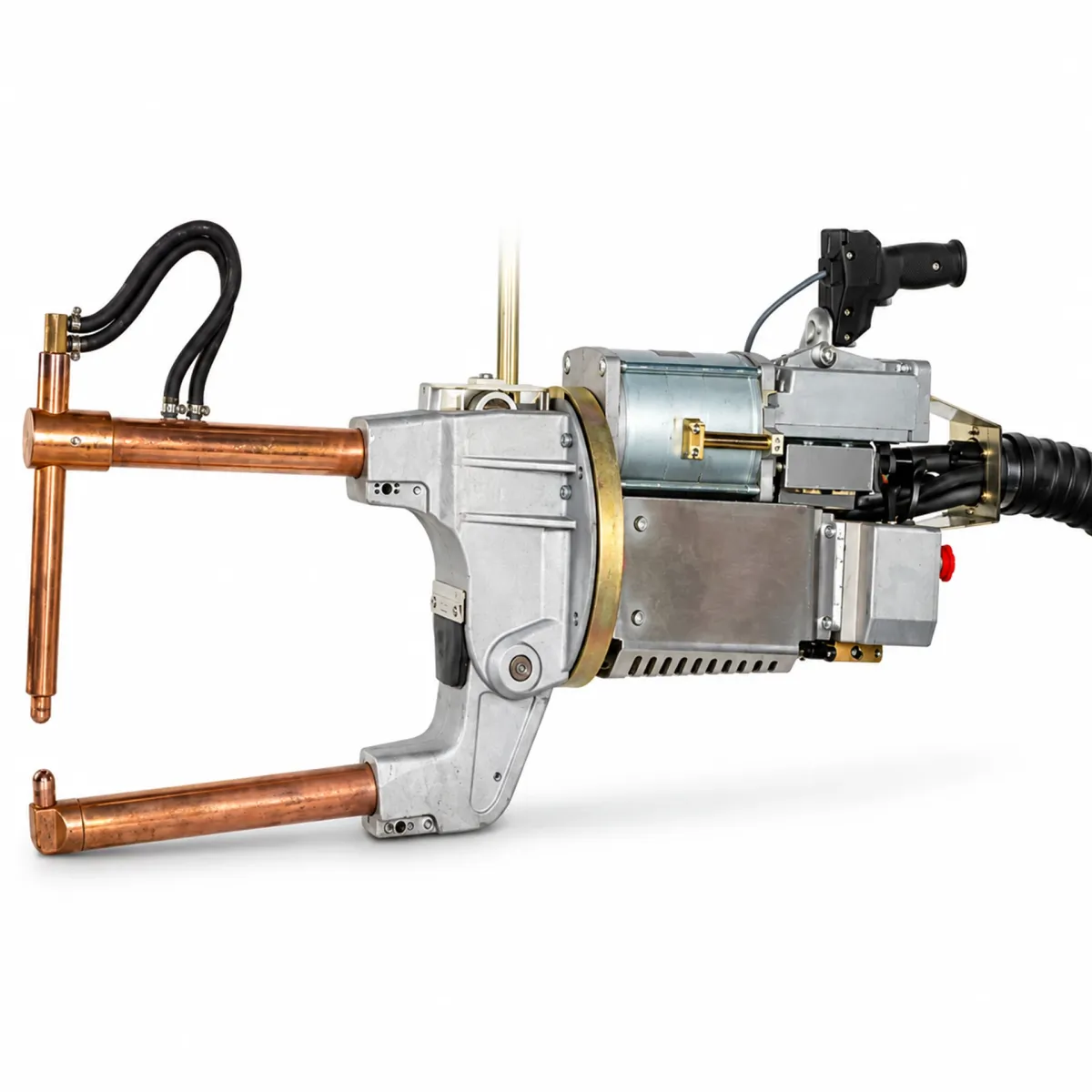
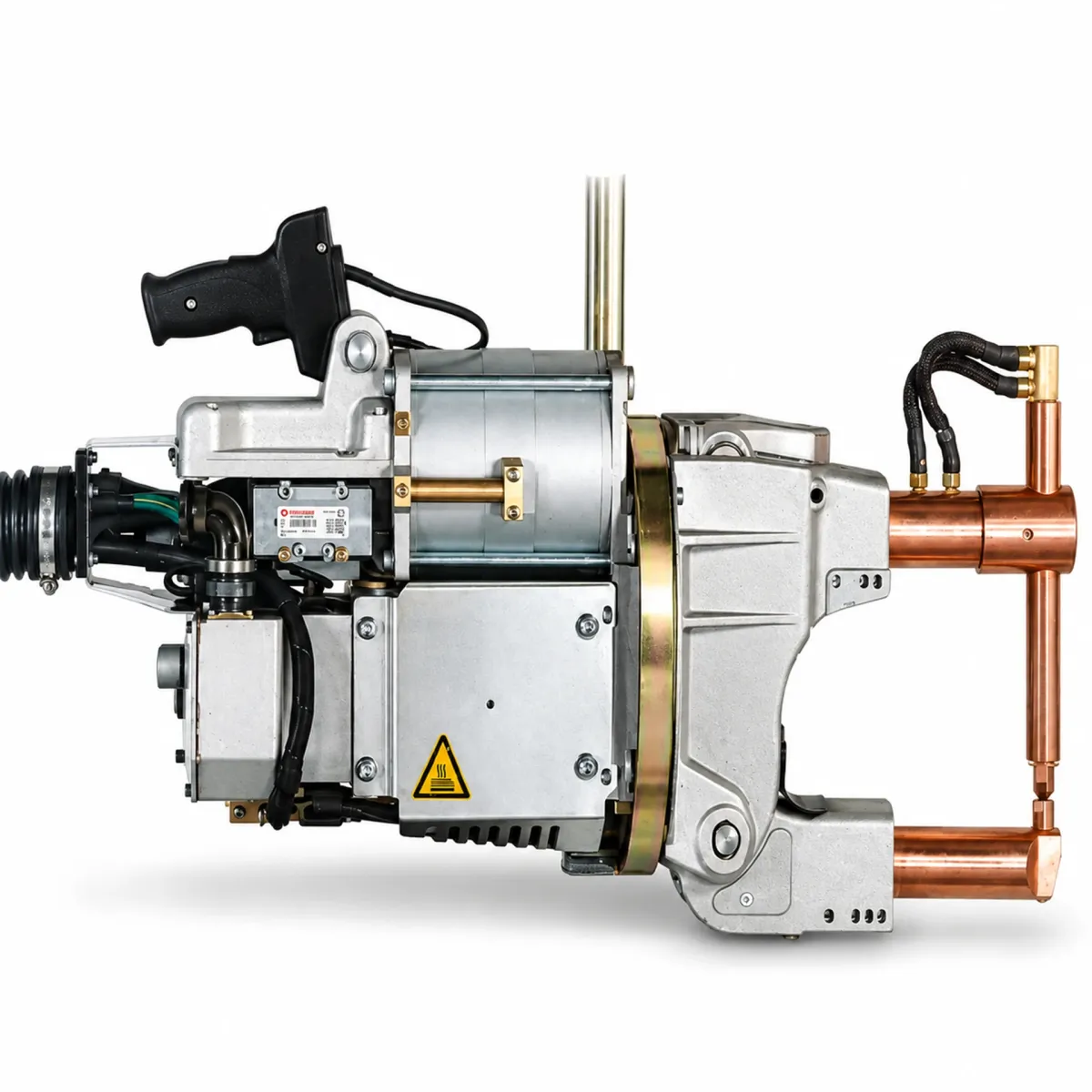
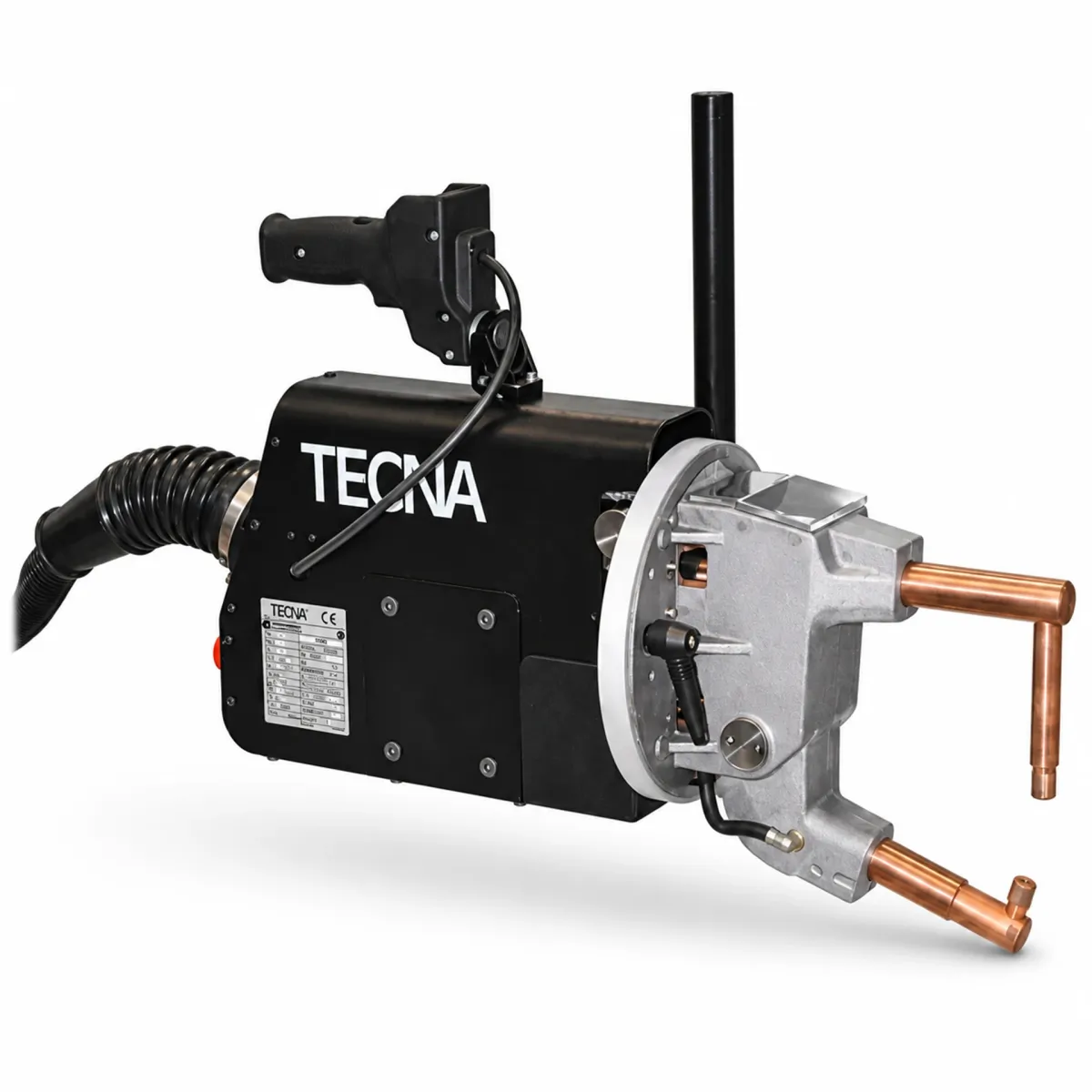
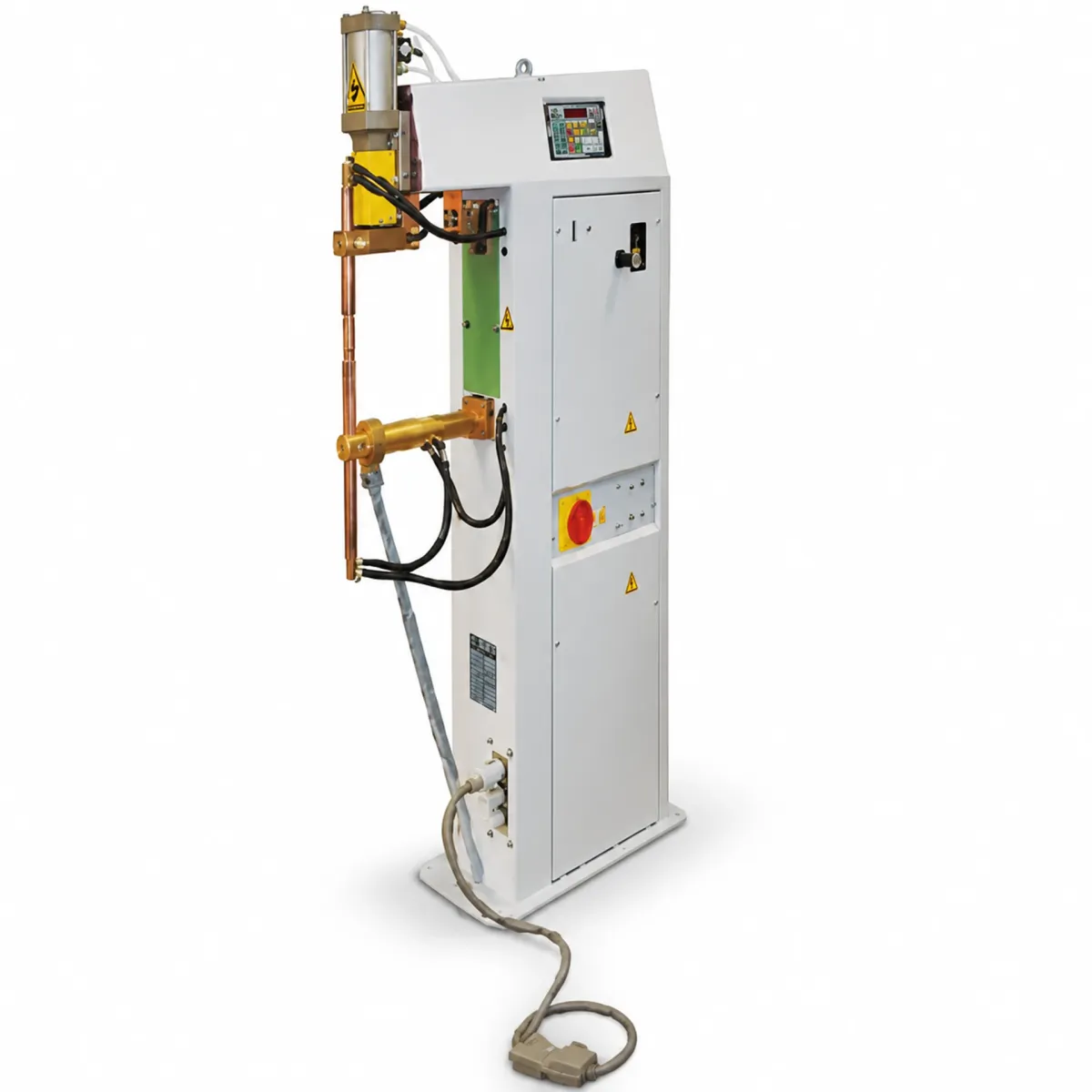
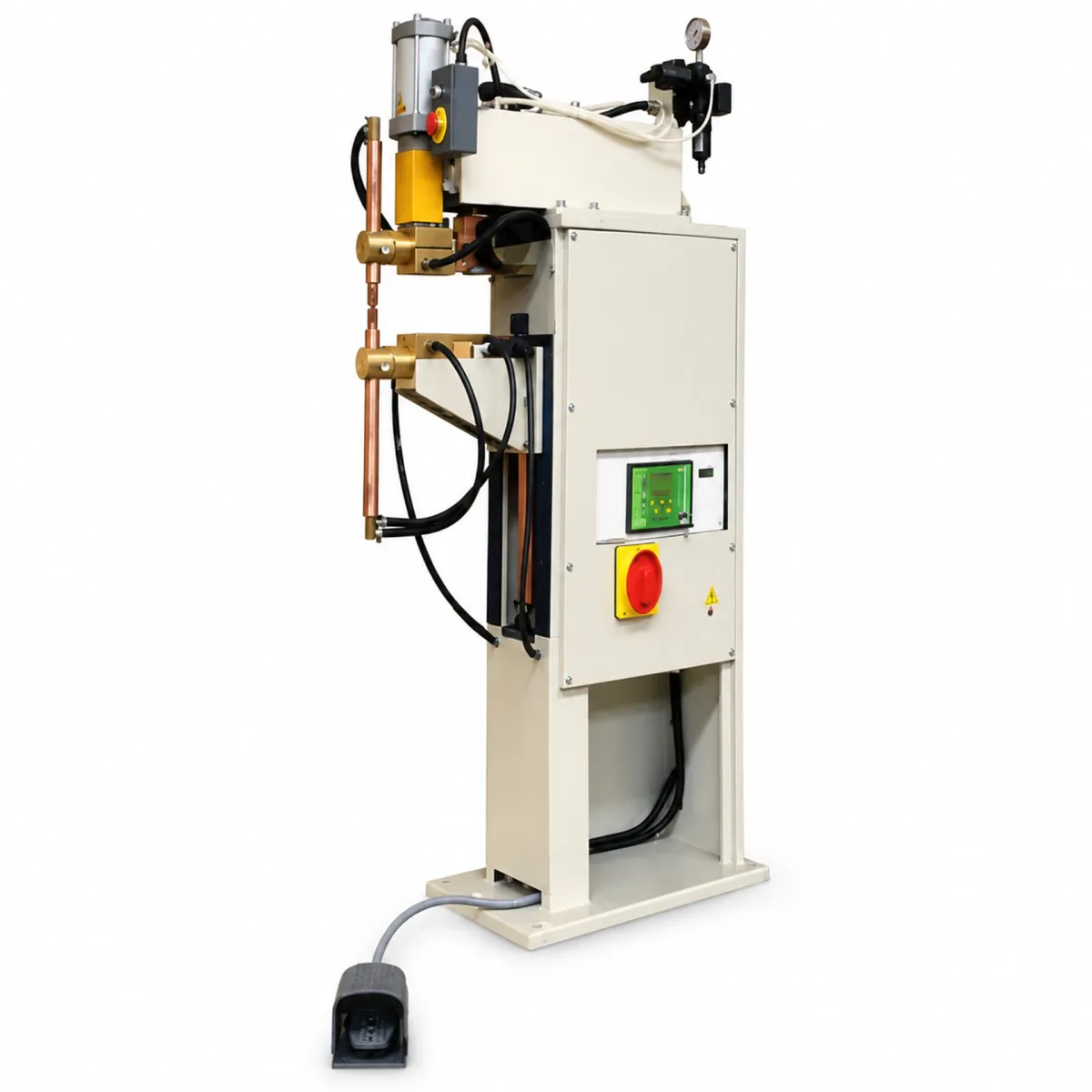
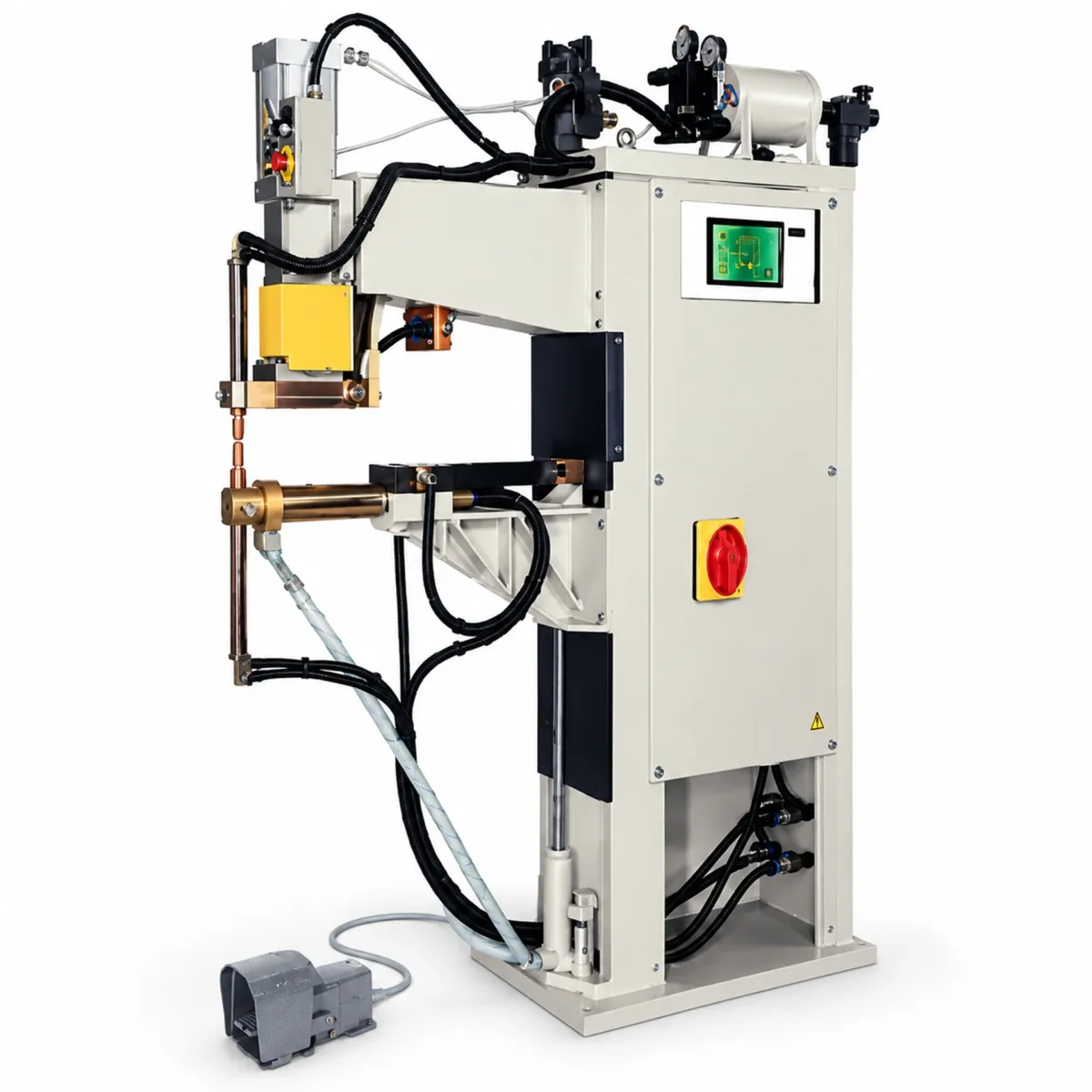
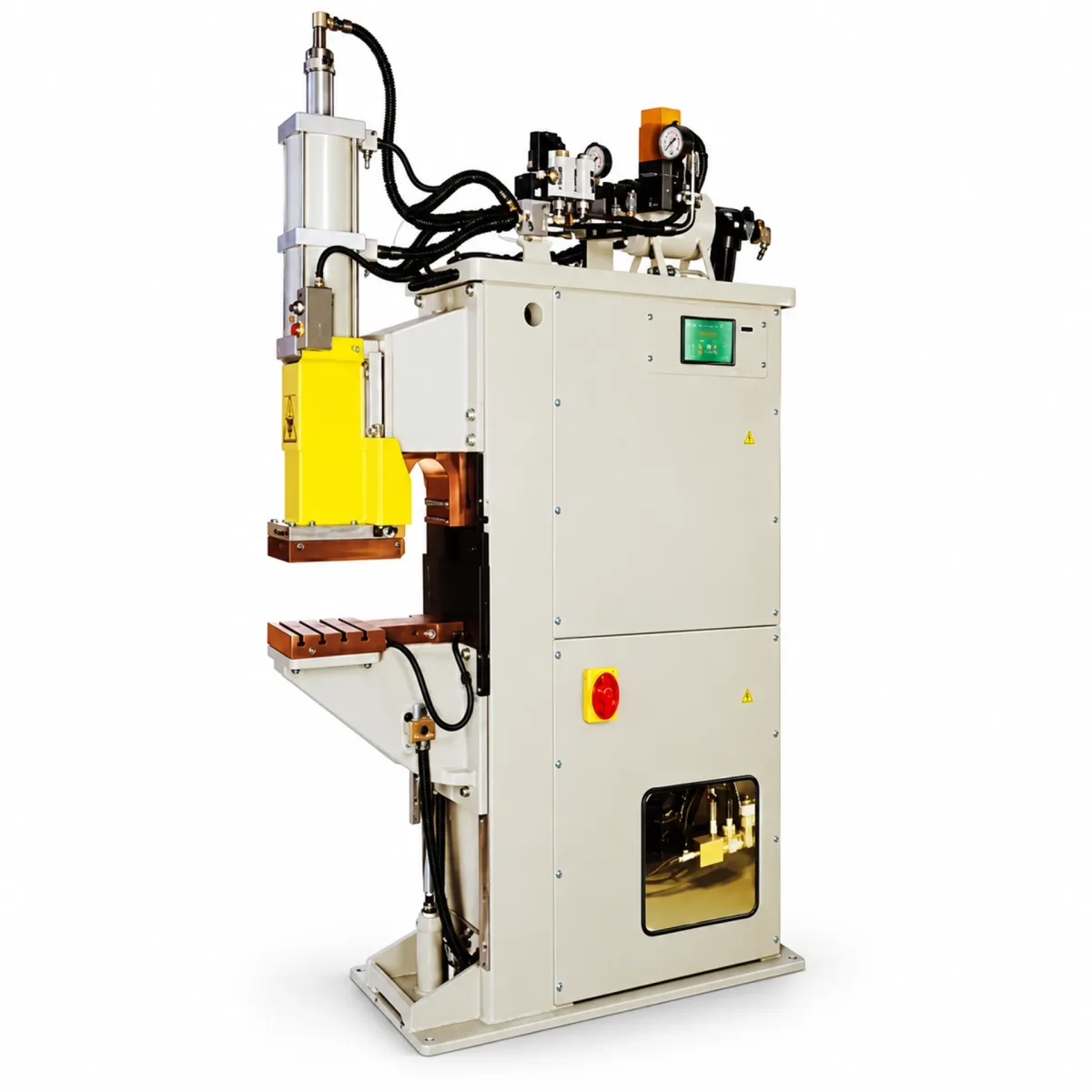
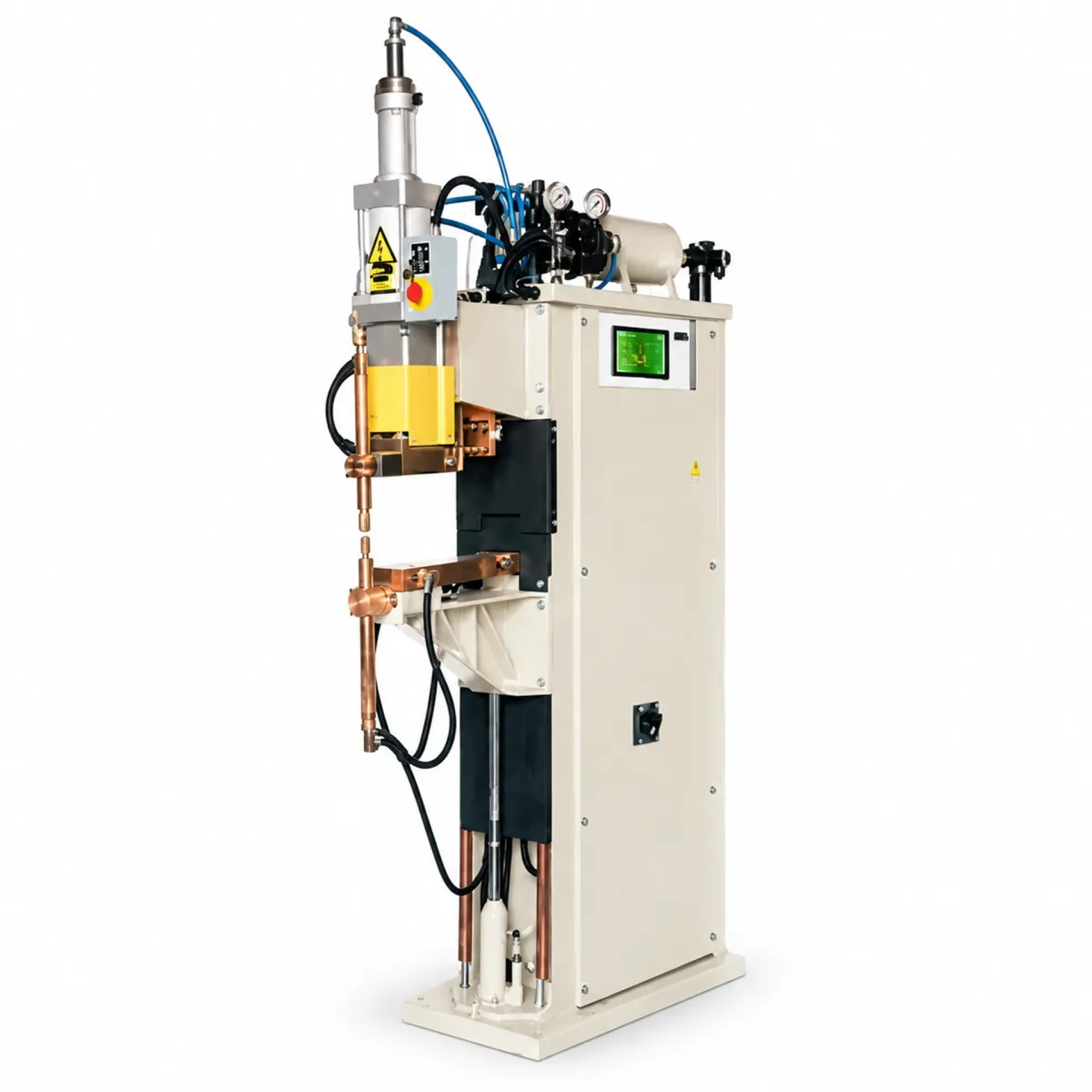
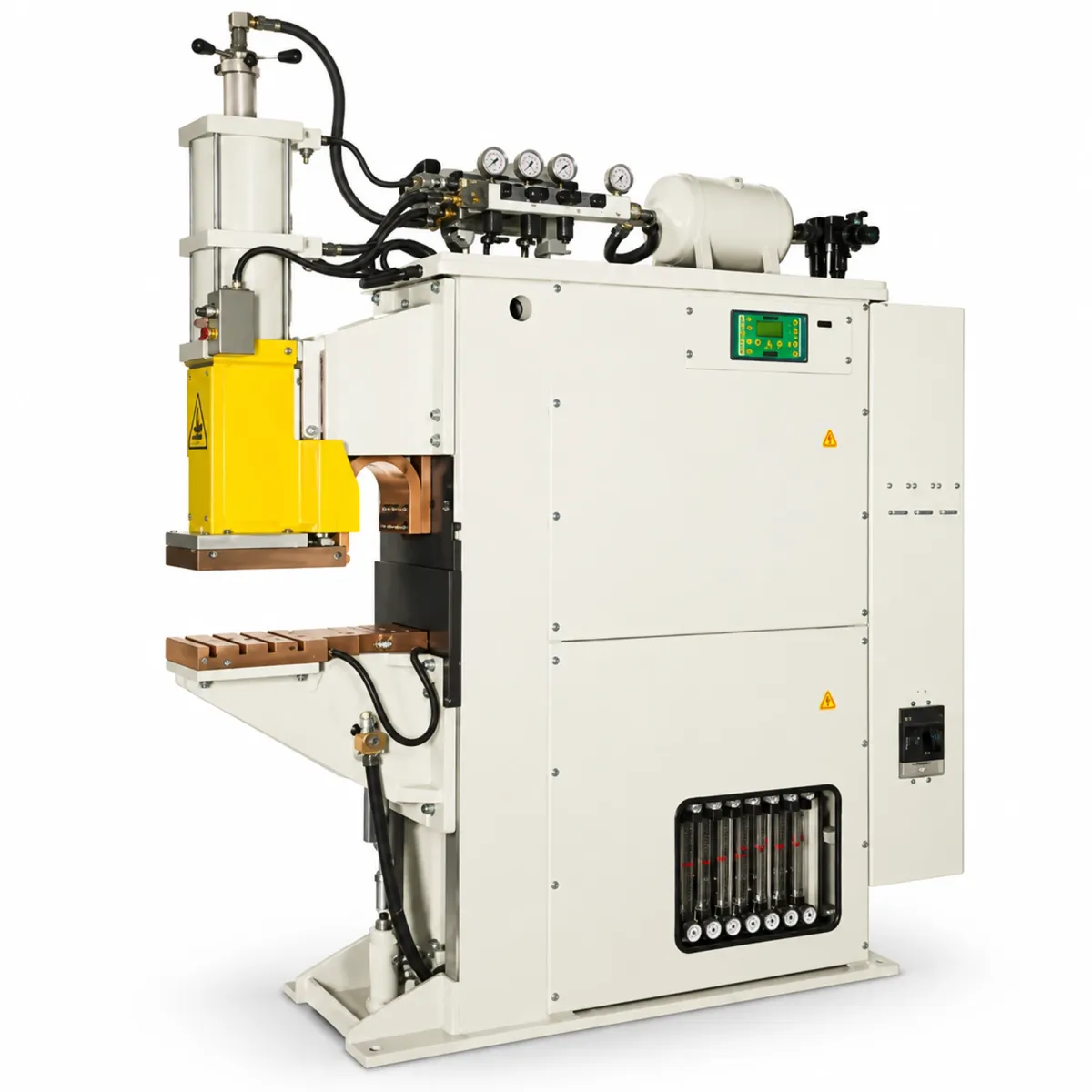
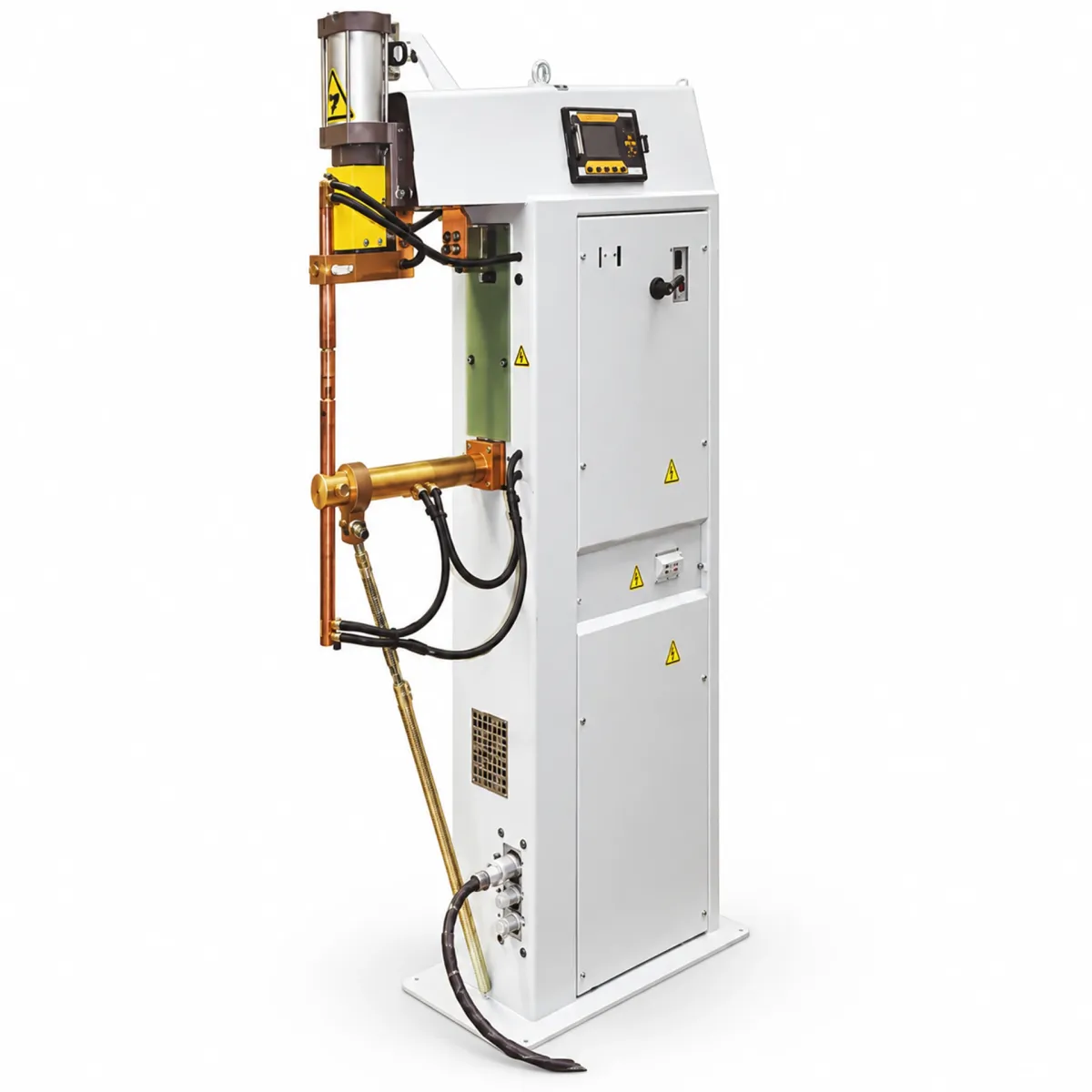
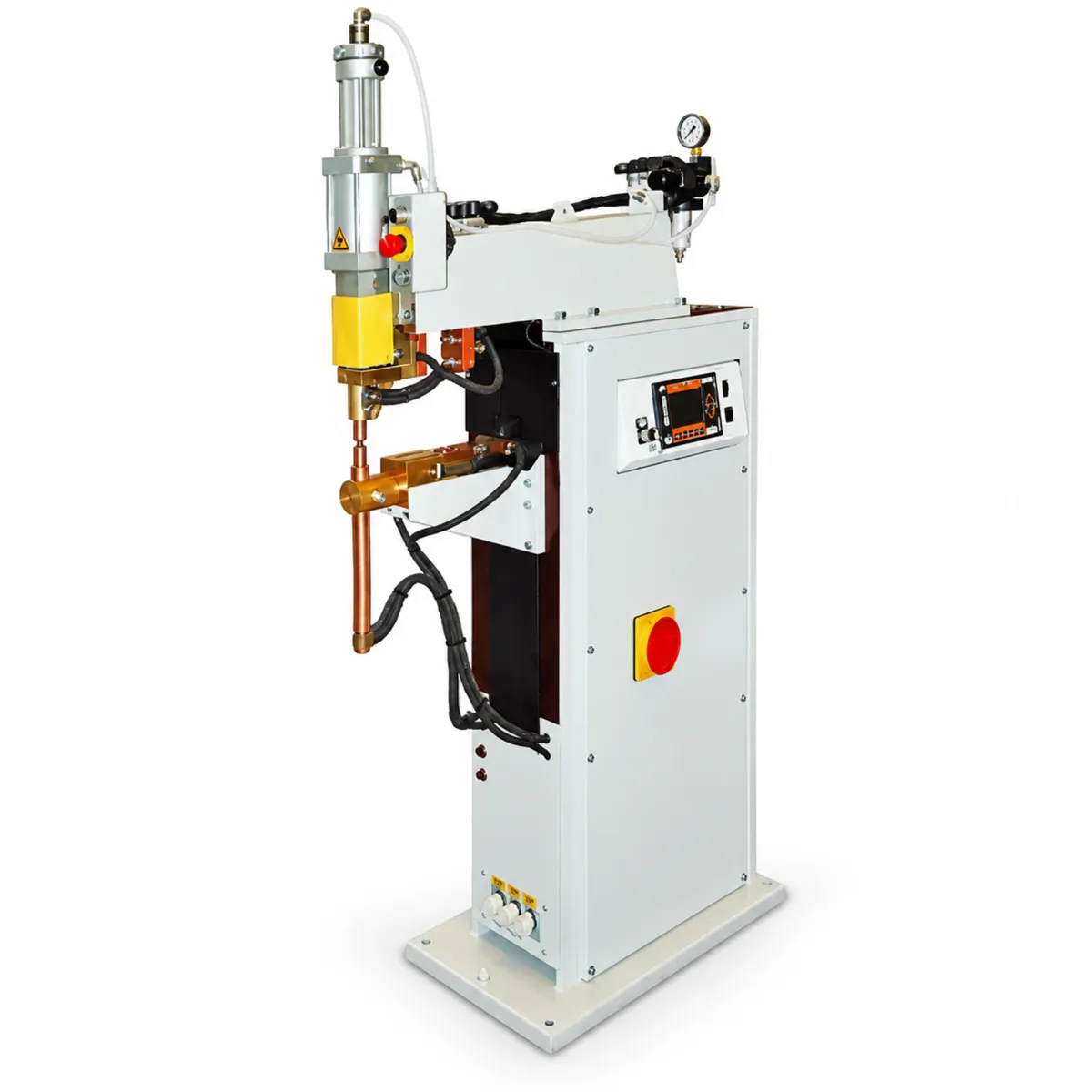
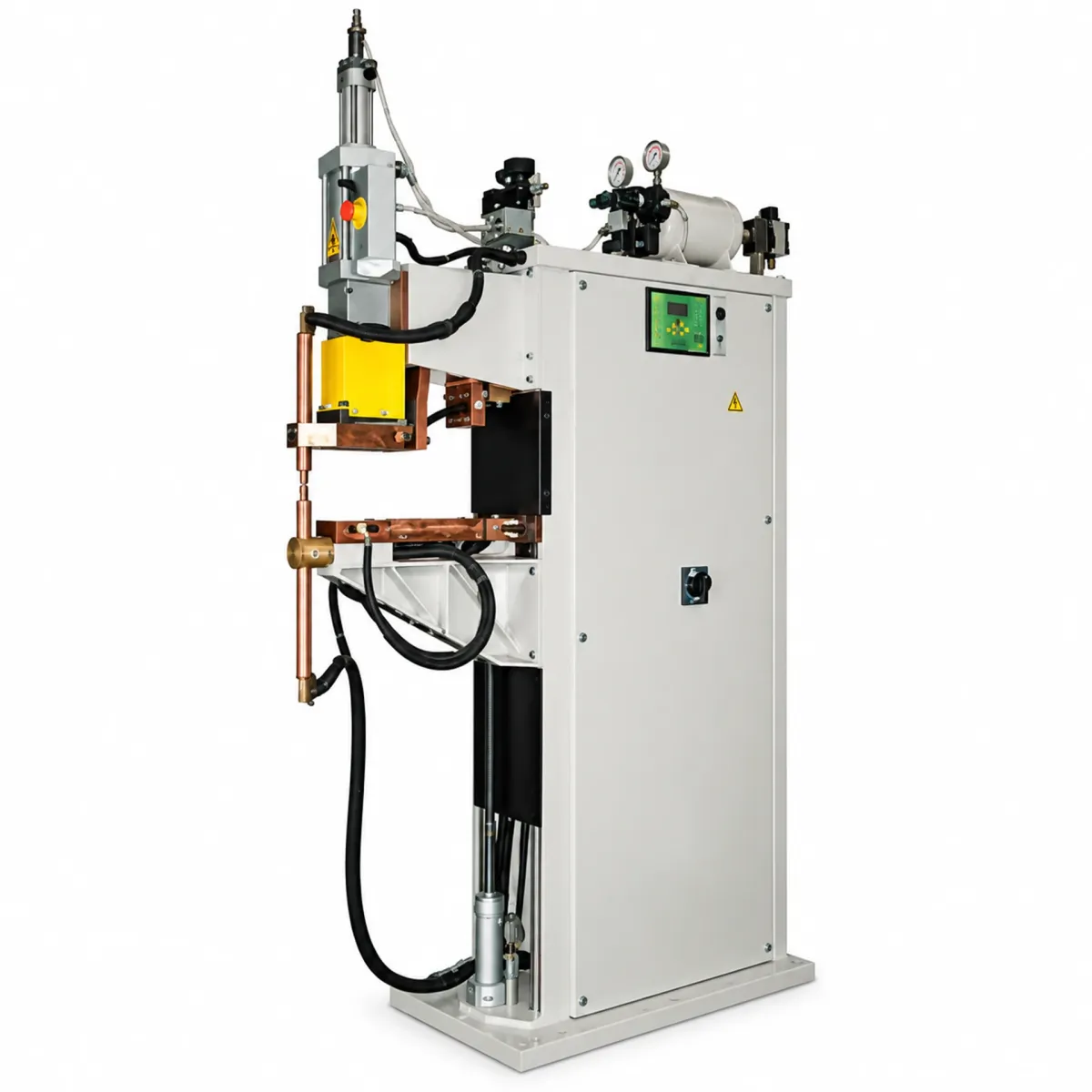
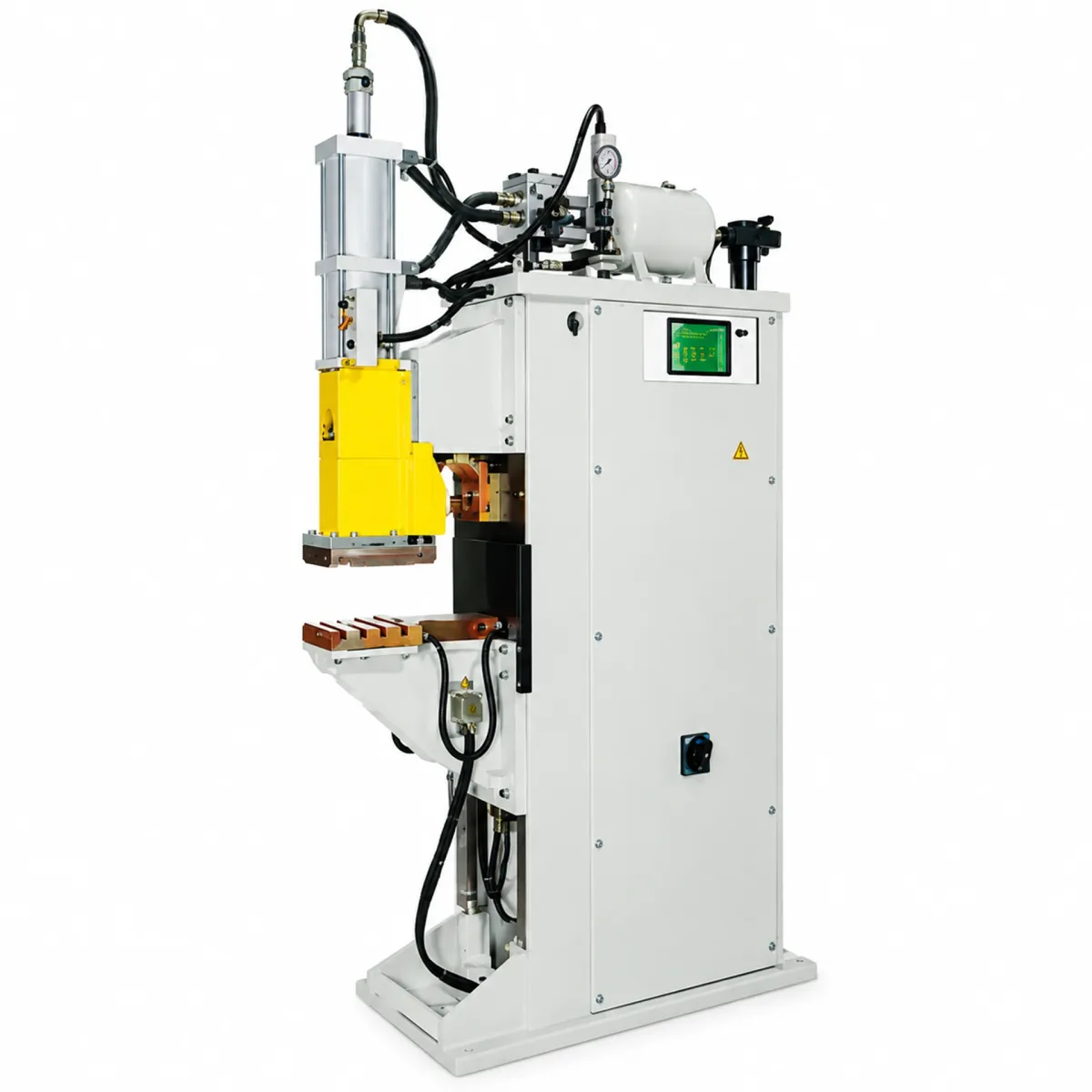
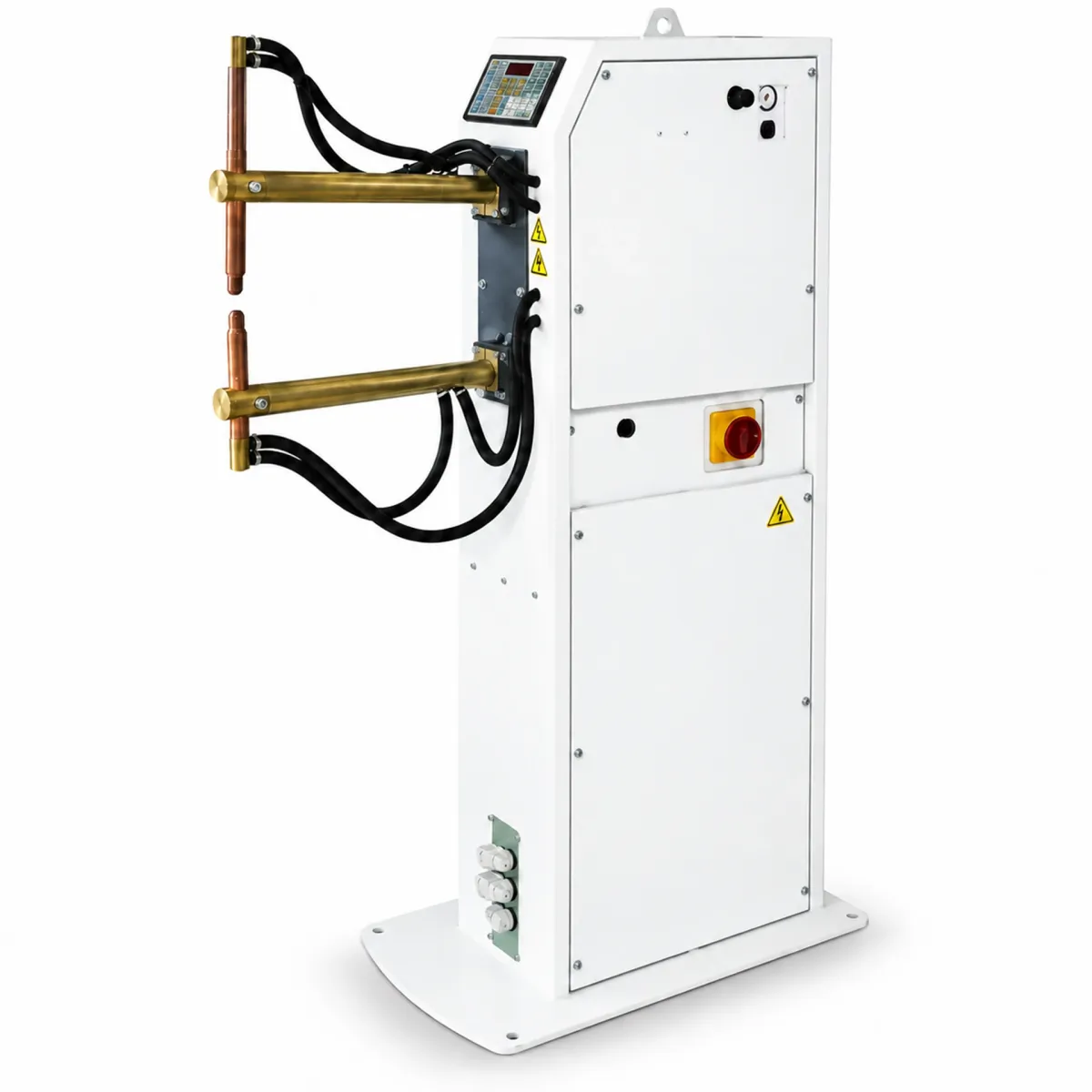
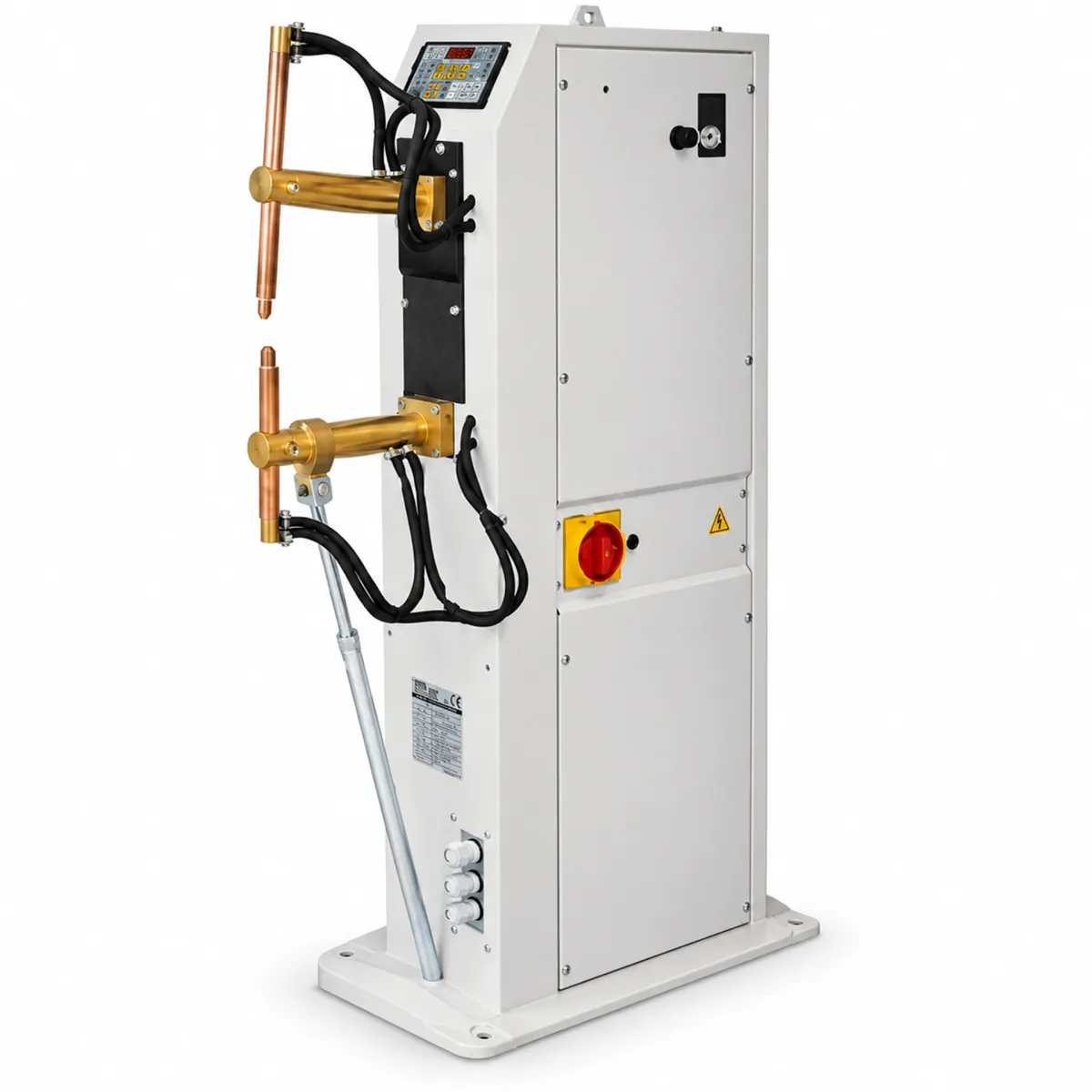
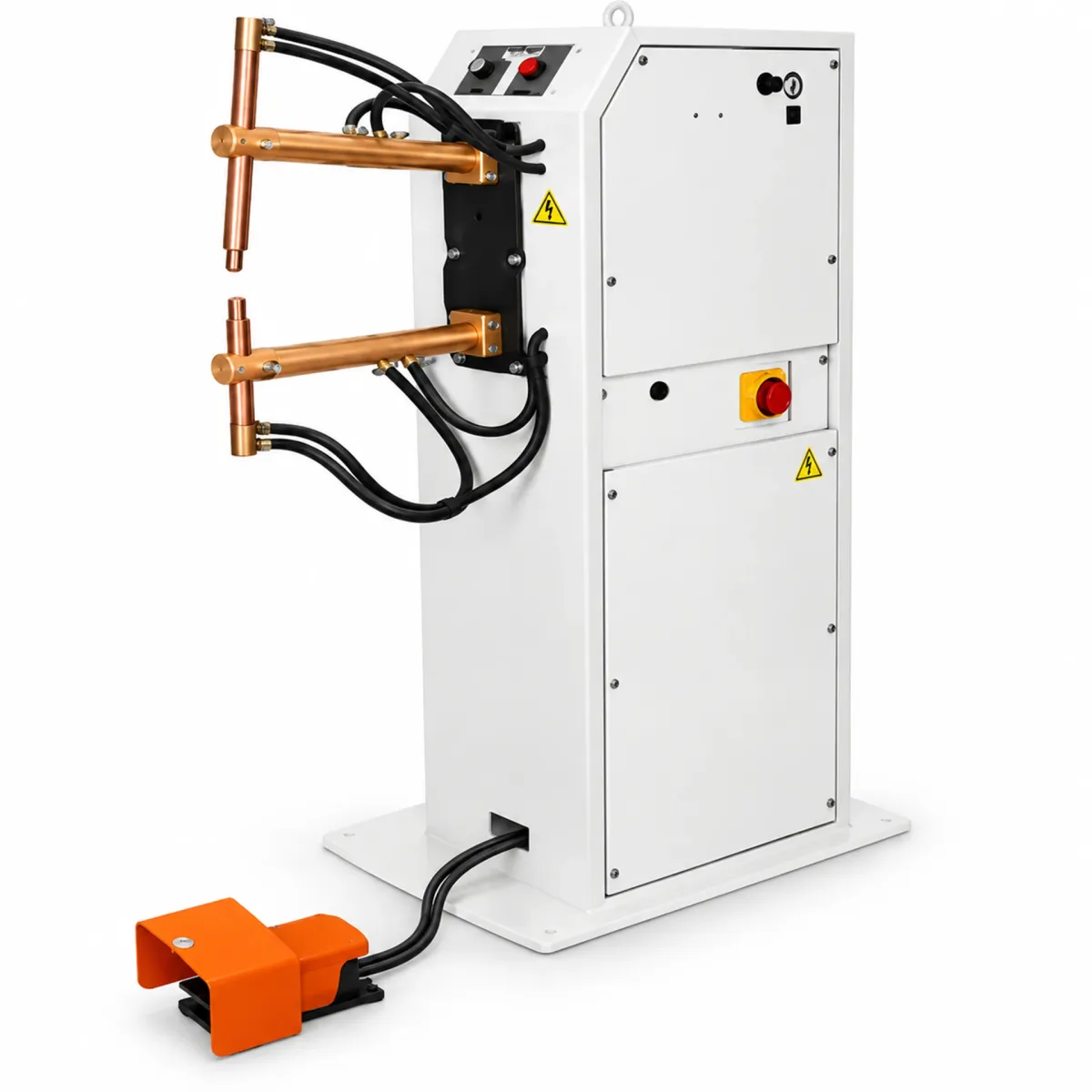
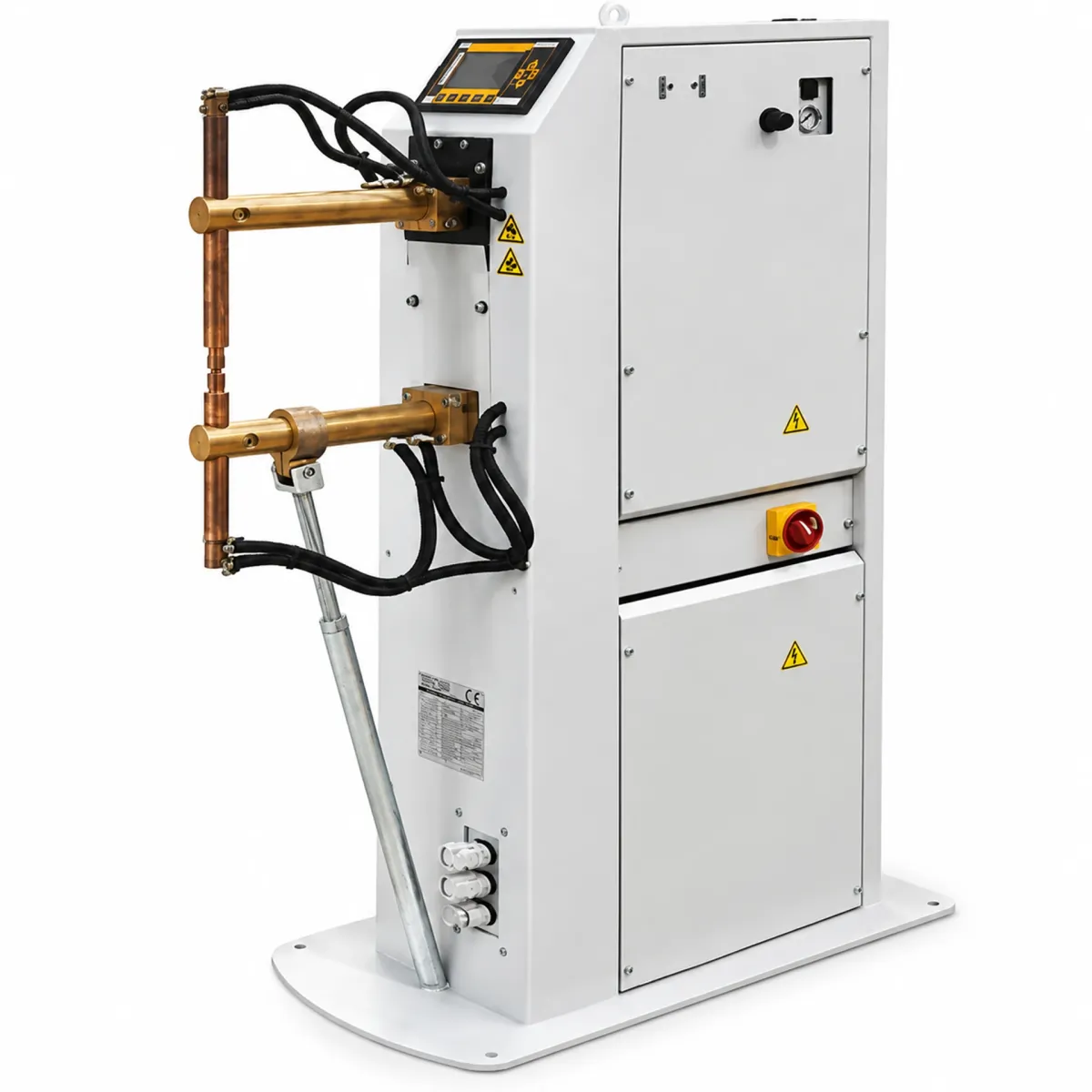
TECNA portable, suspended, pedestal and bench resistance welders for spot and projection welding, with dedicated controls and welding components
A.T.S. supplies TECNA resistance welding machines for industrial spot and projection welding, covering sheet metal fabrication, metal component assembly and manufacturing applications. The range includes portable and suspended spot welding guns, pedestal machines with linear or rocker-arm electrode movement, bench welders and modular welding units.
Welding transformers, electronic controllers, measuring instruments and welding cylinders are also available for machine configuration, maintenance and process monitoring.
Resistance welding produces heat by passing electrical current through the components being joined. In spot welding, the workpieces are held between electrodes while current passes through the joint. The resistance of the material and its contact interfaces generates localised heating, producing a weld nugget under suitable conditions.
Welding current, weld time and electrode force must be considered together. The correct balance depends on material properties, sheet thickness, electrode geometry and joint requirements.
Spot welding and projection welding applications
Resistance spot welding is commonly used to join overlapping metal sheets. The electrodes provide the electrical contact and clamping force needed to form the weld at the intended location.
Projection welding uses specially formed projections or contact features to concentrate current and force at selected points. It is widely used for welding nuts and other suitable fasteners onto sheet metal, as well as joining purpose-designed components.
Although both processes use electrical resistance heating, electrode design, tooling and welding parameters differ. A machine suitable for one joint cannot automatically be assumed suitable for another.
Portable, suspended and stationary welding machines
Portable TECNA spot welders are available in hand-operated and pneumatic versions. They allow operators to bring the welding equipment to the component, making them useful for maintenance, vehicle body repair and selected fabrication operations.
Suspended spot welding guns can be supported by balancing equipment, allowing the operator to move the gun between welding positions on larger assemblies. Electrode arm geometry and accessibility are important when choosing these systems.
For stationary workstations, linear action spot and projection welders use guided electrode movement. Rocker-arm machines follow a different electrode path and may suit alternative part geometries.
Bench and pedestal configurations are selected according to workpiece size, available reach and the required electrode force.
AC, three-phase and medium-frequency inverter systems
TECNA machines include single-phase, three-phase and medium-frequency inverter configurations, depending on the product series.
Medium-frequency inverter resistance welding uses electronically controlled power conversion, usually followed by rectification at the welding transformer output, to supply the welding circuit. This arrangement can provide advantages for current regulation and certain production requirements.
However, the power supply technology alone does not determine weld quality. Electrical performance must be assessed together with electrode force, contact conditions, cooling and the intended welding cycle.
Electronic welding controllers allow the relevant machine parameters to be configured. Depending on the equipment, measuring instruments can be used to verify current, force and other process characteristics.
Modular welding units and machine components
Modular TECNA welding units are intended for integration into dedicated welding installations, including double-spot, rocker-arm and linear-action arrangements.
The wider category also includes welding transformers, control units, actuating cylinders and measurement equipment. These components support machine construction, servicing and the assessment of operating conditions.
Electrode wear, insufficient cooling or changes in mechanical force can alter weld formation even when programmed settings remain unchanged.
Selecting resistance welding equipment
The appropriate machine depends on workpiece material, thickness, joint geometry, accessibility, production rate and the required welding current and electrode force.
A.T.S. supplies TECNA resistance welders and provides technical advice, maintenance and assistance for the equipment and its associated components. Reviewing the complete welding arrangement helps manufacturers identify unsuitable machine configurations, reduce avoidable welding defects and maintain consistent production conditions.
Resistance welding is a welding process that uses the heat generated by the electrical resistance of the material to be welded to create a permanent joint.
Resistance welding is used in various industries to join:
-
Metal components: tubes, sheets, profiles.
-
Steel parts: automotive, household appliances, metal carpentry.
-
Electrical wires: cables, printed circuit boards.
-
Efficiency: fast and automated process.
-
Accuracy: precise and repeatable welds.
-
Quality: strong and durable joints.
-
Versatility: applicable to different types of metals and geometries.
-
Safety: safe process with minimal fume emissions.
-
Workpiece positioning: the workpieces to be welded are positioned between two copper alloy electrodes.
-
Generation of current: an electric current is applied to the welding electrodes.
-
Welding: the resistance of the material generates heat which melts the workpieces.
-
Cooling: the welded parts are cooled to ensure their strength.
The right solution for your application, with the support of our experts
Our experts will help you find the right product for your needs, with no obligation. Tell us what you need: together we will find the most suitable solution.
Contact us, no obligation