




Solutions for Shipbuilding and Marine Outfitting
Fastening and welding technologies for panels, modules, structures and technical equipment installed onboard.
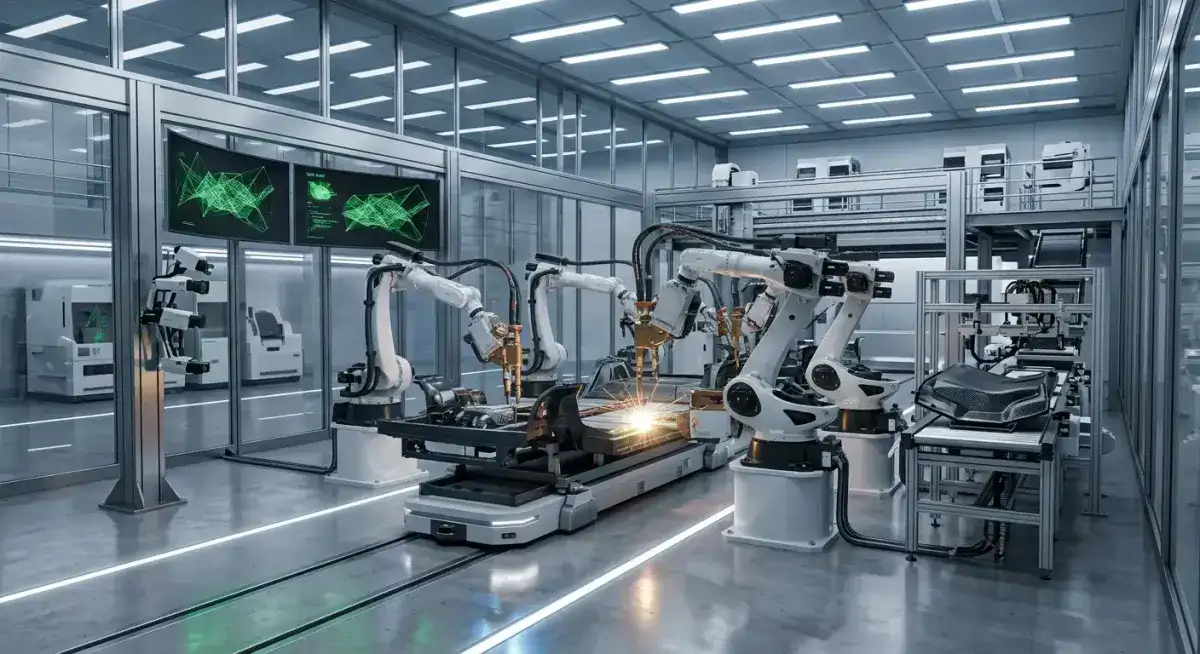
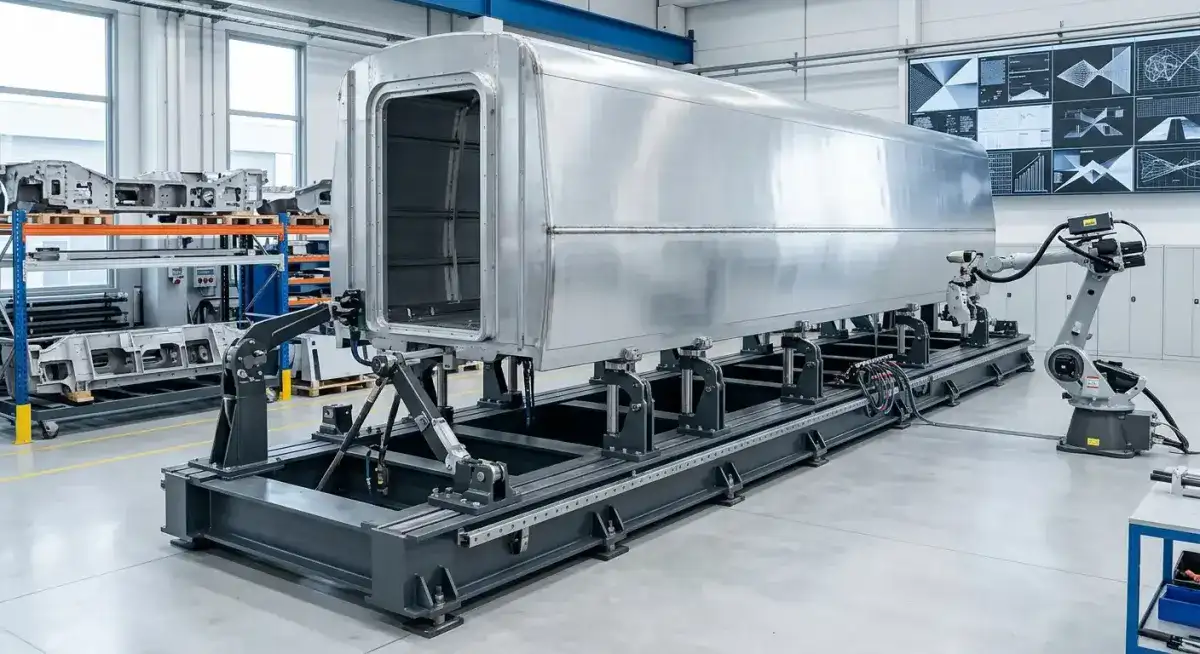
Shipbuilding combines workshop fabrication, modular construction, subassembly and final onboard outfitting.
Metal structures, panels, interior systems, brackets and technical equipment all require joining methods suited to their material, location and installation sequence.
A.T.S. supplies rivet nuts, self-clinching fasteners, blind rivets, stud welding systems, weldable elements and related installation equipment.
In marine applications, material compatibility, corrosion exposure, accessibility, vibration and future maintenance also influence the fastening strategy.

Which fastening technologies are used in shipbuilding?
Shipbuilding may use rivet nuts, blind rivets, self-clinching fasteners and welded studs for structural and interior panels, equipment mounting and modular outfitting. Selection depends on material, access, serviceability and operating environment.
Fastening Interior Panels and Onboard Equipment
A large part of ship outfitting takes place after the main structure has been completed.
Interior panels, covers, equipment supports, technical cabinets and auxiliary systems need fixing points that remain reliable and accessible.
Rivet nuts provide strong threads in thin materials and can be installed from one side.
Blind rivets provide permanent mechanical joints where rear-side access is limited.
These technologies are widely used in shipbuilding applications including structural and interior panels, equipment mounting and modular assemblies.
Self-Clinching Fasteners for Workshop-Built Components
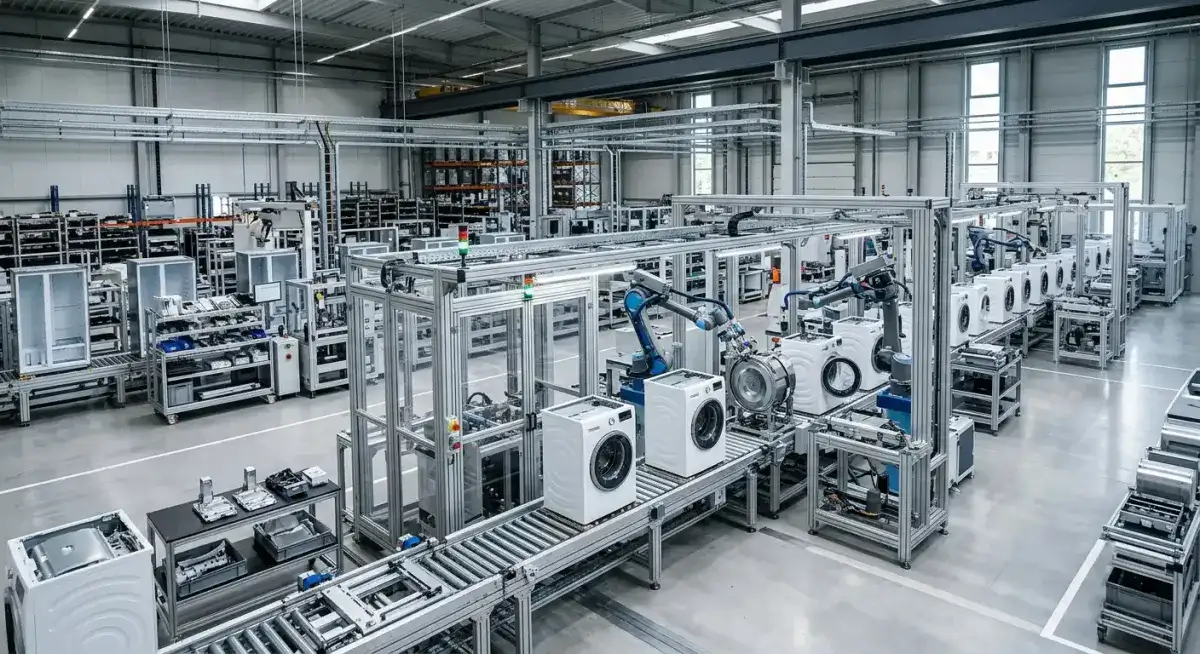
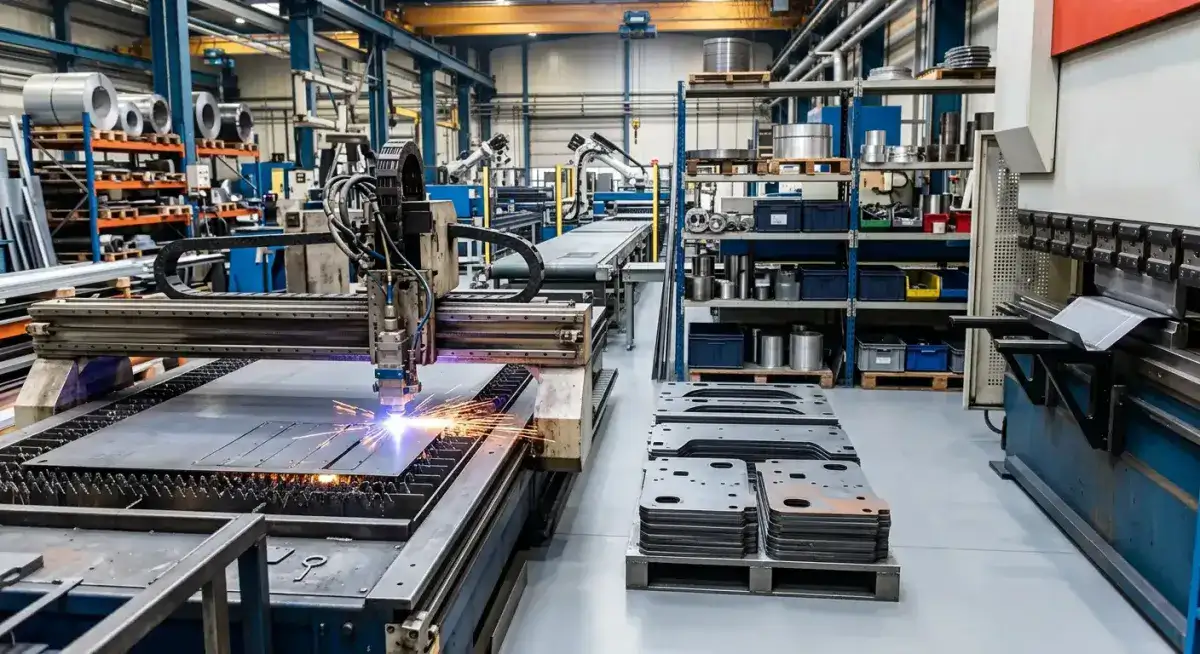
Many components are prepared in controlled workshop conditions before they are taken onboard.
Self-clinching nuts, studs and standoffs can be integrated into sheet-metal panels and enclosures by controlled pressing.
Because no welding heat is required, the process can preserve component geometry and surface condition.
This makes self-clinching technology useful for prefabricated modules, cabinets and technical panels assembled before installation.
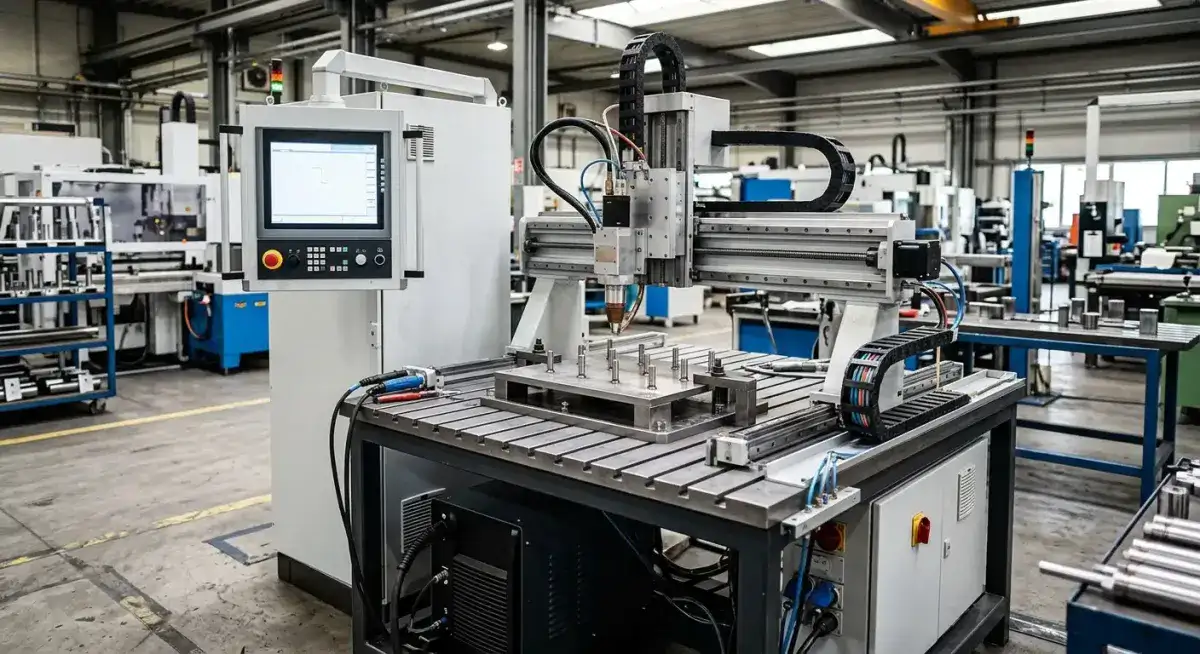
Stud Welding for Supports and Technical Installations
Ship structures frequently require studs or threaded attachment points for brackets and onboard systems.
Stud welding allows these elements to be attached directly to the metallic surface.
Capacitor-discharge stud welding provides a fast cycle with limited heat input for suitable thin-sheet applications.
Other stud welding processes can be selected for different materials, thicknesses and mechanical requirements.
One-Sided Installation in Restricted Spaces
Accessibility is one of the key challenges during outfitting.
Once panels, insulation and onboard systems are installed, rear-side access may no longer be possible.
Rivet nuts and blind rivets can be installed from one accessible side, making them suitable for closed sections, panels and partially assembled modules.
This makes assembly sequence an important part of fastening selection.
Designing for Inspection and Maintenance
Marine equipment must remain serviceable throughout its operating life.
Panels, technical systems and auxiliary components may need periodic removal.
Reusable threaded fixing points are suitable where access and maintenance are required, while permanent riveted or welded joints can be used where components are not intended to be removed.
Fastening therefore affects both manufacturing and long-term serviceability.
From Workshop Fabrication to Onboard Installation
Fastening conditions differ significantly between workshop production and final outfitting.
Presses and dedicated tooling can support repeatable installation in controlled production environments.
Onboard assembly instead places greater emphasis on compact tooling, accessibility and flexibility.
A.T.S. evaluates the fastener together with the installation equipment and the stage of construction in which it will be used.
The right solution for your application, with the support of our experts
Our experts will help you find the right product for your needs, with no obligation. Tell us what you need: together we will find the most suitable solution.
Contact us, no obligation