





Threaded inserts for sheet metal
7 products available
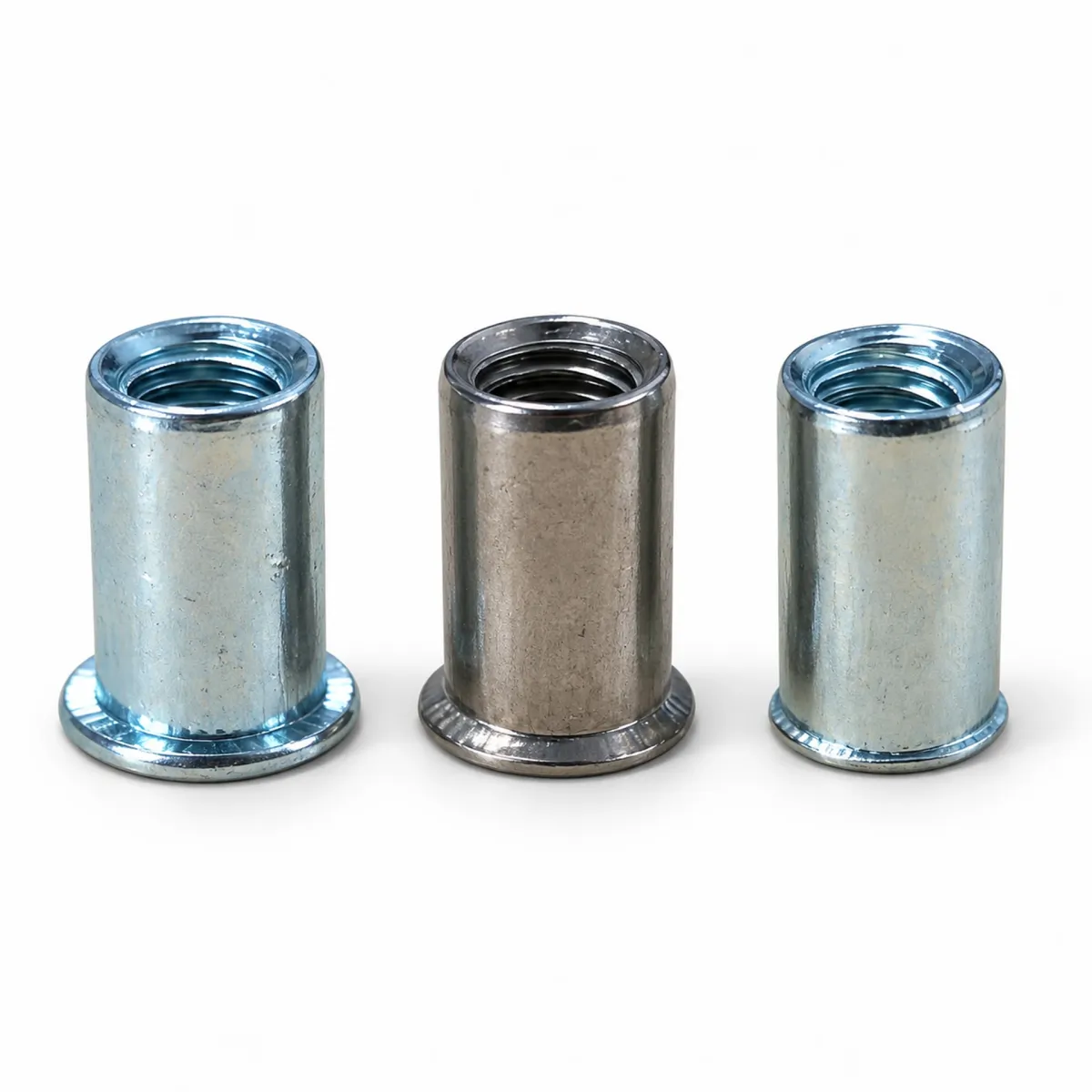
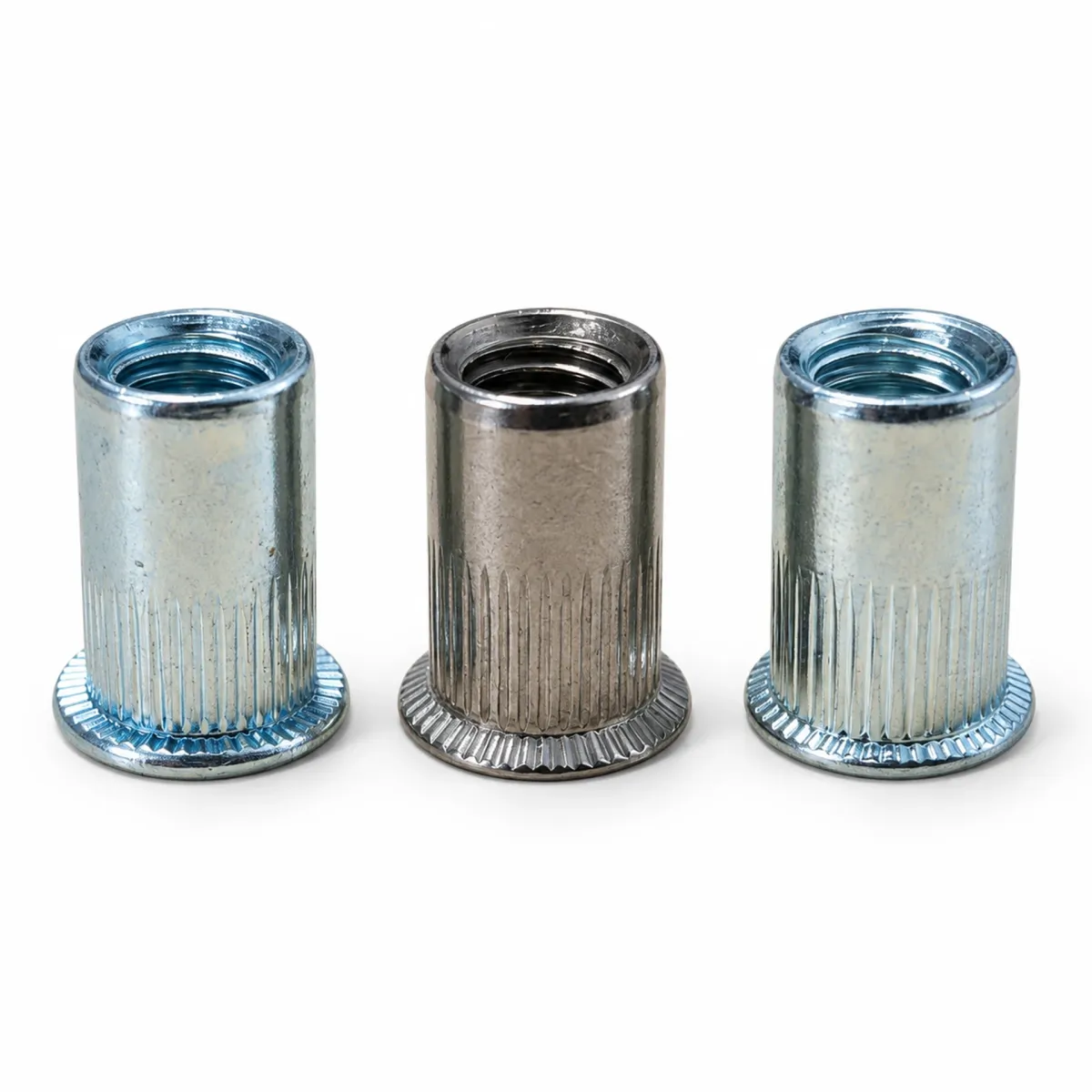
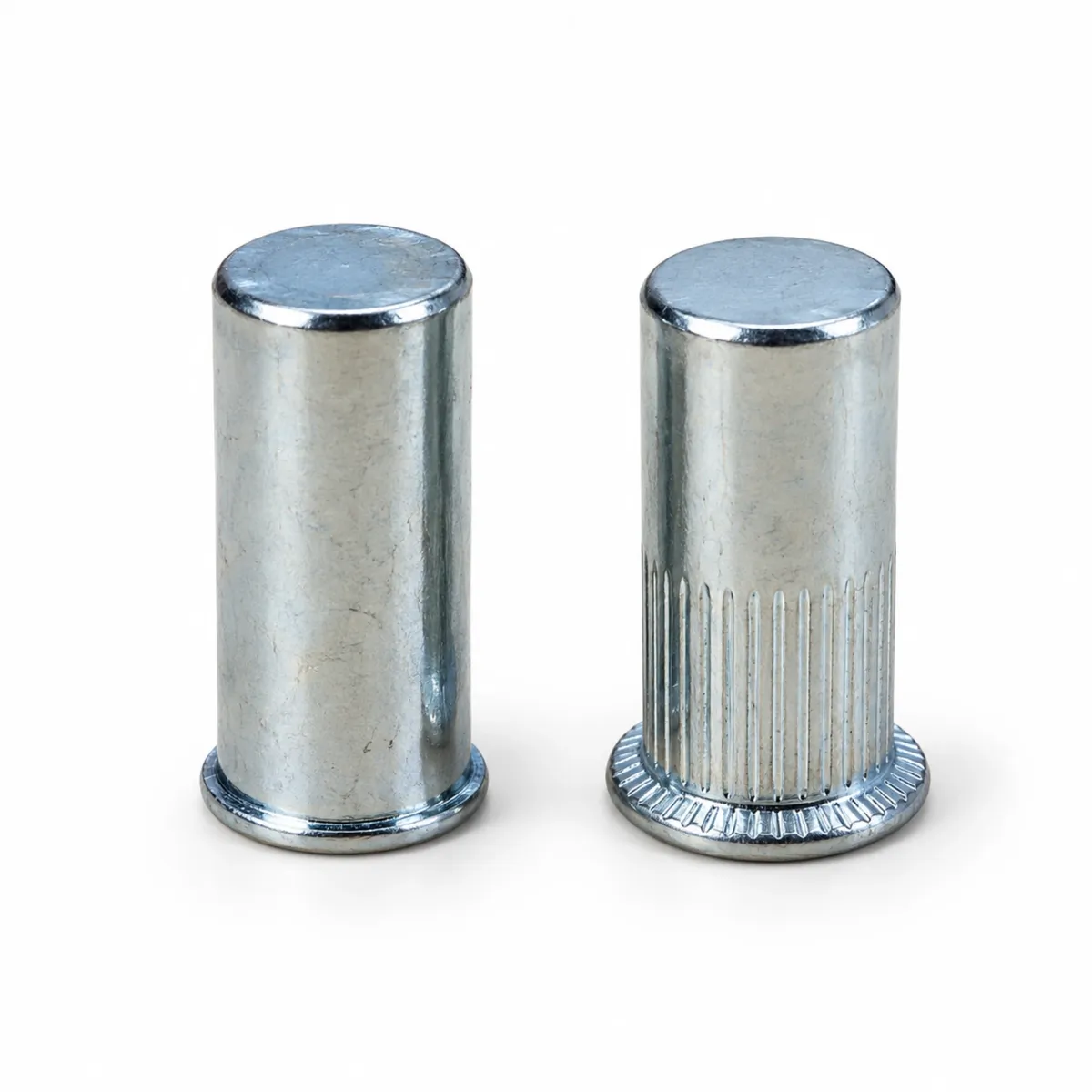
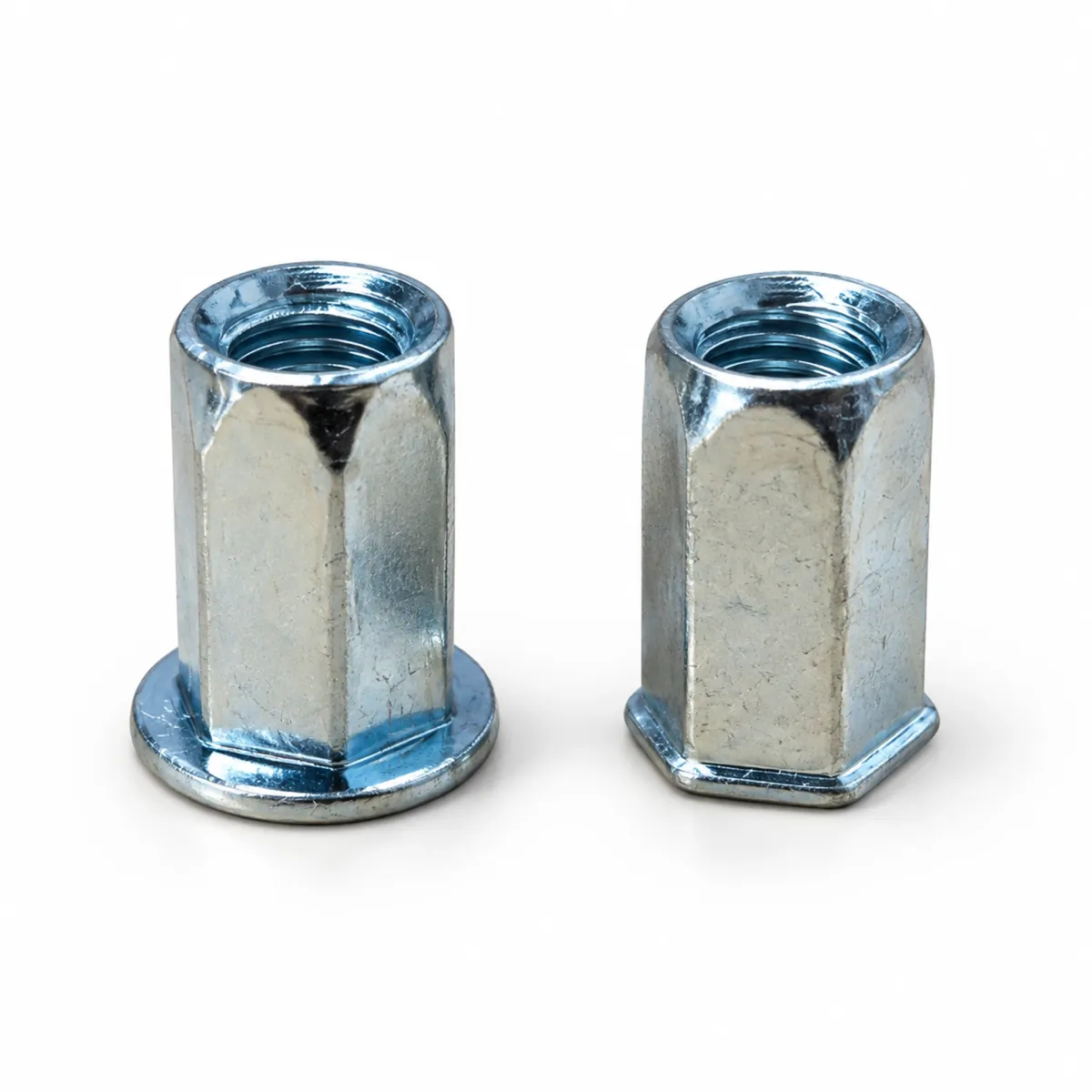
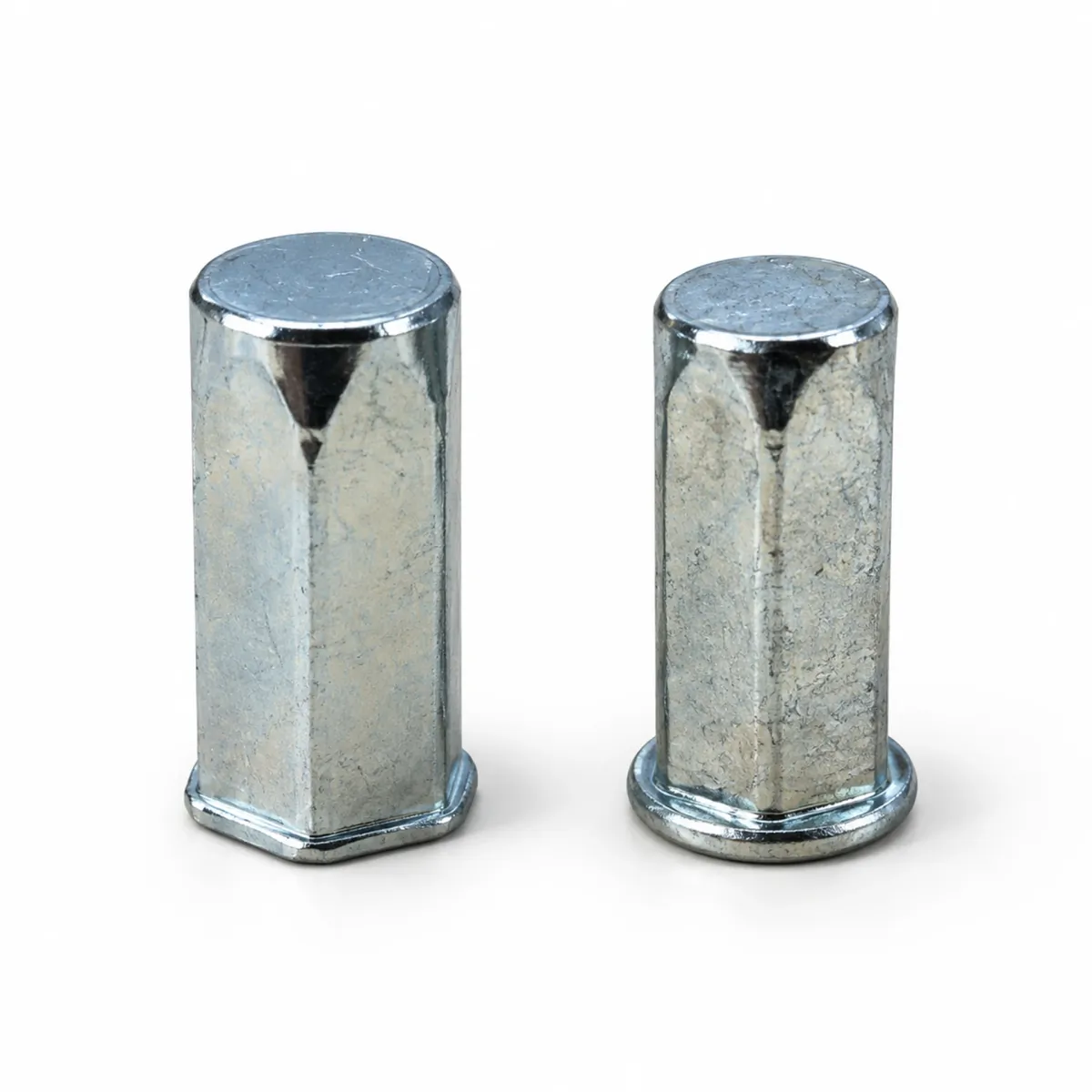
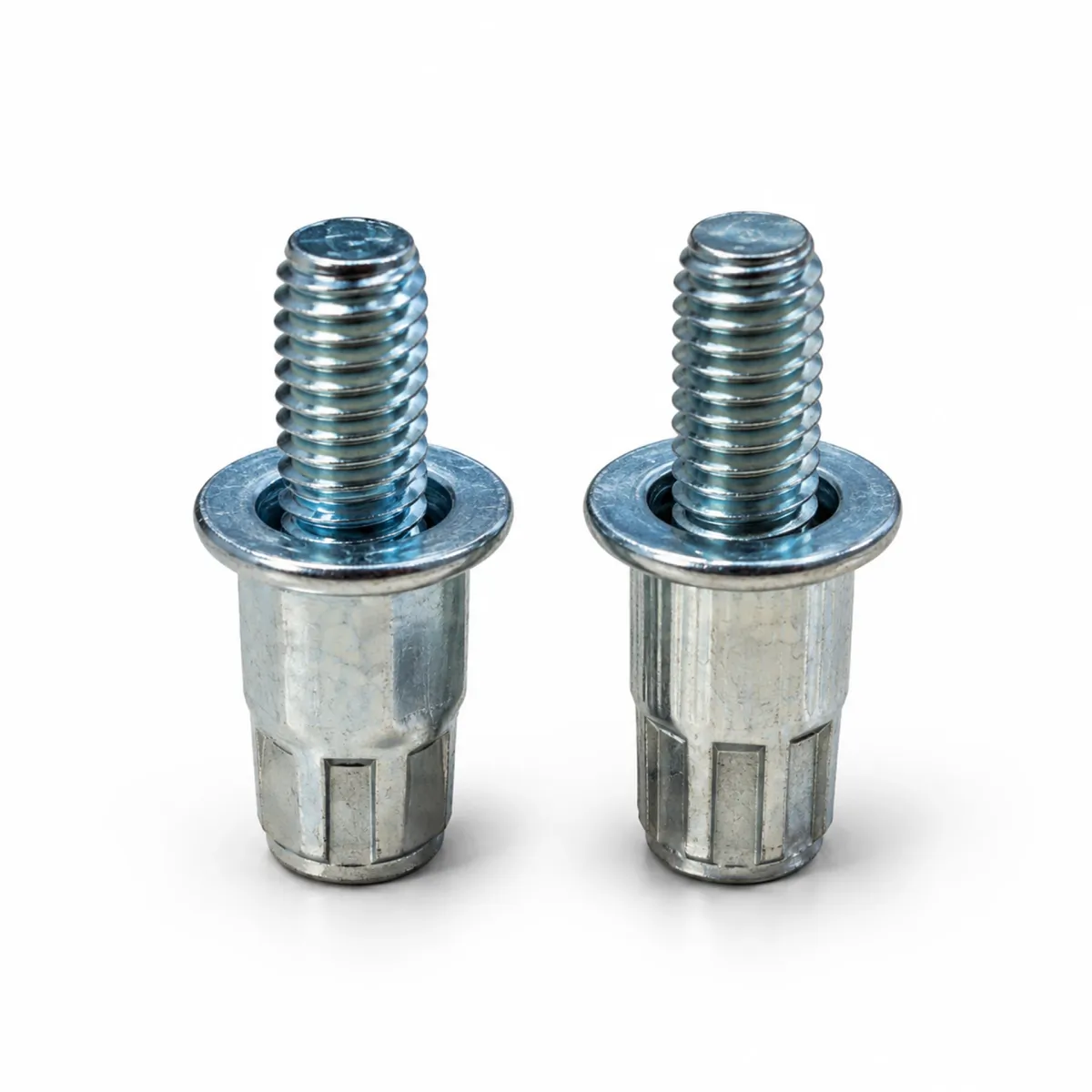
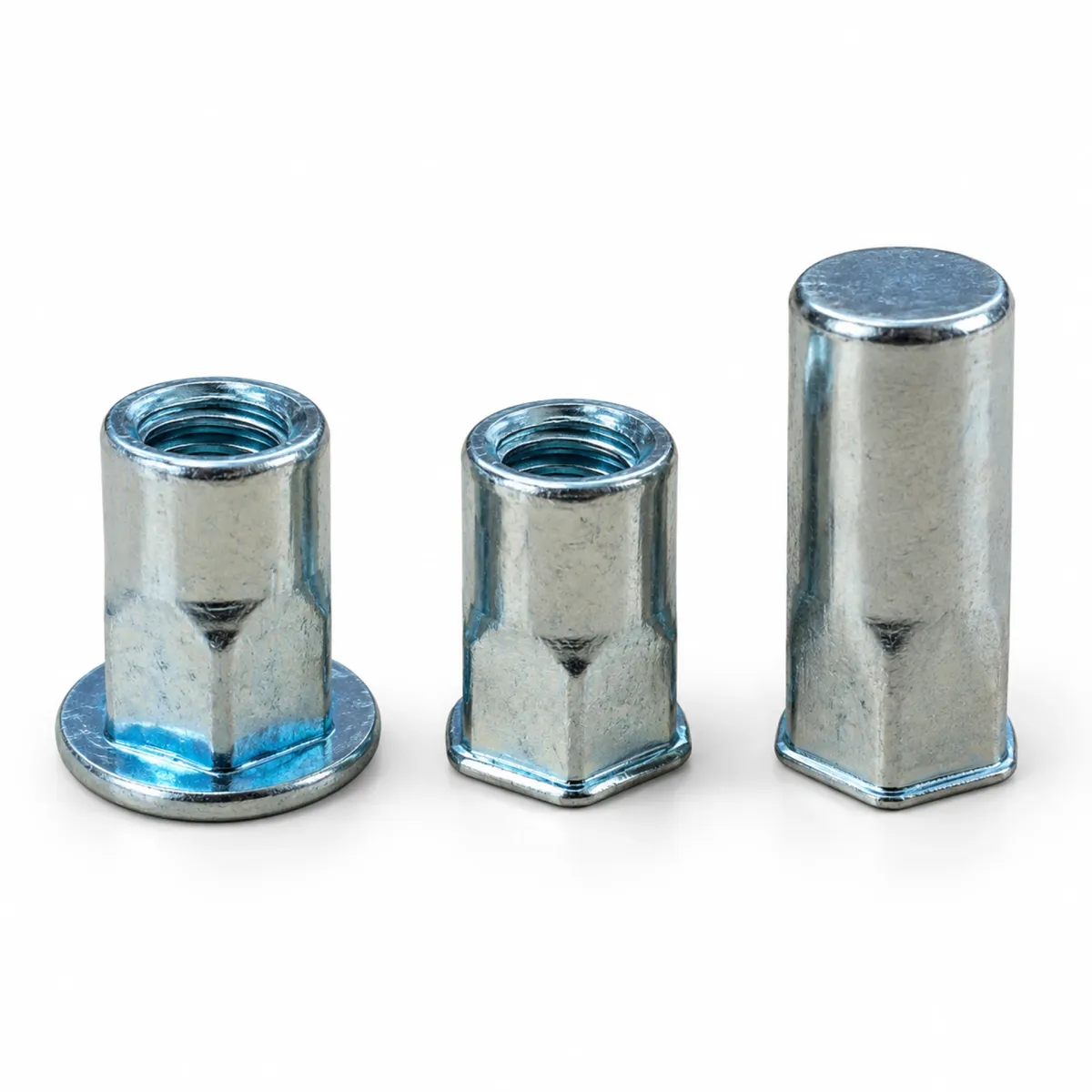
Smooth, knurled, hexagonal and semi-hexagonal rivet nuts for threaded fixings in thin sheet metal, available in different thread sizes and materials.
When a reliable threaded connection is required on thin sheet metal components, traditional tapping operations are not always possible or suitable. Threaded inserts provide an effective solution for creating strong and reusable fixing points in materials where the sheet thickness is insufficient to obtain a durable internal thread. They are widely used in industrial assemblies where reliability, ease of installation and long-term performance are essential.
A.T.S. Lamberti supplies a wide range of threaded inserts for sheet metal applications, supporting manufacturers and technical departments in selecting the most suitable solution according to material, thickness, assembly requirements and operating conditions. The range includes cylindrical threaded inserts, hexagonal threaded inserts and semi-hexagonal threaded inserts, available in different configurations to meet specific installation needs.
The external geometry of the insert plays an important role in achieving a secure fixing. Hexagonal and semi-hexagonal threaded inserts are designed to improve resistance against rotation inside the hole, while cylindrical versions offer versatility across many industrial applications. Blind versions are suitable where a closed rear surface is required or where protection from the opposite side of the sheet is necessary.
Threaded inserts are commonly used in sheet metal fabrication, automotive components, electrical equipment, industrial machinery, control panels, enclosures and general engineering applications. They allow manufacturers to introduce reliable threads into thin panels, painted sheets and finished components without requiring complex machining operations, improving assembly flexibility and reducing production constraints.
A.T.S. can supply threaded inserts from M3 to M12 in different materials, including zinc-plated steel, stainless steel 303, stainless steel 316 and aluminium, allowing customers to select the most appropriate option according to mechanical requirements, corrosion resistance and environmental conditions. The correct combination of insert design and material helps ensure a durable and consistent fastening solution.
For installation, A.T.S. also provides threaded insert installation tools designed to achieve accurate and repeatable assembly results. These solutions are particularly suitable for applications where access is limited, such as enclosed sheet metal structures, profiles and tubular components, allowing threaded connections to be created efficiently even in difficult-to-reach areas.
With experience in industrial fastening solutions, A.T.S. Lamberti supports manufacturers, engineers and purchasing teams by providing technical advice and application assistance throughout the selection process. From identifying the most suitable threaded insert for sheet metal to choosing the correct installation method, A.T.S. helps customers improve assembly reliability and production efficiency.
The choice depends on sheet thickness, hole preparation and the required resistance to rotation. Smooth body rivet nuts fit round holes, while knurled versions have a textured shank that improves grip against the surrounding material. Hexagonal rivet nuts require a matching hexagonal hole, providing mechanical resistance to turning during tightening and removal. Closed-end versions are also available where fluid must be prevented from passing directly through the insert. However, a closed end does not automatically make the joint watertight. Material, grip range and installation conditions should all be checked before selecting a fixing.
Blind rivet nuts can be installed in thin sheet metal, provided the material thickness falls within the grip range specified for the selected fastener. There is no single minimum thickness suitable for every rivet nut. The correct choice depends on the body design, thread size, sheet material and expected loads. During setting, the tool deforms the designated section of the rivet nut behind the sheet, securing it in position. The specified grip range, hole dimensions and setting requirements should always be checked against the product datasheet.
Blind rivet nuts are installed using a suitable pneumatic, hydropneumatic or battery-powered rivet nut setting tool, without welding a nut to the sheet. Once the correctly sized hole has been prepared, the rivet nut is inserted and the tool applies a pulling force through its internal thread. This deforms the designated section of the body behind the sheet, securing the fastener and leaving a threaded fixing point ready for screw assembly. Installation requires access from one side only. The hole dimensions, grip range and tool settings must match the specification of the selected rivet nut.
The right solution for your application, with the support of our experts
Our experts will help you find the right product for your needs, with no obligation. Tell us what you need: together we will find the most suitable solution.
Contact us, no obligation