




Solutions for Industrial Automation
Welding, fastening and assembly technologies for automated machinery, production equipment and industrial manufacturing systems.
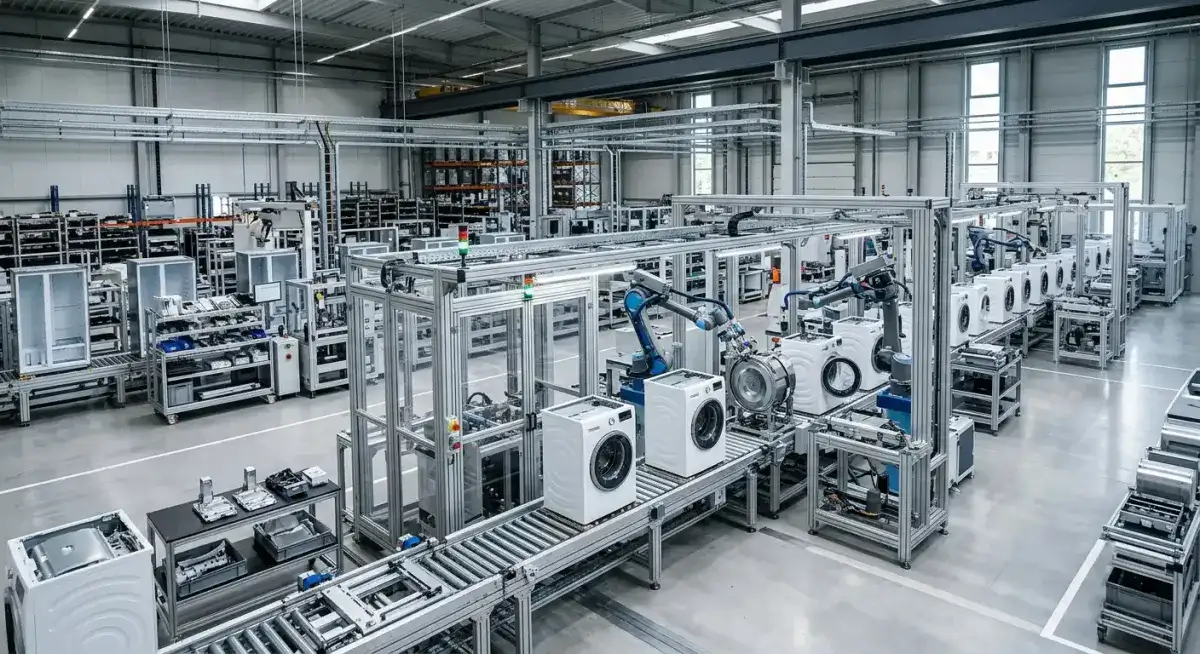
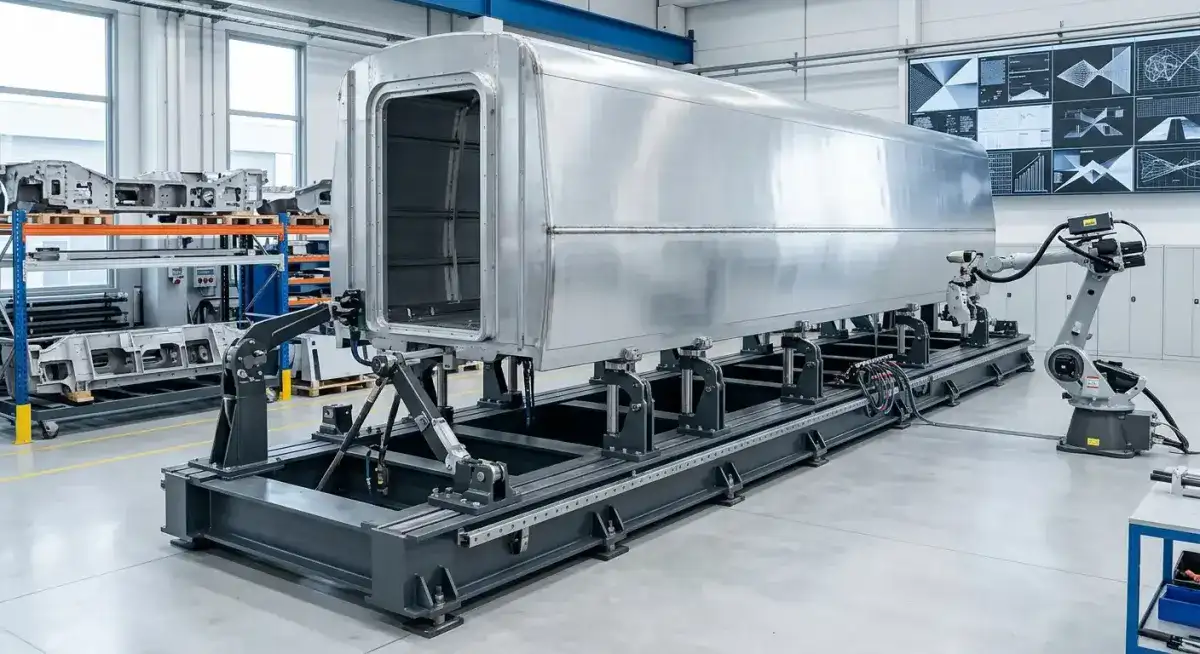
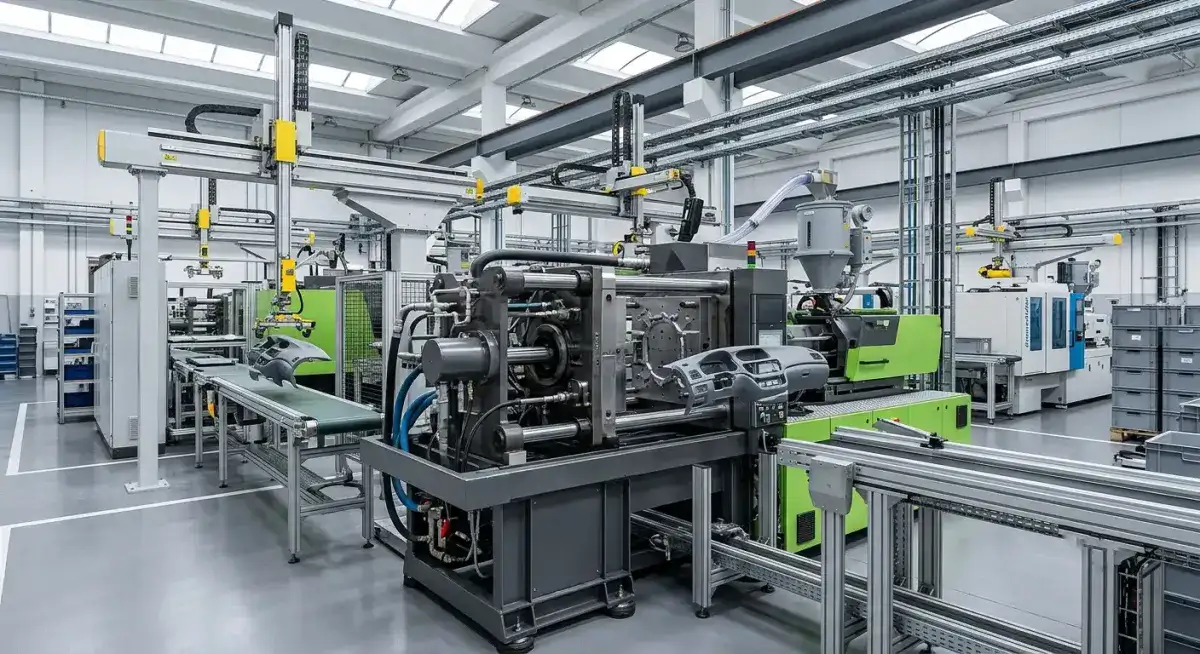
Industrial automation brings mechanical structures, robots, handling equipment, sensors and control systems together within increasingly integrated production environments.
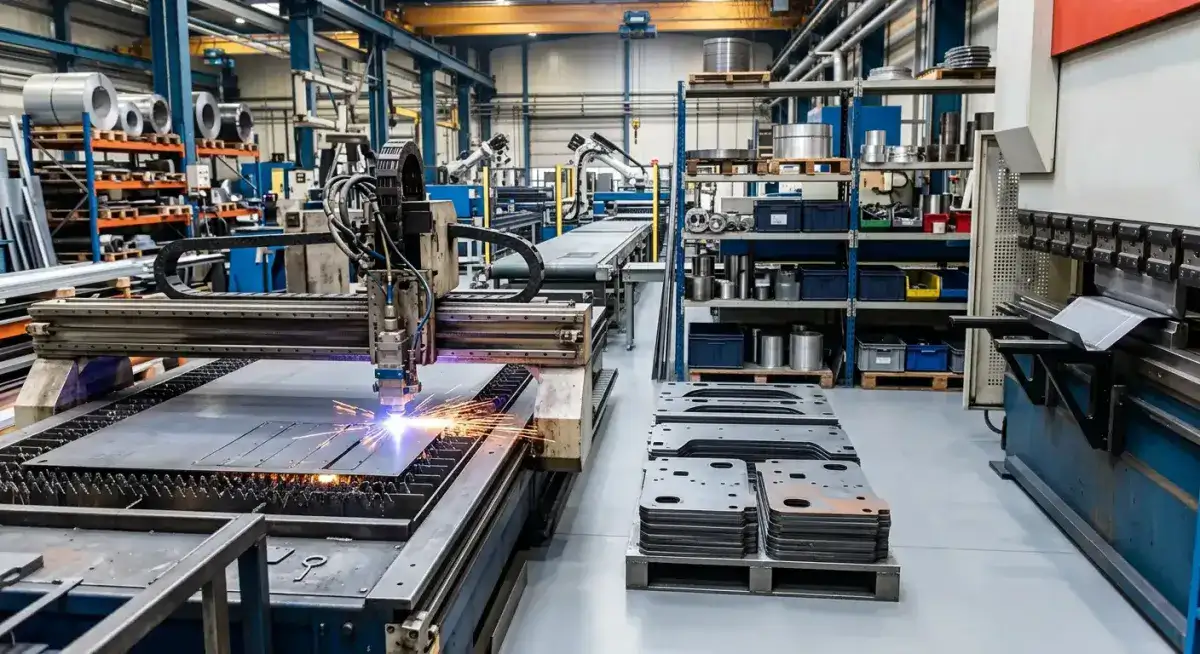
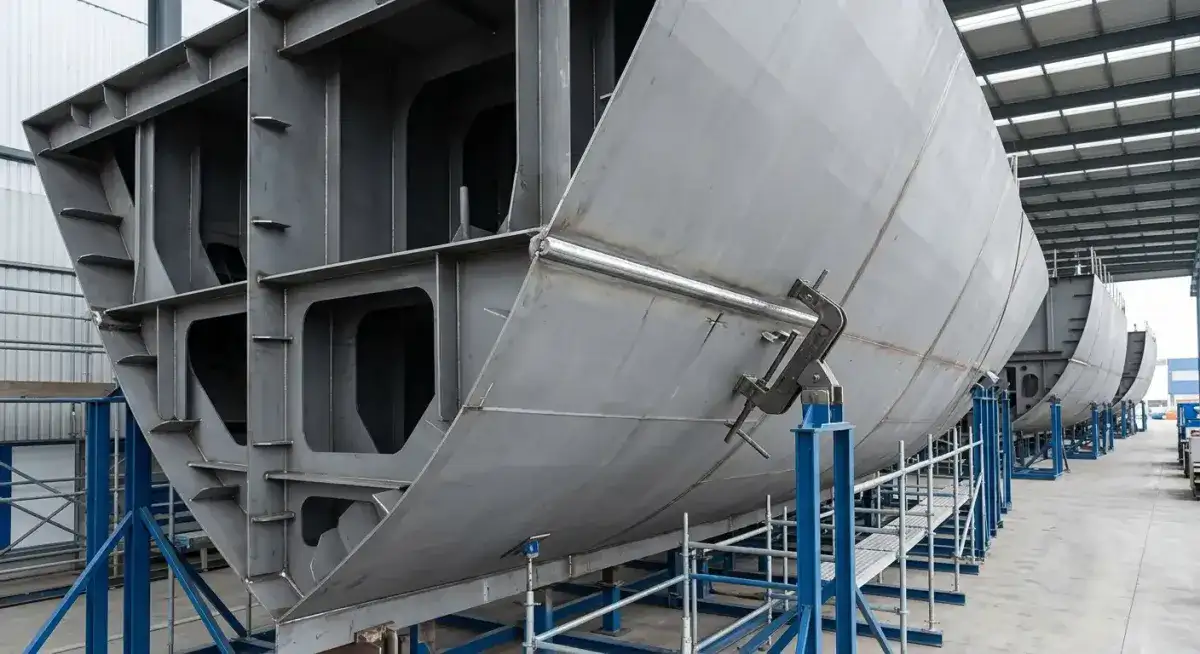
Behind the automation itself, however, every machine still requires physical joining and assembly operations. Sheet-metal parts must be welded or fastened, panels and guards need fixing points, studs may need to be attached to metal surfaces and tools have to be managed efficiently throughout repetitive production cycles.
A.T.S. supplies technologies for these operations, including resistance welding equipment, fastening systems, welding electrodes and components, stud welding solutions, installation tooling, automated welding systems and tool balancers.
The appropriate technology depends on the component, material, joint design, production volume, accessibility and required level of process automation.
Which joining technologies are used in automated machinery?
Depending on the application, machine builders may use resistance spot welding, stud welding, rivet nuts, self-clinching fasteners, blind rivets, manual or automated installation equipment and tool-balancing systems. The most suitable solution depends on material, thickness, joint requirements, access and production volume.
Resistance Welding for Automated Production
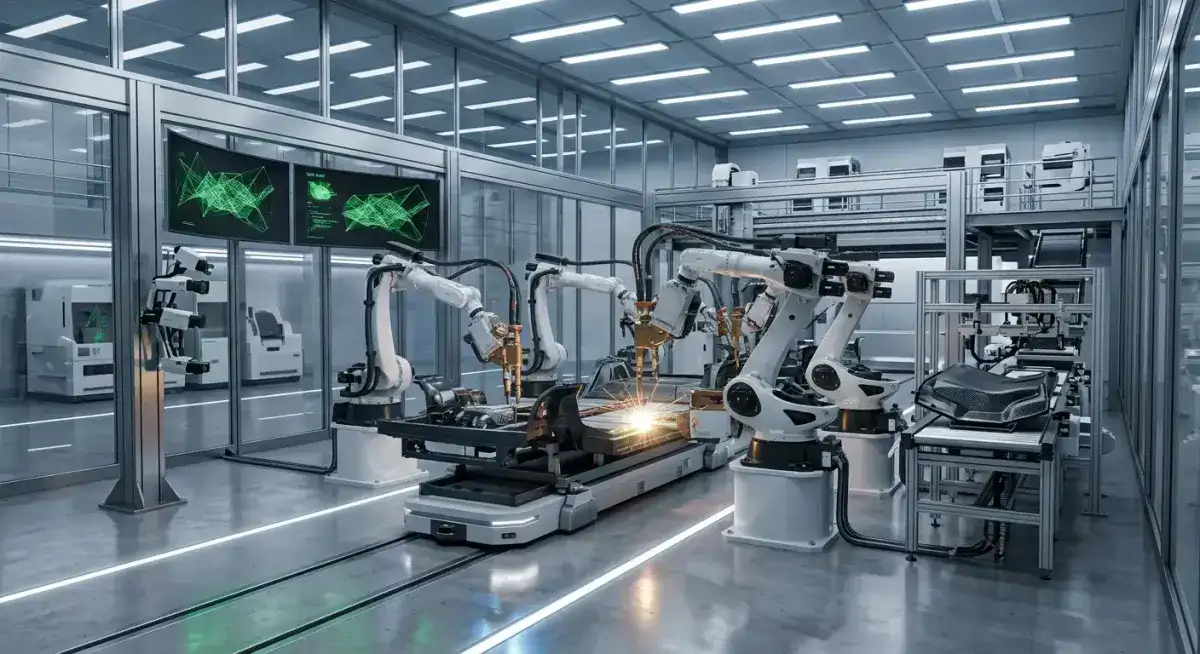
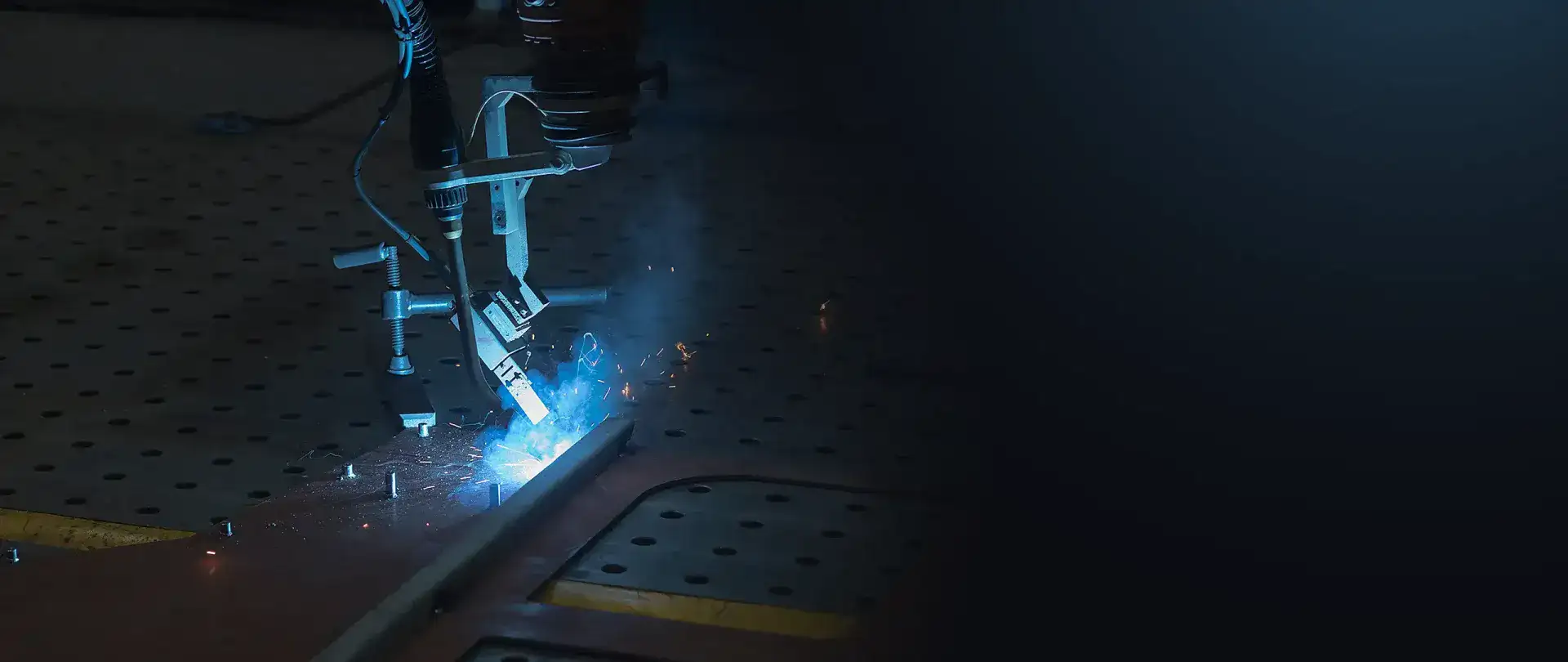
Resistance welding is widely used to join sheet-metal parts and metallic components where fast, repeatable welding cycles are required.
In industrial production, consistent results depend on more than welding current alone. Electrode force, weld time, component geometry, material thickness and cooling conditions must work together as part of a controlled process.
Applications may use portable or suspended spot welders, press welders, dedicated welding stations or equipment prepared for integration with robots and cobots.
Copper-alloy electrodes, welding arms, transformers and electronic controls form part of the same process and influence both weld quality and production continuity.
Where production becomes highly repetitive, resistance welding can therefore be engineered directly into the automated manufacturing cell.
Fastening Machine Frames, Panels and Functional Components
Welding is not appropriate for every part of a machine.
Guards, covers, brackets, electrical enclosures, service panels and mechanical components may need to be removed during adjustment or maintenance. Other joints may require fastening from only one accessible side.
Rivet nuts, self-clinching fasteners, blind rivets, studs and related fastening technologies provide different ways of creating permanent or removable fixing points in sheet metal and other components.
Their selection depends on:
- base material and thickness;
- mechanical load;
- joint geometry;
- rear-side accessibility;
- assembly and maintenance requirements;
- installation frequency;
- production volume.
Installation tooling is therefore part of the fastening decision. Manual, pneumatic and hydro-pneumatic equipment may be suitable for different production conditions, while repetitive operations can justify more integrated processes.
Stud Welding and Automated Component Feeding
Stud welding provides another option where threaded studs, pins or similar components have to be attached directly to a metallic surface.
Capacitor-discharge and other stud-welding technologies can create fixing points without requiring a conventional through-fastener.
In repetitive manufacturing, the component-feeding stage can also be automated. Automatic stud feeders transfer the required element to the welding head and allow the operation to become part of the production cycle.
This combination of welding and automated feeding can be particularly useful where cycle time and process consistency are important.
Tool Balancing and Operator-Assisted Automation
Many automated production systems still include operator-assisted tasks.
Welding guns, pneumatic tools and other equipment may be handled repeatedly throughout a shift. Tool balancers support the weight of these devices, keep them available in the working area and help reduce the effort required to move them.
Balancers can also support hoses, cables and suspended equipment and can assist movement in automated or semi-automated systems.
This makes ergonomics and tool handling part of the overall production-system design.
Matching the Technology to the Manufacturing Process
A single machine may require several joining technologies.
A frame may be resistance welded, a removable cover may use rivet nuts, a stud may be welded to a sheet-metal panel and an operator-held welding gun may be supported by a balancer.
For this reason, A.T.S. evaluates the application before the individual component.
Material, thickness, mechanical requirements, accessibility, cycle frequency, maintenance strategy and required degree of automation all contribute to selecting the appropriate welding or fastening technology.
The right solution for your application, with the support of our experts
Our experts will help you find the right product for your needs, with no obligation. Tell us what you need: together we will find the most suitable solution.
Contact us, no obligation