




Solutions for Sheet Metal Fabrication
Fastening, welding and assembly technologies for creating functional fixing points in fabricated sheet-metal components.
Cutting, punching and bending give a sheet-metal part its geometry. The component still needs joining features, threaded fixing points and functional attachments before it can become part of a machine, enclosure, panel or industrial assembly.
This is where fastening and welding technologies become part of the fabrication process.
Thin sheet may require a strong thread without conventional tapping. A nut, stud or standoff may need to become a permanent part of the panel without welding. Other components may require riveting, spot welding or a stud welded directly to the surface.
A.T.S. supplies rivet nuts, self-clinching fasteners, blind rivets, resistance welding equipment, copper-alloy electrodes, stud welding systems and installation tooling for these applications.
Material, thickness, geometry, accessibility and production volume determine the appropriate solution.
How can a strong fixing point be created in thin sheet metal?
Common options include rivet nuts, self-clinching nuts or studs, blind rivets and welded studs. The correct method depends on sheet thickness, material, load, access and whether heat can be introduced into the component.
Self-Clinching Fasteners Integrated into Sheet Metal
Self-clinching technology creates permanent fastening features directly in thin sheet without requiring welding.
Nuts, studs and standoffs are pressed into correctly prepared holes using controlled installation force.
The sheet material flows locally into the fastener feature, mechanically locking it against rotation and push-out.
Because no welding heat is introduced, the method can be useful where surface condition, distortion or manufacturing sequence make thermal joining undesirable.
Material hardness, sheet thickness and required mechanical performance must all be considered when selecting the fastener.
Rivet Nuts for Thin Sheet and One-Sided Installation
Thin sheet may not contain enough material to support a conventional tapped thread.
Rivet nuts provide a permanent threaded attachment point without requiring access to both sides of the component.
This makes them useful in folded parts, box sections, closed profiles and already formed assemblies.
Installation equipment can range from manual tools to pneumatic or hydro-pneumatic systems depending on thread size and production frequency.
The threaded fixing point can therefore be added after forming while remaining accessible for final assembly.
Blind Rivets for Permanent Sheet-Metal Assembly
Not every joint requires a removable thread.
Blind rivets provide a permanent mechanical connection between sheet-metal parts and can be installed from one accessible side.
Selection depends on the materials being joined, combined grip range, joint geometry and mechanical requirements.
Manual and hydro-pneumatic riveting equipment support different production volumes.
In repeatable manufacturing, the rivet and its installation system should be treated as part of one assembly process.
Resistance Welding for Sheet-Metal Components
Resistance welding provides another route for joining metallic sheet components.
Electrical resistance creates localised heat at the joint while electrode force holds the parts together.
Current, weld time, force, material and thickness all influence process consistency.
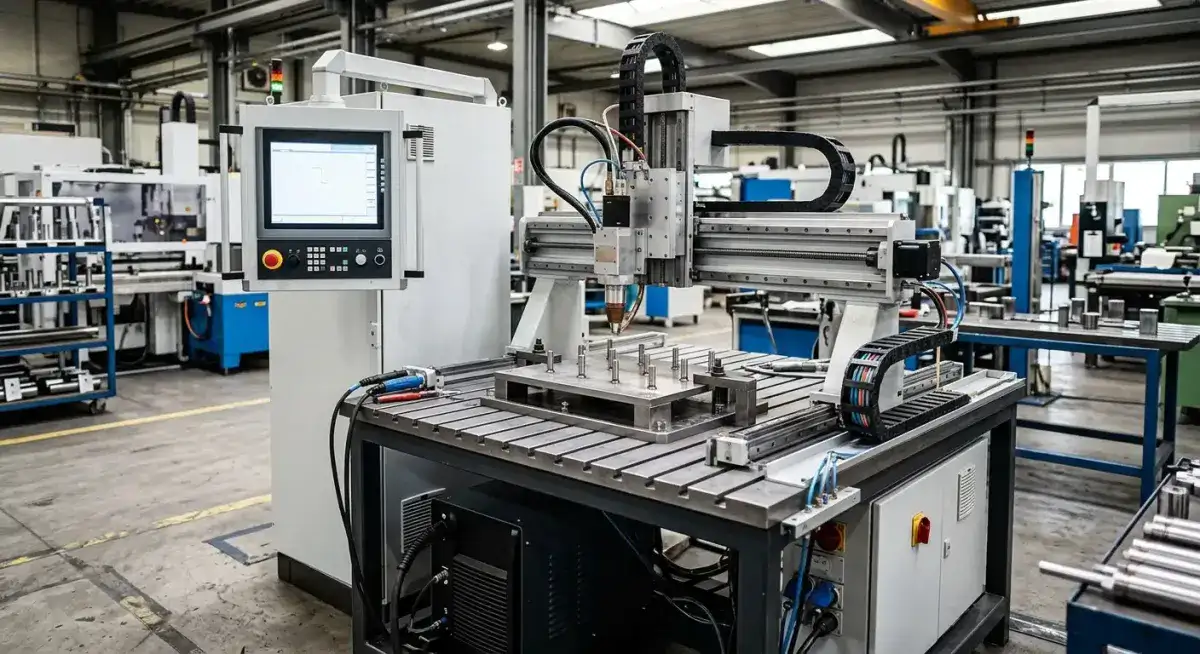
A.T.S. supplies resistance welding machines, spot welders, electrodes, welding arms and copper-alloy components for different industrial applications.
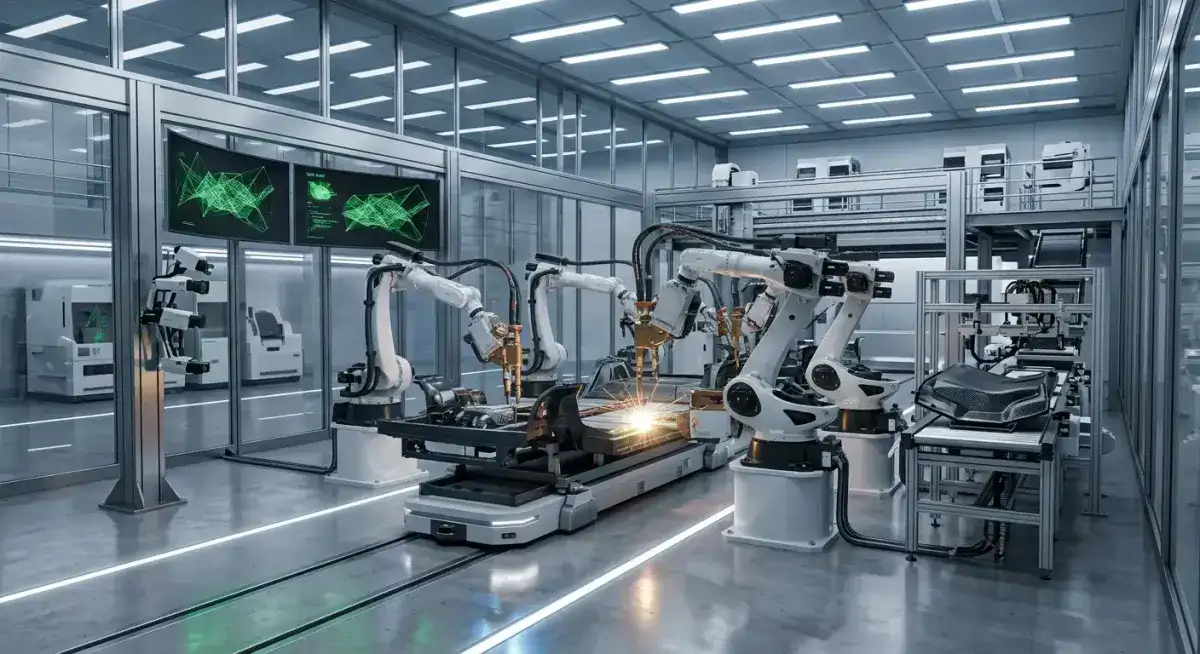
Where repetition justifies it, the process can also be incorporated into automated welding equipment.
Stud Welding Directly onto the Sheet Surface
Functional attachment points can also be created by welding the element directly to the sheet.
Capacitor-discharge stud welding provides very short welding cycles and concentrated heat input, making it suitable for many thin-sheet applications.
Threaded studs, internally threaded elements and other weld fasteners can therefore be added without a conventional through-fastener.
Other stud welding processes may be selected where materials, thickness or mechanical requirements differ.
From Manual Installation to Automated Fastener Insertion
Production quantity changes the way fastening technology should be applied.
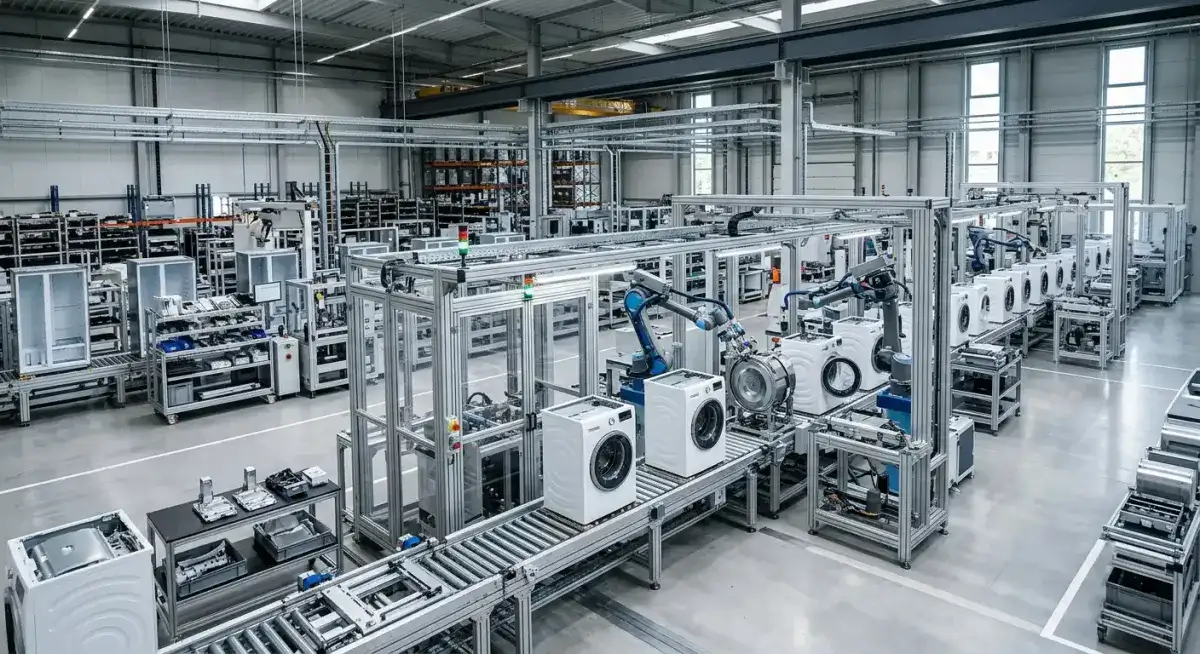
Small batches may justify manual or pneumatic installation tools. Higher volumes can make dedicated presses, automatic feeding and controlled insertion systems more attractive.
Self-clinching fasteners in particular can be integrated directly into structured sheet-metal production workflows.
A.T.S. therefore evaluates the fastener together with the installation equipment and production cycle rather than treating each element separately.
The right solution for your application, with the support of our experts
Our experts will help you find the right product for your needs, with no obligation. Tell us what you need: together we will find the most suitable solution.
Contact us, no obligation