





Presses for self-clinching fasteners
5 products available
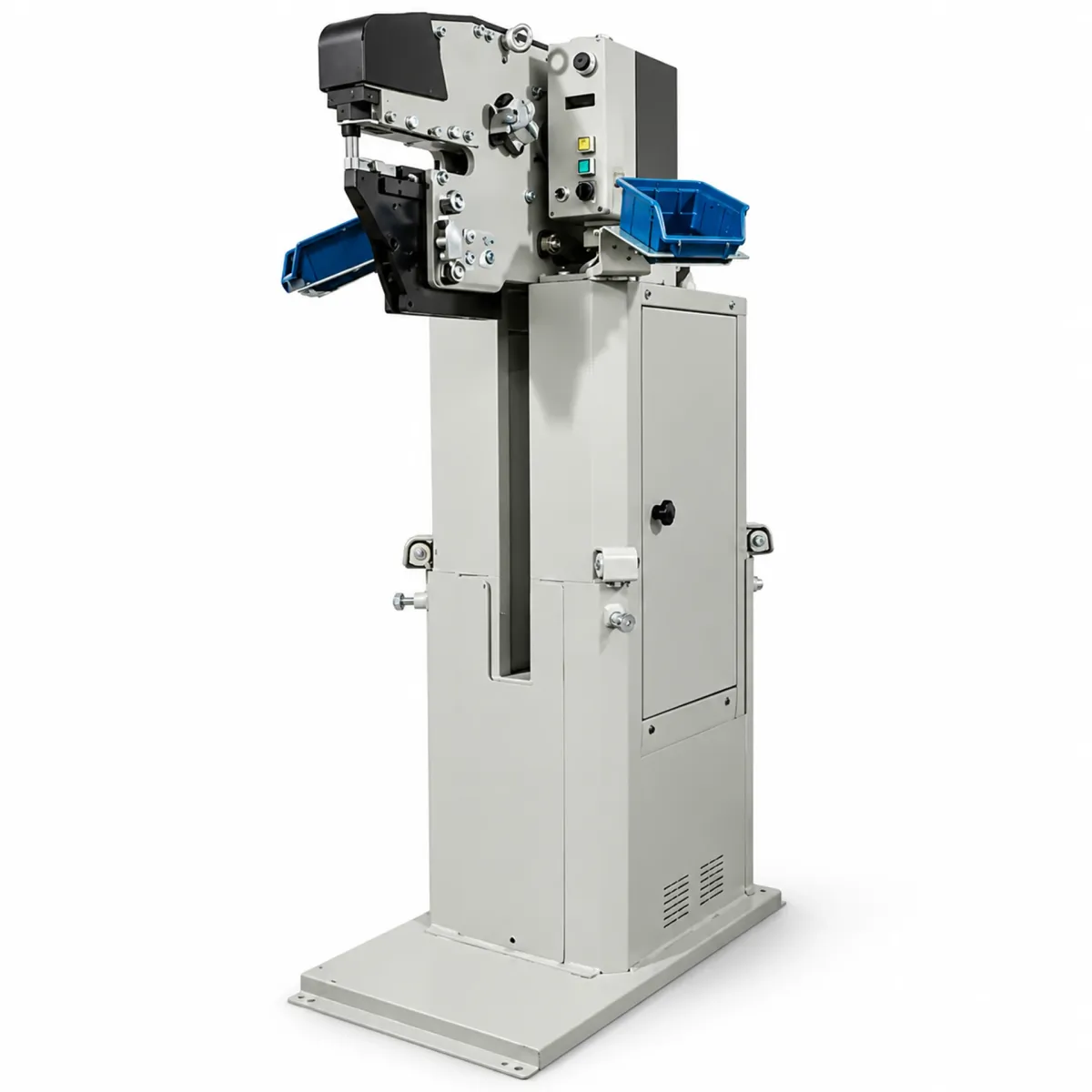
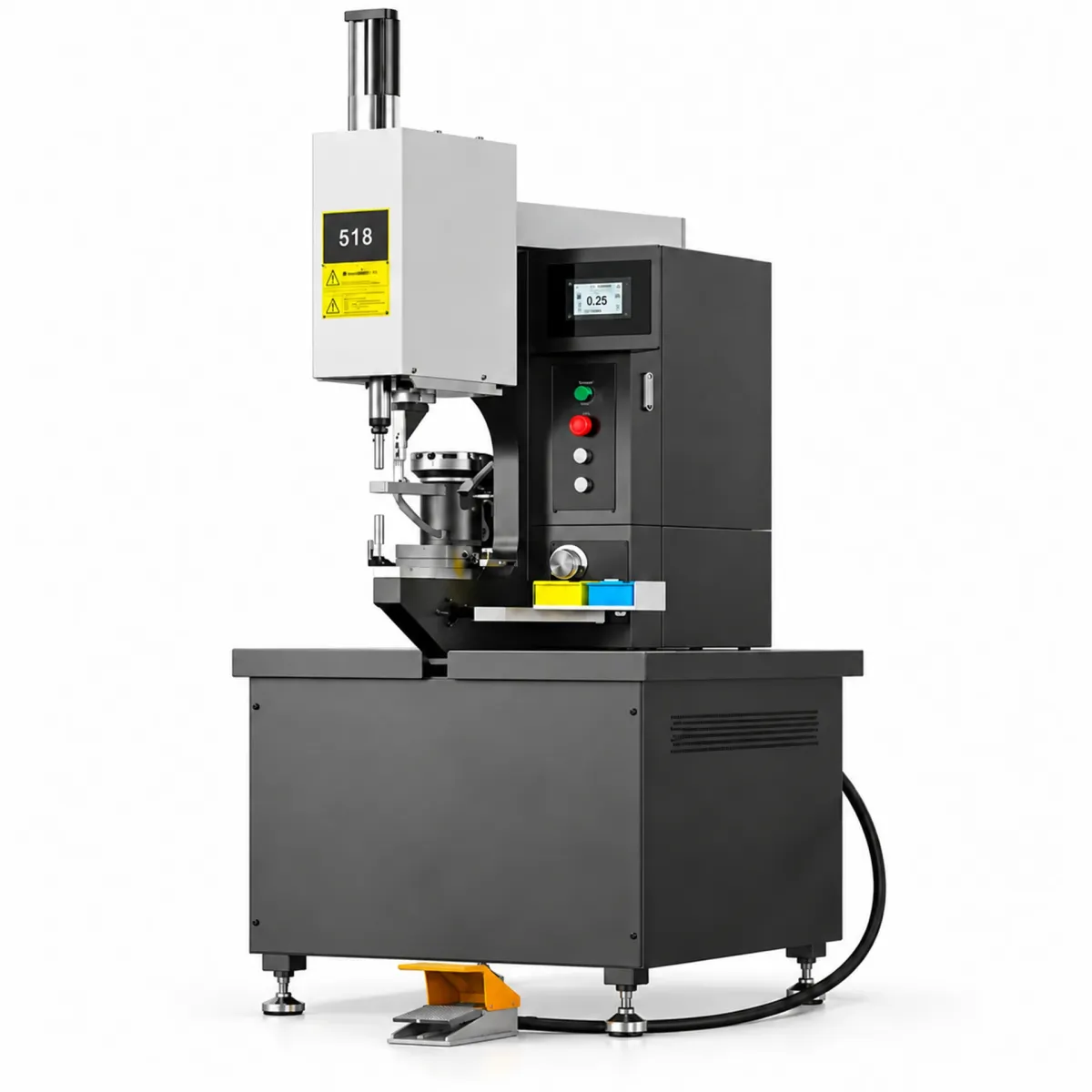
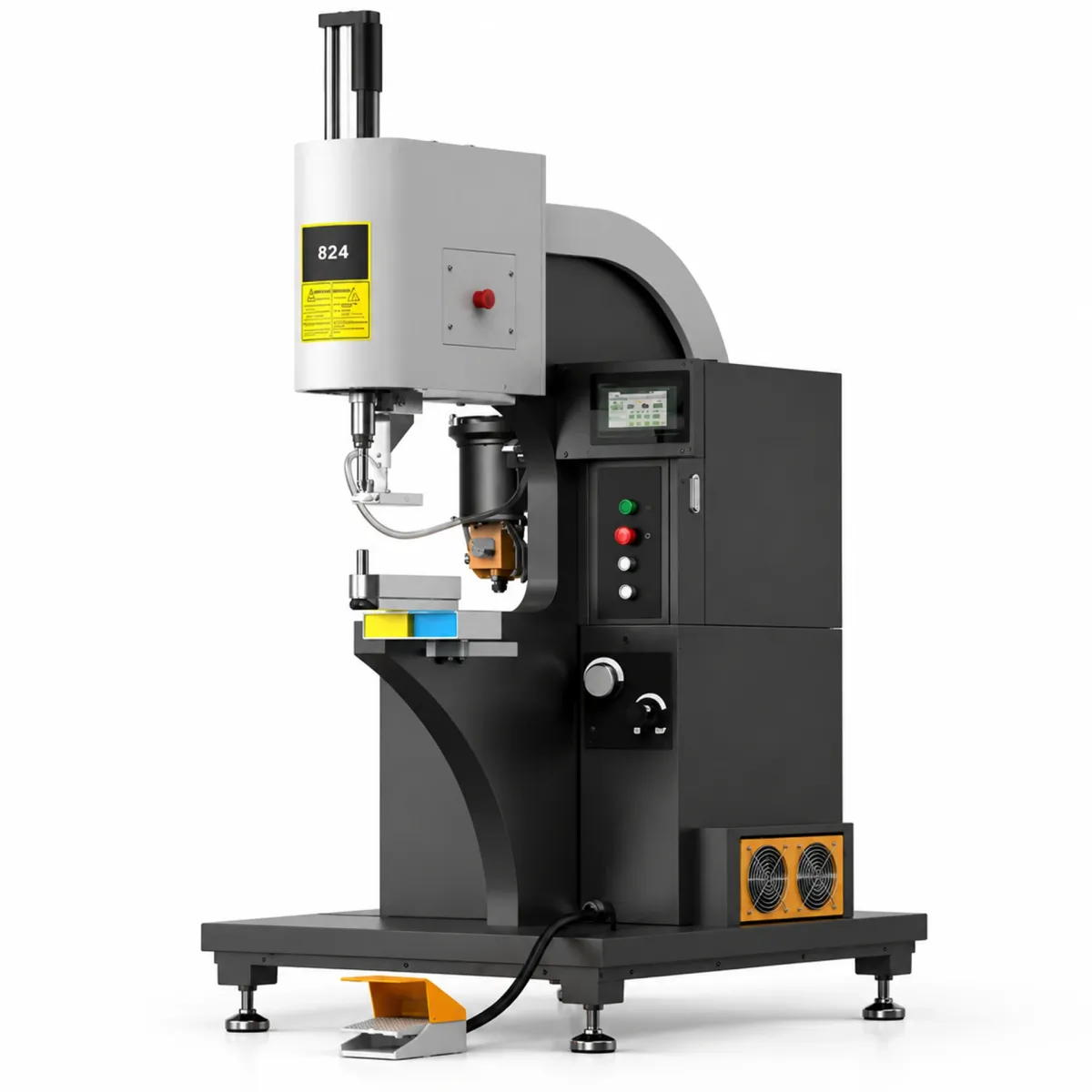
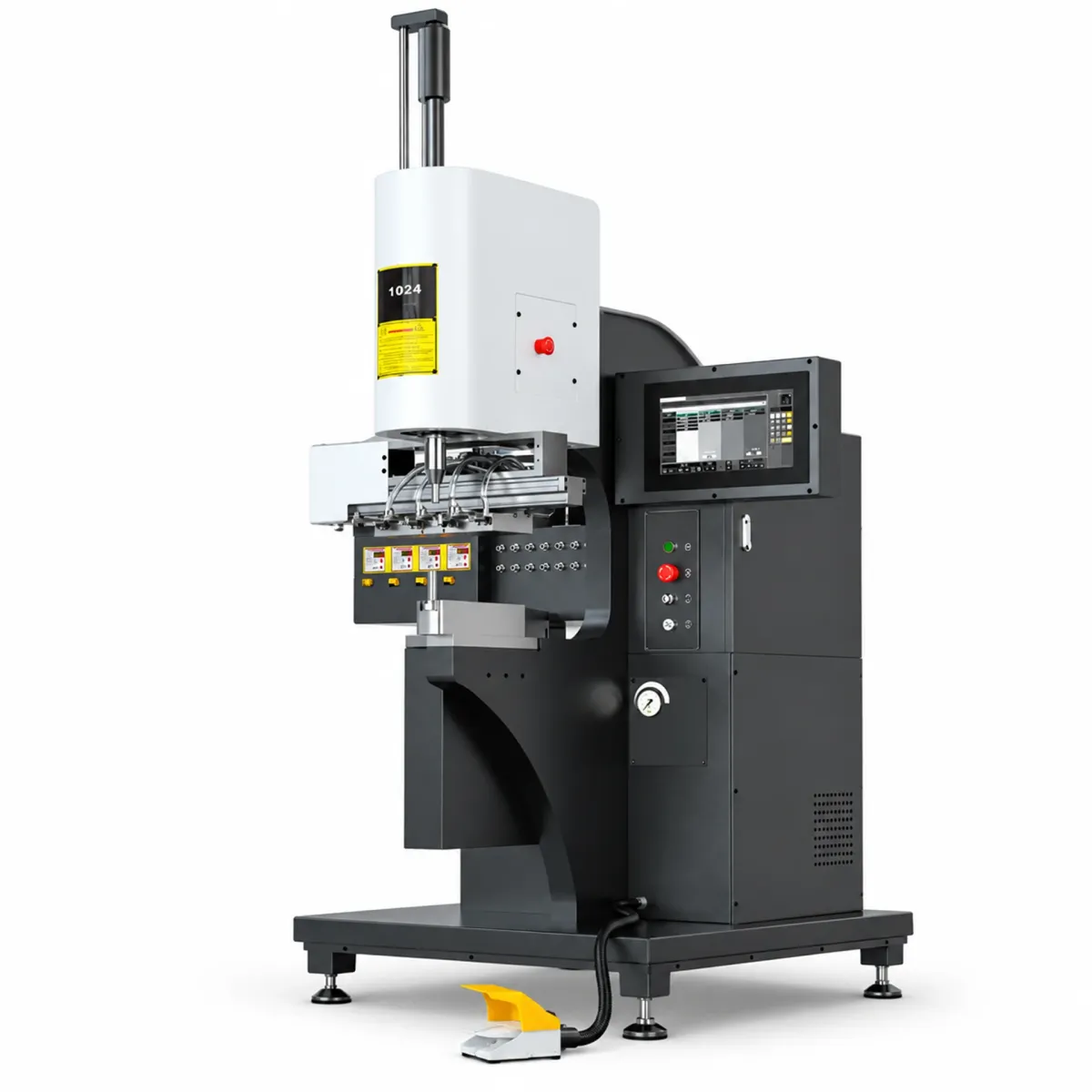
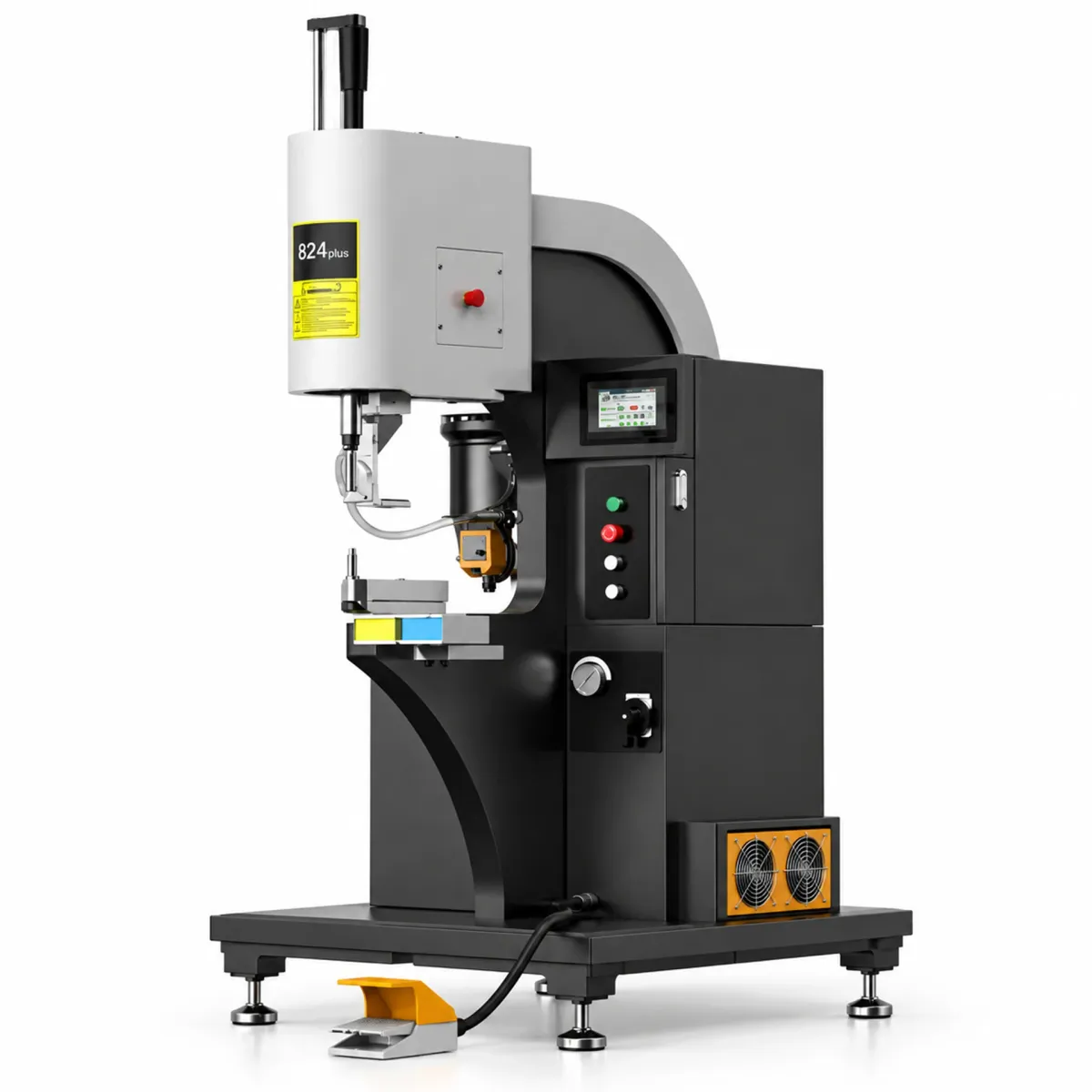
Pneumatic, hydraulic and automatic presses for installing self-clinching nuts, studs and standoffs in sheet metal components
A.T.S. supplies presses for self-clinching fasteners used to install nuts, threaded studs, standoffs and other fastening elements into sheet metal components. The range includes pneumatic presses, hydraulic insertion systems and automatic machines with electronic force control and fastener feeding options.
Self-clinching installation relies on applying a controlled compressive force between a punch and a die. During the operation, the sheet material flows locally into the fastener's retaining features, forming a mechanical interlock without welding.
This method is used in electrical enclosures, fabricated panels, industrial machinery and sheet metal assemblies where permanent threaded fixing points are required.
Pneumatic and hydraulic fastener insertion presses
Pneumatic presses use compressed air to generate the insertion force and can be used at assembly workstations where operators position the fastener and workpiece manually.
Hydraulic presses are available for applications requiring controlled force over a range of fastener sizes and component geometries.
The Fasteners 618 provides a maximum pressing force of 53 kN. The Fasteners 824 press increases this to 76 kN and has a throat depth of 600 mm. It can also be fitted with automatic feeding equipment for compatible self-clinching nuts, studs and standoffs.
Throat depth, working height and tool clearance are important when fasteners must be installed away from the edge of a large panel or within a formed component.
Electronic force control and automatic fastener feeding
Different self-clinching fasteners require different installation forces and tooling arrangements. Applying the same press settings to every fastener can result in incomplete installation or damage to the workpiece.
The Fasteners 824 PLUS has electronic force management that stores settings associated with the tooling. It can recall the appropriate pressure setting when changing between configured dies, with a maximum pressing force of 80 kN.
For more automated production, the Fasteners 1024 automatic press offers a maximum force of 100 kN, electronic pressure management and four automatic feeding systems.
Automatic feeding reduces the need to load individual fasteners manually. Its contribution to production efficiency depends on the fastener types, part geometry and overall installation sequence.
What determines a correct self-clinching installation?
A self-clinching fastener must be matched to the sheet material and its hardness, minimum thickness and prepared hole dimensions.
The installation punch and die must support the workpiece correctly and apply the force along the intended insertion axis. Insufficient force can leave the fastener incompletely seated, while excessive force may distort the sheet or affect the fixing.
The required performance should be considered in terms of resistance to rotation, push-out and the loads expected in the finished assembly.
Selecting a press for sheet metal fastening
Press selection involves assessing the fastener range, required insertion force, part dimensions, available tooling space and expected production volume. Automatic feeding may be appropriate for repetitive work, whereas manual loading can remain suitable for smaller batches and frequent product changes.
A.T.S. provides technical guidance on self-clinching fastener presses and installation equipment, helping manufacturers select machinery and tooling compatible with the intended application. Correctly configured pressing equipment supports consistent fastener installation and reduces unnecessary rework.
The right solution for your application, with the support of our experts
Our experts will help you find the right product for your needs, with no obligation. Tell us what you need: together we will find the most suitable solution.
Contact us, no obligation