




Solutions for the Automotive Industry
Welding, fastening and assembly technologies for metal, sheet-metal and plastic components used throughout automotive manufacturing.
Automotive manufacturing requires joining processes capable of operating at high production volumes while maintaining consistent cycle times and repeatable results.
Body structures, sheet-metal assemblies, brackets, electronic housings, plastic components and functional parts each present different joining requirements depending on material, thickness, geometry and position within the manufacturing sequence.
A.T.S. supports these applications with resistance and spot welding equipment, projection welding technologies, copper-alloy electrodes and welding components, stud welding systems, rivet nuts, self-clinching fasteners, blind rivets, threaded inserts for plastics and related installation equipment.
Rather than treating the joining element in isolation, the technology is selected according to the component, accessibility, production volume and required degree of automation.

Which joining technologies are used in automotive manufacturing?
Automotive production may combine resistance spot and projection welding, nut and stud welding, mechanical fastening, rivet nuts, self-clinching fasteners, blind rivets and threaded inserts for plastic components. Material, geometry, mechanical requirements and production volume determine which process is most appropriate.
Resistance Spot Welding in High-Volume Vehicle Production
Resistance welding is widely used for joining sheet-metal and metallic components in automotive manufacturing.
In repetitive production, weld consistency depends on the interaction between welding current, weld time, electrode force, joint geometry and cooling.
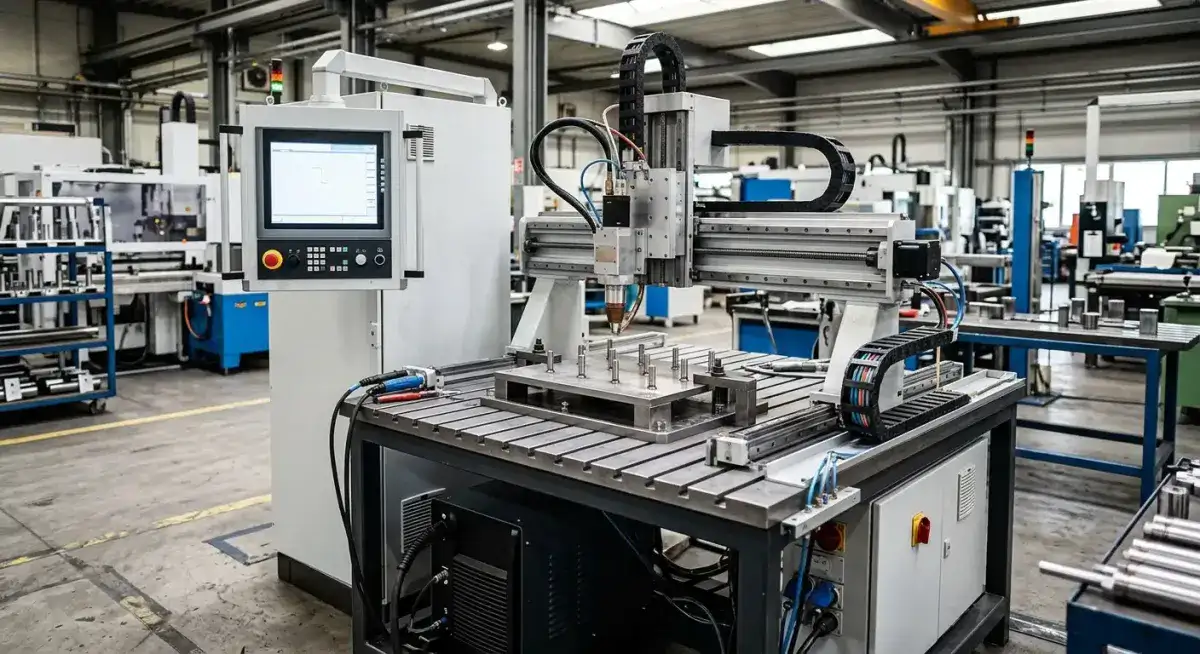
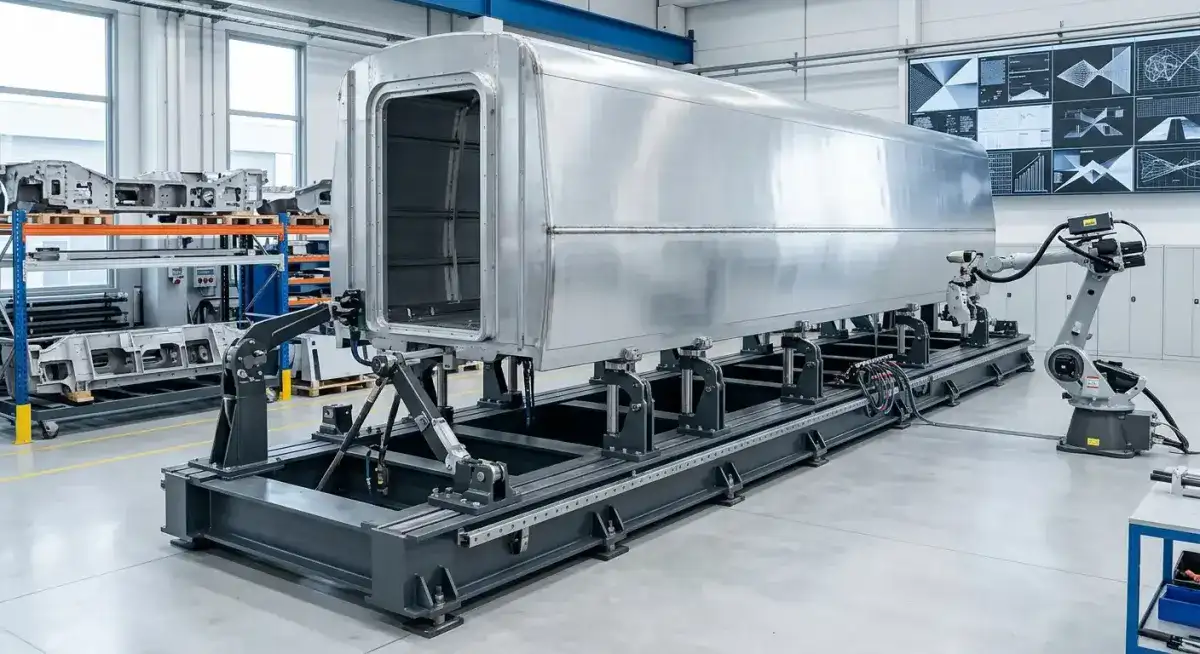
Depending on the operation, manufacturing systems may use spot welders, suspended welding guns, press welders, dedicated stations or robot welding guns integrated directly into automated cells.
Electrode selection also becomes critical where high-strength steels, coated sheet or aluminium are involved. Copper-alloy electrodes, welding arms and electrical connections must therefore be considered as part of the complete welding process.
Projection Welding of Nuts, Studs and Functional Components
Automotive assemblies frequently require threaded attachment points directly on sheet-metal components.
Weld nuts and studs can be installed using resistance and projection welding processes, with dedicated electrodes designed to locate the component and transfer welding current correctly.
Other requirements may be addressed through capacitor-discharge stud welding, allowing threaded studs, internally threaded elements or similar fasteners to be welded directly to a metallic surface.
For high-volume production, component feeding can become part of the automated process, combining feeding, positioning and welding within a defined manufacturing sequence.
Mechanical Fastening for Sheet-Metal and Vehicle Assemblies
Not every automotive joint should be welded.
Rivet nuts can create serviceable threaded fixing points in thin material, including applications where installation is possible from only one side.
Self-clinching fasteners can permanently integrate nuts, studs and standoffs into sheet-metal components using controlled pressing force.
Blind rivets and other mechanical fastening technologies provide further options for permanent joining or for assemblies involving different materials.
In high-volume production, the installation equipment is as important as the fastener. Presses, installation tools and automated feeding systems need to match the component geometry and production rate.
Fastening Automotive Plastics, Electronics and EV Components
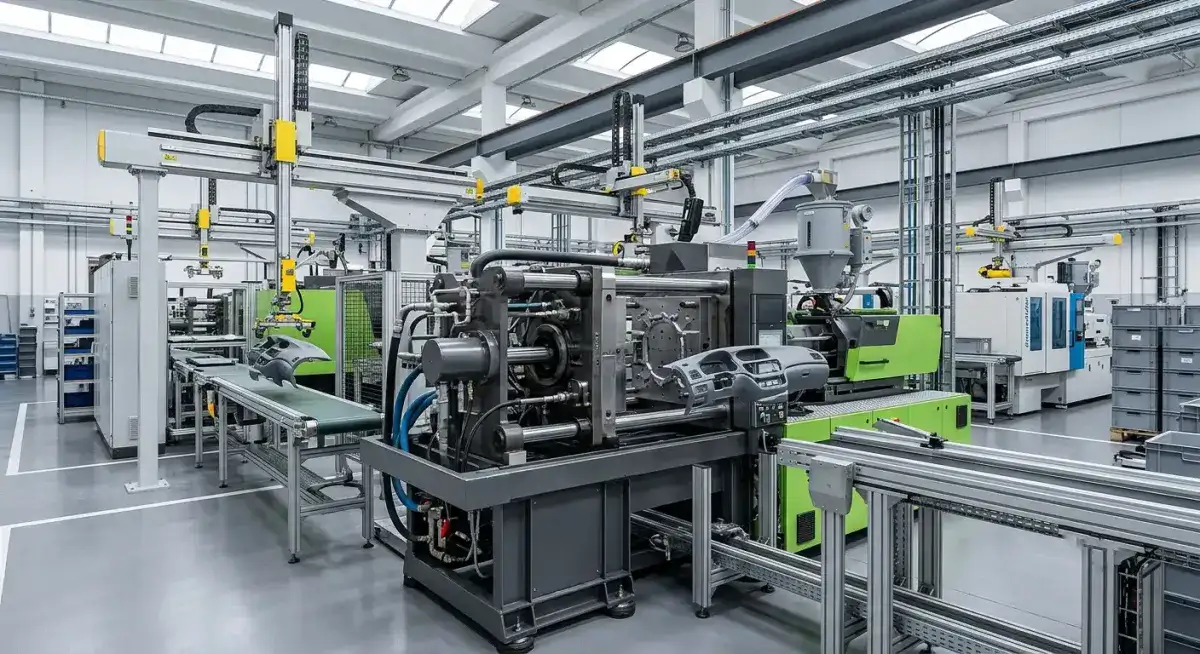
Modern vehicles contain an increasing number of plastic components, electronic modules and electrically functional assemblies.
Where a thread formed directly in plastic does not provide the required durability, brass threaded inserts can create a permanent metallic fixing point inside the component.
Depending on the polymer and manufacturing process, inserts may be installed by heat, pressure or mould-in methods.
Self-clinching and other engineered fasteners also have applications in automotive electronics and electrification, where reliable fixing points are required in thin sheet assemblies and enclosures.
This means fastening selection increasingly needs to account for both mechanical performance and the material system surrounding the joint.
Automation, Cycle Time and Process Repeatability
Automotive joining processes must fit the production line rather than interrupt it.
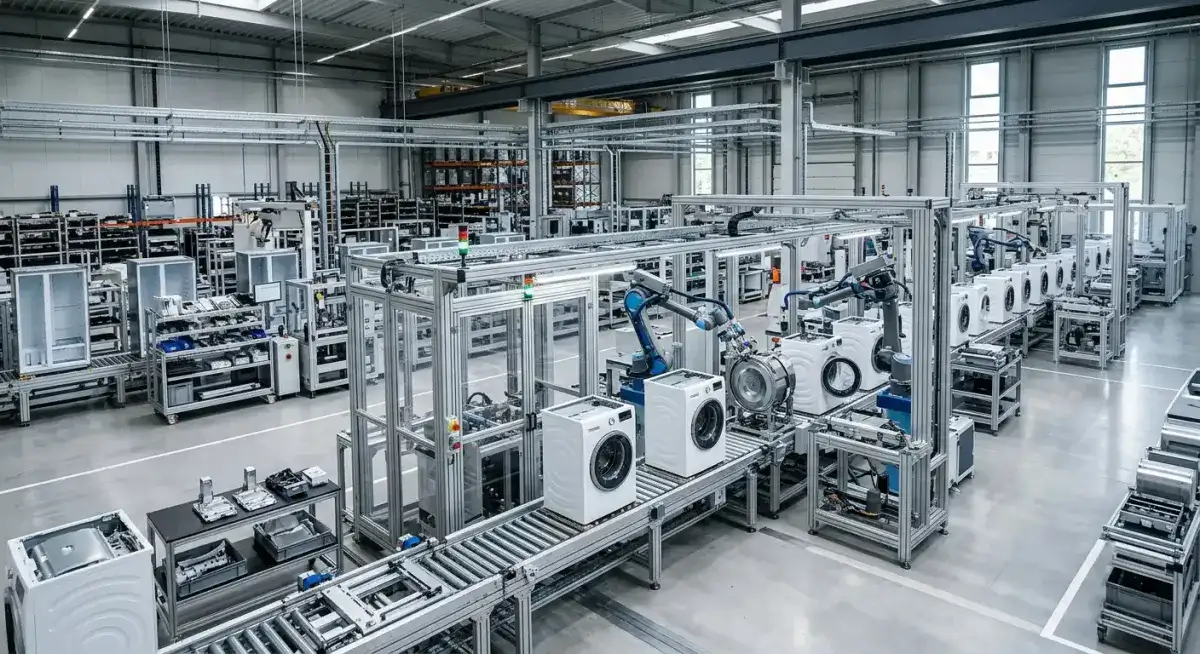
Robot welding guns can integrate resistance spot welding into automated cells. Fastener presses and feeding equipment can make mechanical installation repeatable. Automatic stud feeders can incorporate stud welding into a defined machine cycle.
As production volume increases, process control becomes as important as the individual joining element.
Cycle time, equipment access, consumable replacement, production continuity and model variation therefore influence the final solution.
A.T.S. approaches automotive applications by considering joining technology, installation equipment and the component itself as parts of the same manufacturing process.
The right solution for your application, with the support of our experts
Our experts will help you find the right product for your needs, with no obligation. Tell us what you need: together we will find the most suitable solution.
Contact us, no obligation