





Fasteners for sheet metal
41 products available
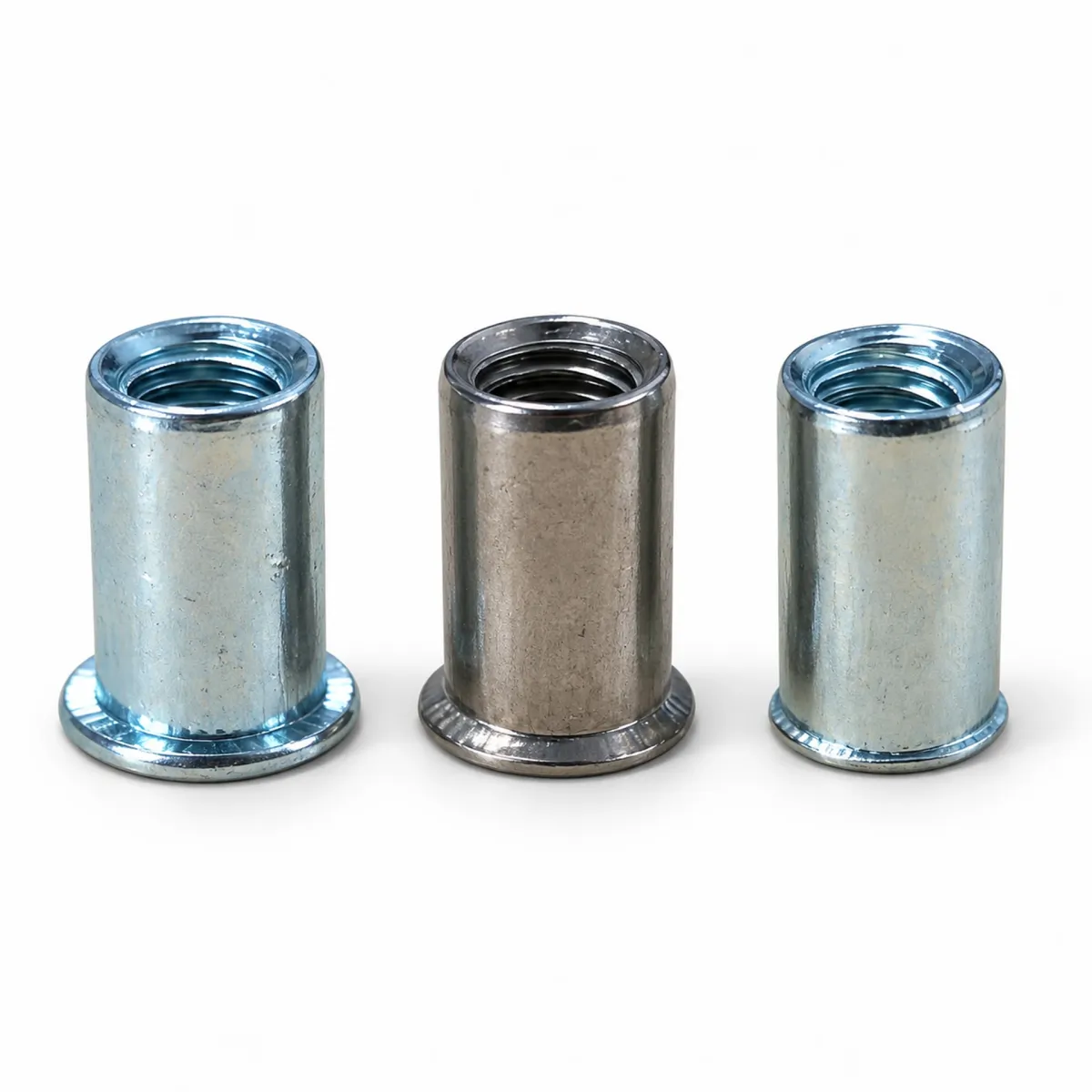
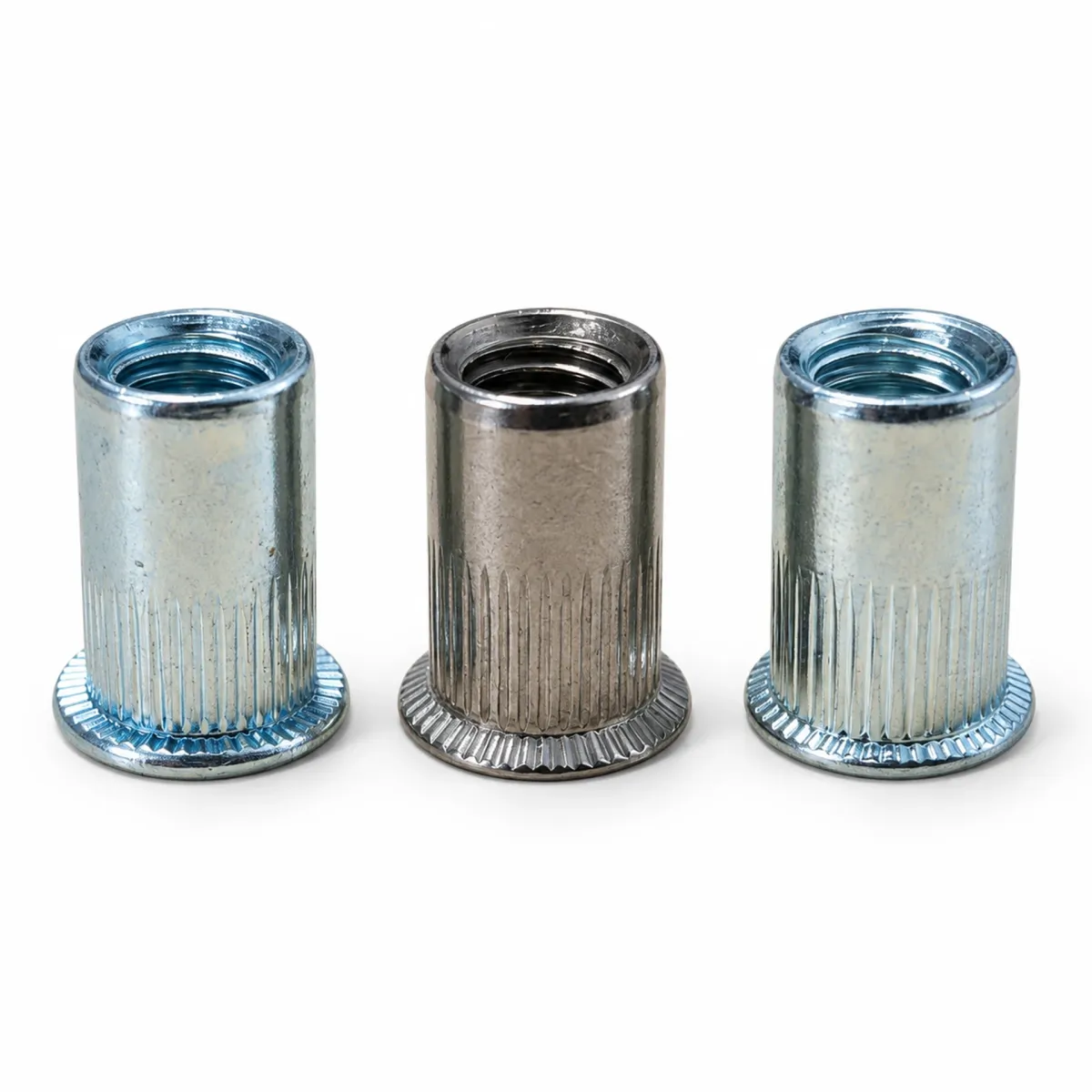
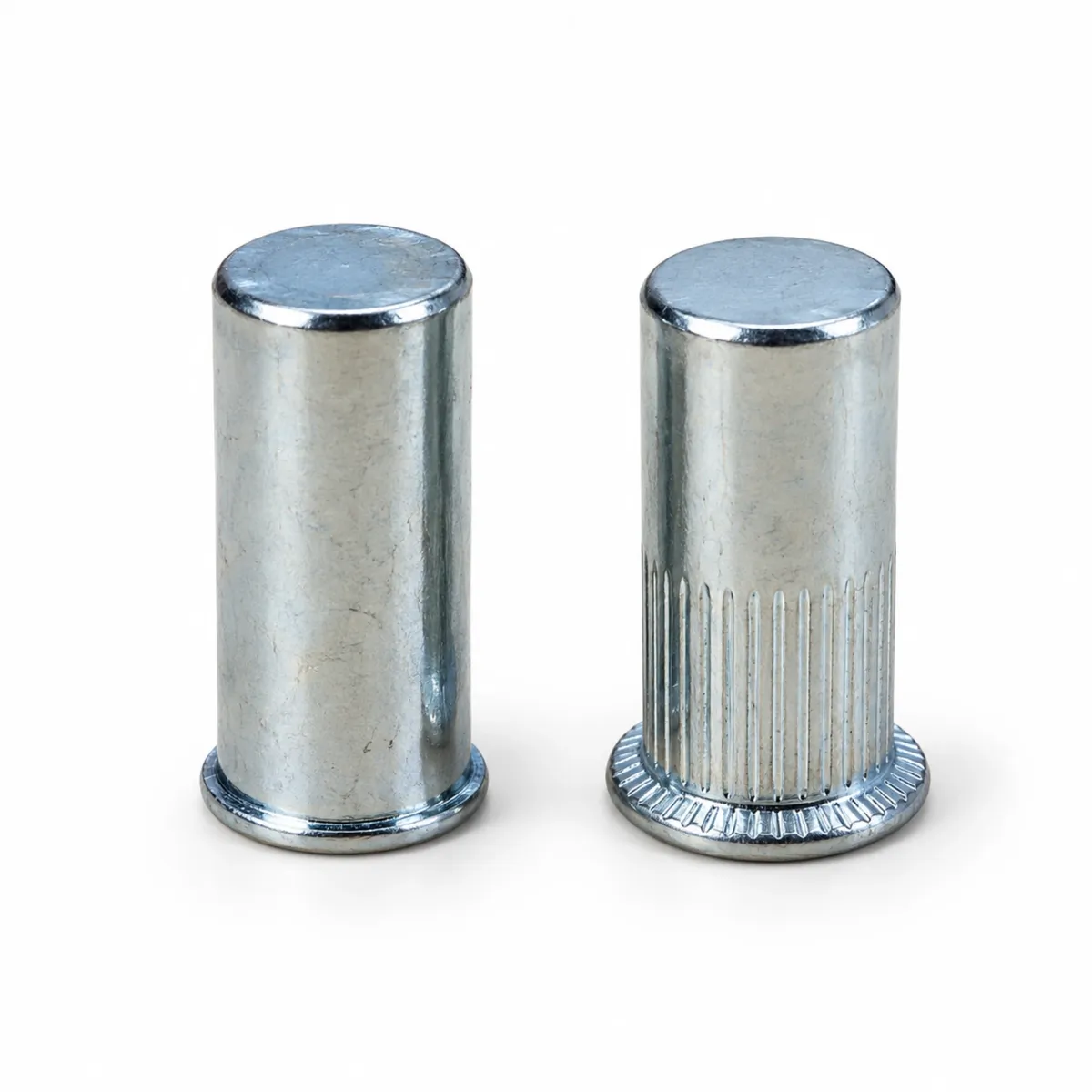
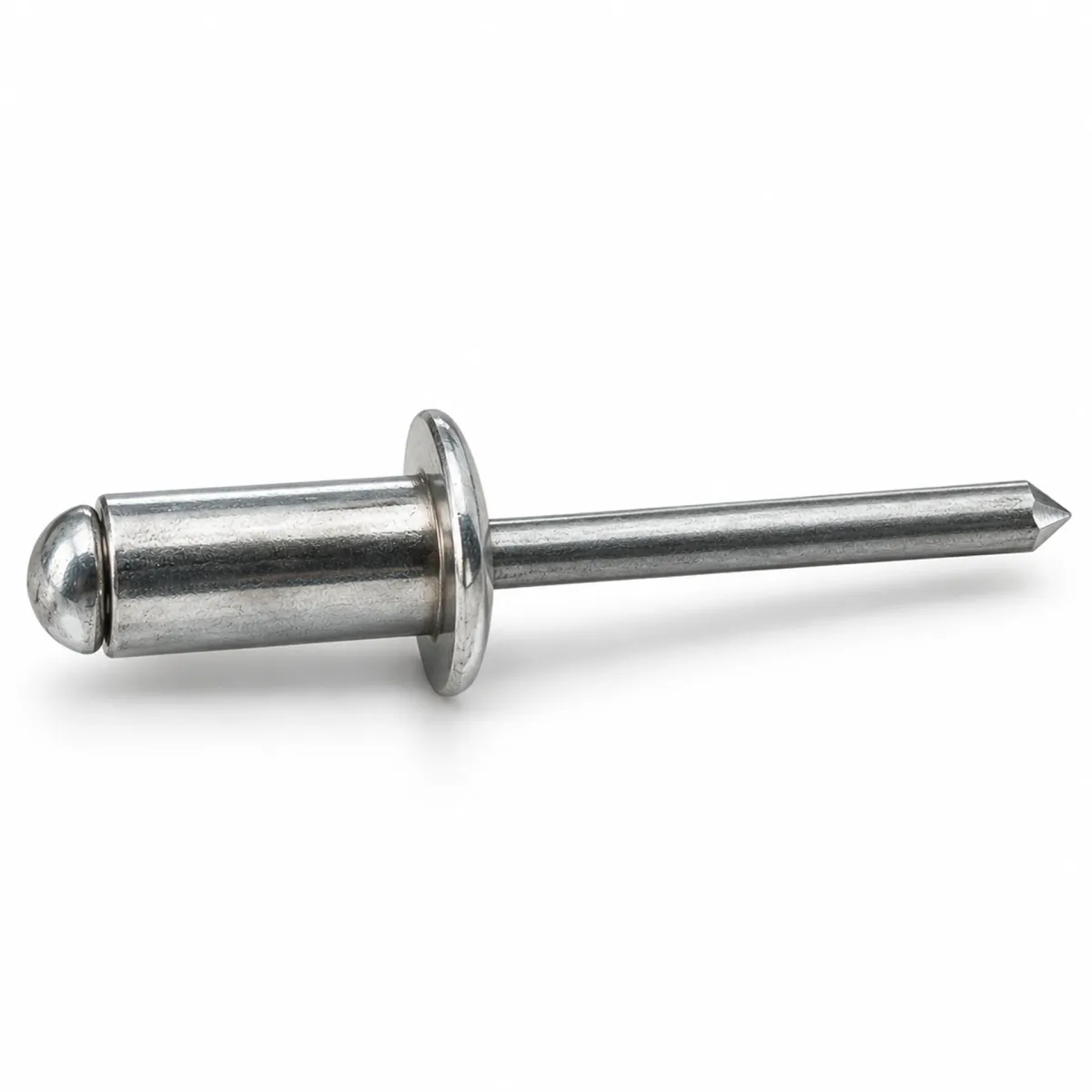
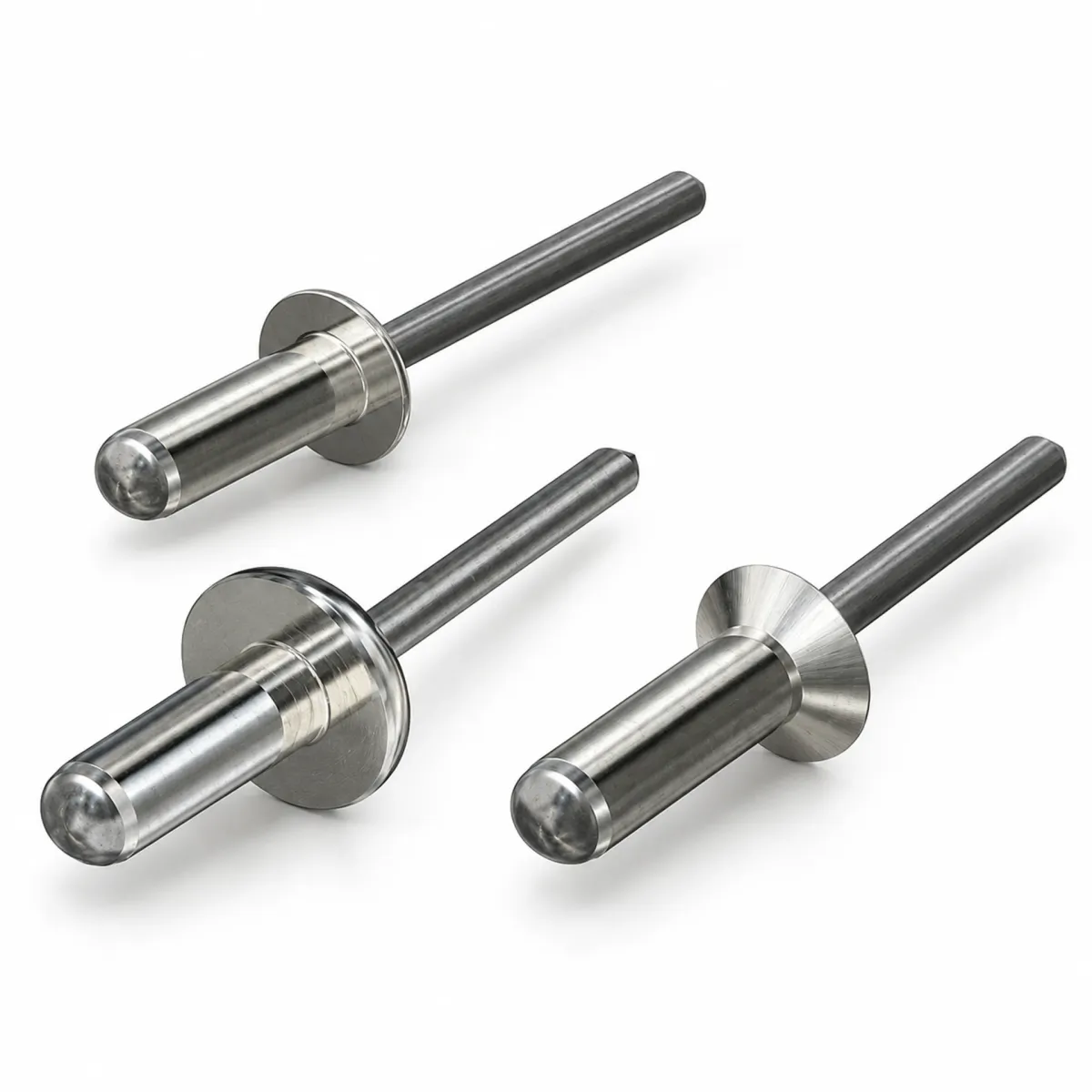
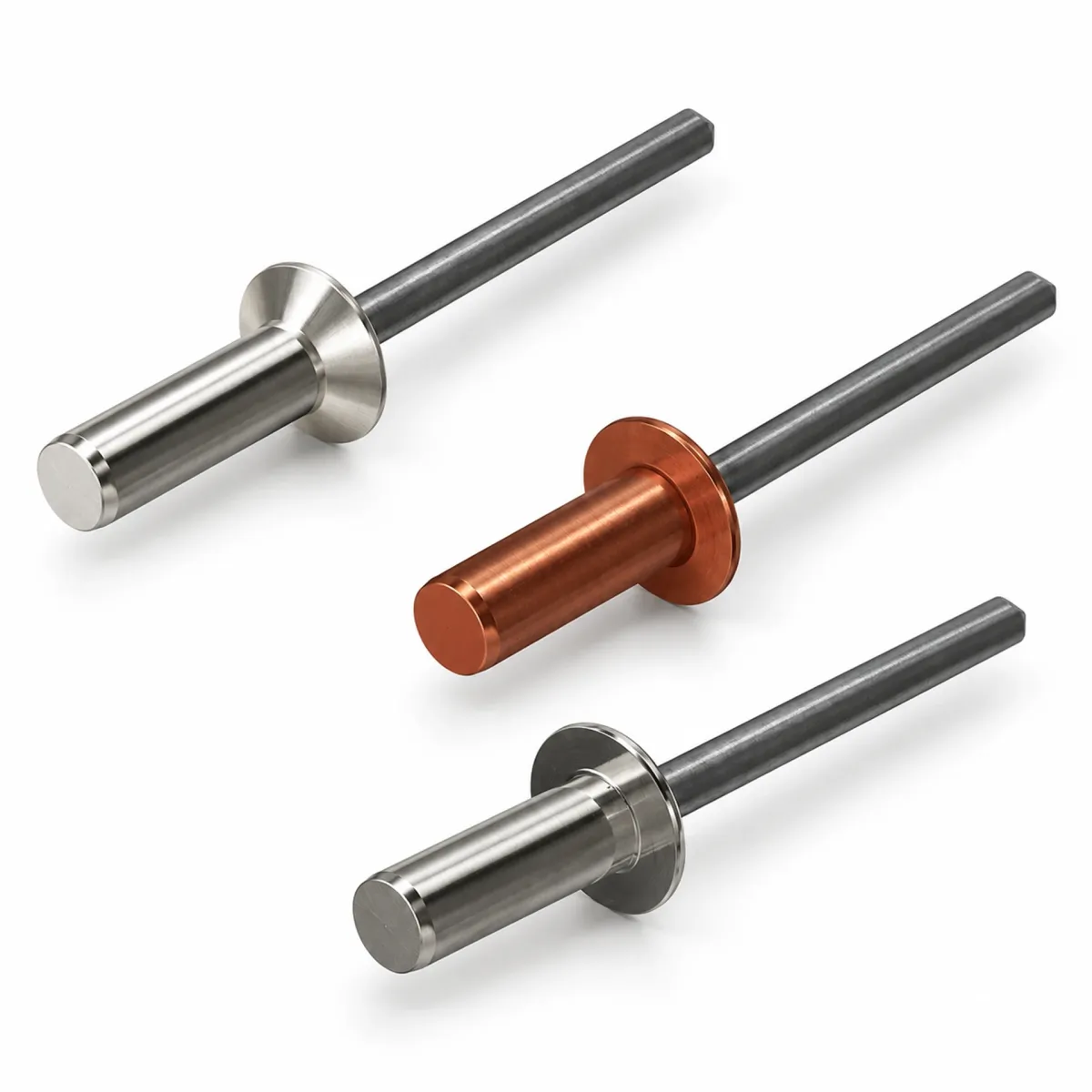
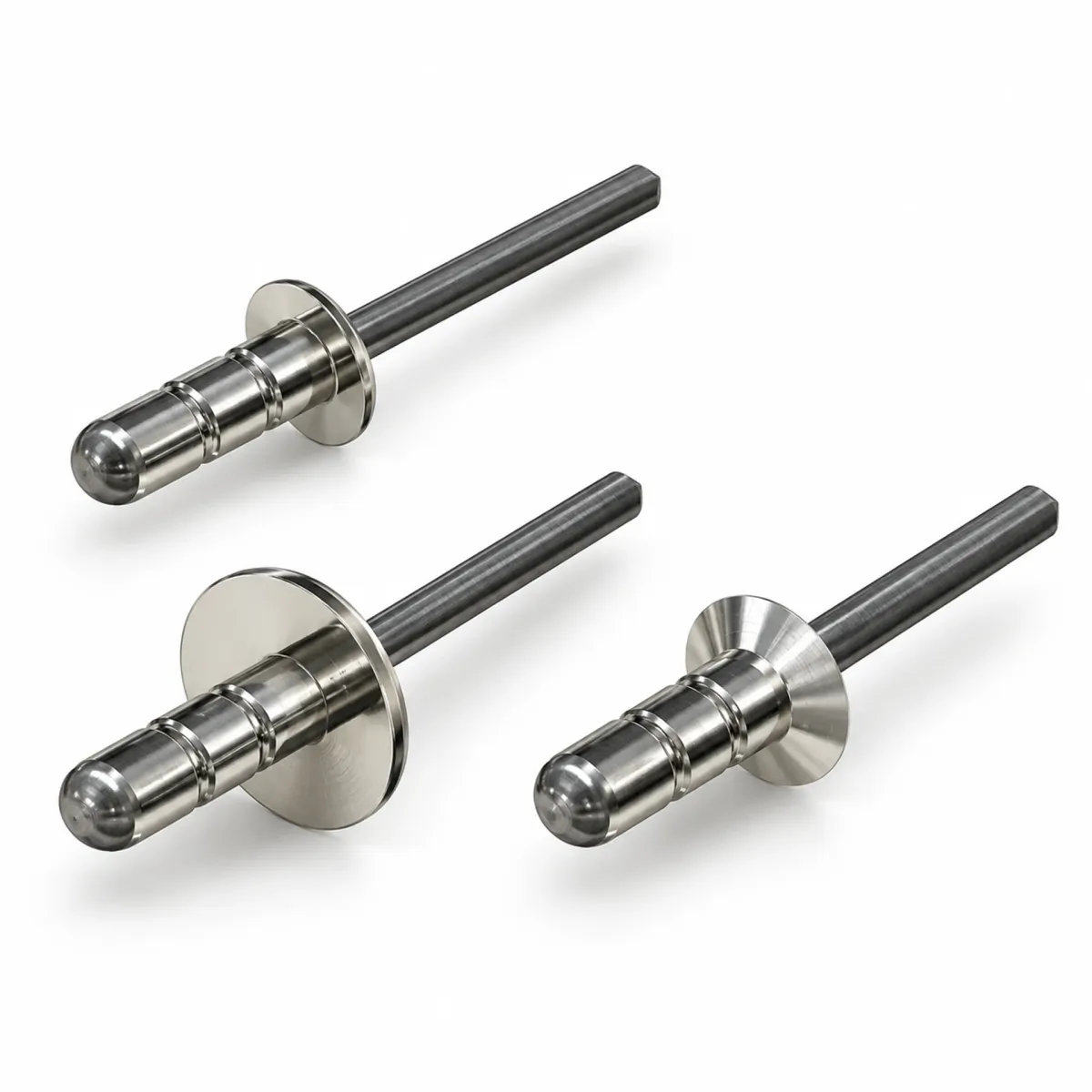
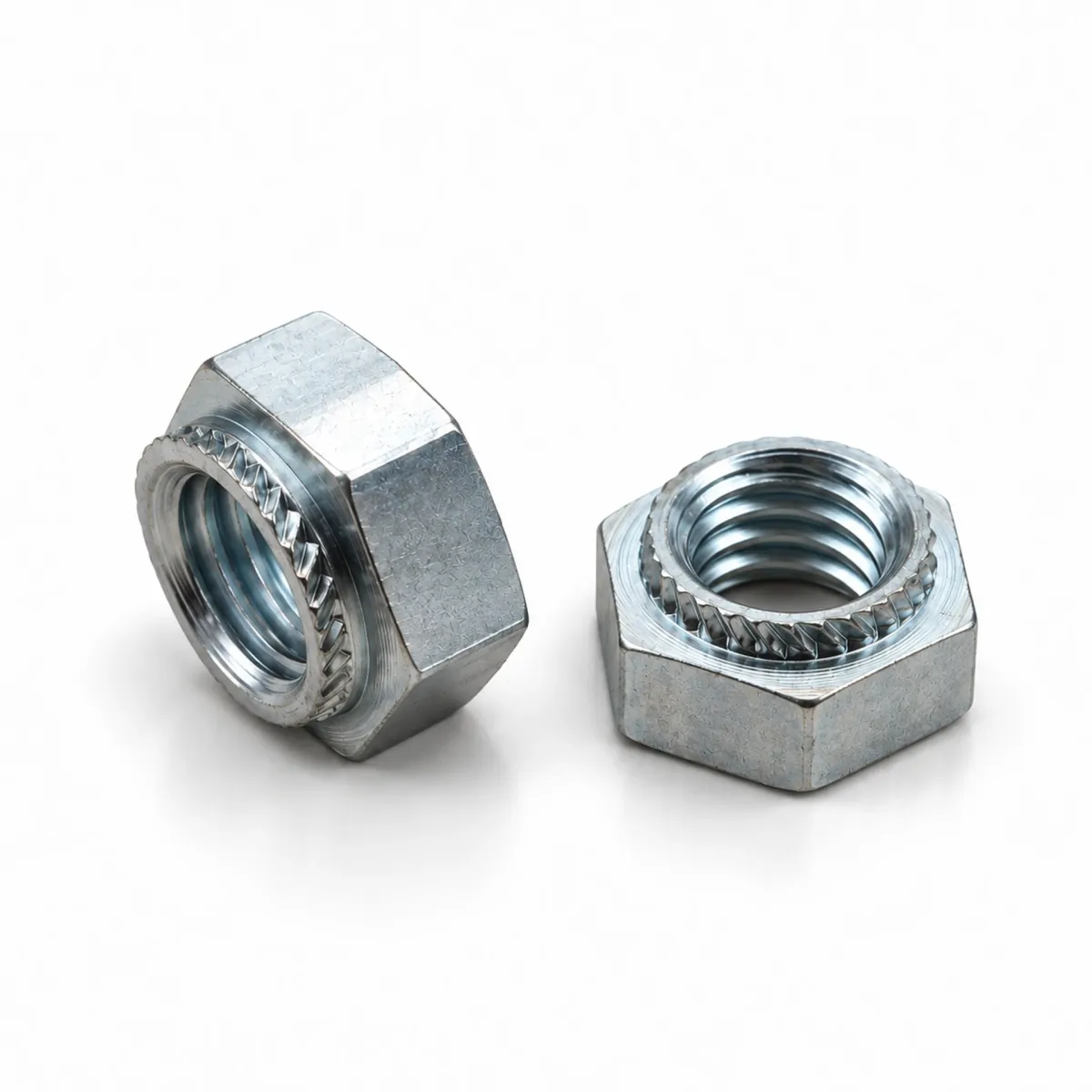
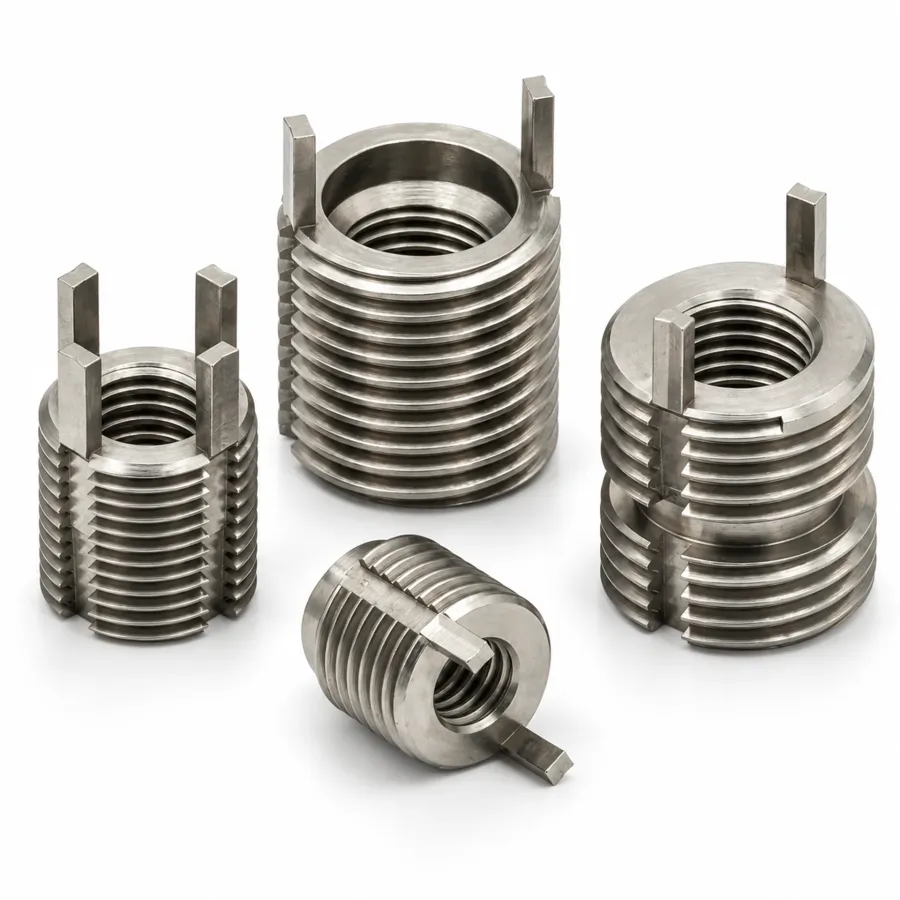
Threaded inserts, blind rivets and self-clinching fasteners for threaded fixing points and permanent mechanical joints in sheet metal assemblies
A.T.S. supplies sheet metal fasteners for manufacturers producing electrical enclosures, fabricated panels, machinery components and other metal assemblies. The range includes blind rivet nuts, blind rivets and self-clinching fasteners, each designed for a different method of installation and type of joint.
Fastener selection depends on the thickness and mechanical properties of the sheet, the required joint strength and whether the assembly must be removable. Access to the workpiece is another consideration. Blind fastening systems can be installed from one side, while self-clinching fasteners require a suitable pressing arrangement and access for the installation tooling.
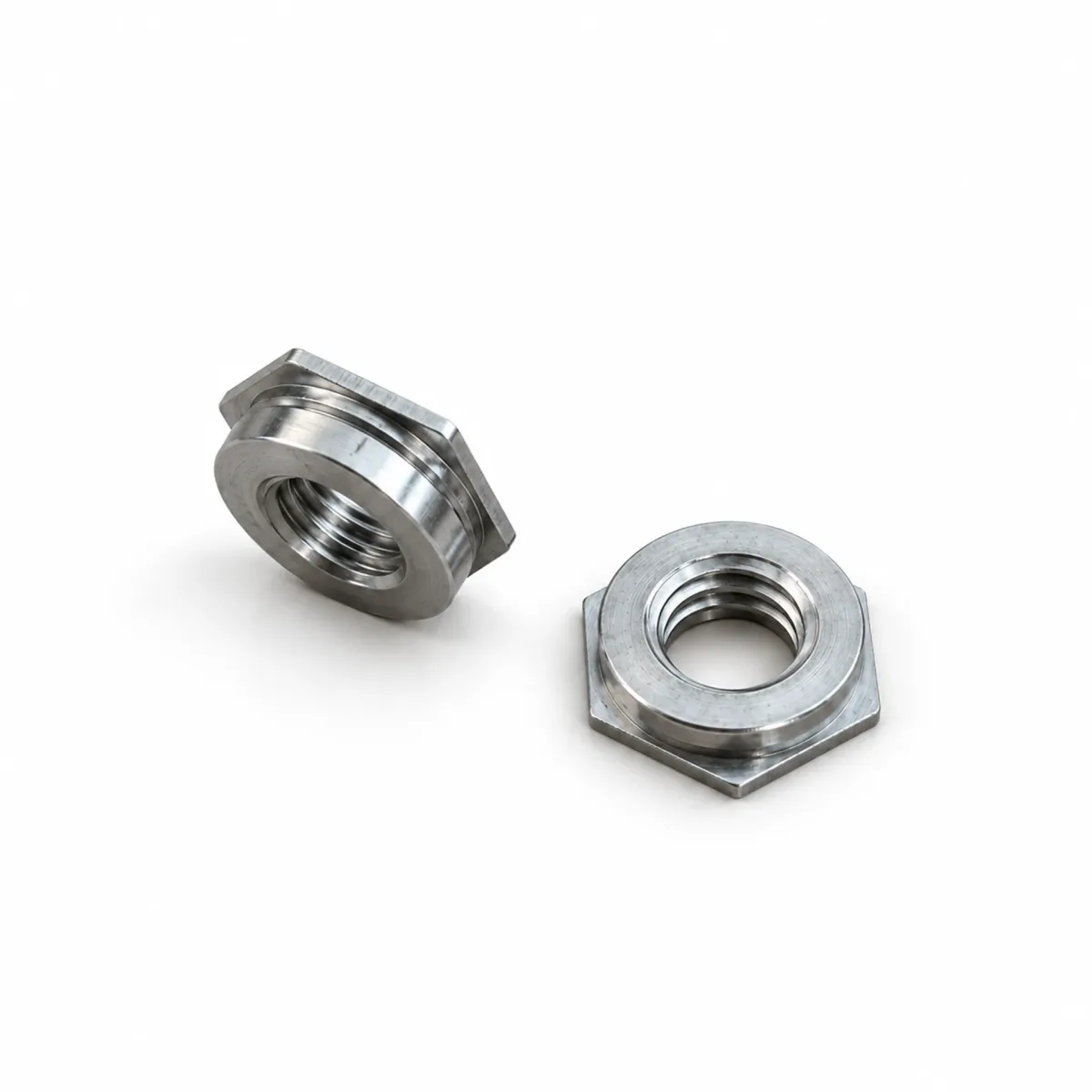
Threaded inserts for threaded fastening points
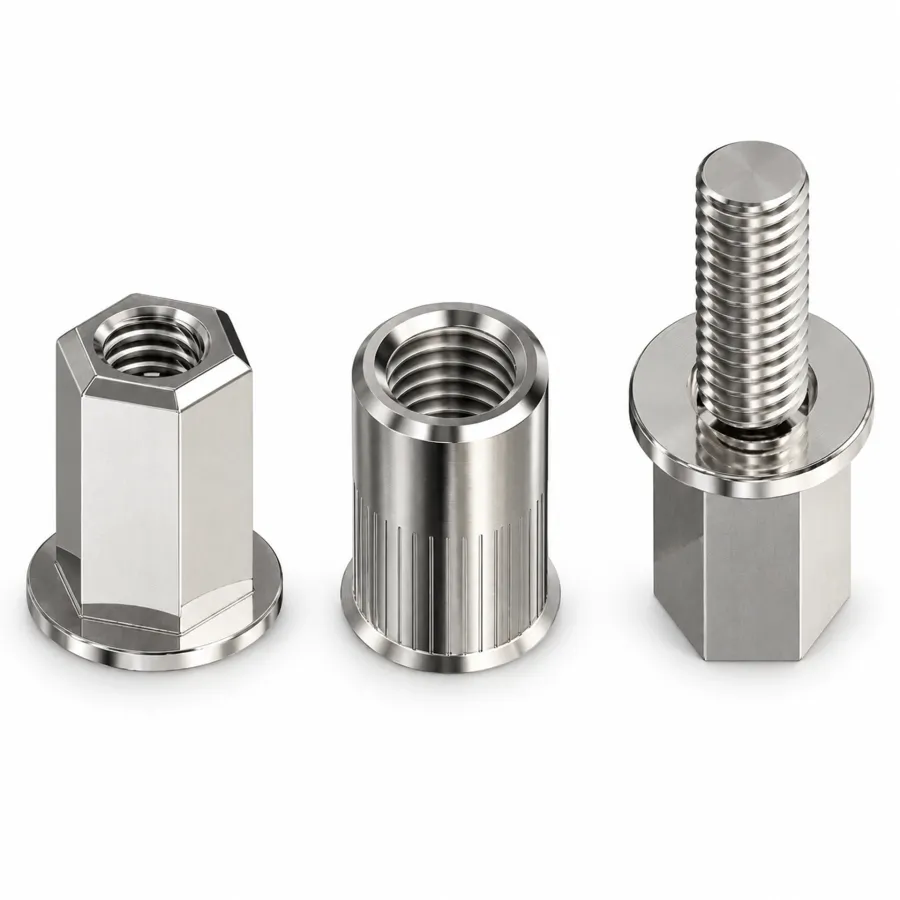
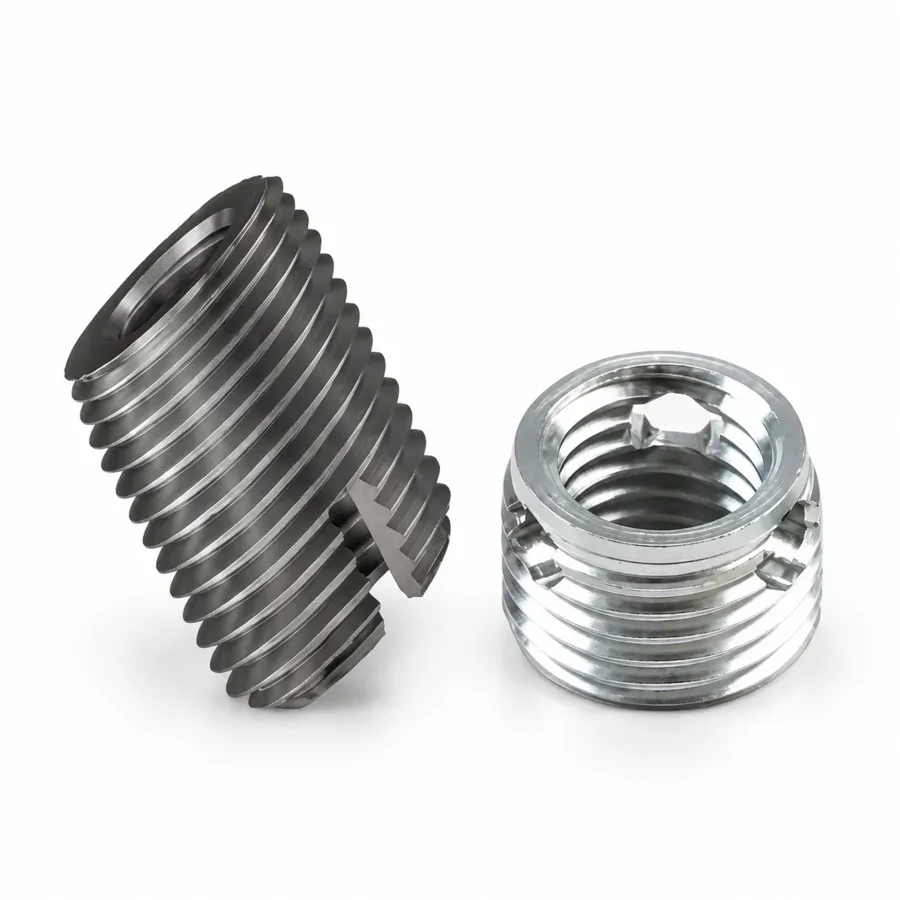
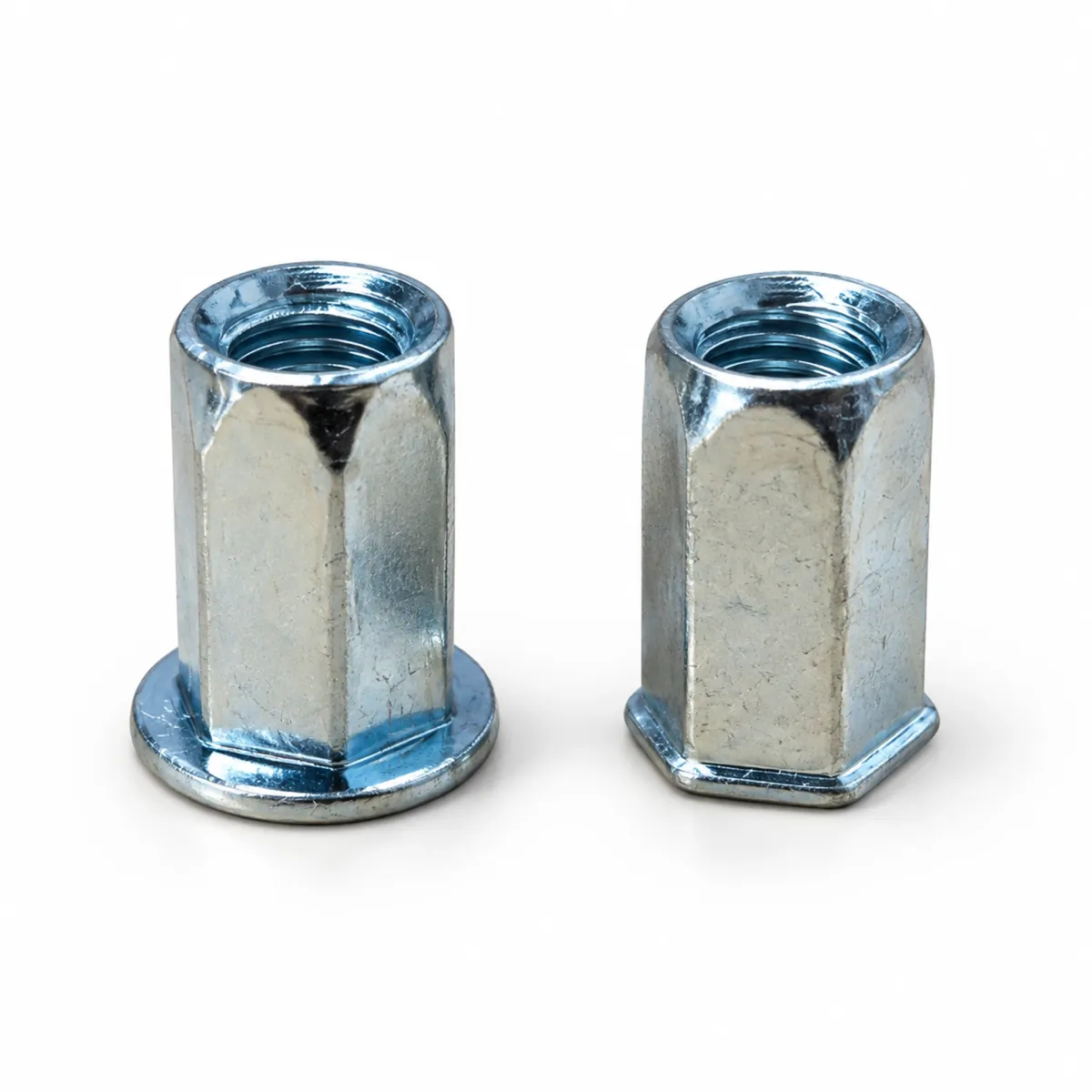
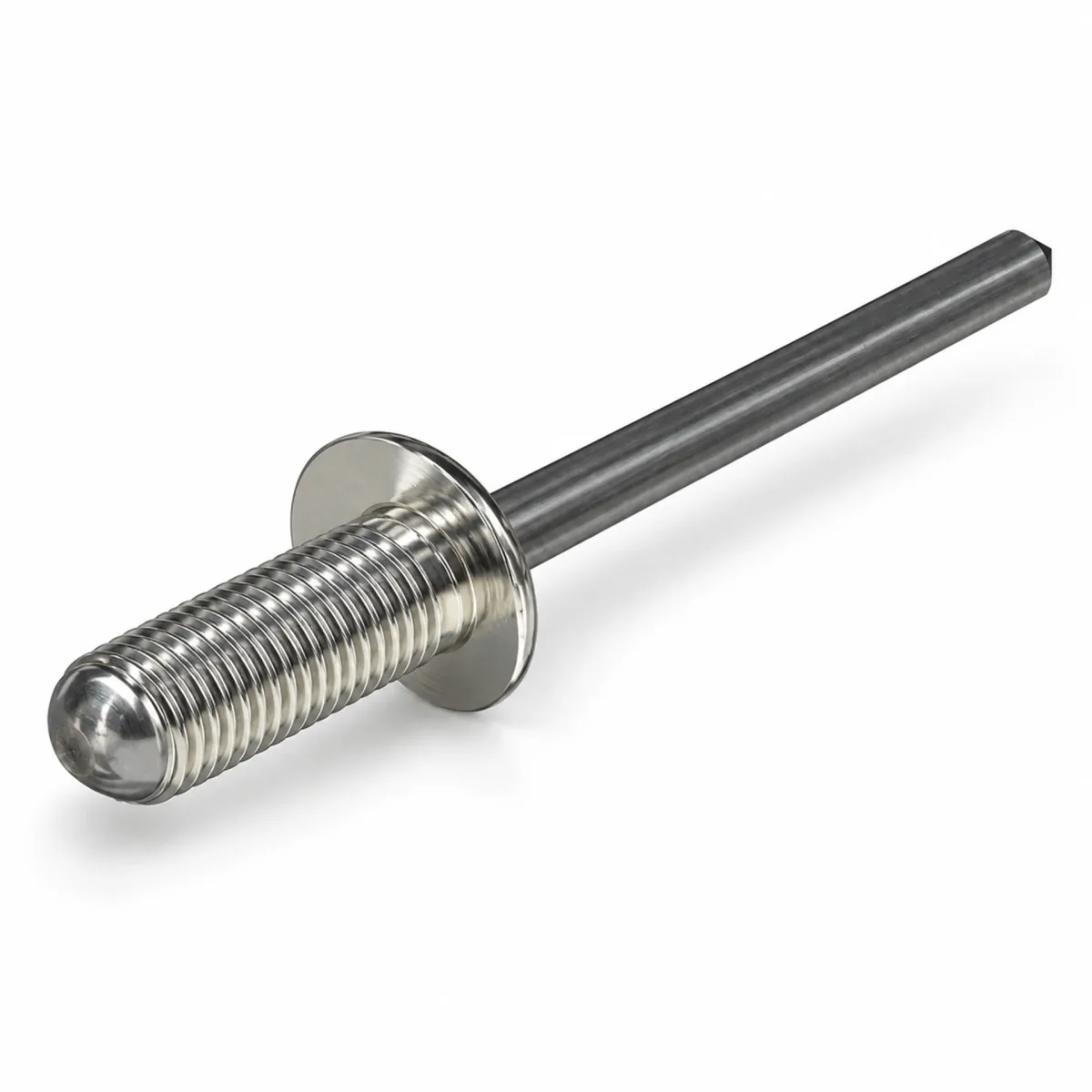
Threaded inserts provide an internal thread in sheet metal where the material is too thin for direct tapping to provide sufficient thread engagement.
During installation, a compatible rivet nut tool applies an axial pulling force, deforming the designated section of the insert behind the sheet. The fastener is secured in the prepared hole without needing access to the rear of the component.
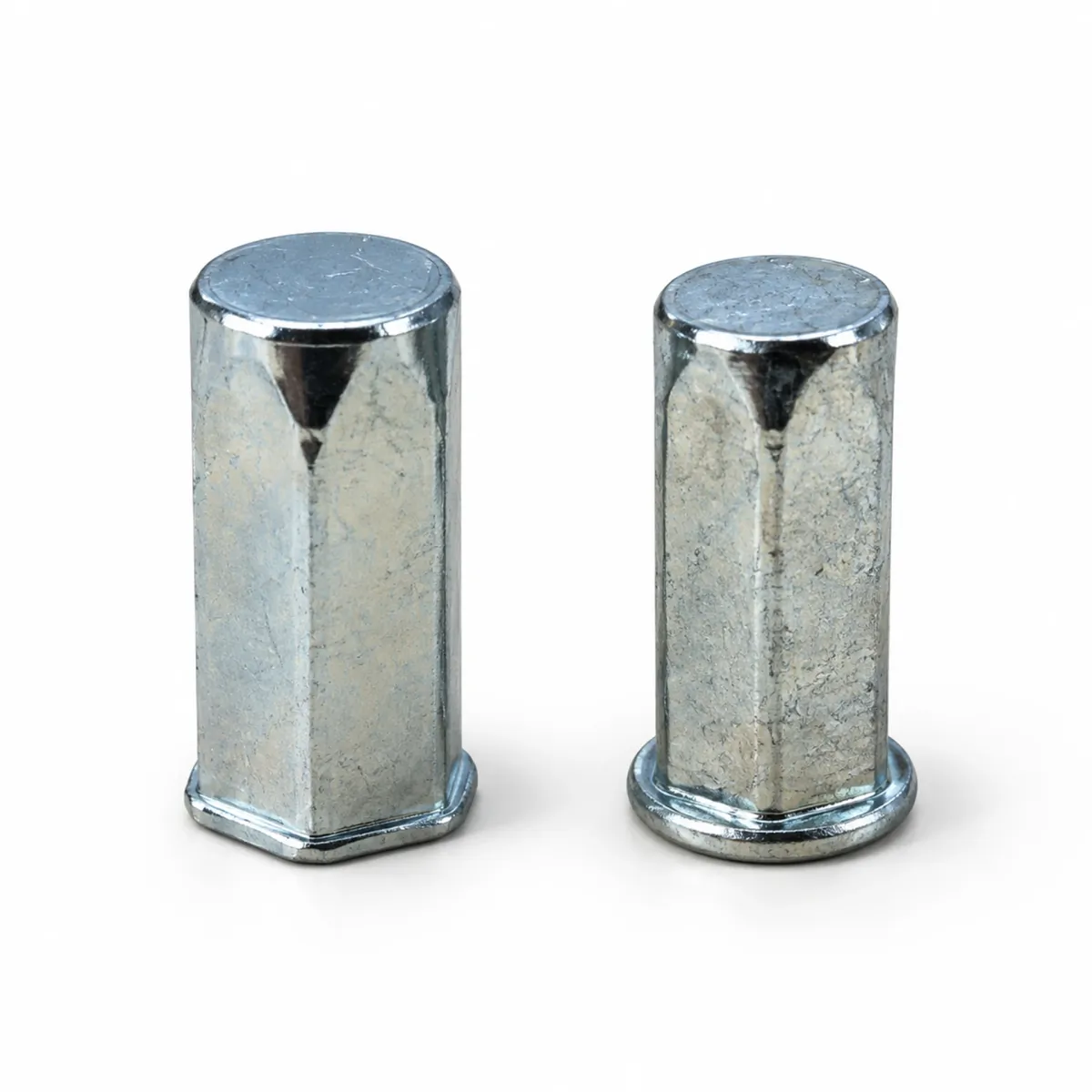
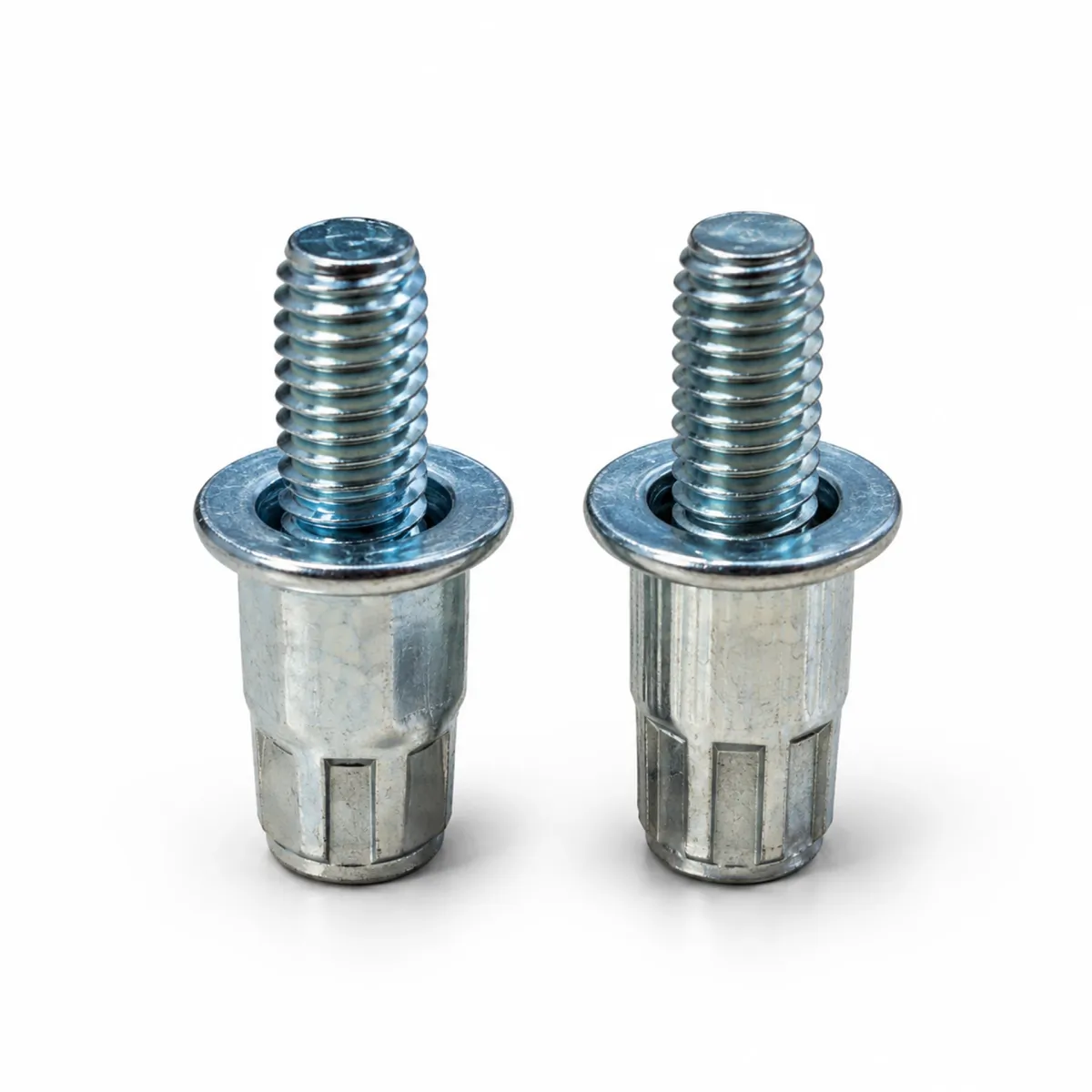
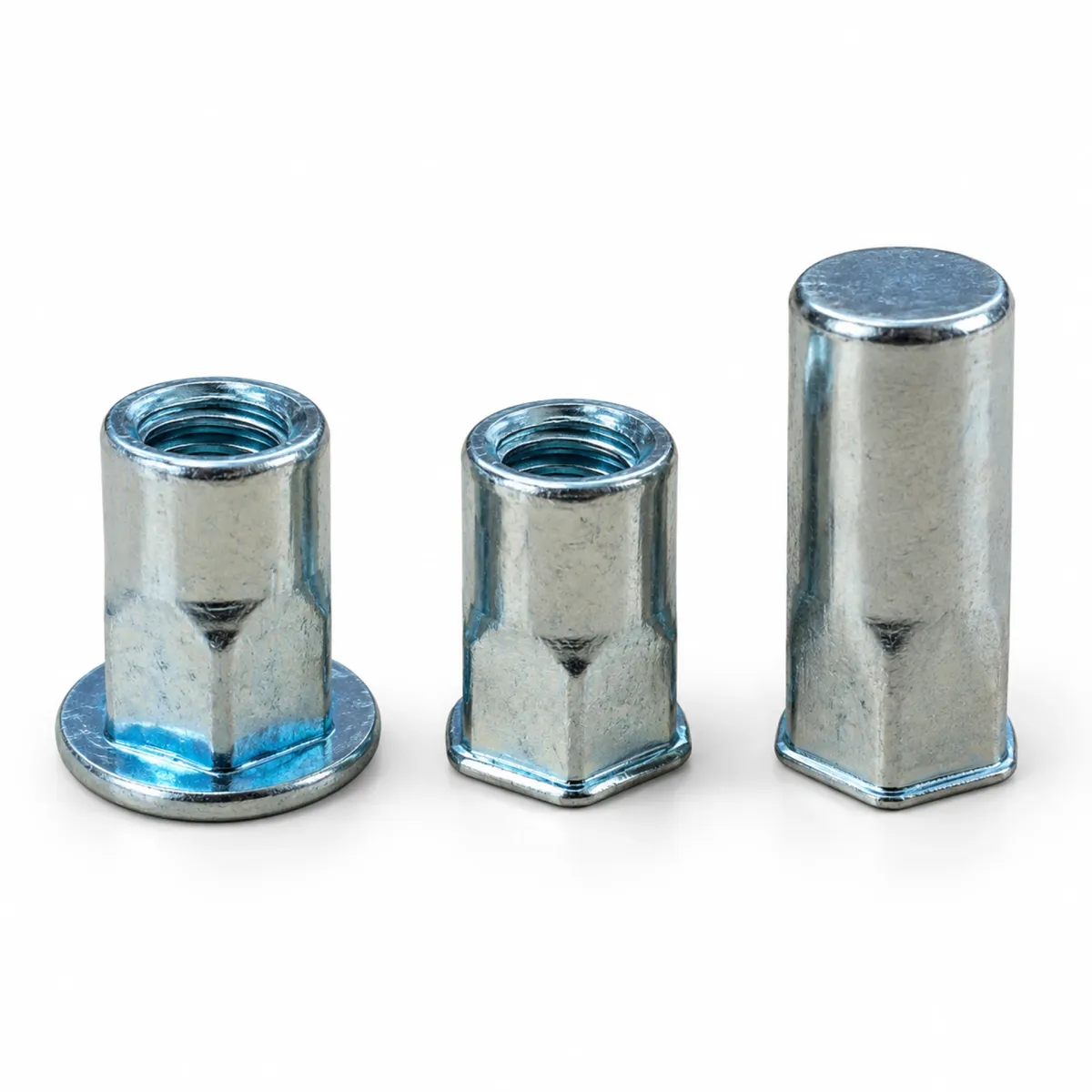
A.T.S. supplies smooth and knurled round-body rivet nuts, hexagonal and semi-hexagonal versions, closed-end designs and externally threaded rivet studs. The selected body shape, grip range and hole dimensions affect the resistance to turning and the behaviour of the fixing under load.
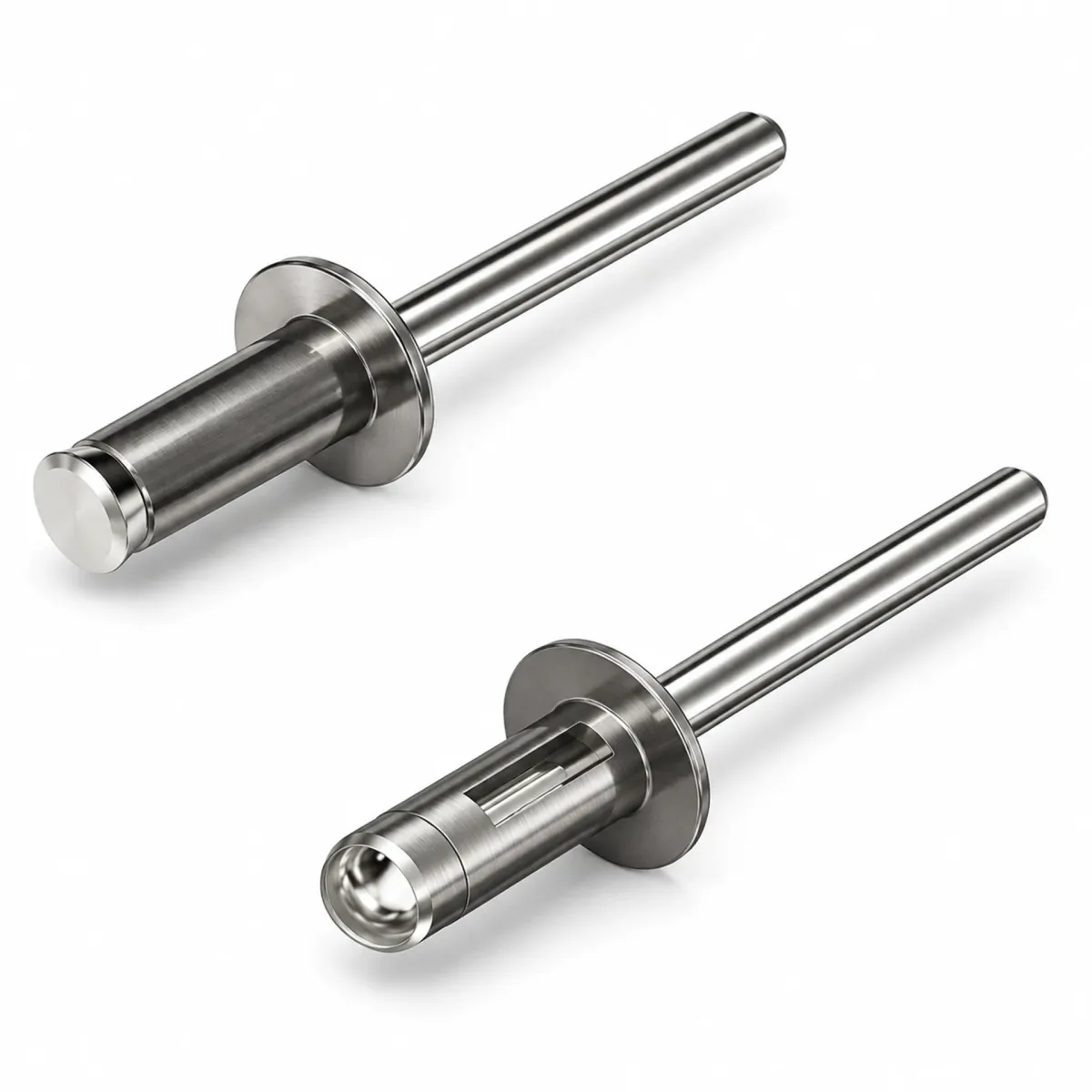
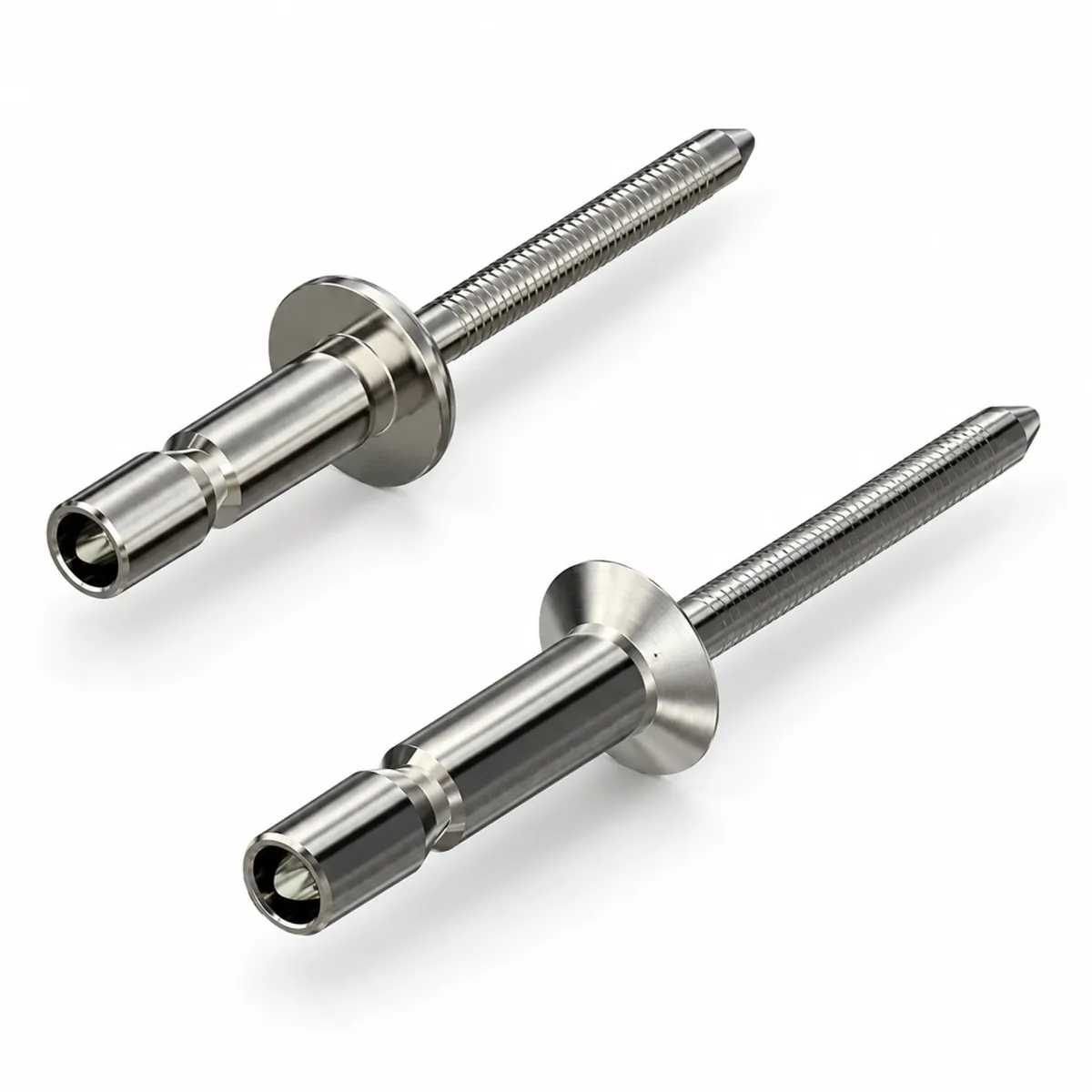
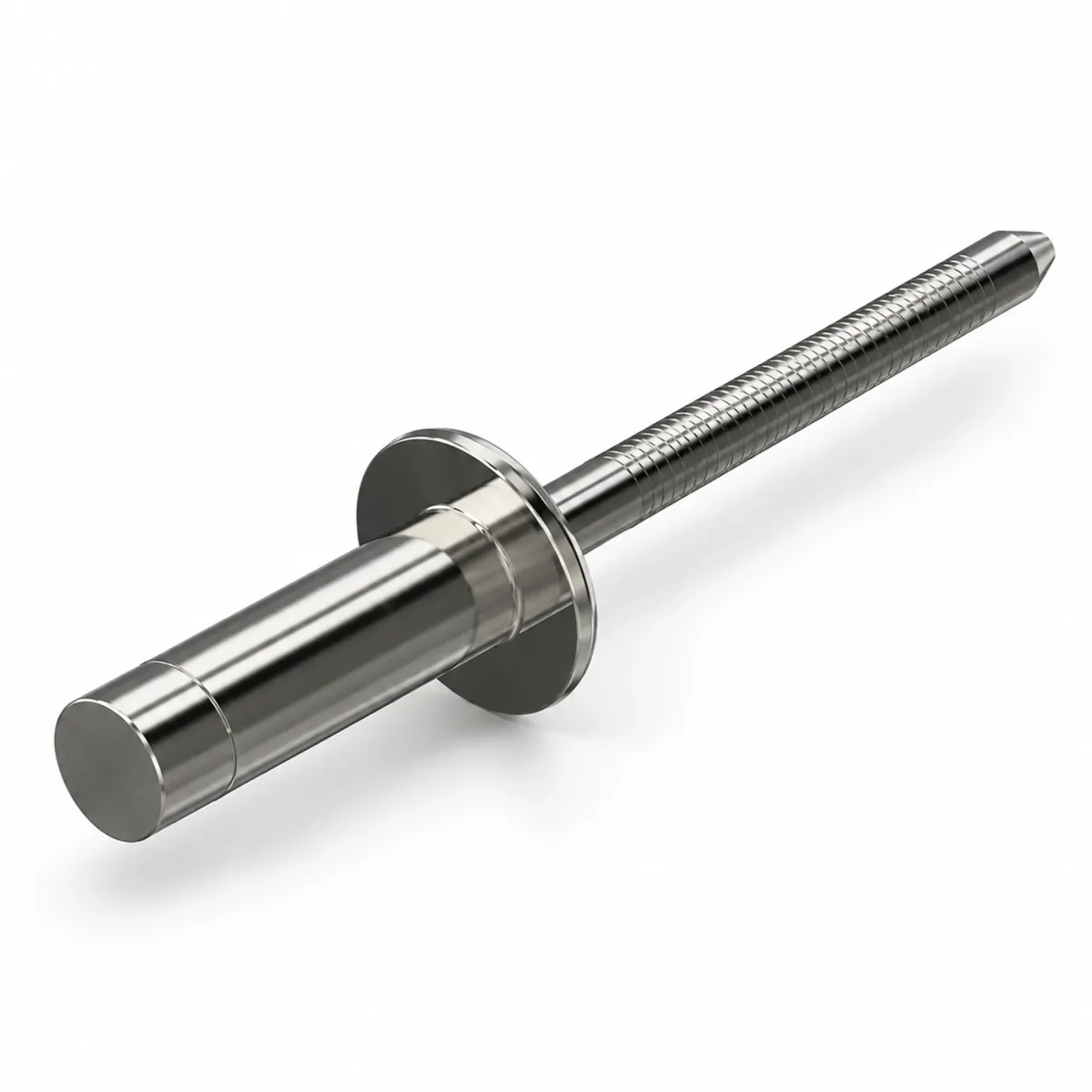
Blind rivets for permanent sheet metal joints
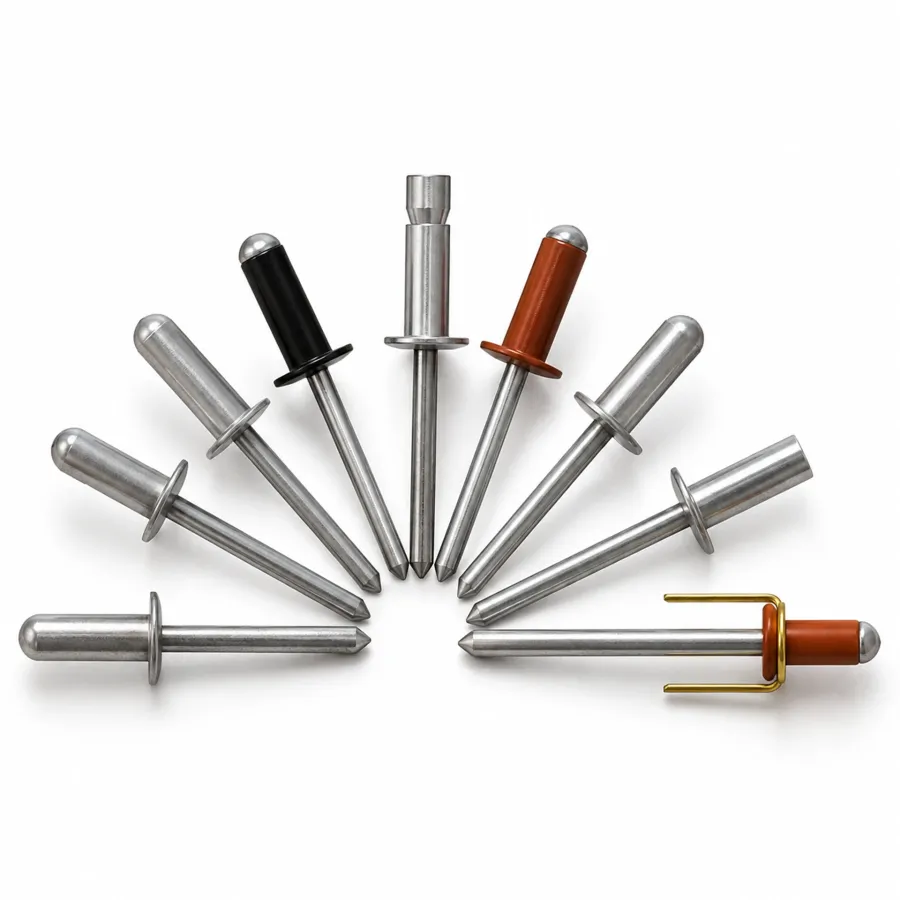
Blind rivets join prepared components using a permanent mechanical fixing. They are particularly useful for box sections, panels and assemblies where rear access is restricted.
A riveting tool pulls the mandrel, causing the rivet body to expand behind the materials being joined. Once correctly installed, the rivet provides the mechanical connection between the components.
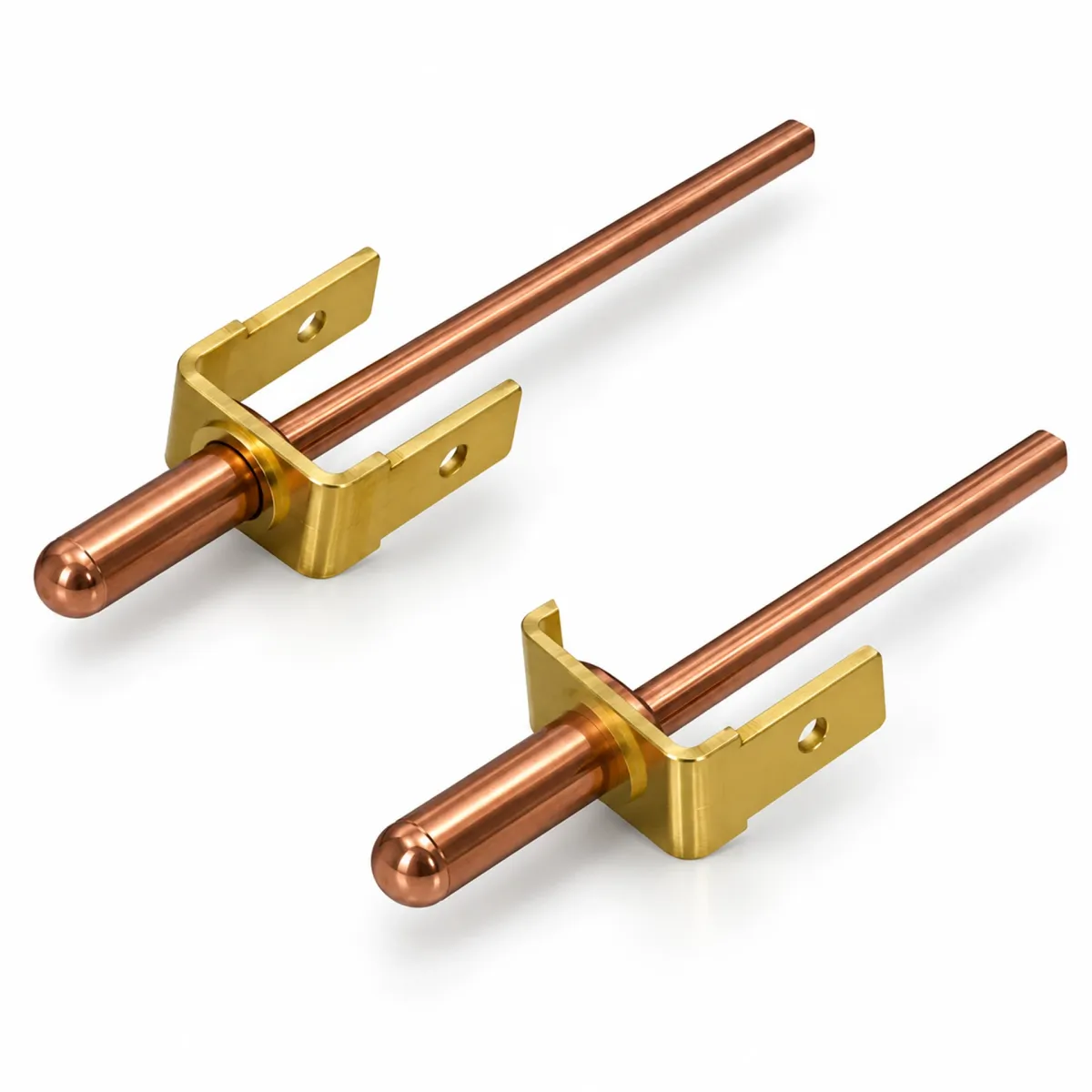
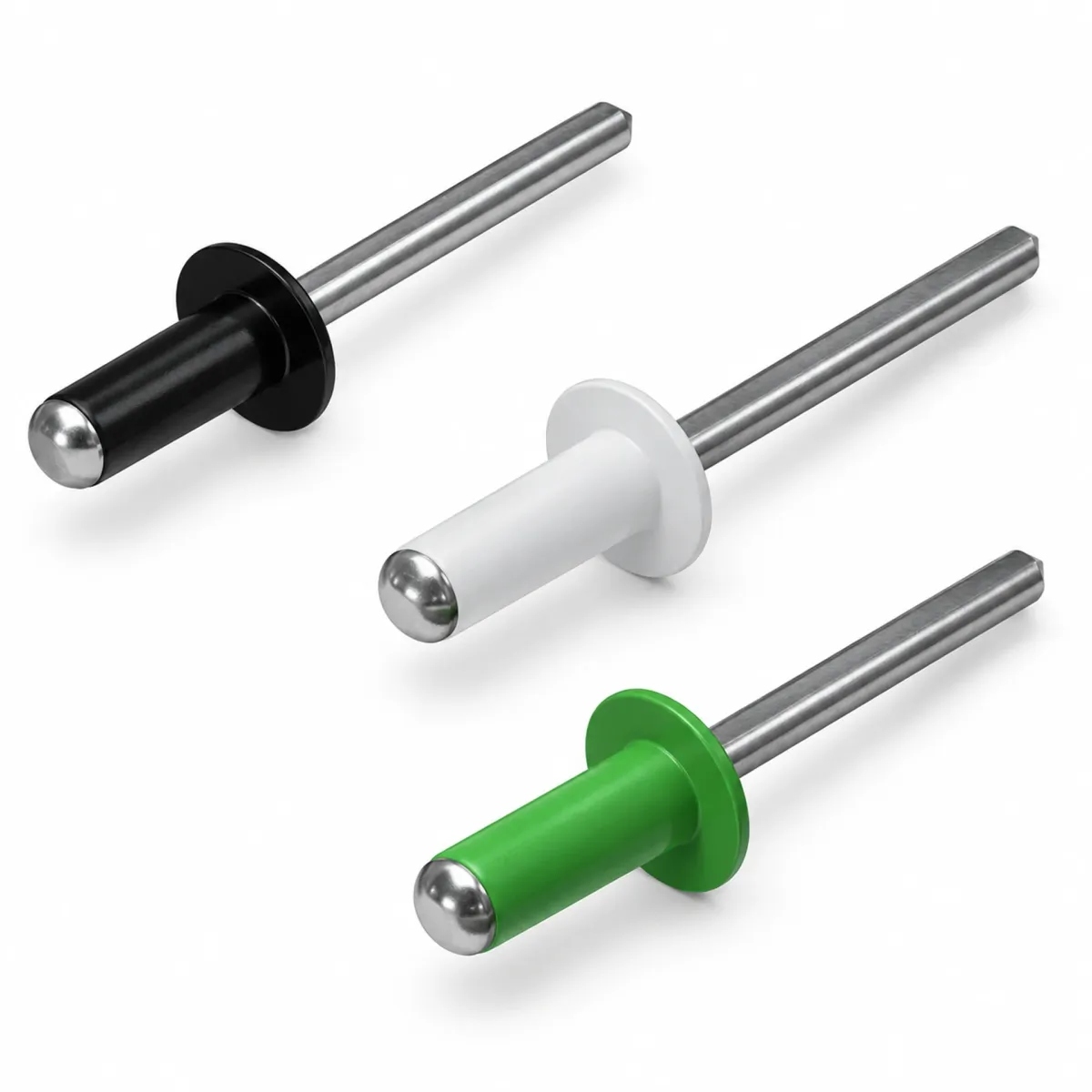
The A.T.S. range includes standard, multi-grip, structural and sealed blind rivets, along with versions for particular materials or assembly requirements. Rivet diameter, total material thickness, hole preparation and expected loads must be considered when choosing the appropriate design.
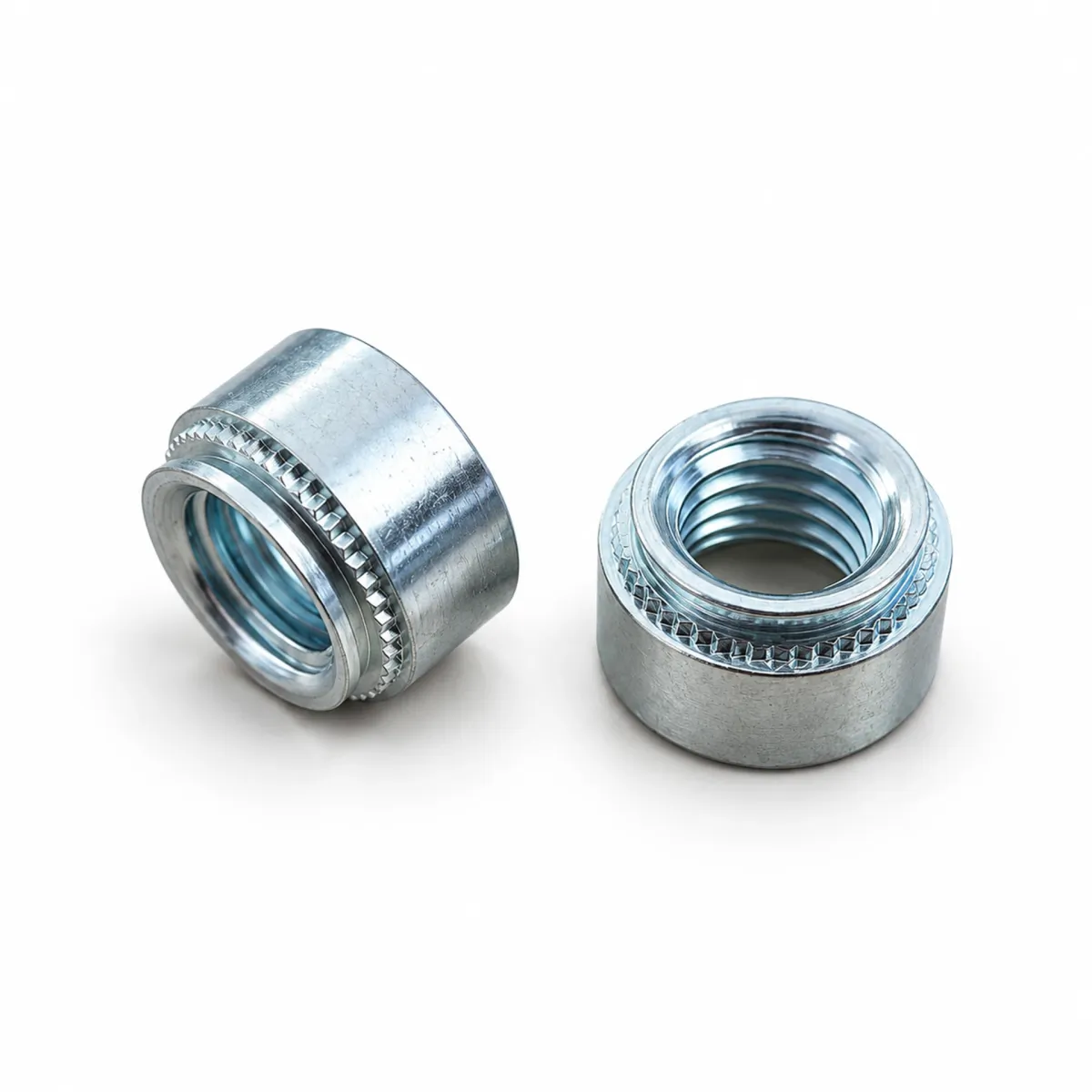
Self-clinching fasteners installed by pressing
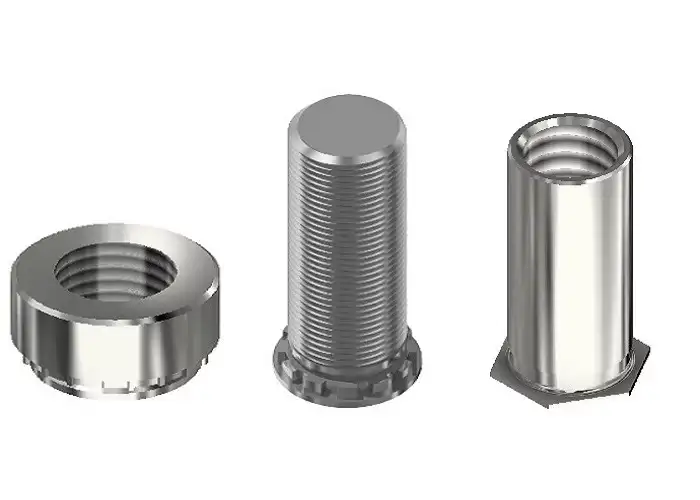
Self-clinching fasteners provide threaded or non-threaded fixing features in suitable sheet metal components without welding.
During installation, a controlled pressing force causes the sheet material to flow locally into the fastener's retaining features. This mechanical interlock holds the fastener in place.
The range includes self-clinching nuts, studs, standoffs and captive screws. Their installation depends on the sheet material, hardness, minimum thickness and prepared hole dimensions. A suitable press and tooling must be used to achieve the required fixing performance.
Selecting a fastening system for sheet metal
Blind rivet nuts are suitable when a reusable threaded connection is needed and the component can only be reached from one side. Blind rivets provide permanent joints between prepared parts, while self-clinching fasteners are installed during sheet metal processing when the material and press access allow.
A.T.S. provides technical guidance for selecting industrial sheet metal fasteners, taking into account component geometry, material properties, installation equipment and joint requirements. Matching the fastener to the production process helps prevent installation defects and supports consistent assembly results.
The right solution for your application, with the support of our experts
Our experts will help you find the right product for your needs, with no obligation. Tell us what you need: together we will find the most suitable solution.
Contact us, no obligation