





Stud welding machines and guns
37 products available
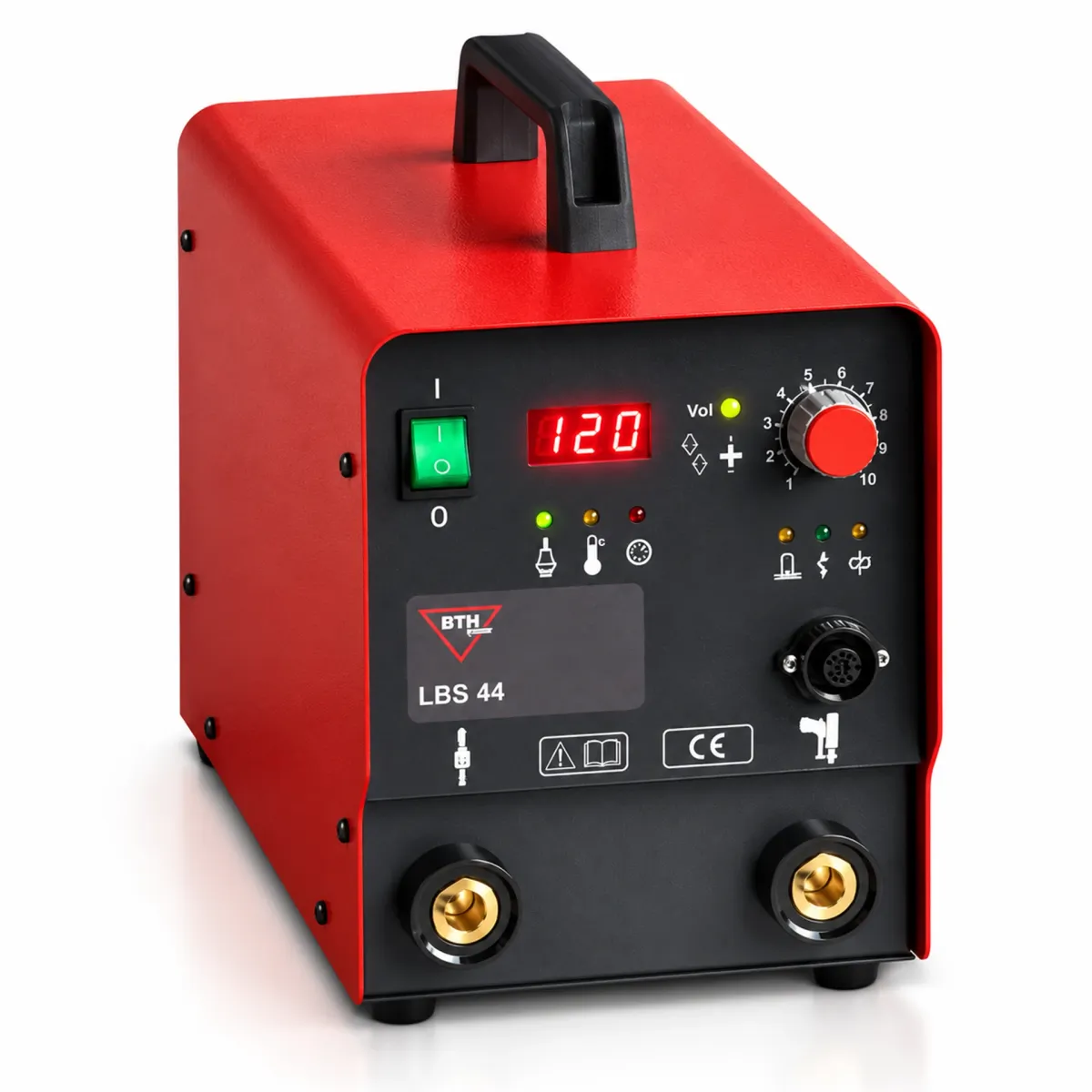
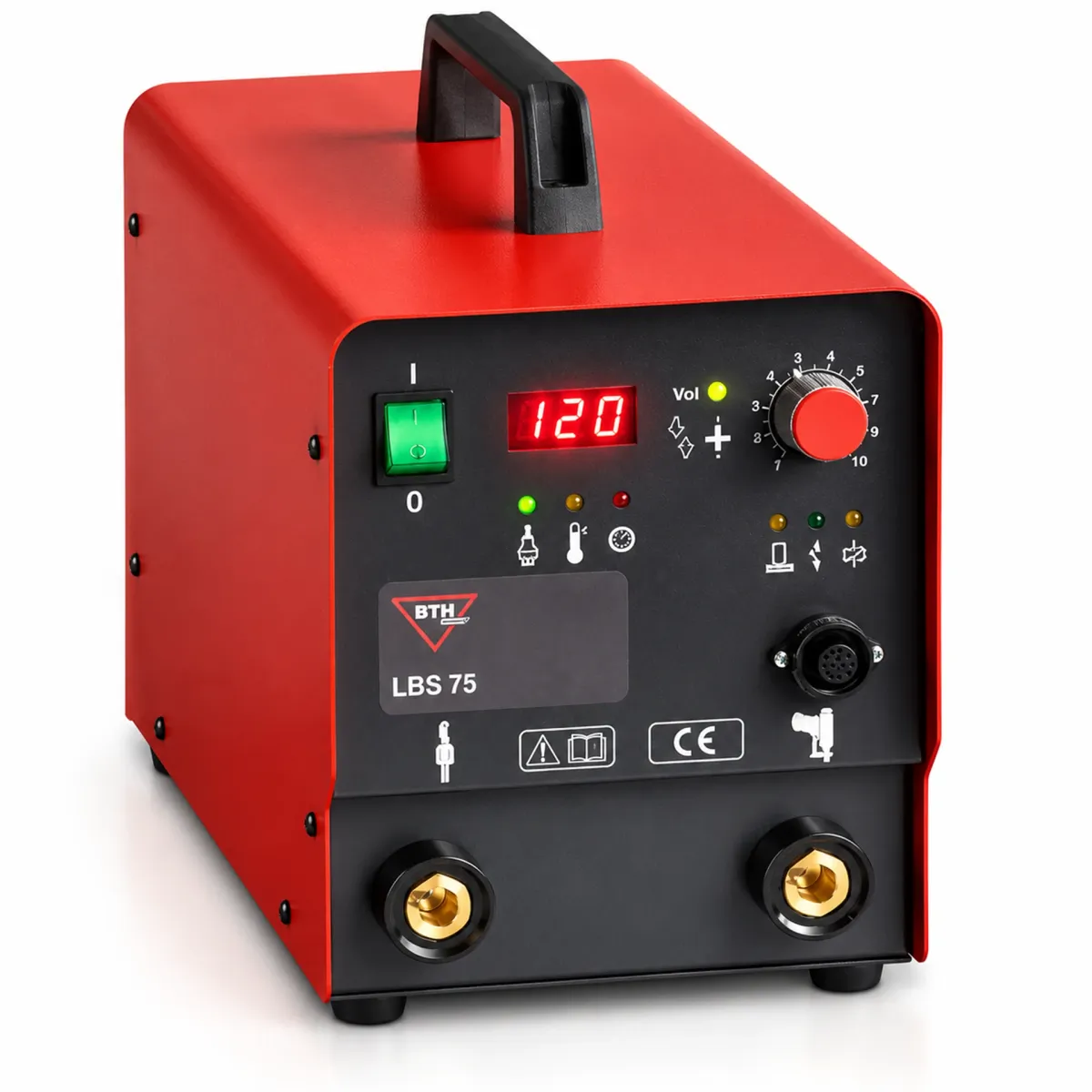
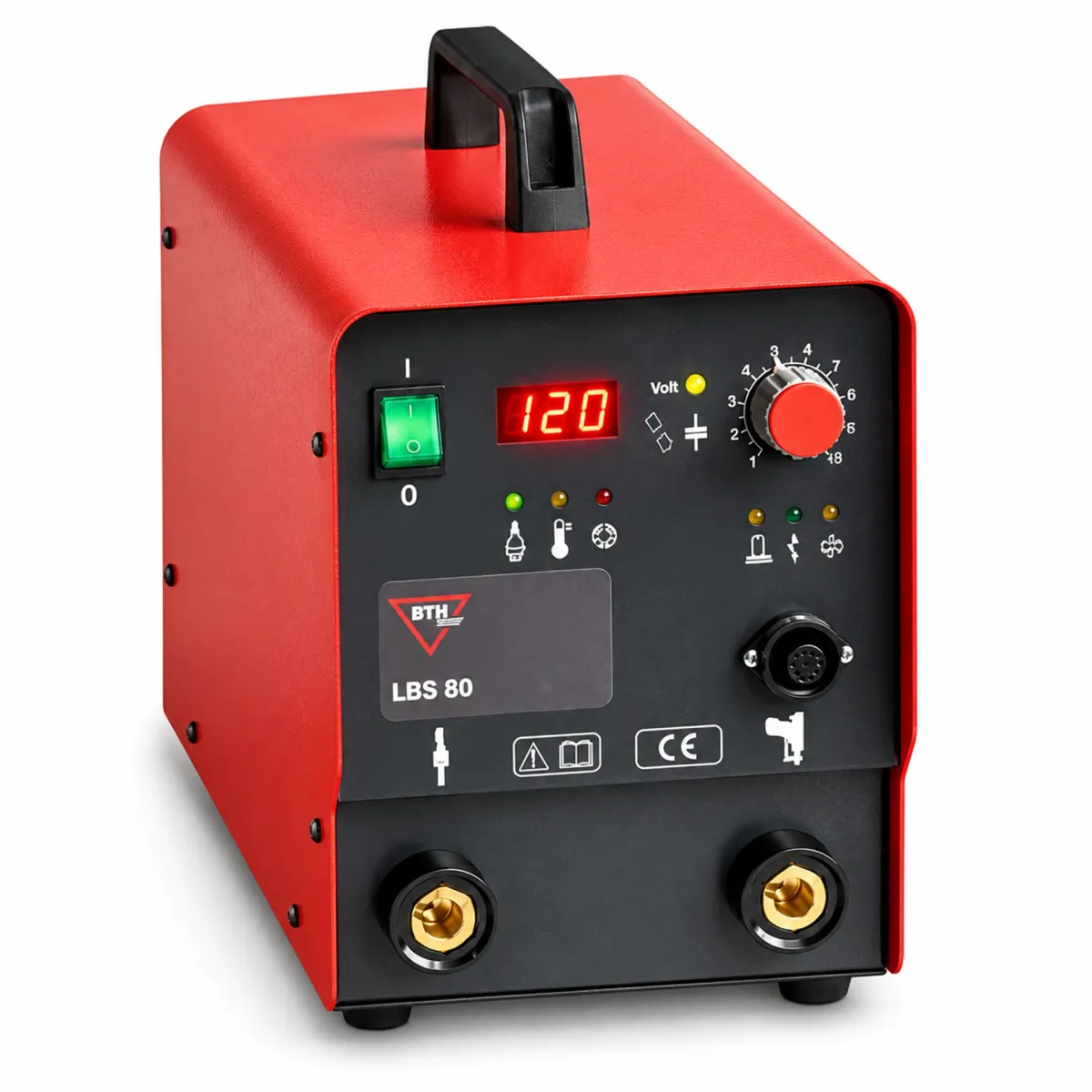
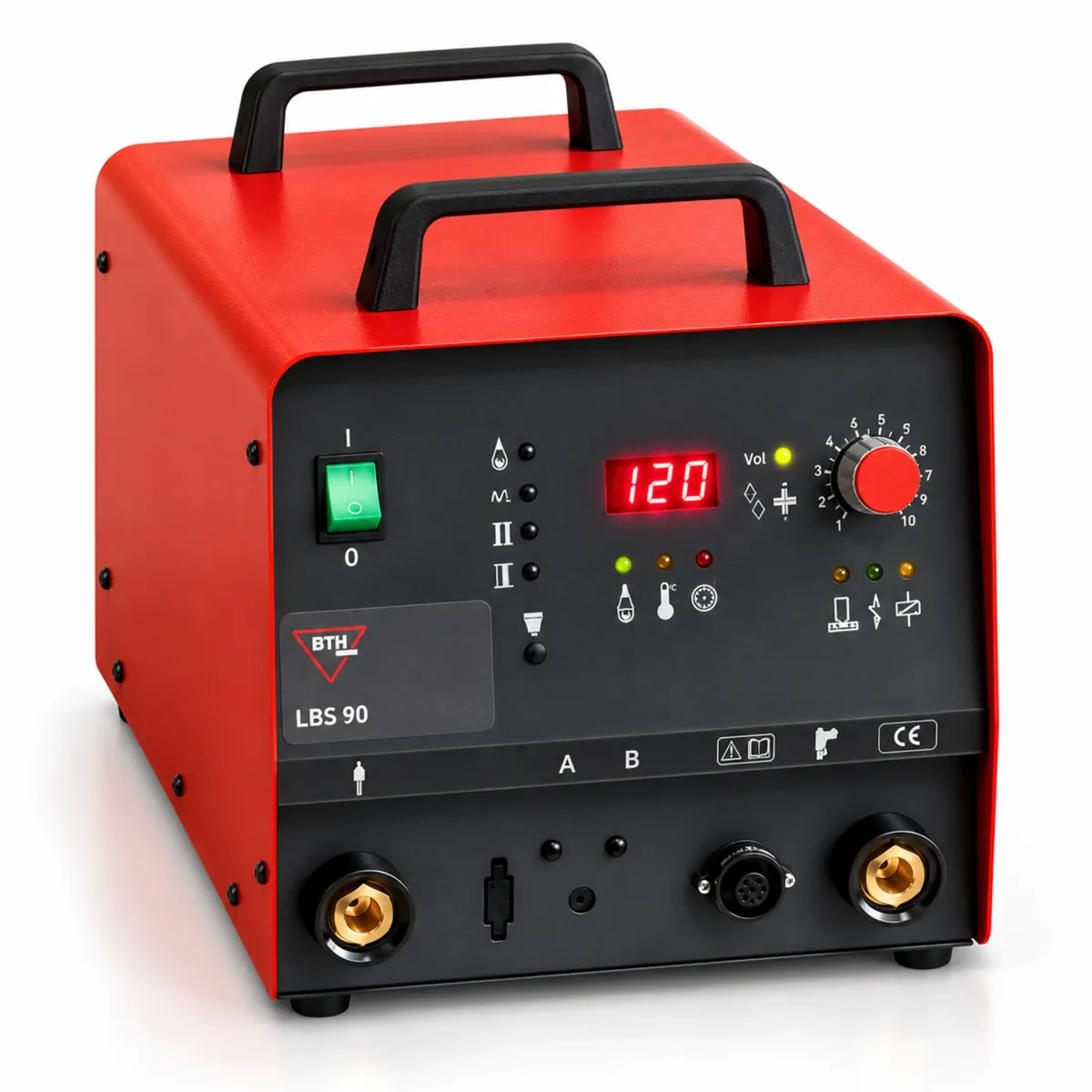
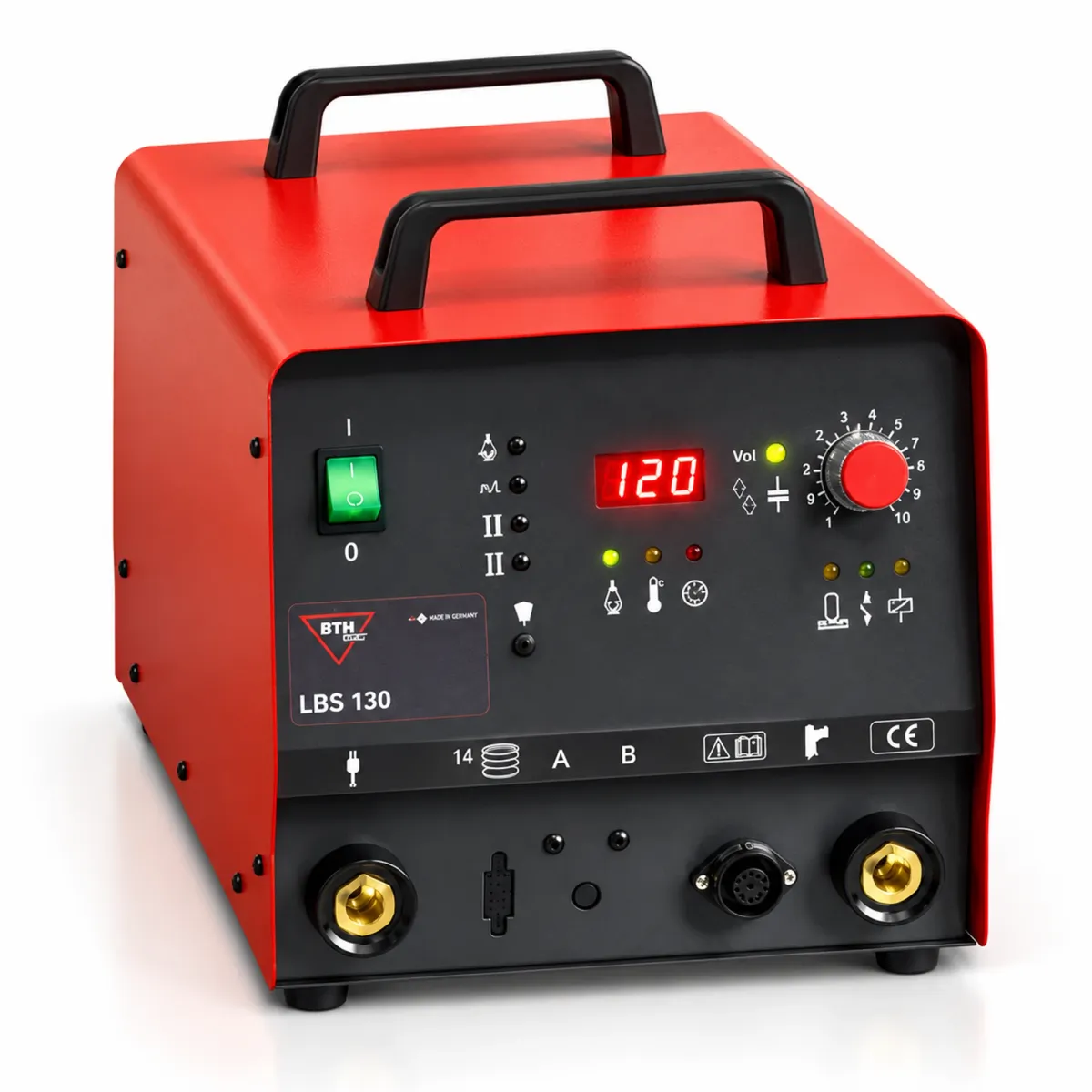
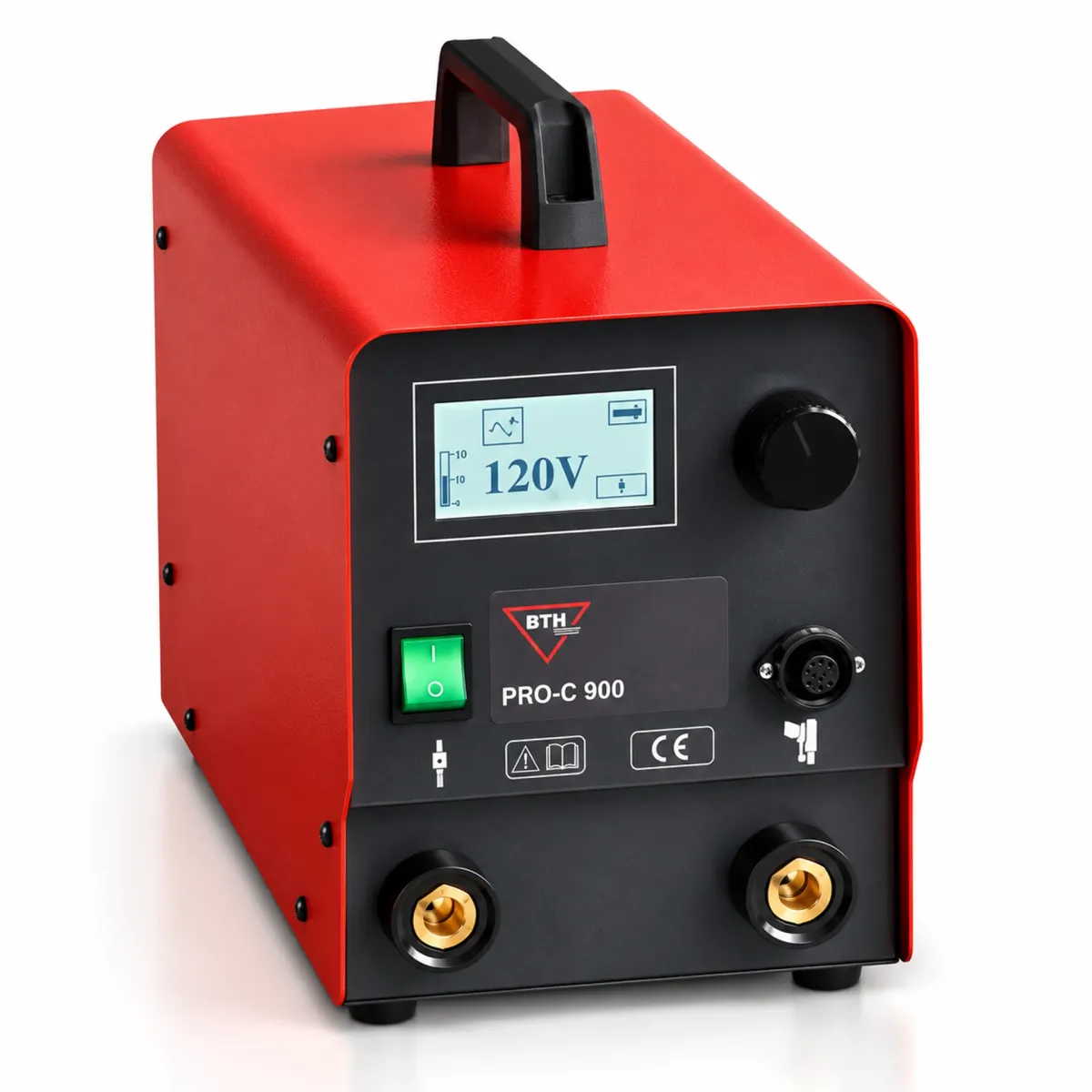
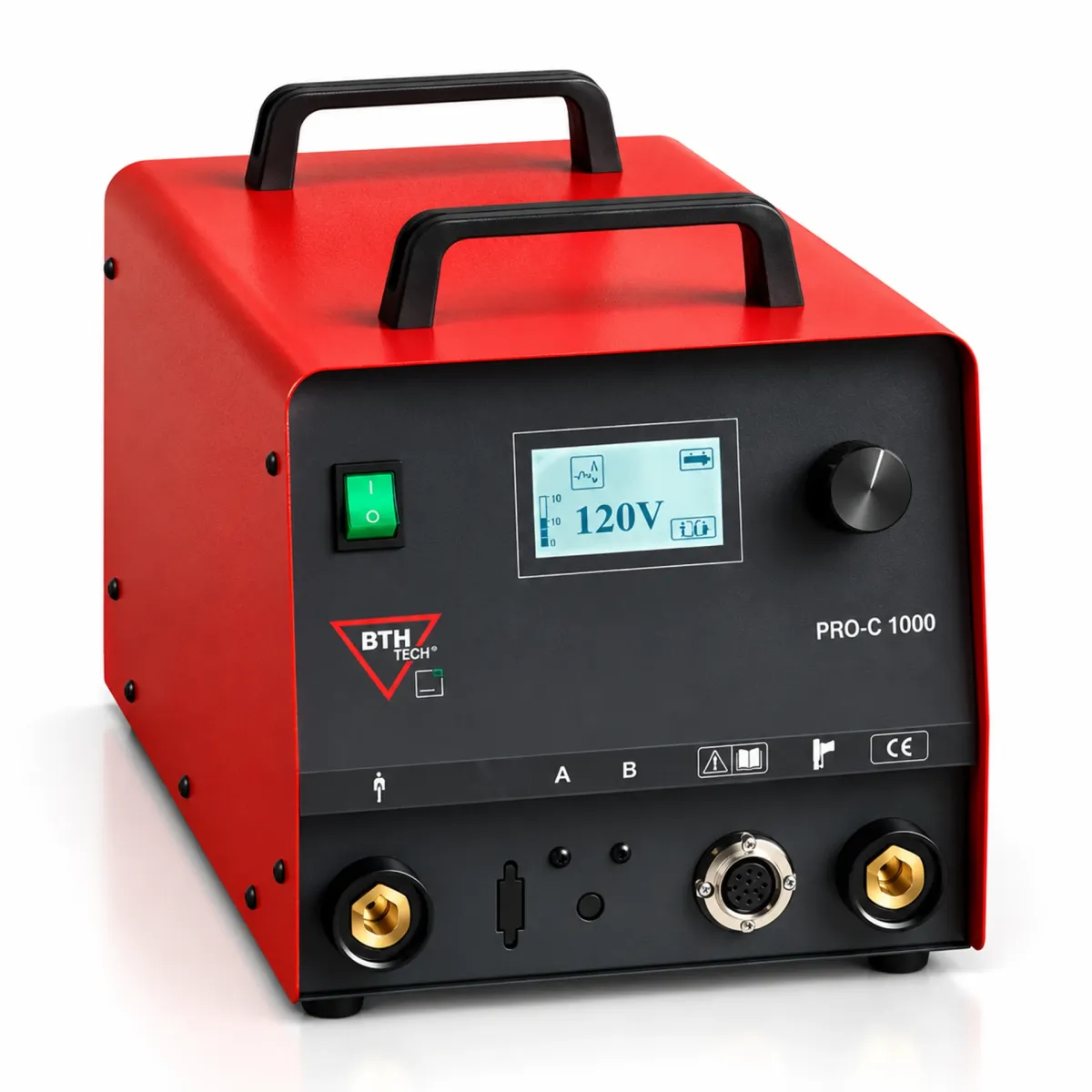
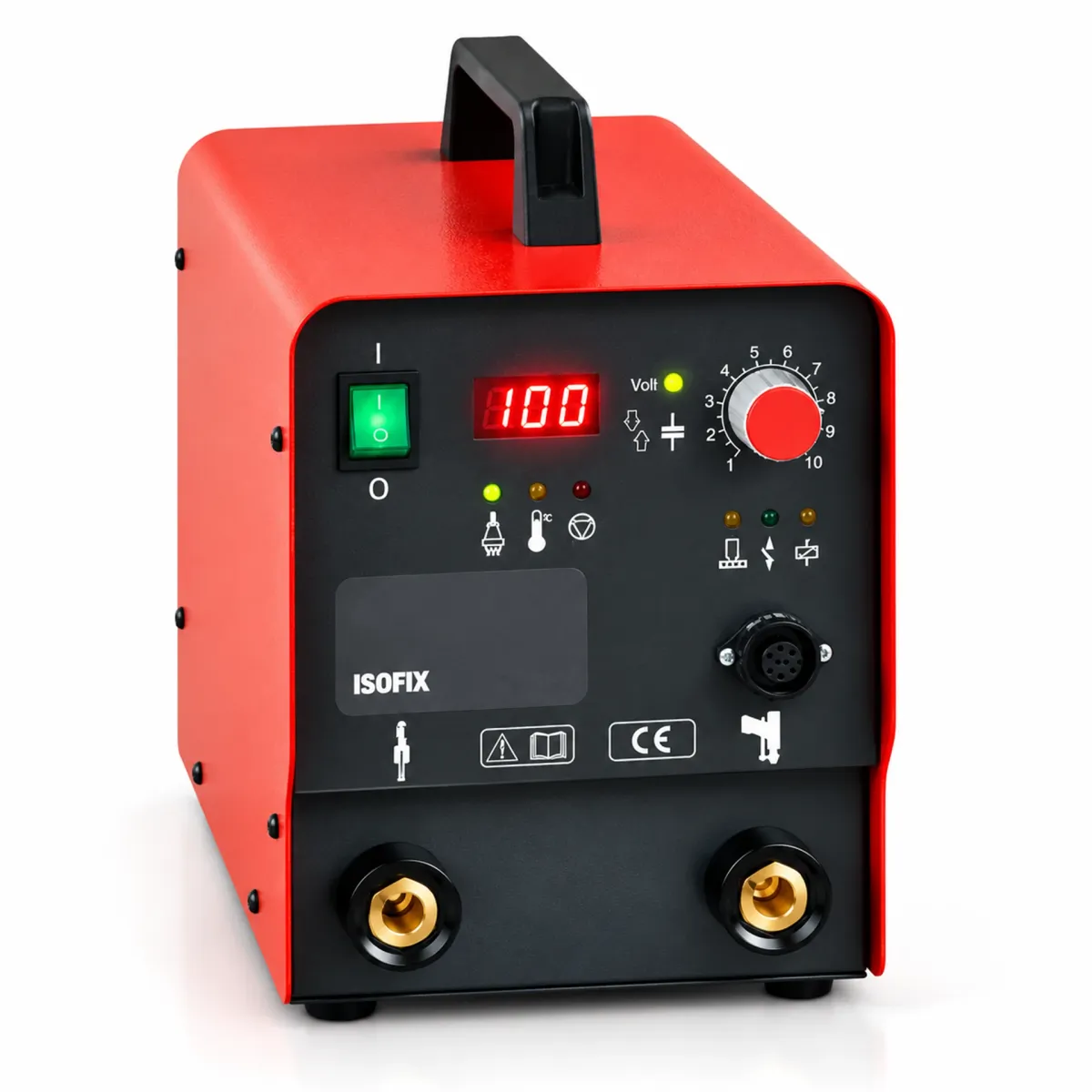
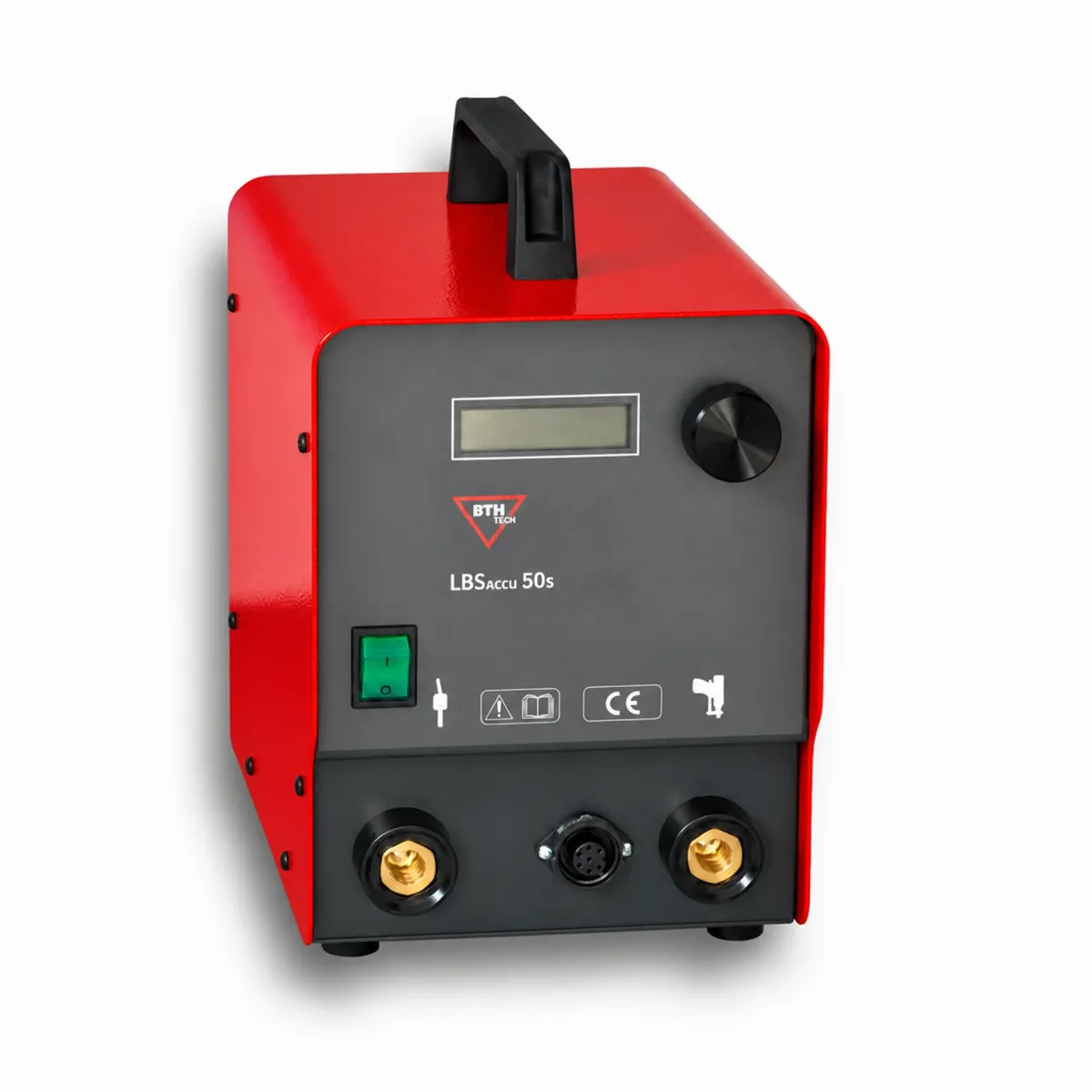
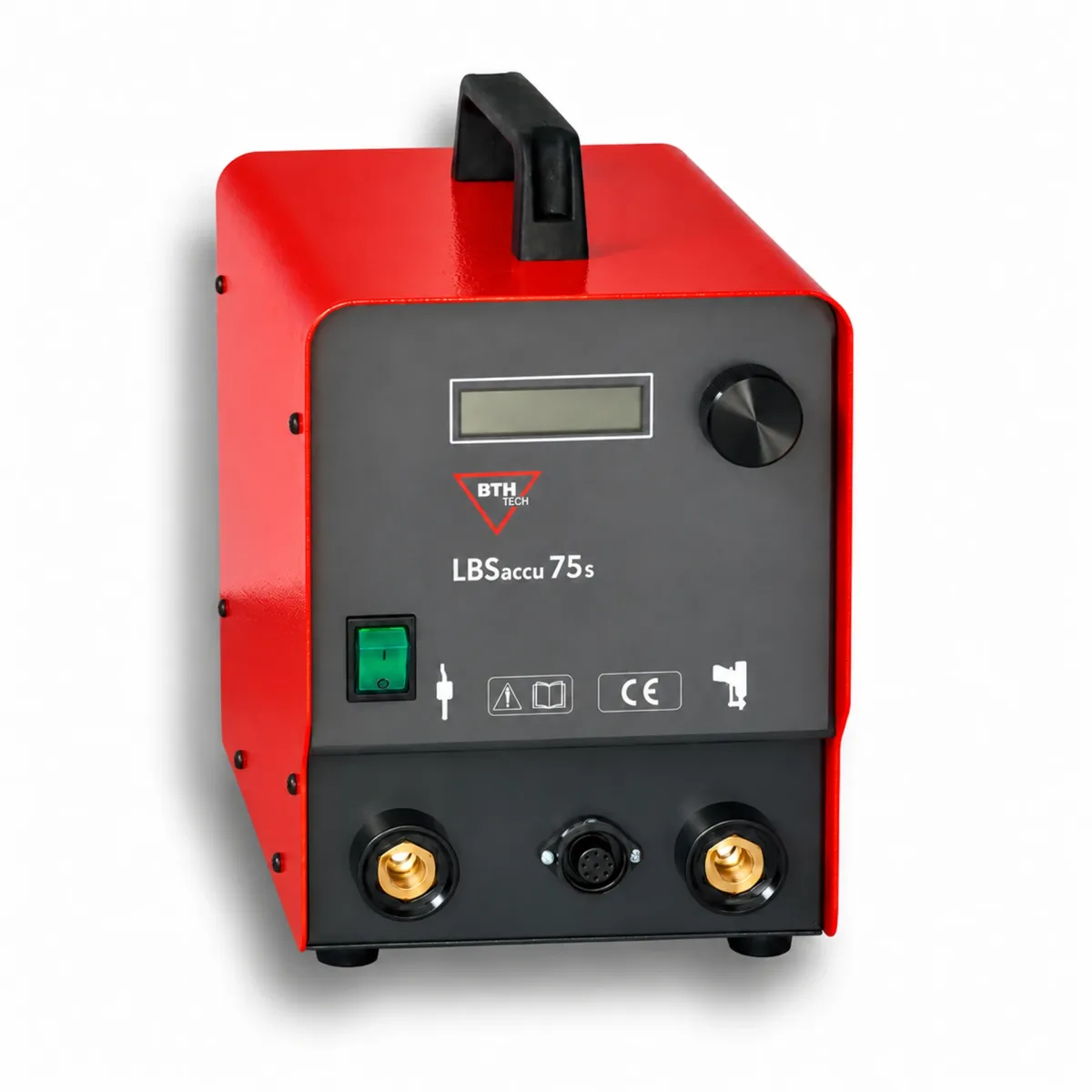
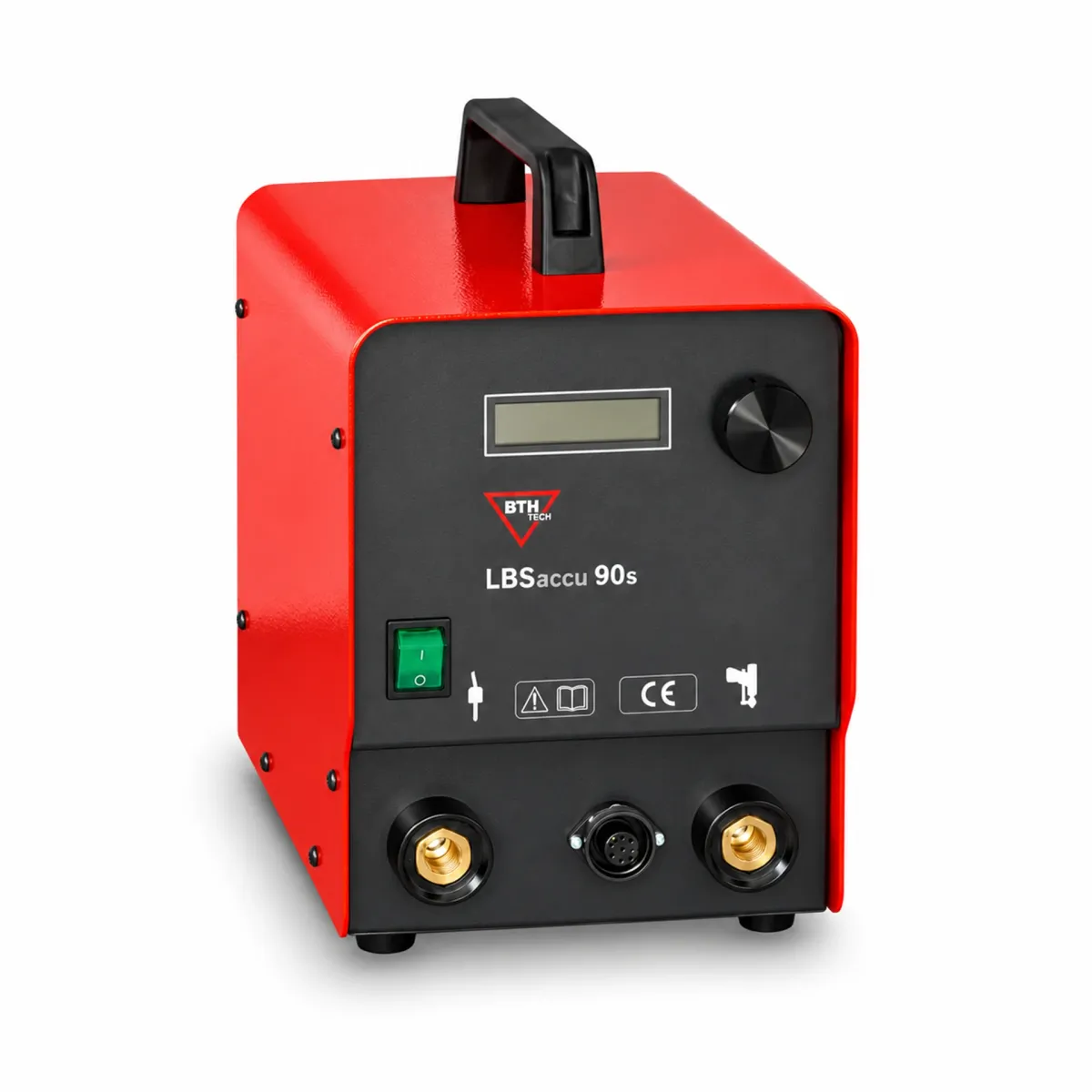
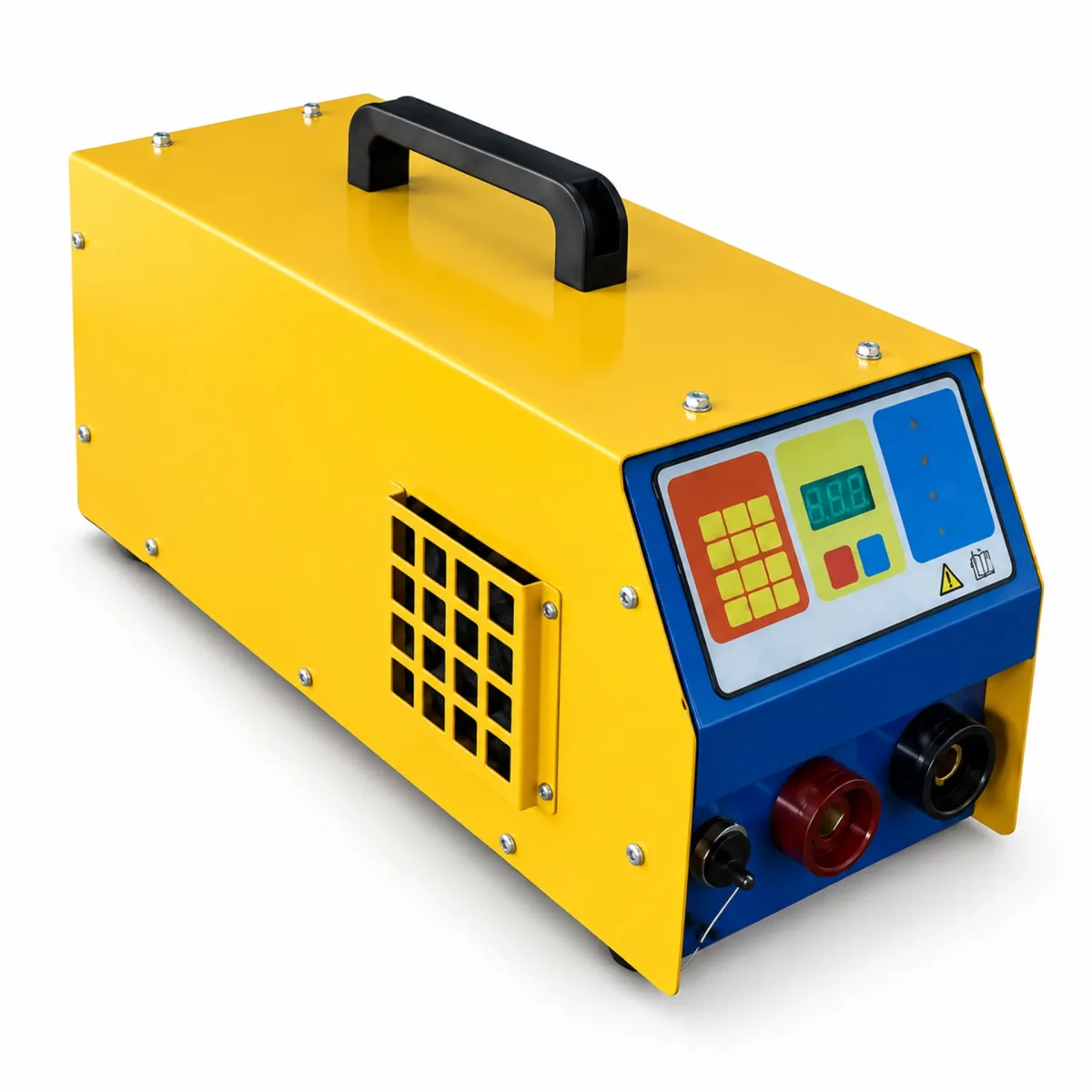
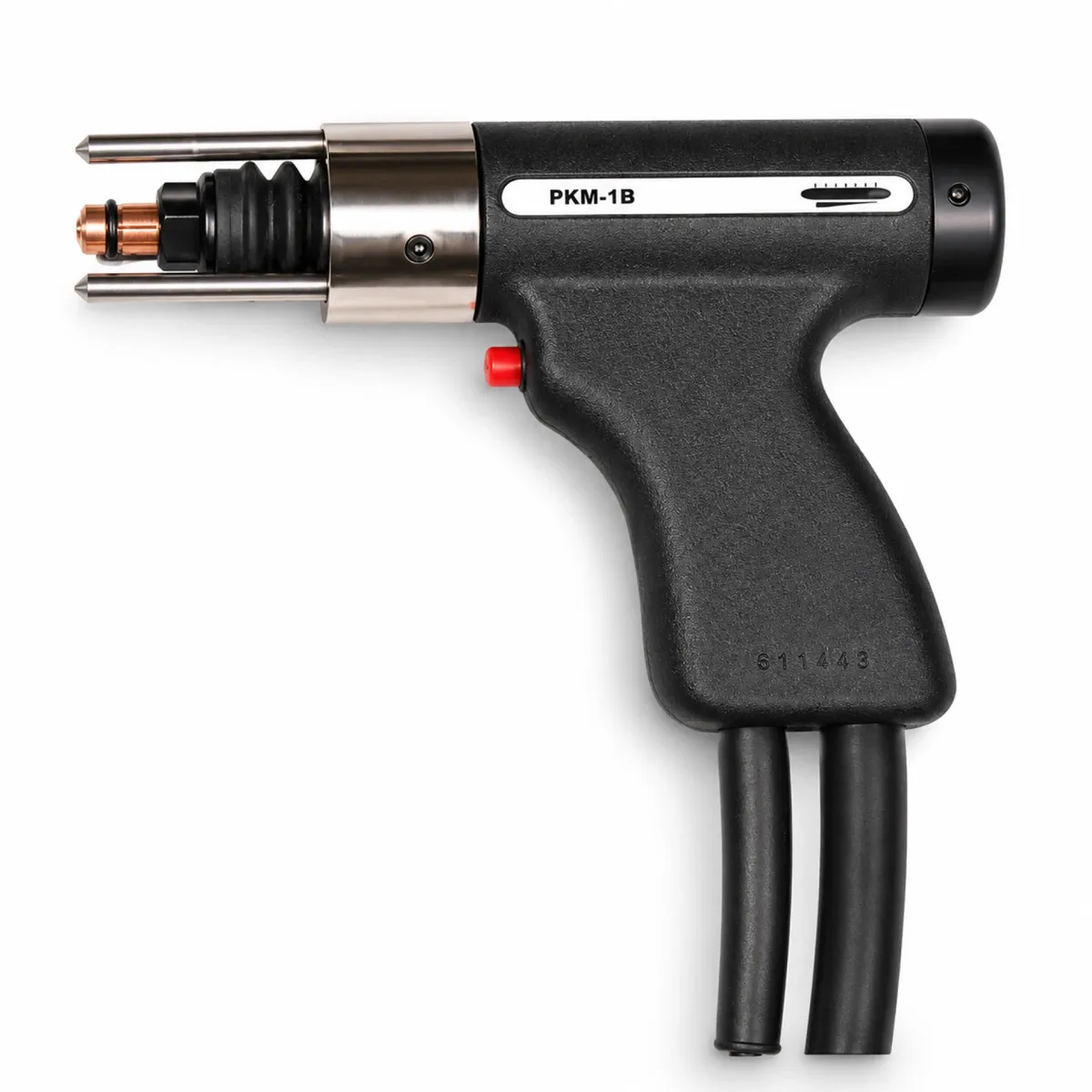
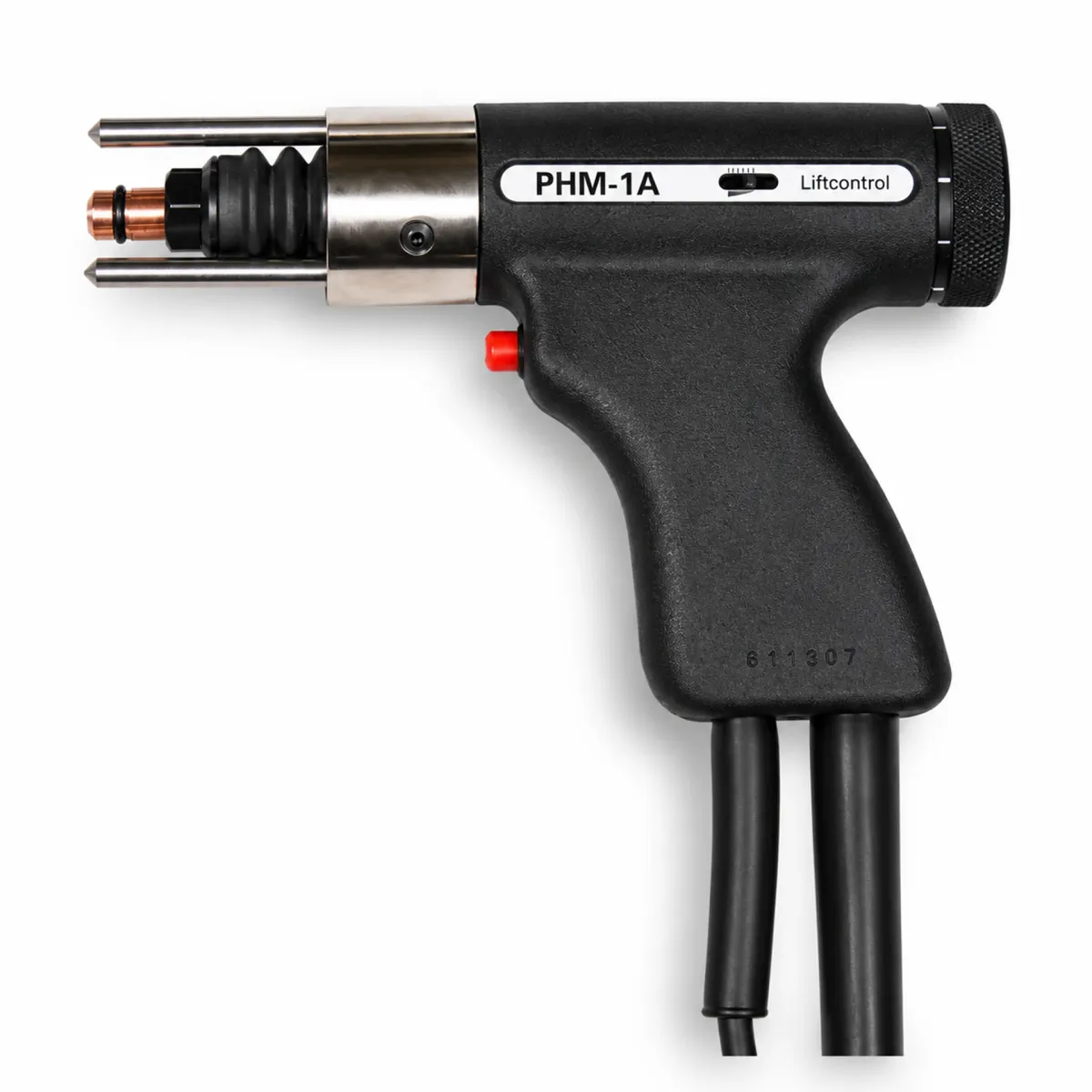
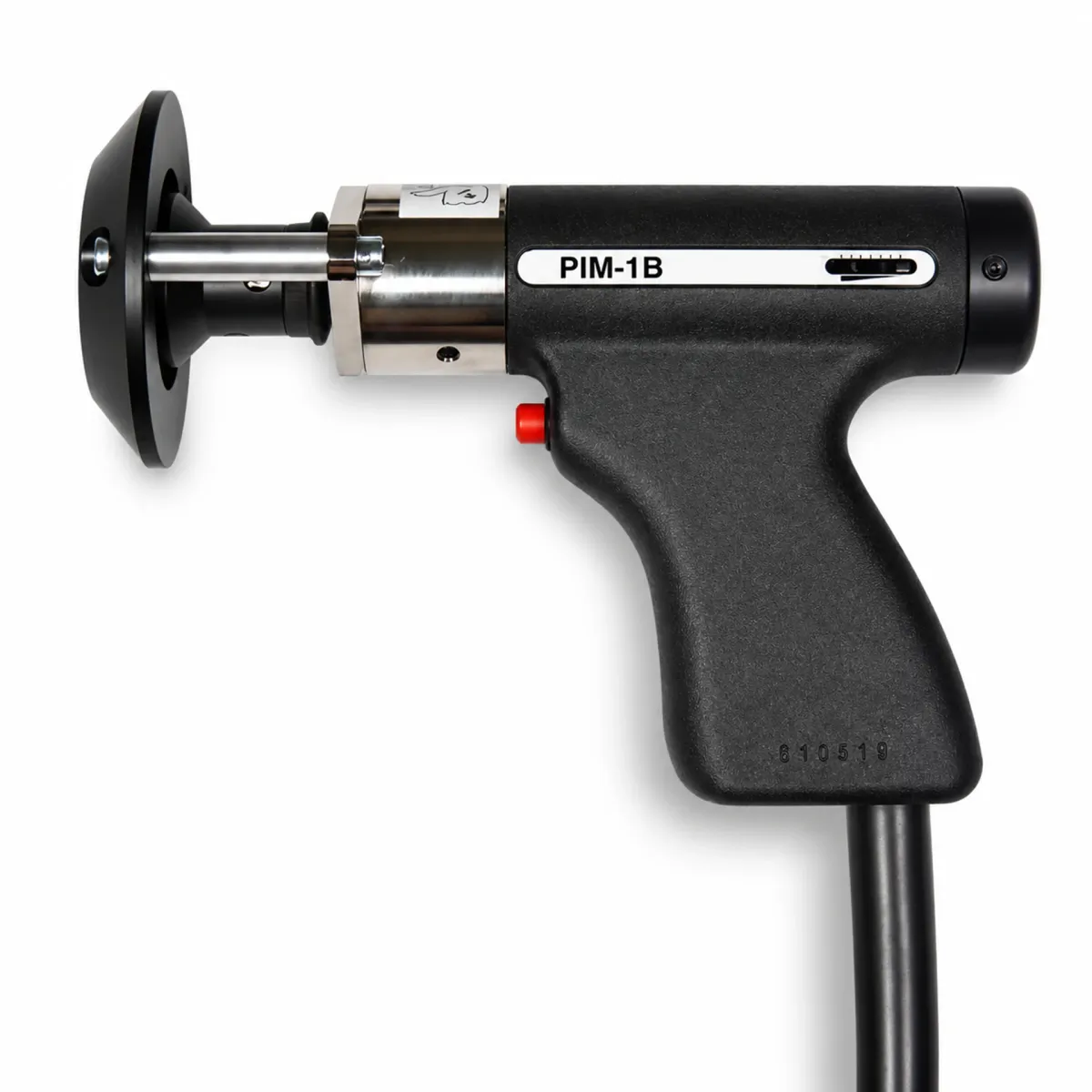
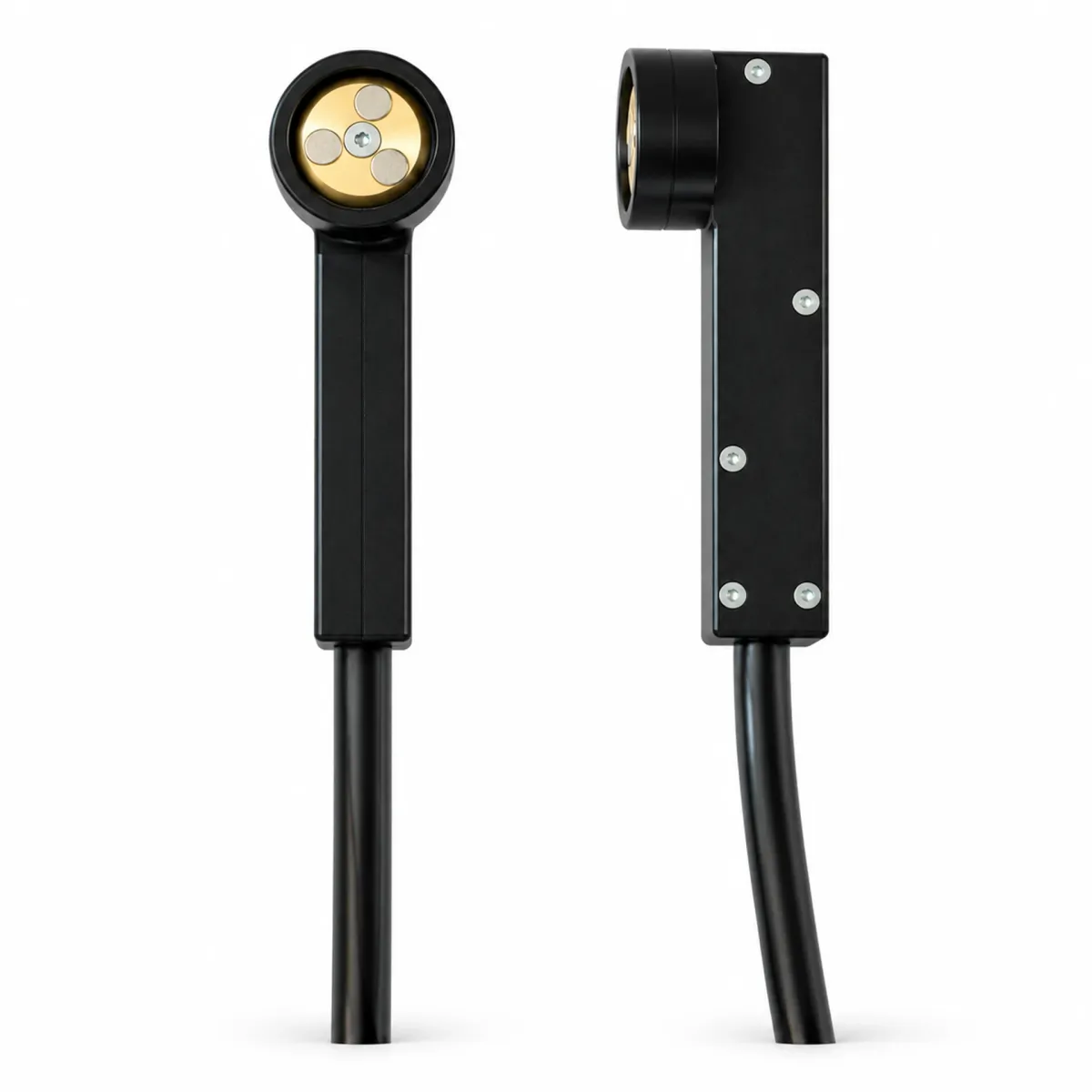
Capacitor discharge, short-cycle and drawn arc stud welding machines, with manual and automated solutions for industrial applications
Stud welding machines are used to attach threaded studs, internally threaded bushes, weld pins and other metallic fasteners directly to a metal workpiece. The process creates a permanent fixing point without necessarily requiring a through-hole or access to the reverse side of the component. A.T.S. supplies capacitor discharge and drawn arc stud welding equipment for sheet metal fabrication, machinery manufacturing, steelwork and industrial assembly, with different power sources and welding guns available according to the application.
When selecting a stud welding system, the first consideration is the workpiece rather than the maximum stud diameter shown in a machine specification. Base material thickness, stud geometry, surface condition and required joint performance determine which welding method can be used. A fixing stud on thin sheet metal has different requirements from a shear connector welded to a structural steel section. Although both applications involve welding a metallic element to a surface, the energy required and the way the weld is formed can be substantially different.
Capacitor discharge stud welding (CD) uses electrical energy stored in a capacitor bank and releases it during a very short welding cycle. The discharge produces localised melting between the stud tip and the base material, forming the joint as the molten region solidifies. Because the welding interval is short, heat input to the surrounding component is generally limited. This makes CD welding suitable for many thin sheet metal applications where distortion or visible marking on the reverse side must be kept to a minimum. The result still depends on the material, sheet thickness, stud design and welding energy settings.
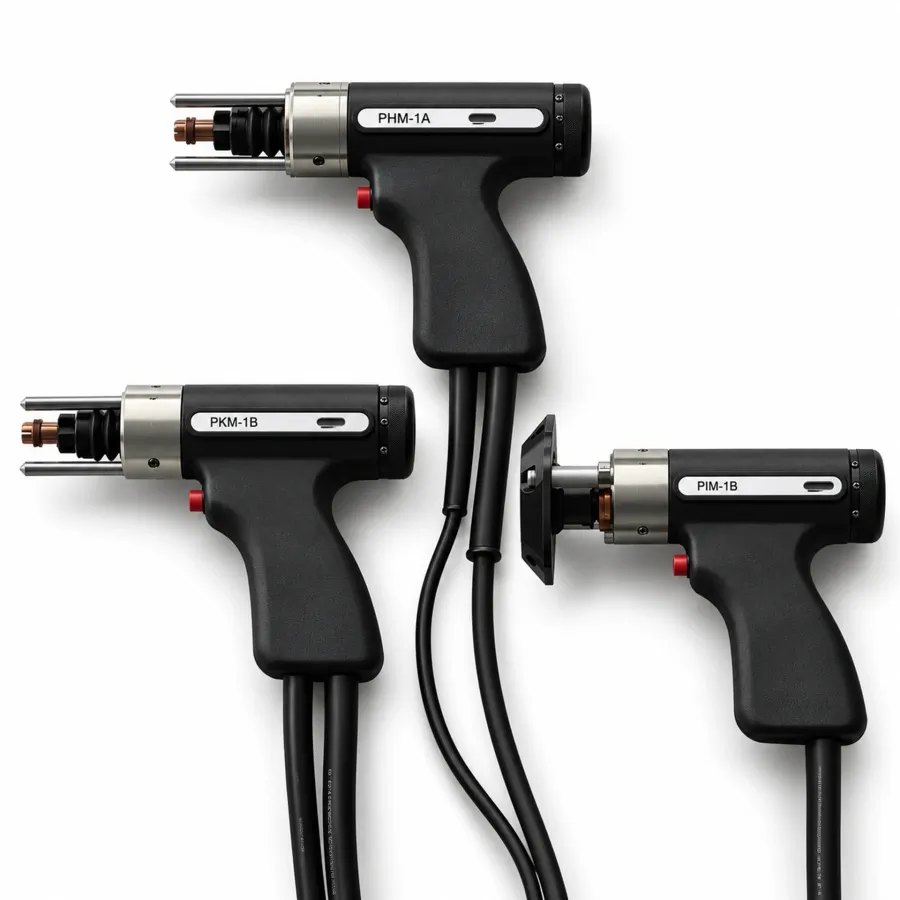
CD stud welding equipment can operate using contact or gap welding methods. With contact welding, the stud initially rests against the workpiece before the discharge. In gap welding, the welding gun controls a movement that establishes the required conditions for arc initiation. The two arrangements have different mechanical characteristics, and the correct method depends on the fastener and the application. Accurate positioning and a suitable welding gun are just as important as selecting an appropriate power source.
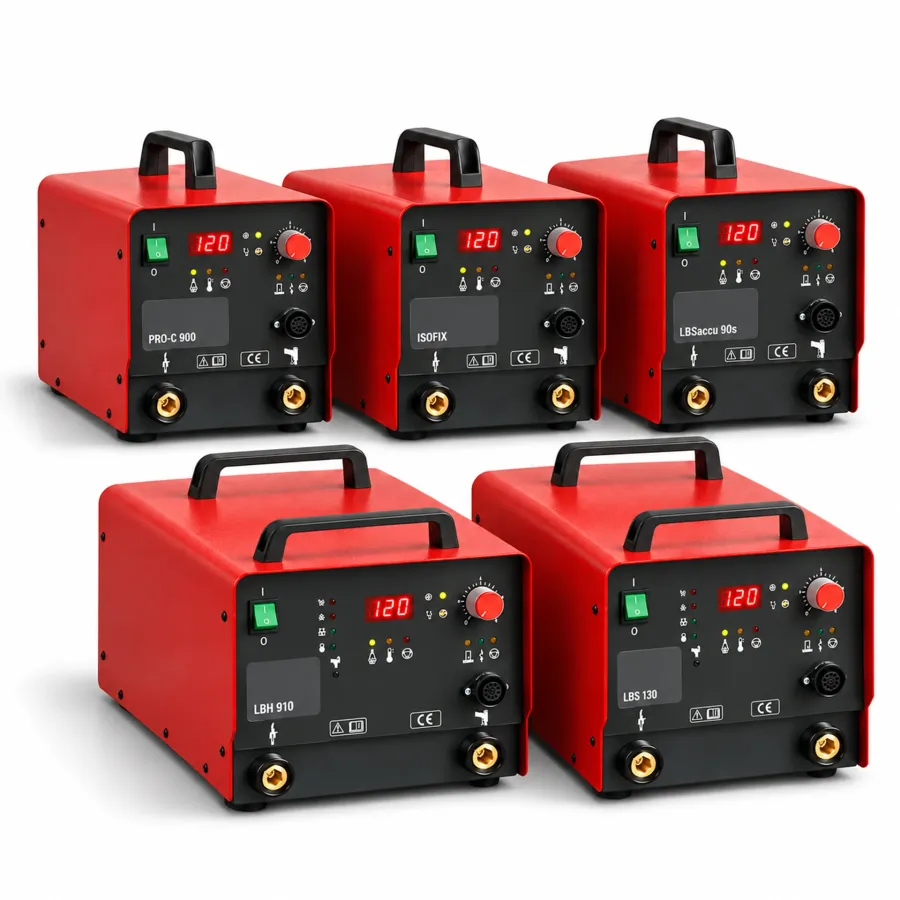
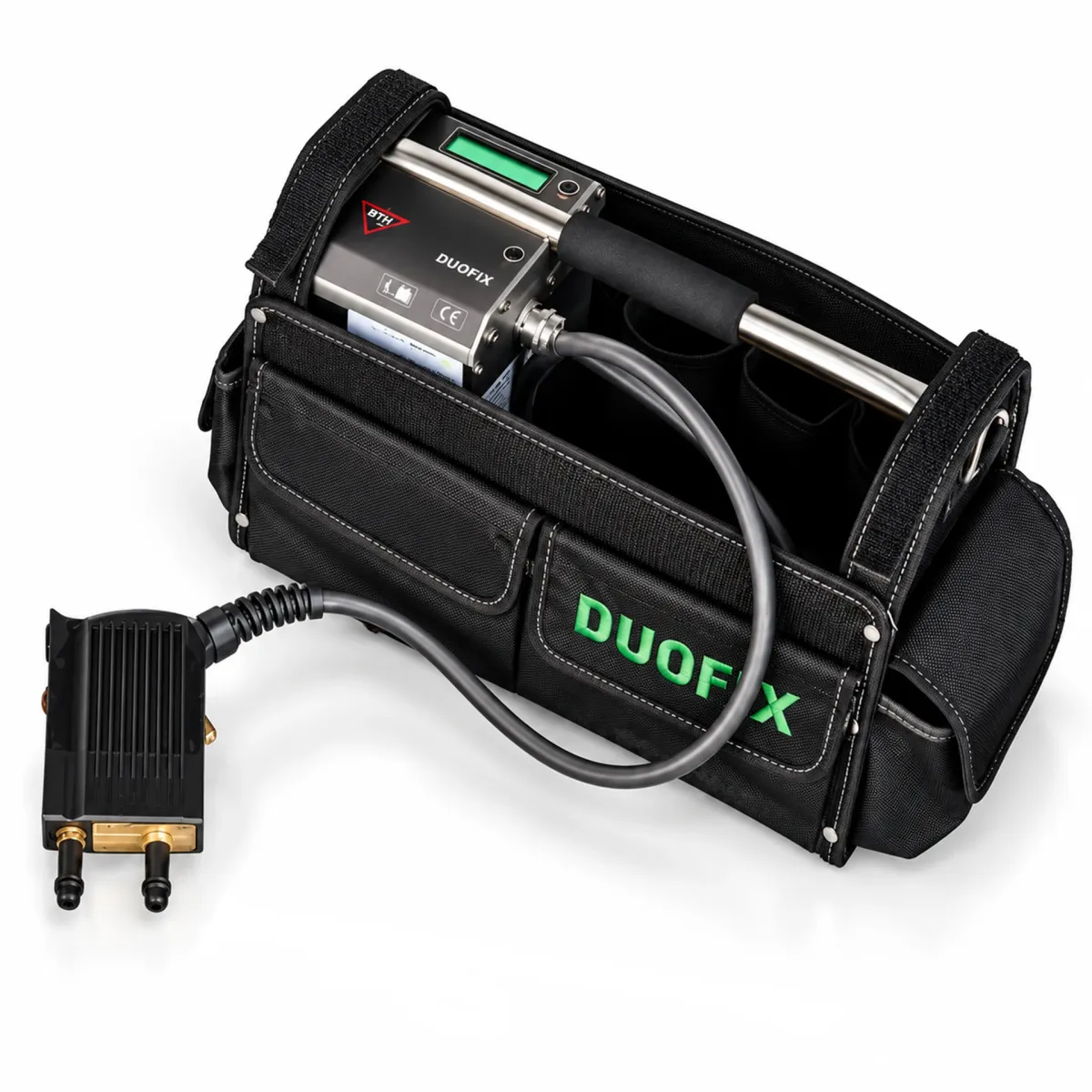
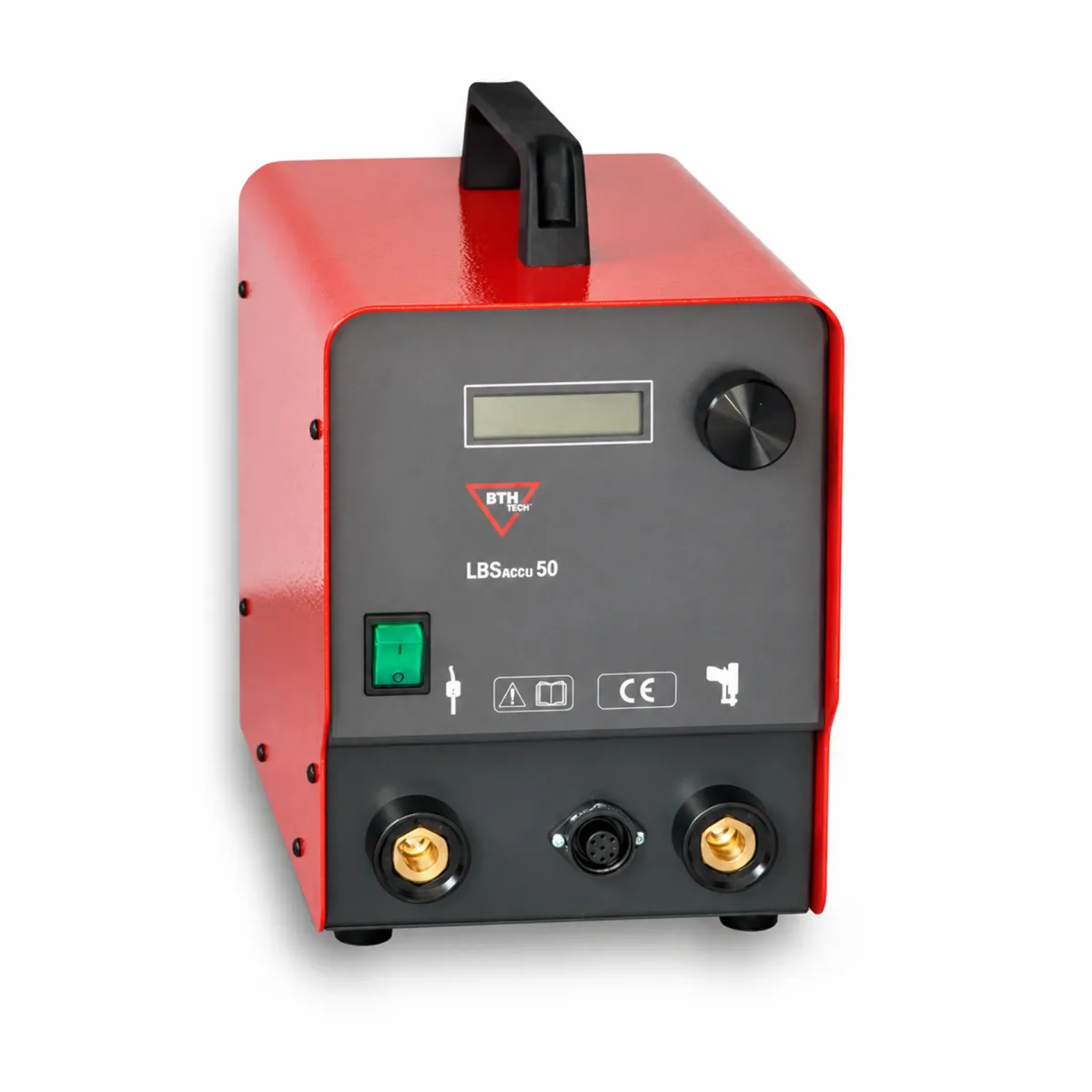
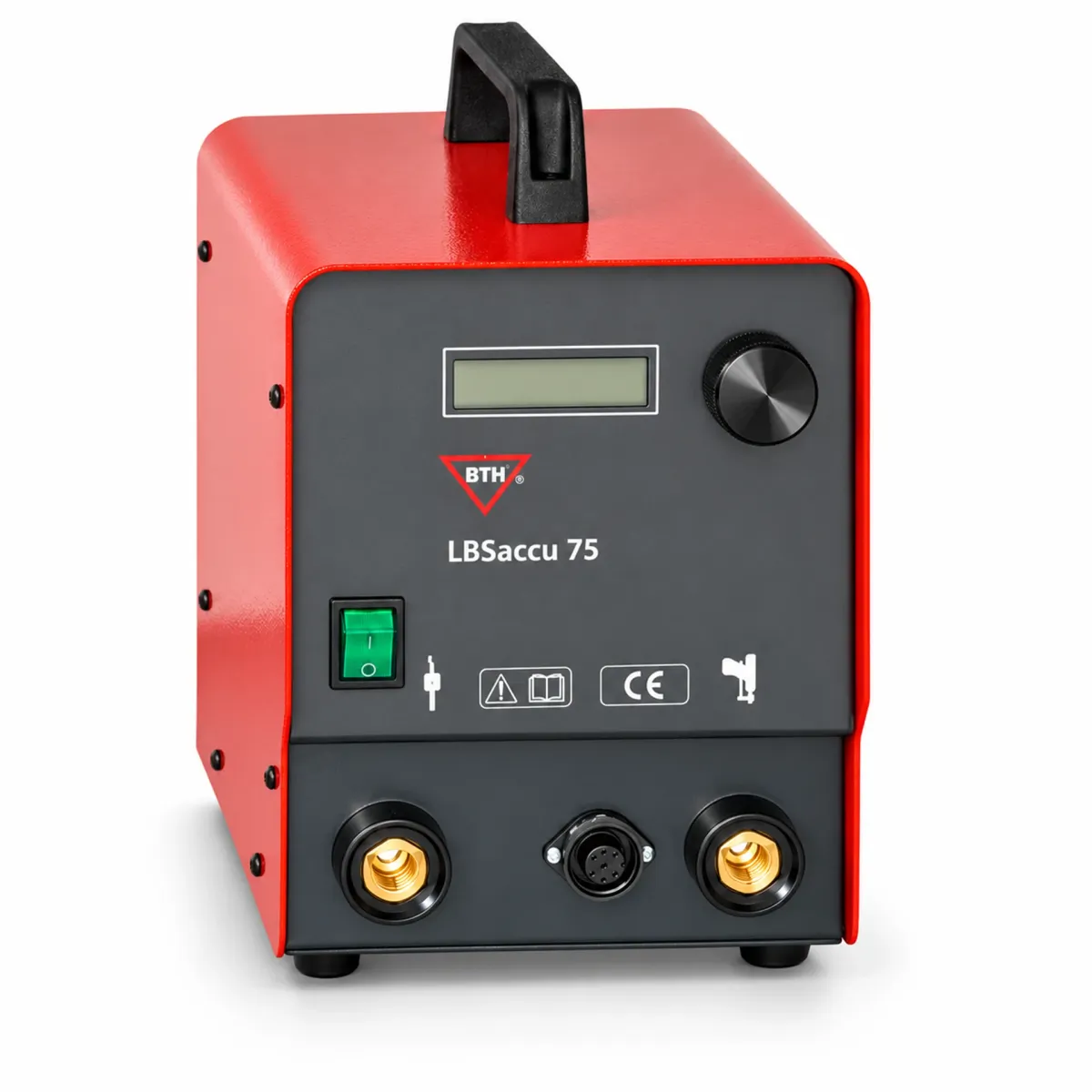
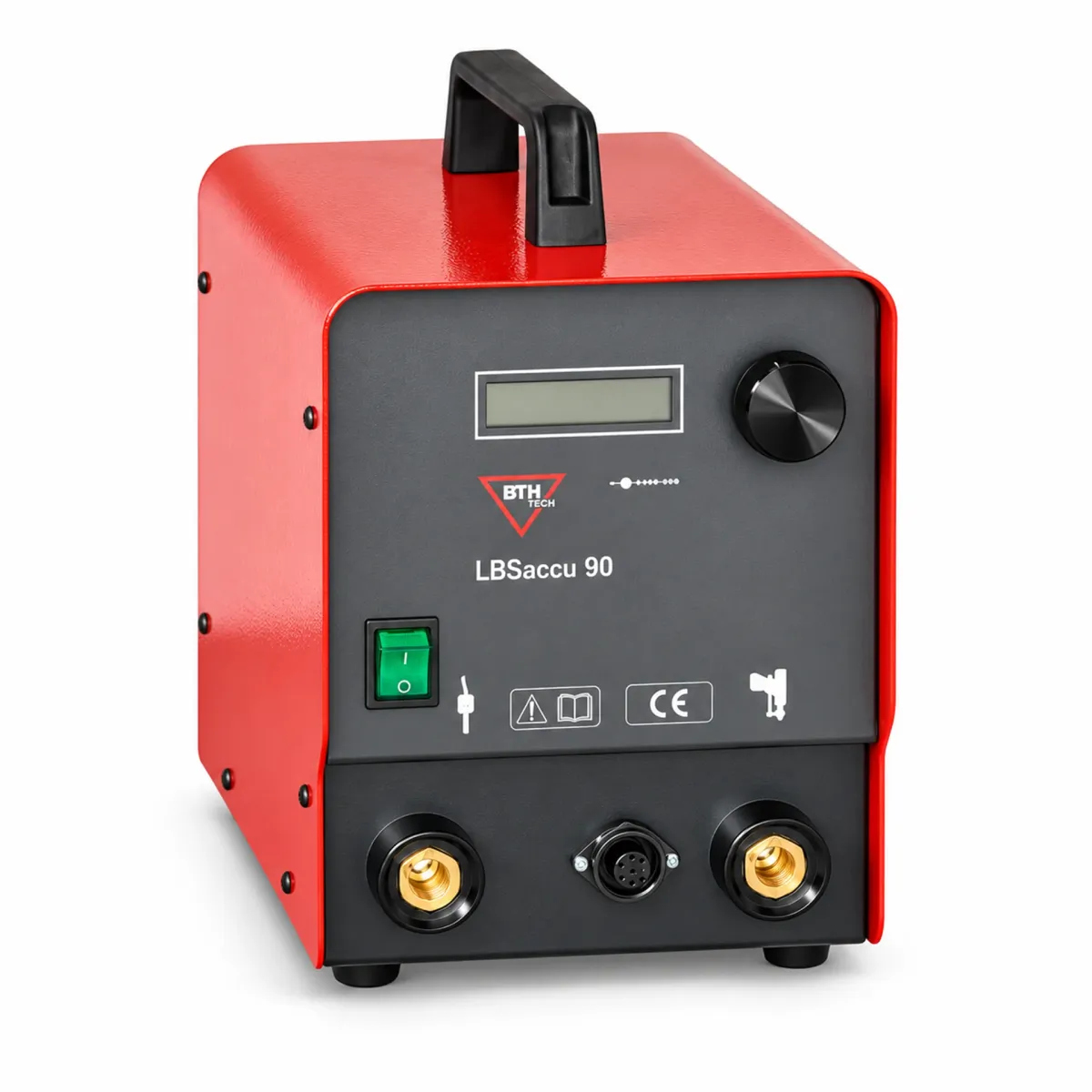
The A.T.S. capacitor discharge range includes LBS, PRO-C and SW welding power units, together with battery-powered LBSaccu machines for applications requiring greater freedom of movement. Dedicated equipment such as ISOFIX and Duofix is also available for specific fastening operations, including insulation fixing pins and components used with heat cost allocation devices. These systems should be selected according to their intended fasteners and operating conditions rather than being treated as interchangeable alternatives to a conventional threaded stud welding machine.
For applications requiring a different melting regime, drawn arc stud welding uses an electrical arc between the stud and the base material. The welding gun lifts the stud to establish the arc, allowing the stud end and the adjacent workpiece surface to melt. The stud is then plunged into the molten pool, where the joint forms during solidification. Welding current, arc time, lift height and plunge movement affect weld formation and must be matched to the stud diameter and the properties of the base material.
The distinction between short-cycle and long-cycle drawn arc welding is particularly important. Short-cycle welding uses a relatively brief arc duration and is employed for selected smaller threaded studs, internally threaded bushes and applications involving thinner metal sections. Long-cycle drawn arc welding provides different fusion conditions and is used for applications such as larger studs and structural shear connectors. Neither procedure is automatically preferable: the correct choice depends on the joint design, required mechanical performance and the capabilities of the welding equipment.
With certain long-cycle applications, a ceramic ferrule surrounds the stud to contain the molten metal and protect the weld area during the process. Gas shielding is another available arrangement on compatible systems. These methods require appropriate welding guns, accessories and fasteners, and their suitability must be assessed for the specific application. Equipment intended for one type of shielding or arc cycle cannot necessarily be used for another without changing its configuration.
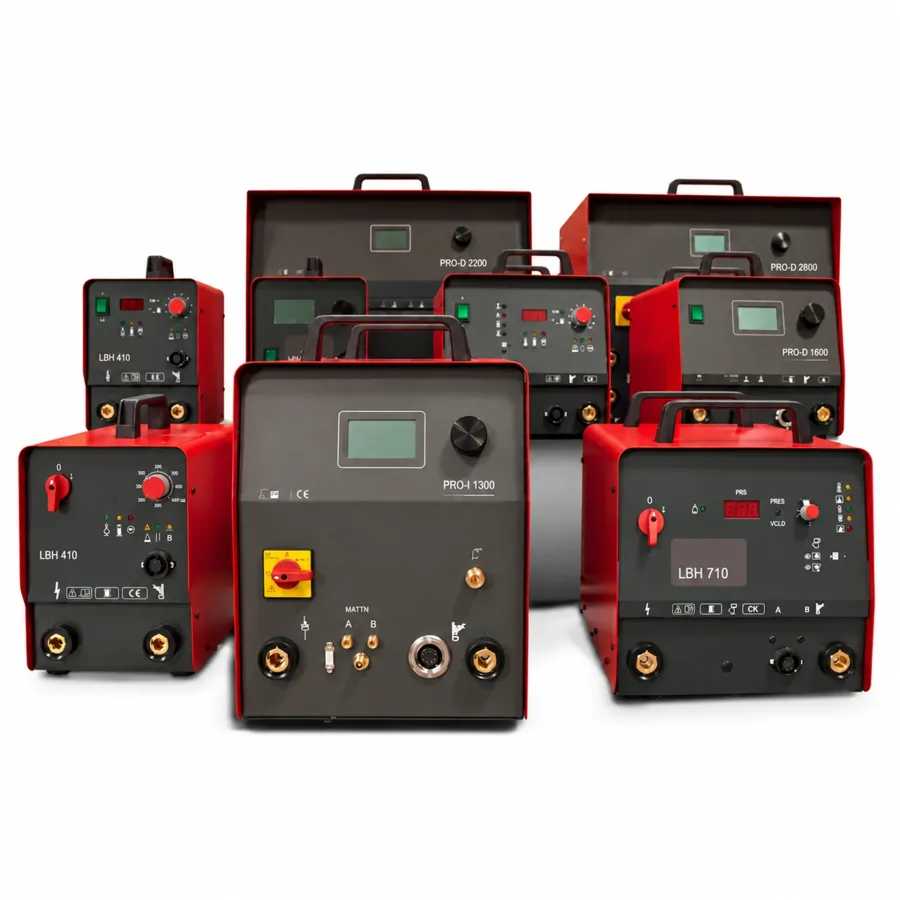
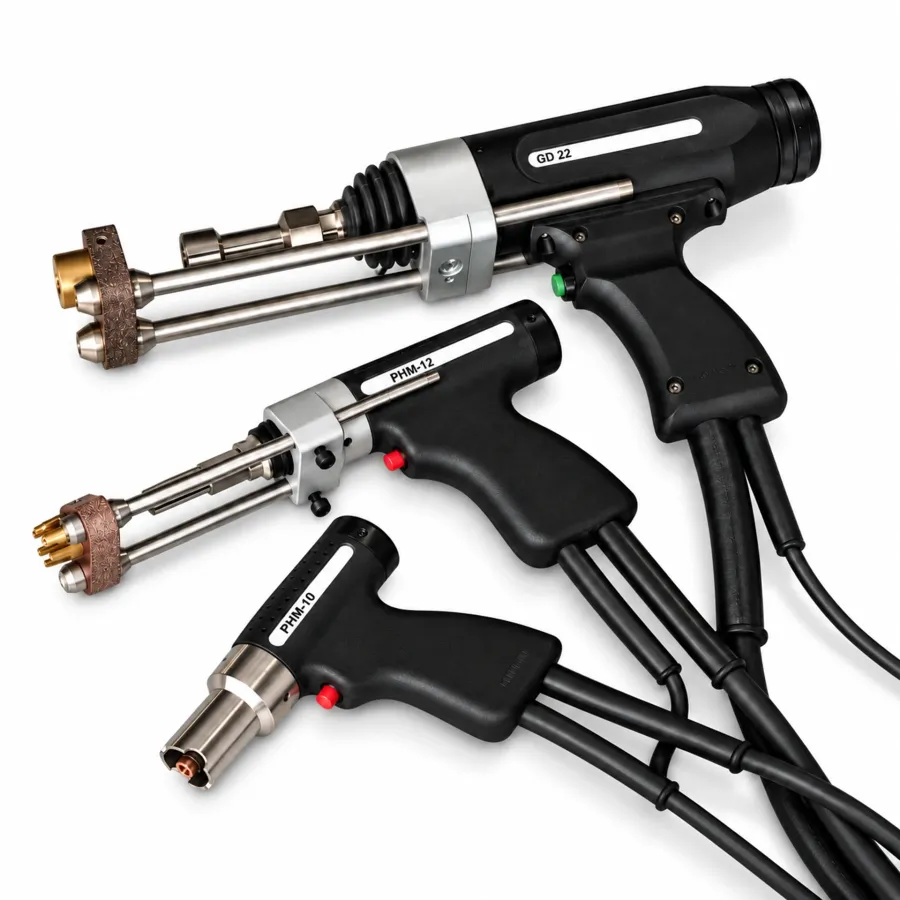
The A.T.S. drawn arc range comprises LBH and PRO-D welding machines, together with PRO-I inverter power sources. Individual models offer different current ranges, welding adjustments and supported procedures. For example, the PRO-D 1600 is specified for suitable studs up to 16 mm in diameter and can operate with short-cycle or long-cycle welding according to the application. The welding gun must be selected alongside the power source, taking into account stud diameter, process compatibility and the accessibility of the welding location.
Stud welding also depends on correct workpiece preparation. Coatings, oxide layers and contamination can interfere with electrical contact and weld formation. The quality of the earth connection, stud alignment and consistency of the operating parameters must be considered, particularly where many identical fasteners are welded during production. For higher-volume manufacturing, compatible stud feeding and positioning equipment can be incorporated into automated welding systems to reduce manual handling and maintain a controlled sequence.
A.T.S. supplies stud welding machines, manual welding guns and equipment for industrial fastening applications, providing technical advice on the selection of the welding method and system configuration. The assessment considers the base material, stud dimensions, expected mechanical loads and production conditions. Comparing capacitor discharge, short-cycle and long-cycle drawn arc welding before selecting the equipment helps avoid unsuitable configurations and unnecessary secondary operations while supporting consistent welded connections.
The right solution for your application, with the support of our experts
Our experts will help you find the right product for your needs, with no obligation. Tell us what you need: together we will find the most suitable solution.
Contact us, no obligation