




Solutions for Railway Manufacturing
Welding, fastening and assembly technologies for structures, sheet-metal parts and technical railway components.
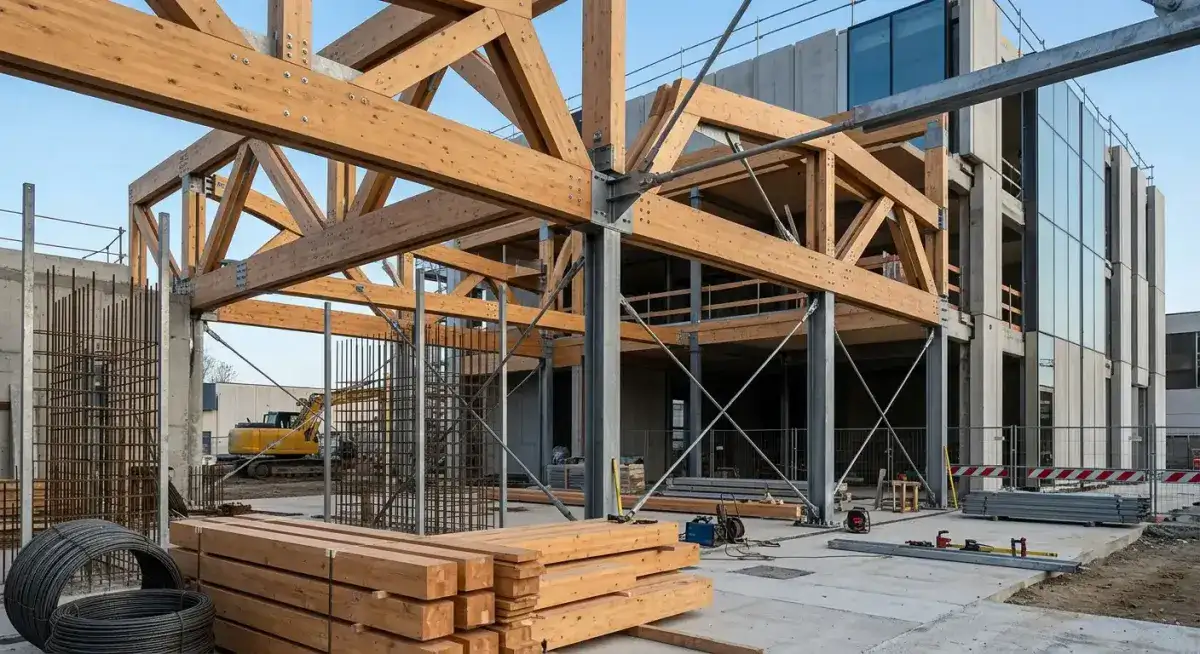
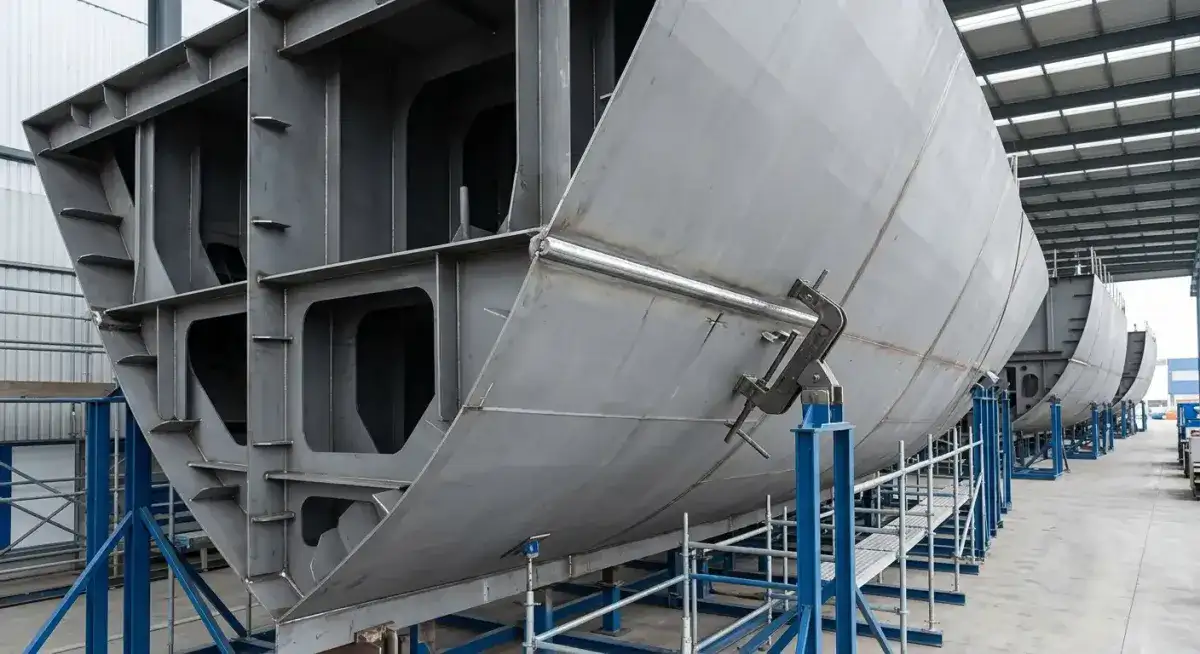
Railway manufacturing combines large metallic structures with sheet-metal assemblies, panels, interior fittings, supports and technical components.
These parts do not all require the same joining process. Some joints need to remain permanent, while others must allow later assembly, inspection or replacement.
A.T.S. supplies resistance welding technologies, copper-alloy electrodes and components, capacitor-discharge and arc stud welding systems, rivet nuts, self-clinching fasteners, blind rivets and related installation equipment.
The correct joining method depends on material, thickness, geometry, accessibility, load, vibration, maintenance requirements and the production process.

Which joining technologies are used in railway manufacturing?
Depending on the component, railway production may use resistance welding, stud welding, threaded inserts, self-clinching fasteners, blind rivets and other mechanical fastening technologies. Structural function, vibration, accessibility and serviceability influence the final selection.
Resistance Welding under Controlled Production Conditions
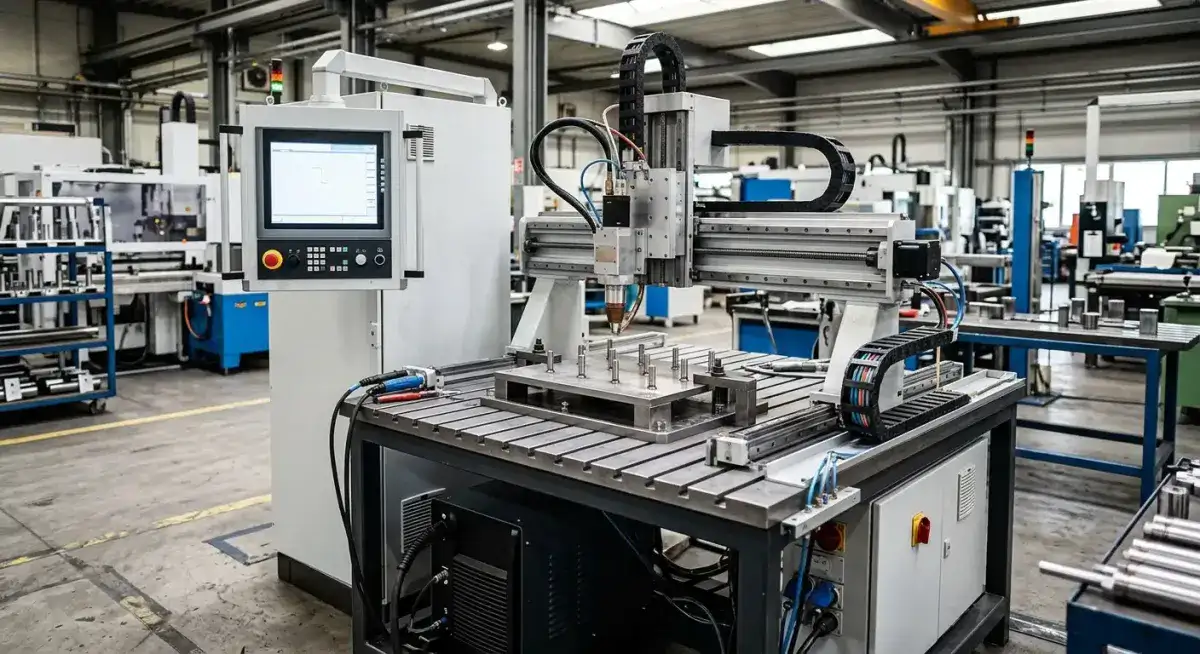
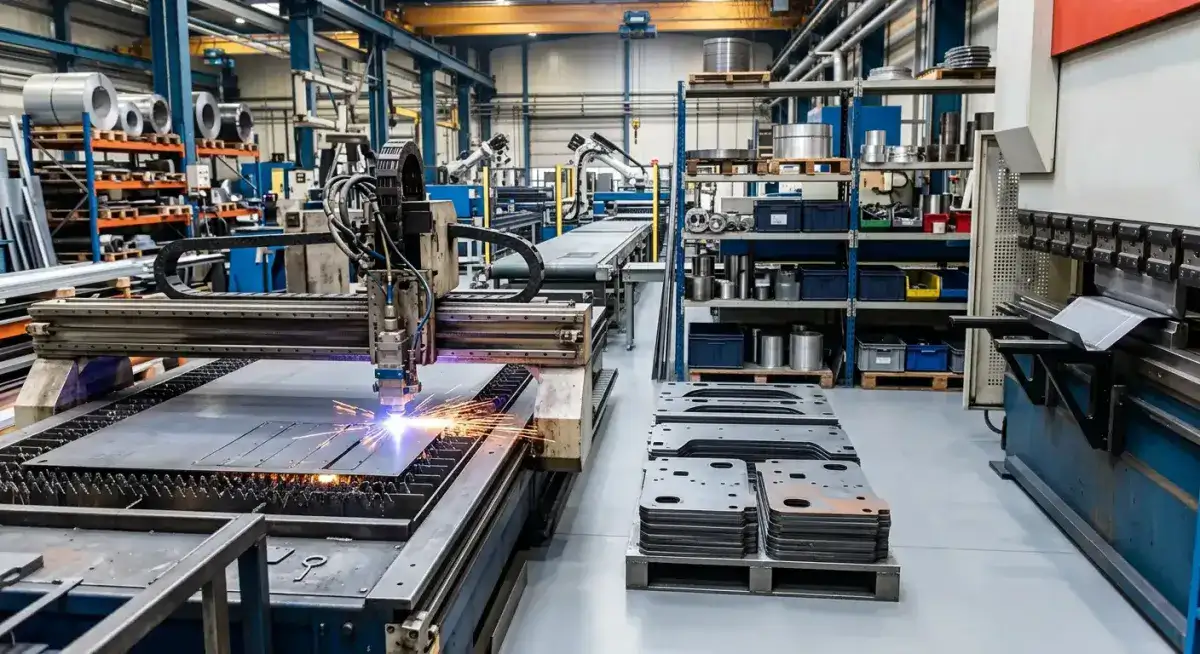
Resistance welding can be applied to specific railway manufacturing operations involving sheet-metal and metallic components.
Process consistency depends on the controlled interaction between welding current, weld time, electrode force, electrode geometry and material properties.
The EN 15085 series defines welding requirements for railway vehicles and components. Its current framework also addresses resistance spot, projection and seam welding according to the applicable weld performance class.
A.T.S. supplies resistance welding equipment together with copper-alloy electrodes and welding components selected according to material, sheet thickness and production requirements.
Stud Welding for Functional Attachment Points
Railway structures and subassemblies may require threaded studs, internally threaded elements or other fixing features directly on metallic surfaces.
Stud welding creates these attachment points without the need for a conventional through-fastener.
Capacitor-discharge welding provides a short welding cycle and limited heat input for suitable thin-sheet applications.
Short-cycle or drawn-arc stud welding can be considered where component thickness and mechanical requirements differ.
EN 15085-3 also includes specific provisions for stud-welded joints according to the applicable weld performance class.
Mechanical Fastening for Panels and Technical Components
A railway vehicle includes far more than its primary welded structure.
Interior panels, technical covers, brackets, enclosures and secondary components may need reliable mechanical fixing points that remain accessible throughout service.
Rivet nuts can create threads in thin material and can be installed where rear-side access is limited.
Self-clinching nuts, studs and standoffs can be permanently integrated into sheet-metal parts through controlled pressing.
Blind rivets provide an additional method for permanent mechanical joining.
Fastener selection must also consider vibration, dynamic loads and the intended maintenance strategy.
Designing Joints for Inspection and Maintenance
Railway vehicles remain in operation for long service periods and undergo scheduled inspection and maintenance.
Connections should therefore be selected according to whether a component is permanent or intended to be removed during servicing.
Threaded fixing points can simplify access to panels, technical equipment and interior components, while welding or riveting may be more suitable for joints that should remain permanent.
Joining technology therefore contributes to both manufacturing and long-term serviceability.
Automation and Repeatability in Railway Production
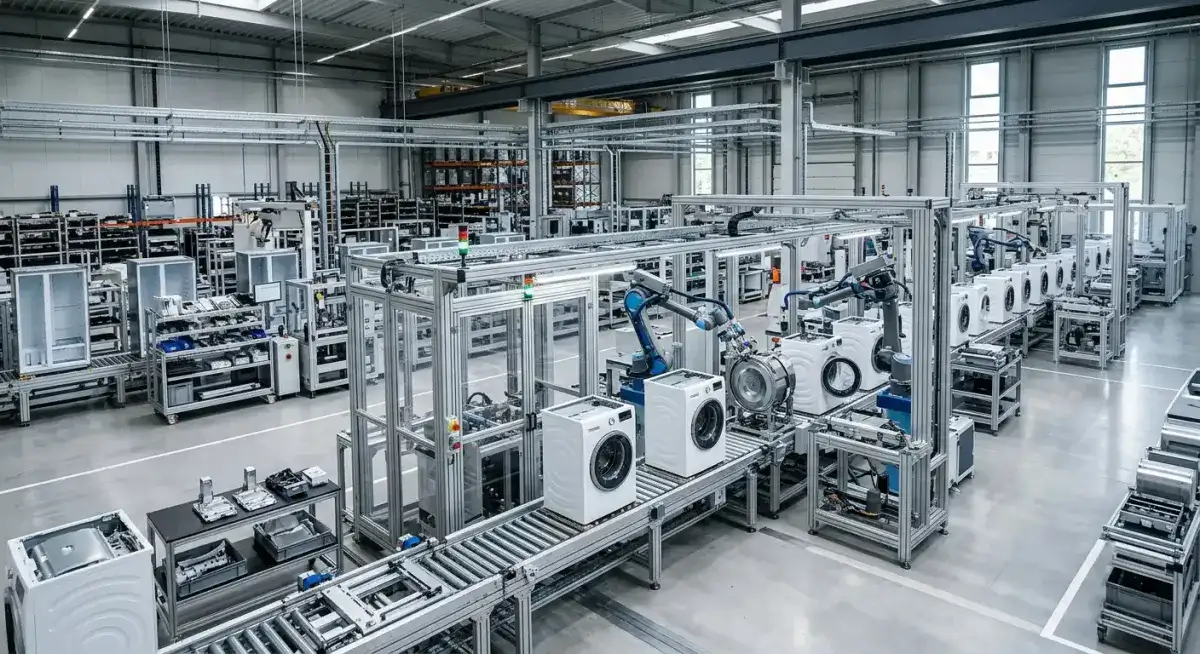
Railway manufacturing combines specialised fabrication with repeated industrial operations.
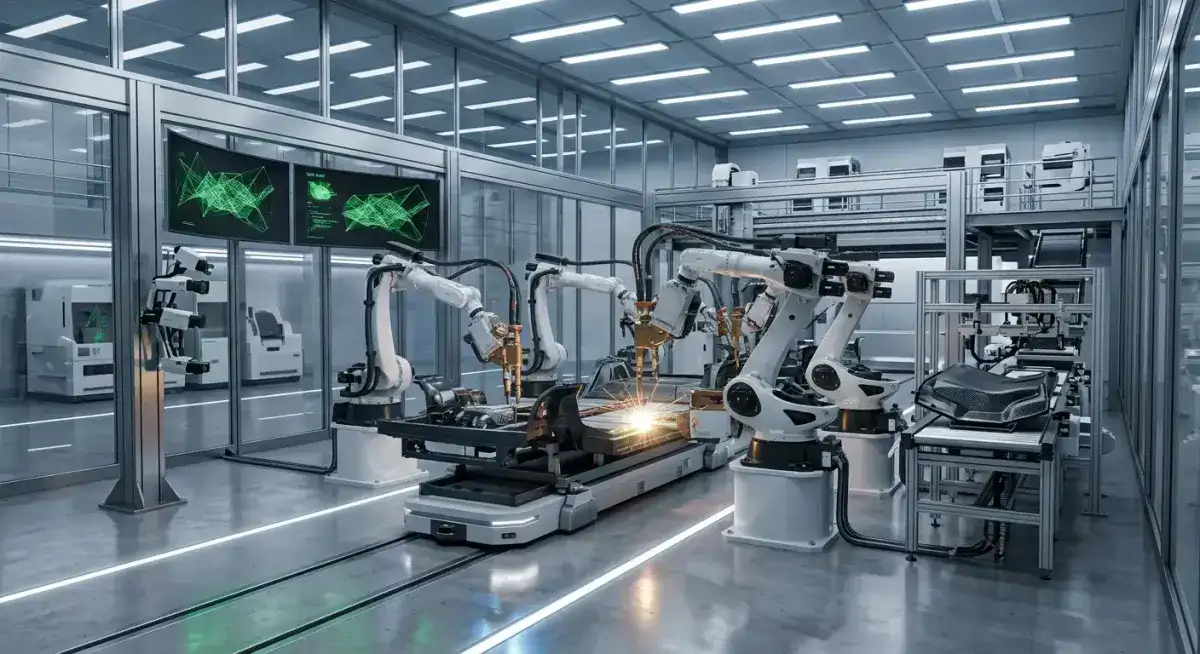
Where the same welding or fastening task is performed across multiple components, automatic feeding, positioning and process control can improve consistency.
A.T.S. supplies automated welding equipment and component-feeding solutions, including systems designed to feed weld studs and related elements.
The required degree of automation depends on production volume, component geometry, cycle time and process-control requirements.
The right solution for your application, with the support of our experts
Our experts will help you find the right product for your needs, with no obligation. Tell us what you need: together we will find the most suitable solution.
Contact us, no obligation