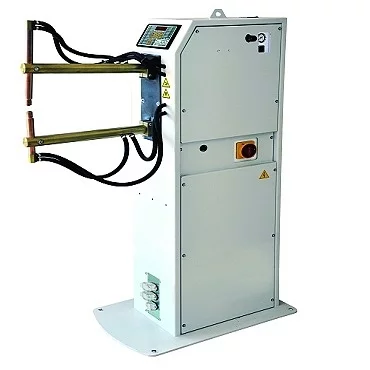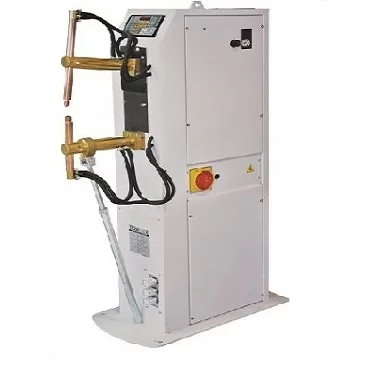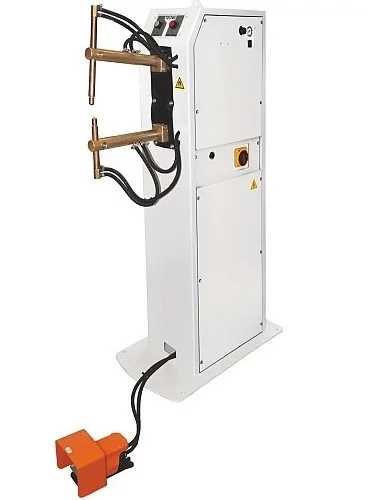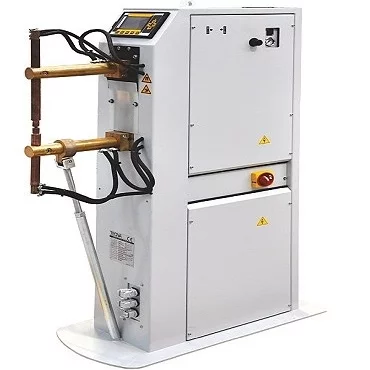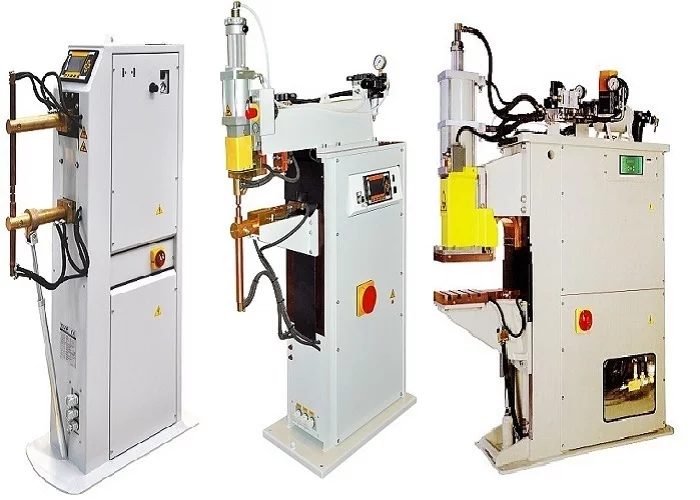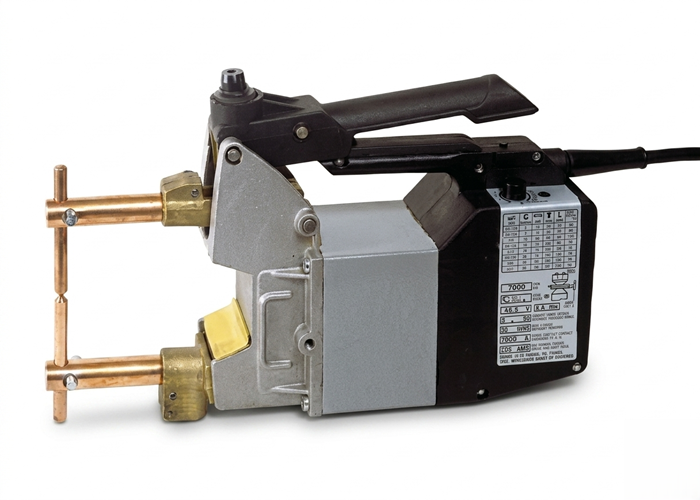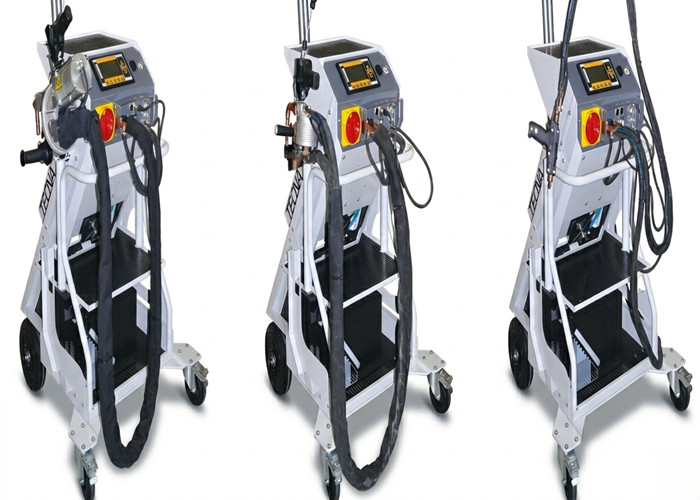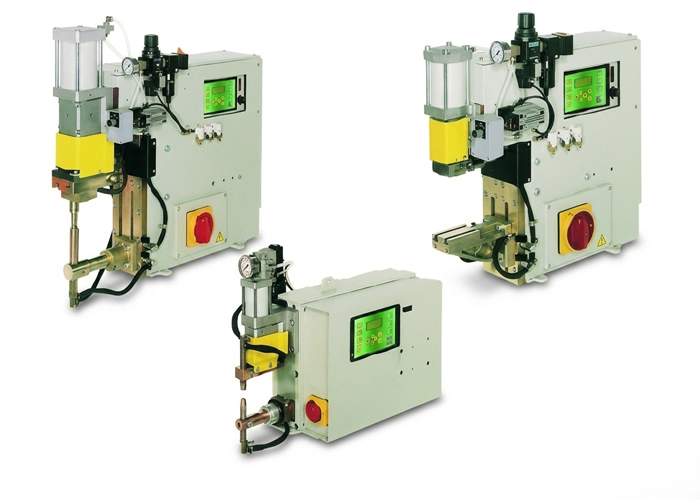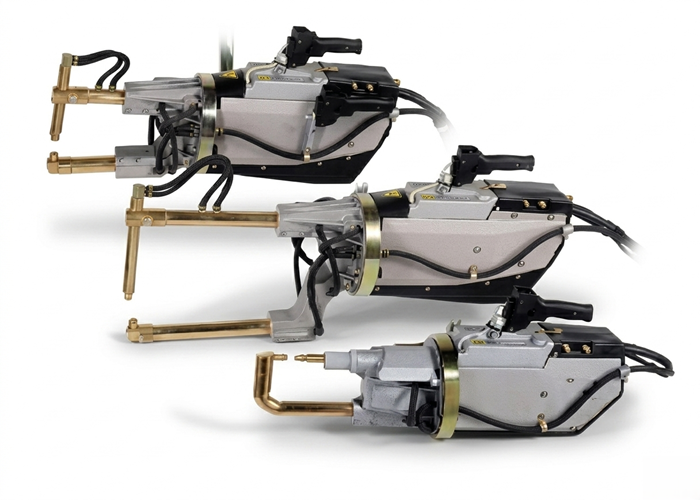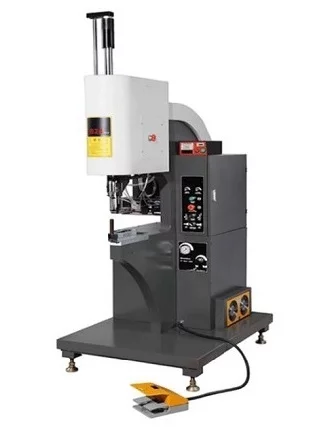






Consistent spot welding starts with choosing a machine that fits the way the components are actually manufactured. Access to the weld area, electrode movement, workpiece geometry and production cycle all influence the most suitable configuration. The TECNA range of column resistance welding machines supplied by ATS Lamberti includes swing-arm and straight-column models, with foot-operated and pneumatic versions available for different production requirements.
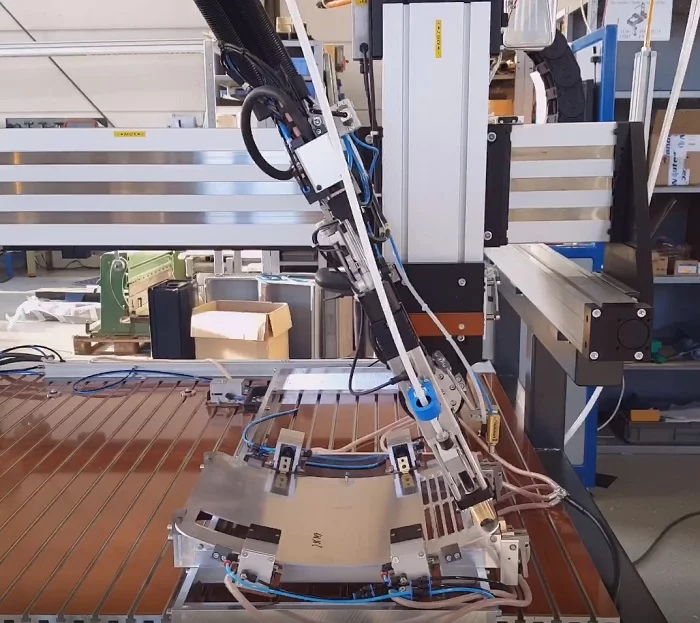
The machine configuration plays a key role in how easily components can be positioned and handled during welding. Swing-arm resistance welders provide flexibility when weld locations vary across the component, while straight-column machines offer a direct vertical electrode movement for applications where controlled access to the welding area is important. This range of configurations allows the equipment to be selected according to the component and welding operation, rather than relying on a one-size-fits-all approach.
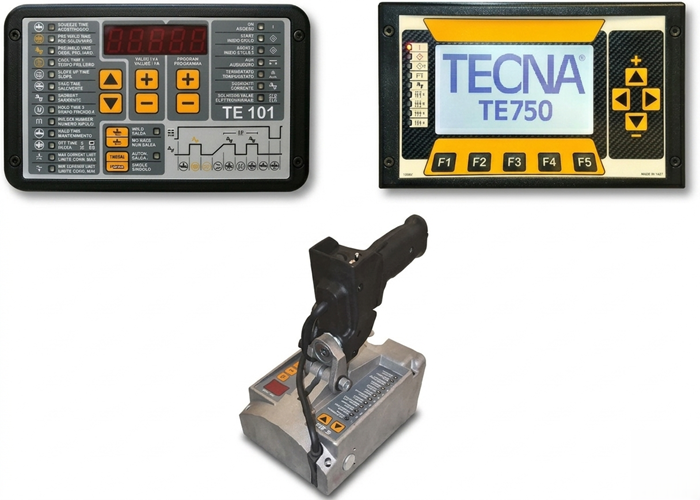
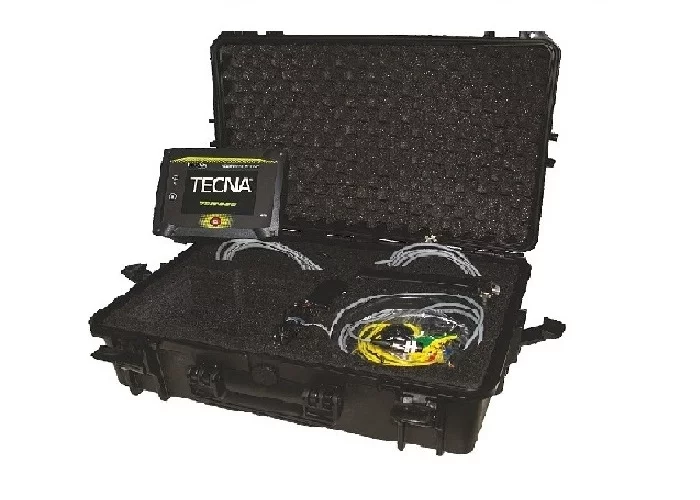
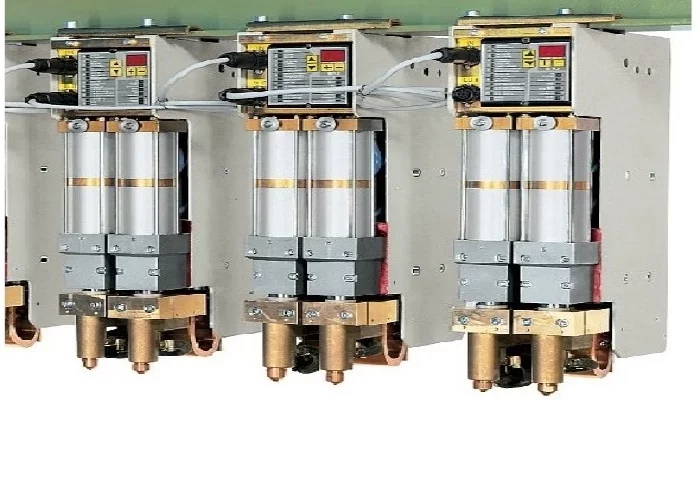
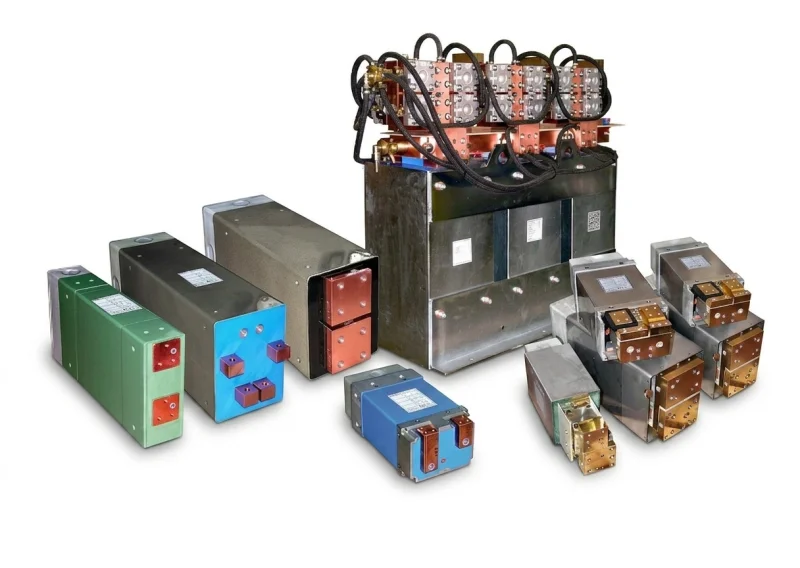
Process control becomes particularly important when spot welding is performed repeatedly throughout a production cycle. Depending on the machine configuration, electrode closing and welding cycle activation can be managed through foot-operated or pneumatic systems. TECNA also offers medium-frequency solutions for applications requiring accurate control of welding parameters. Advanced welding controls provide operators with access to relevant process data during operation, supporting greater consistency and making it easier to monitor the welding cycle.
Selected models are equipped with the TE700 welding control, providing advanced management and monitoring of the welding process. ATS Lamberti supplies TECNA resistance welding equipment and provides technical support throughout the selection process, helping customers identify the configuration that best matches their application. The service combines equipment supply with technical consultancy, application guidance, assistance and after-sales support, taking into account factors such as material, thickness, component geometry, welding requirements and production conditions to help achieve reliable and repeatable industrial spot welding.