





Capacitor discharge welders
16 products available
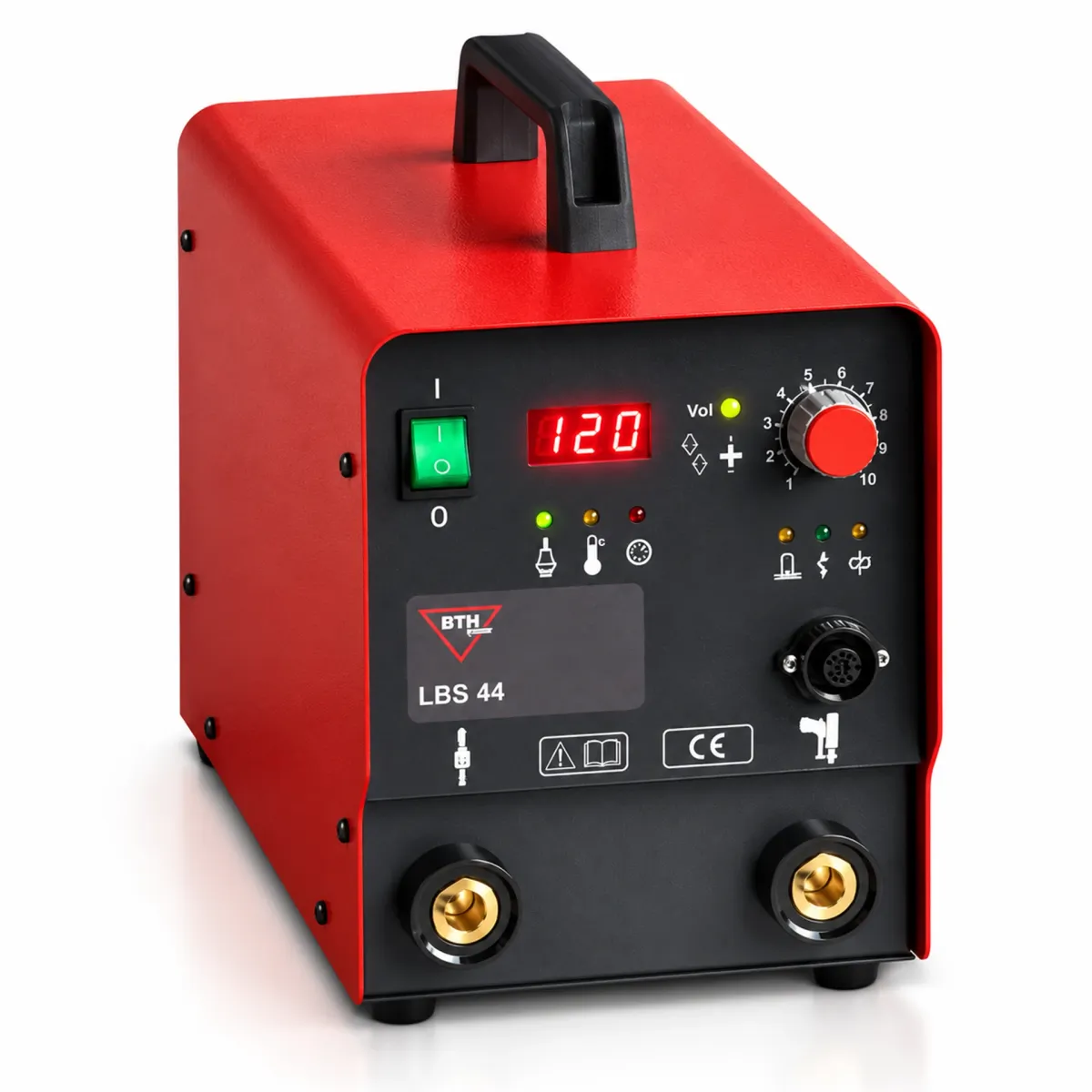
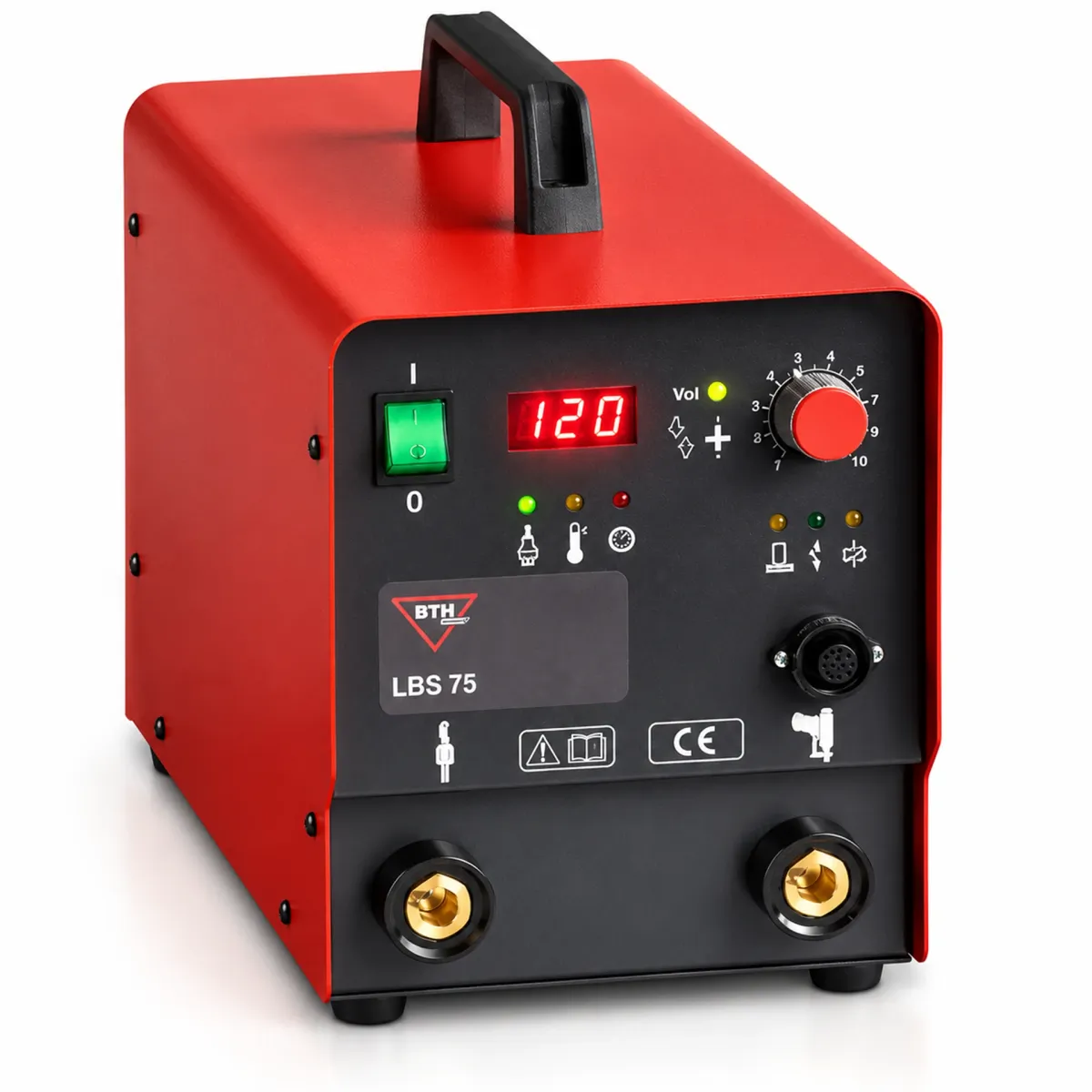
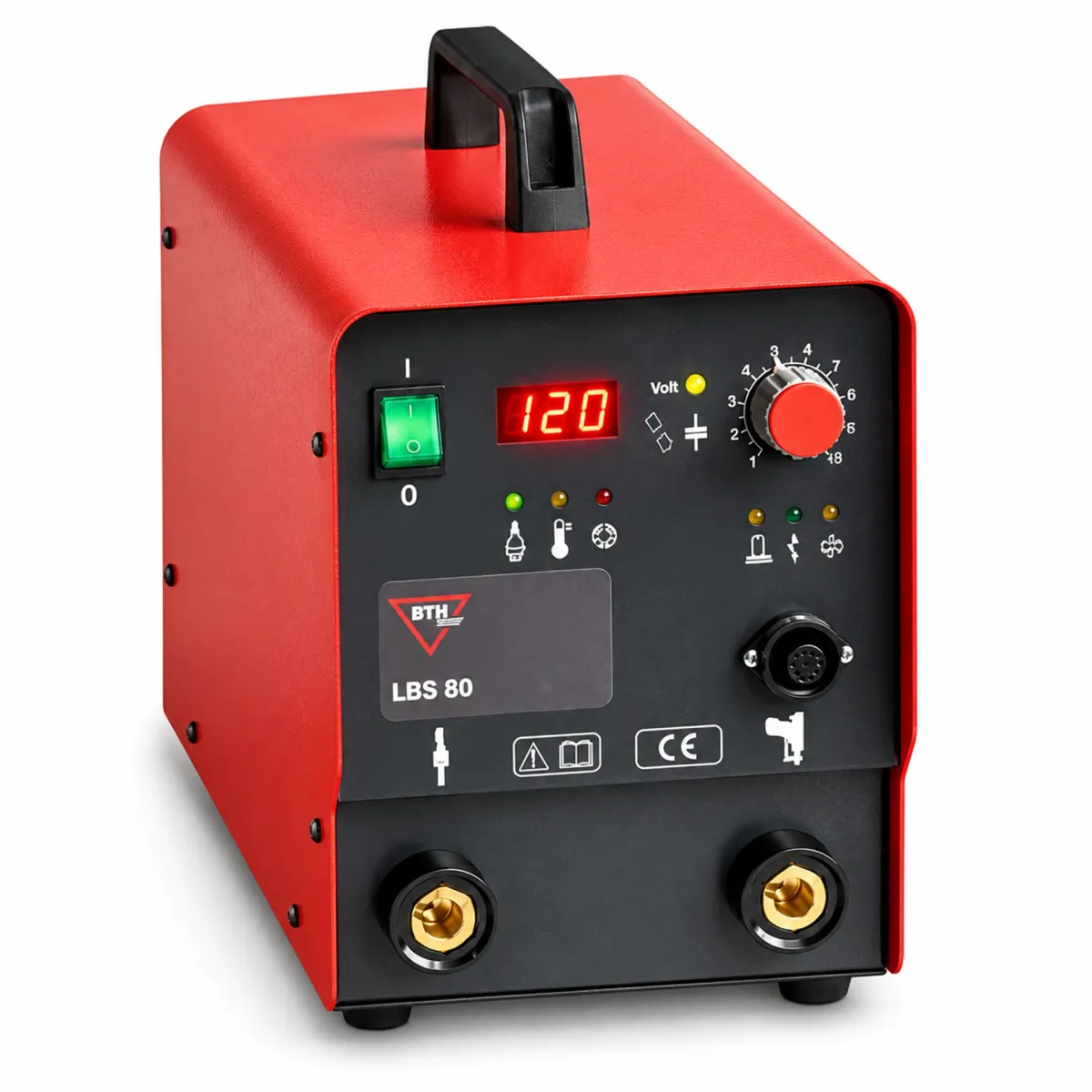
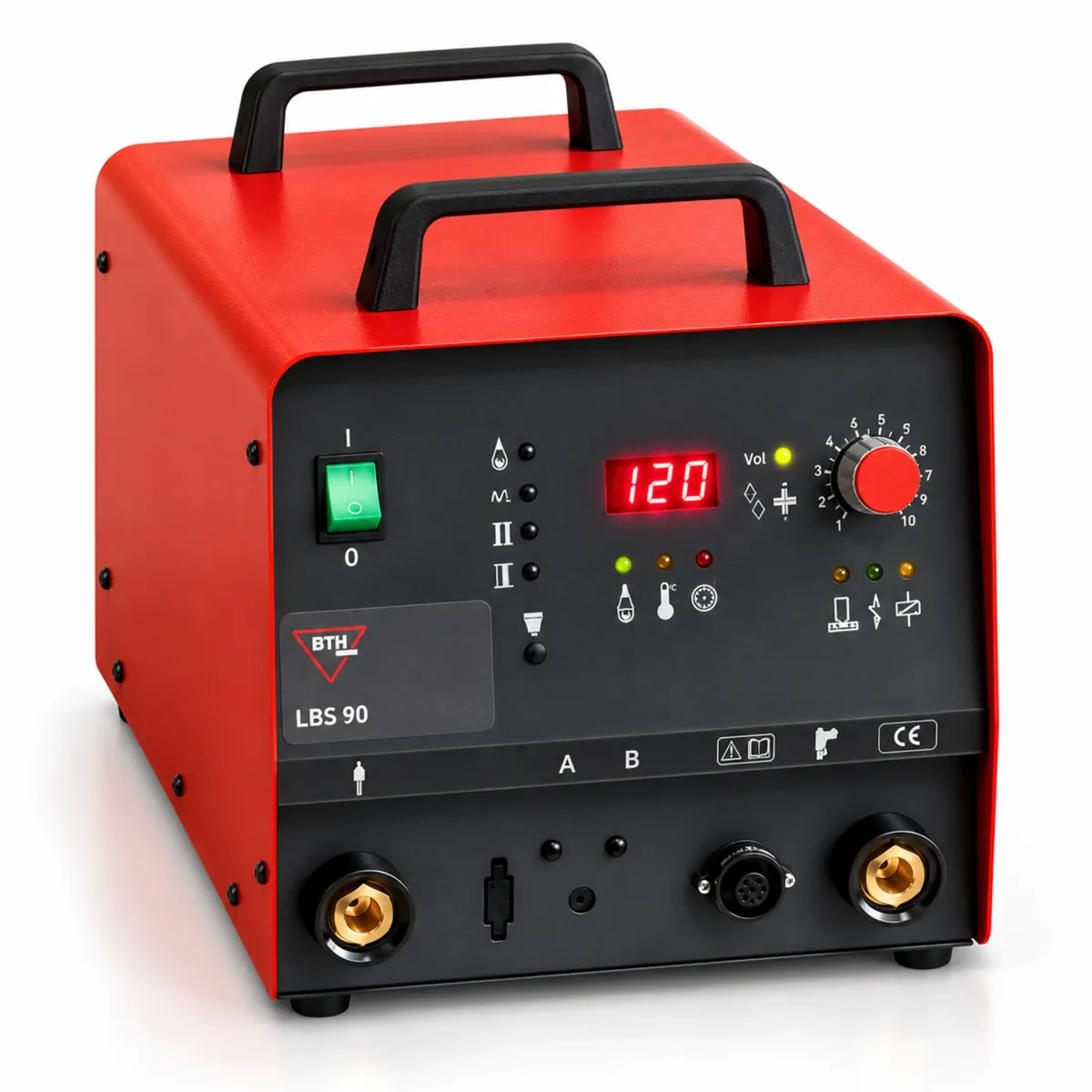
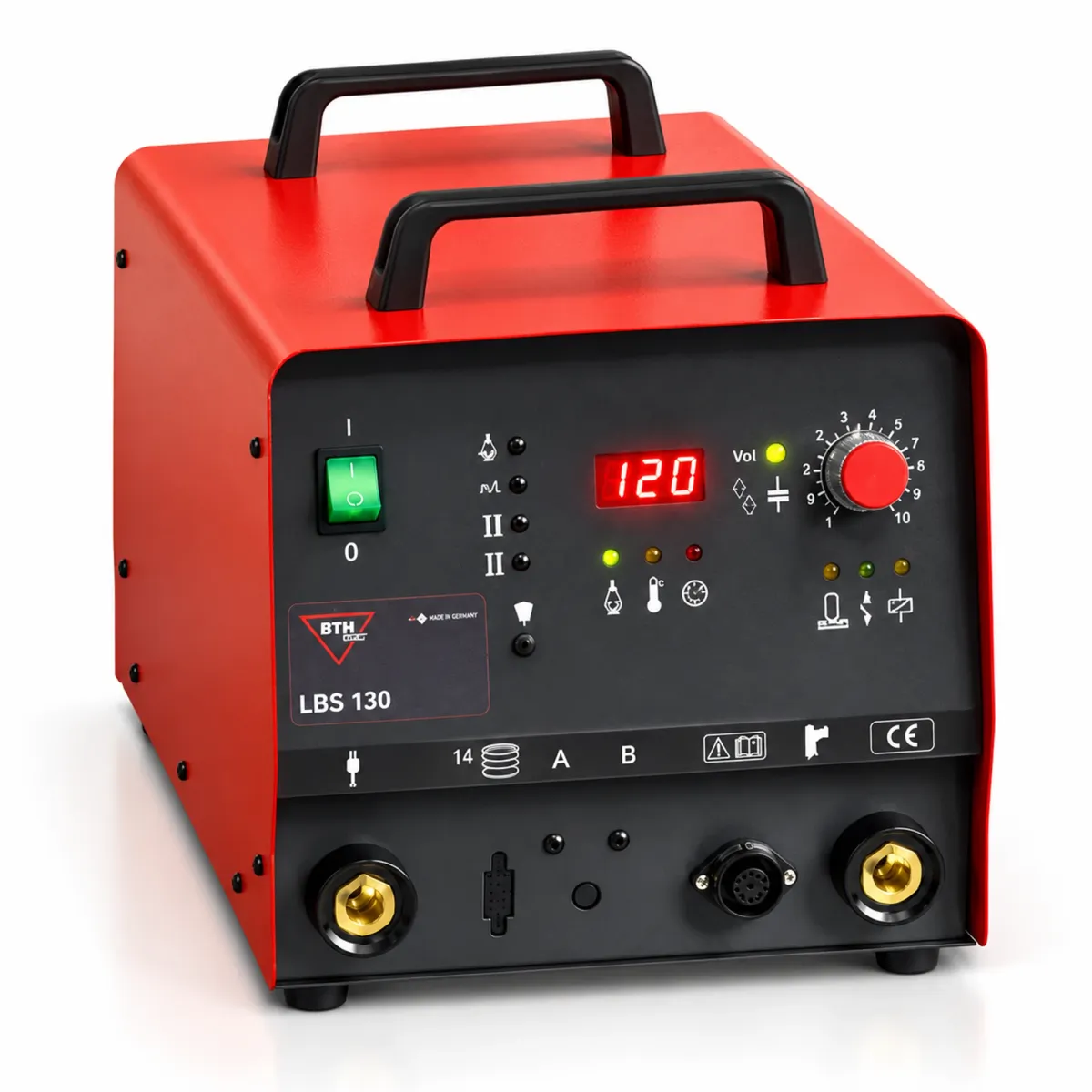
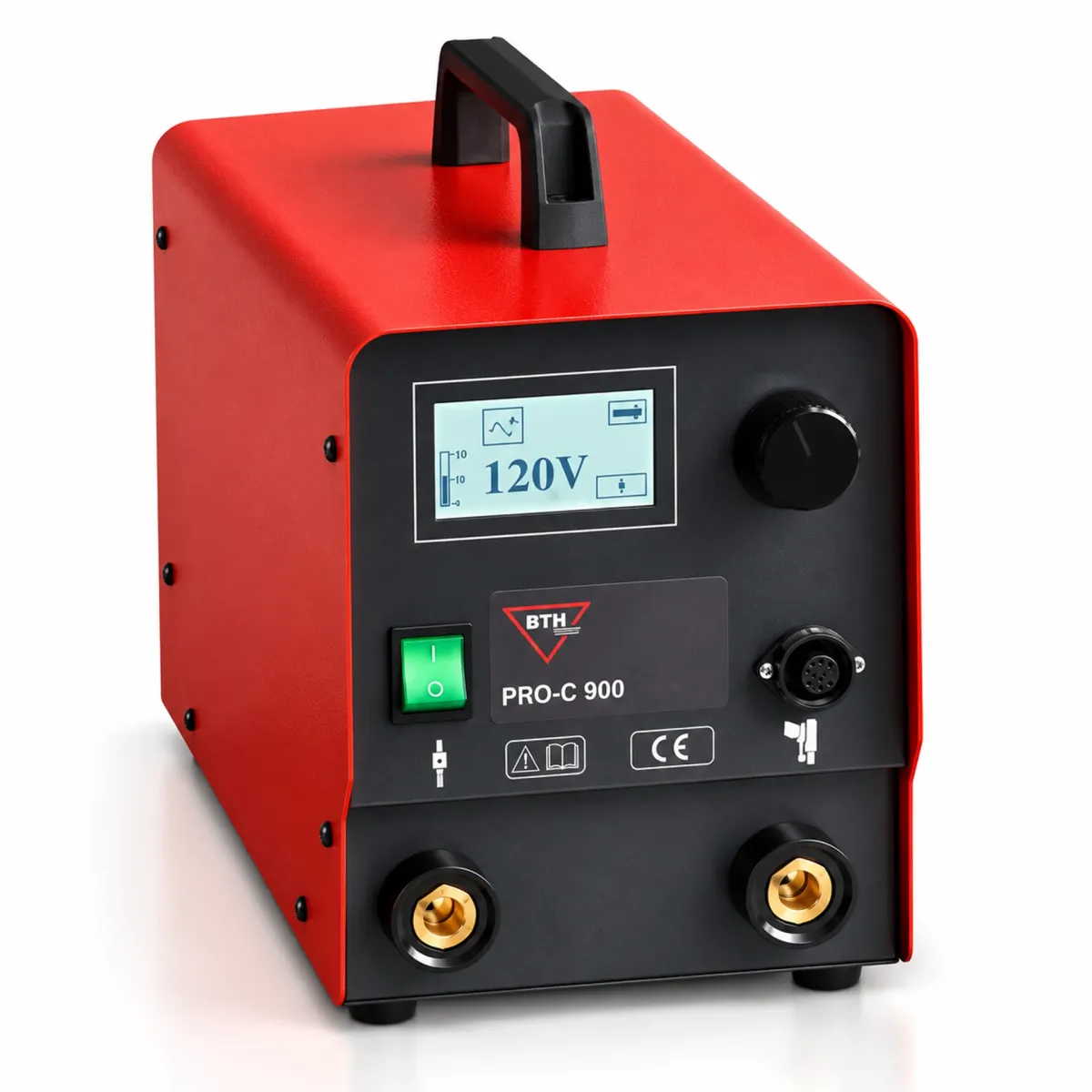
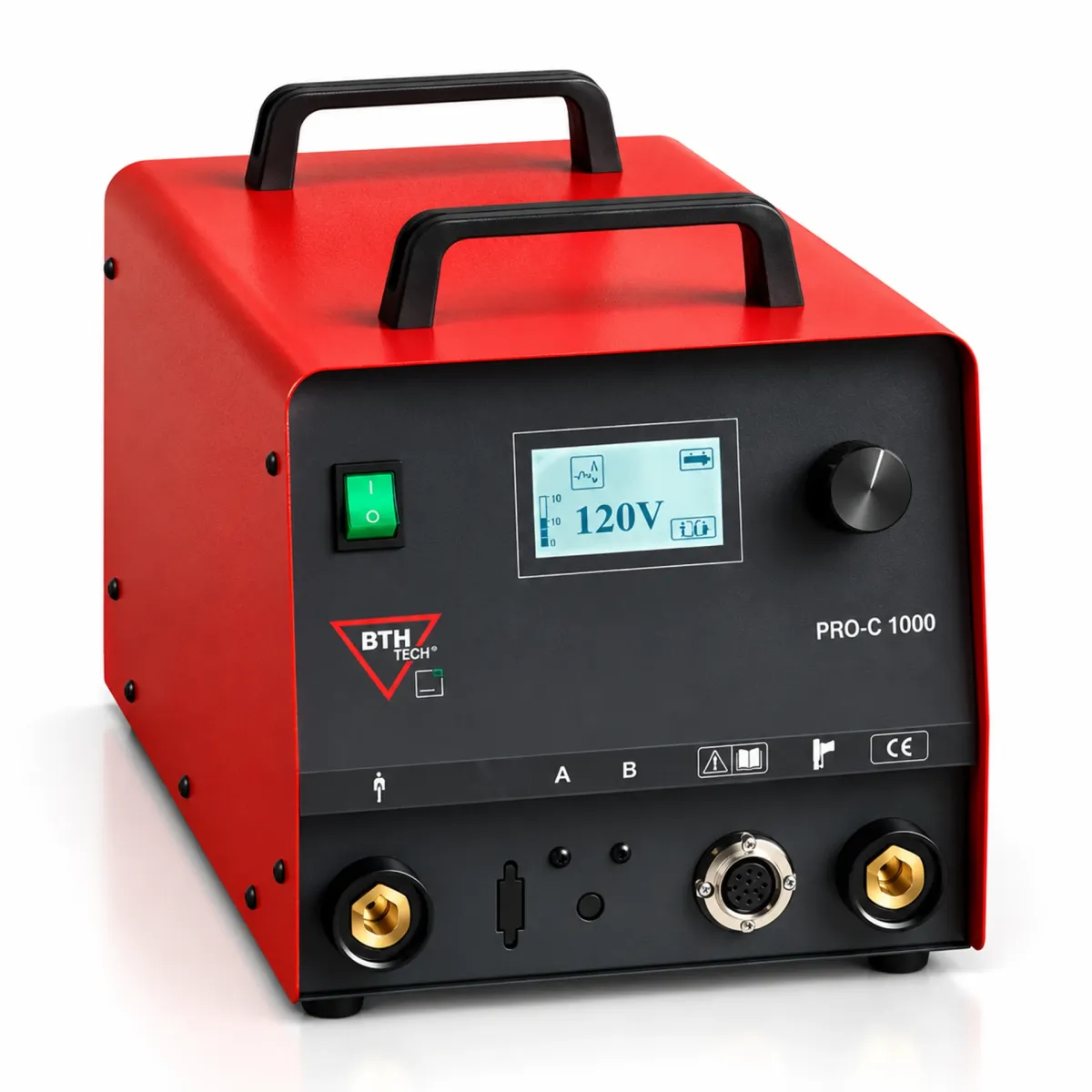
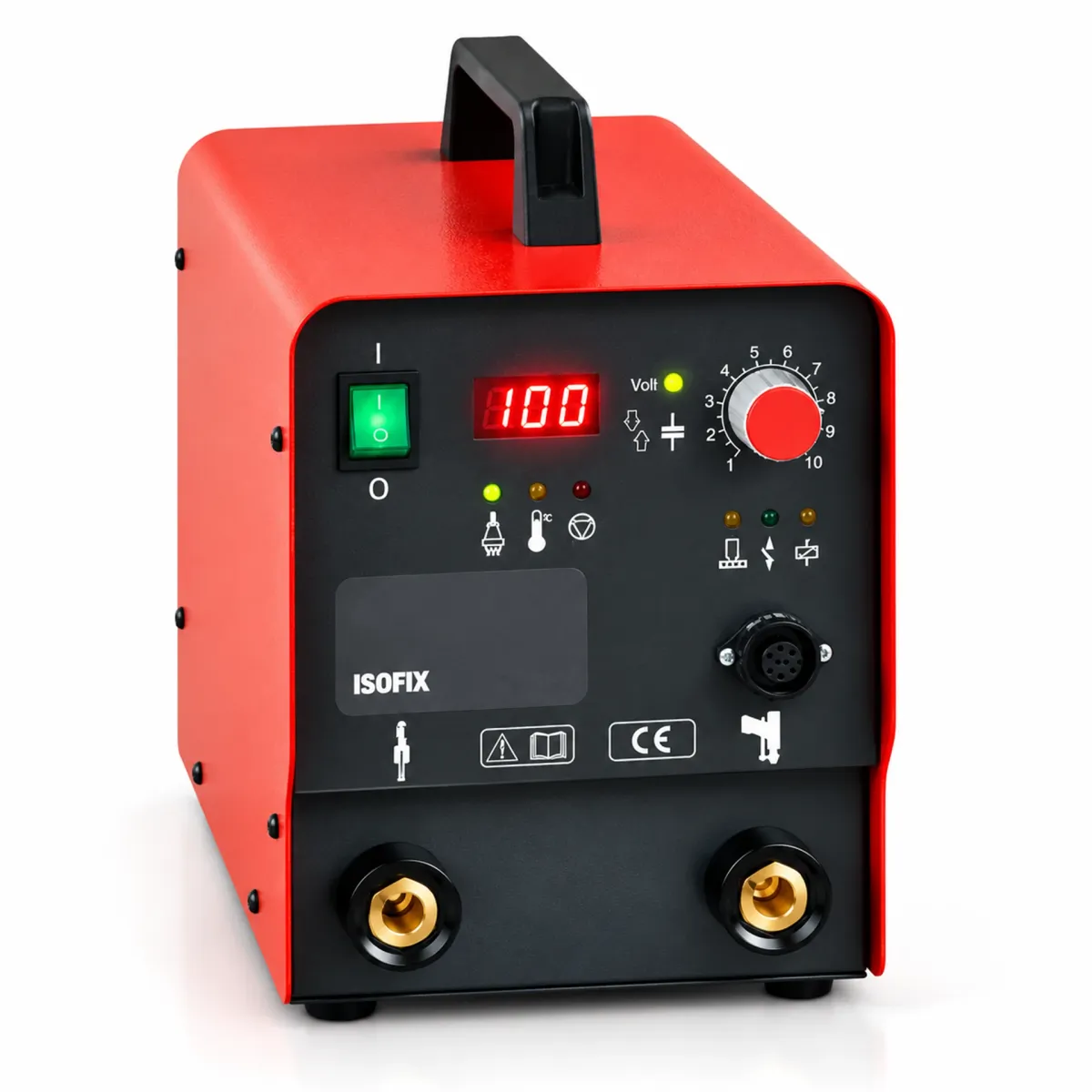
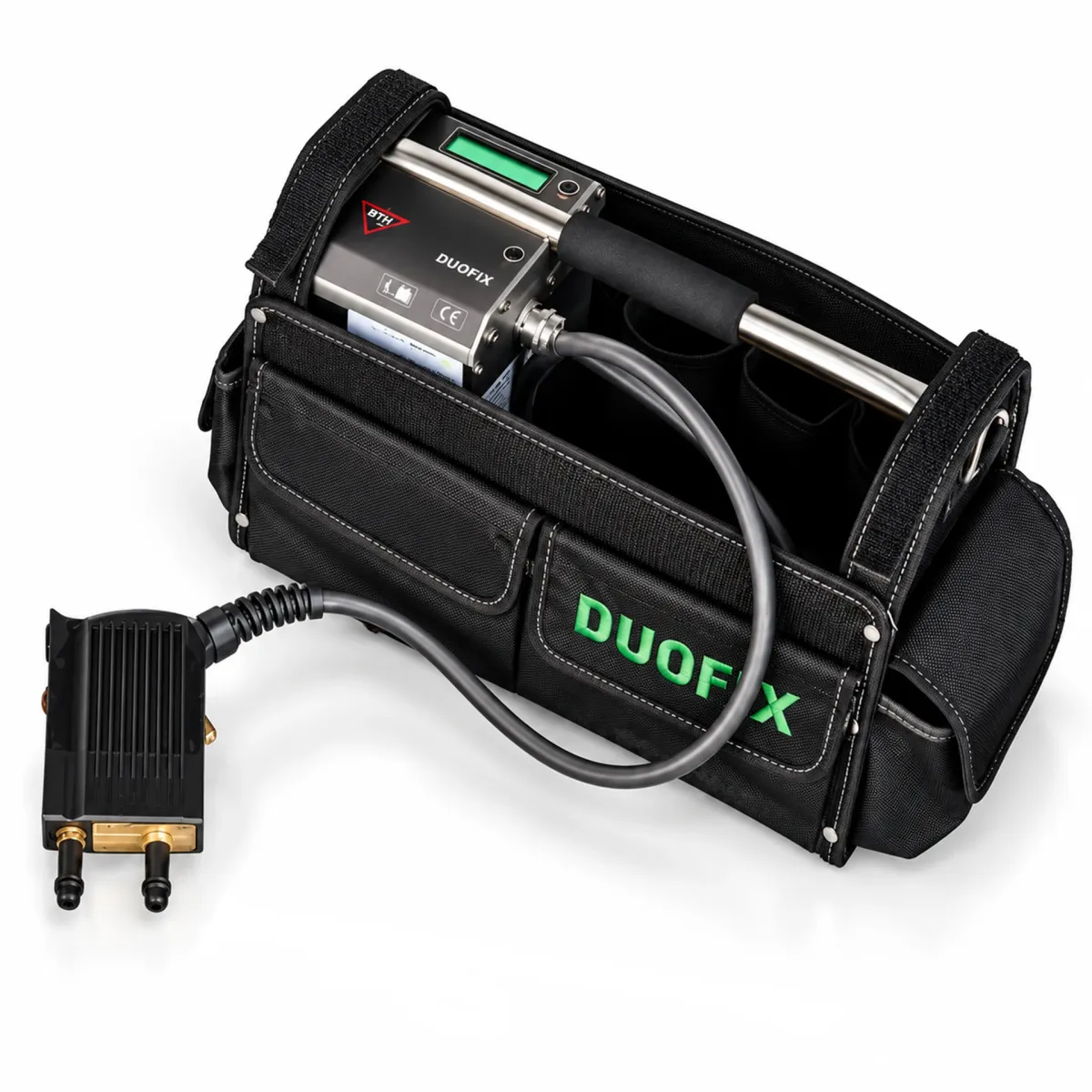
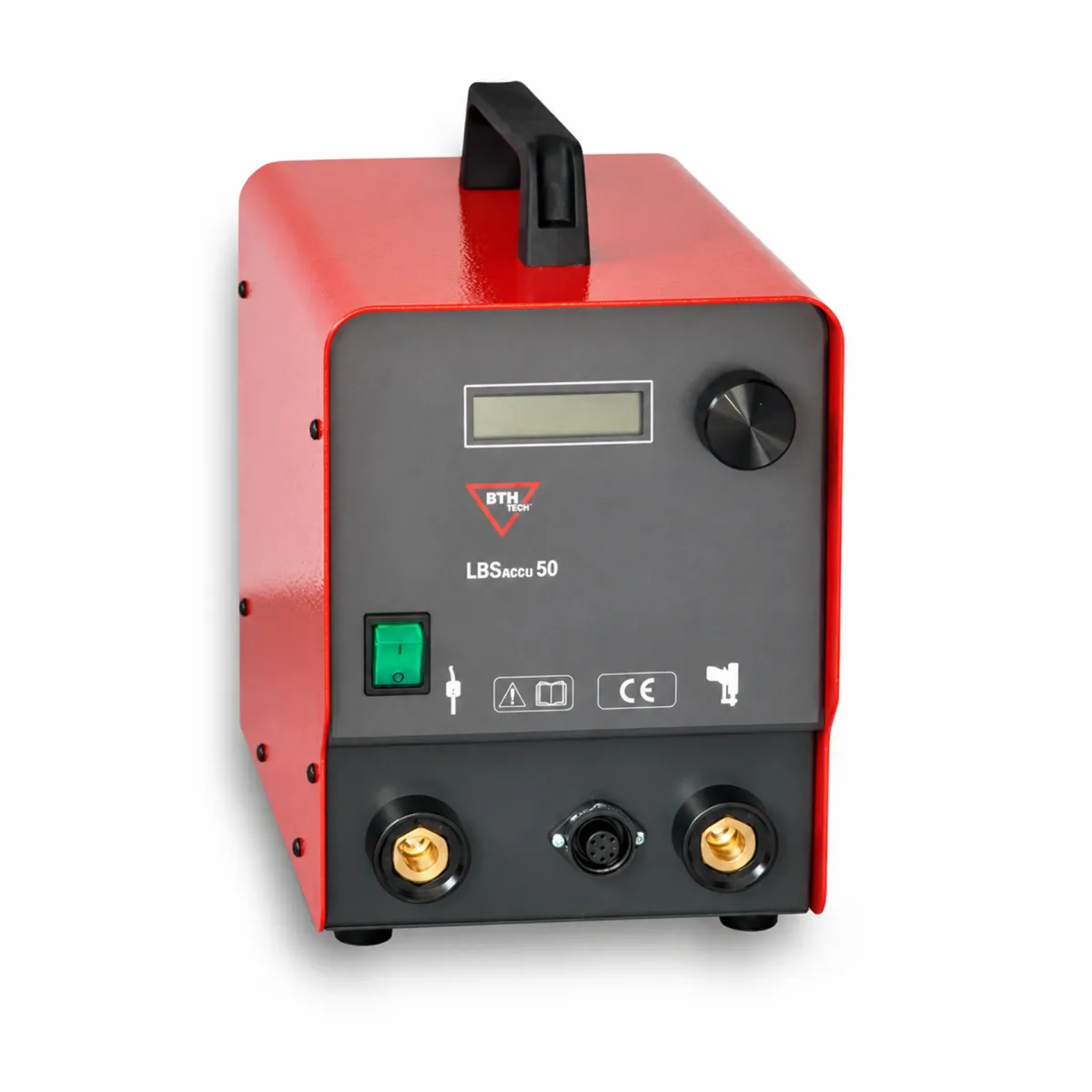
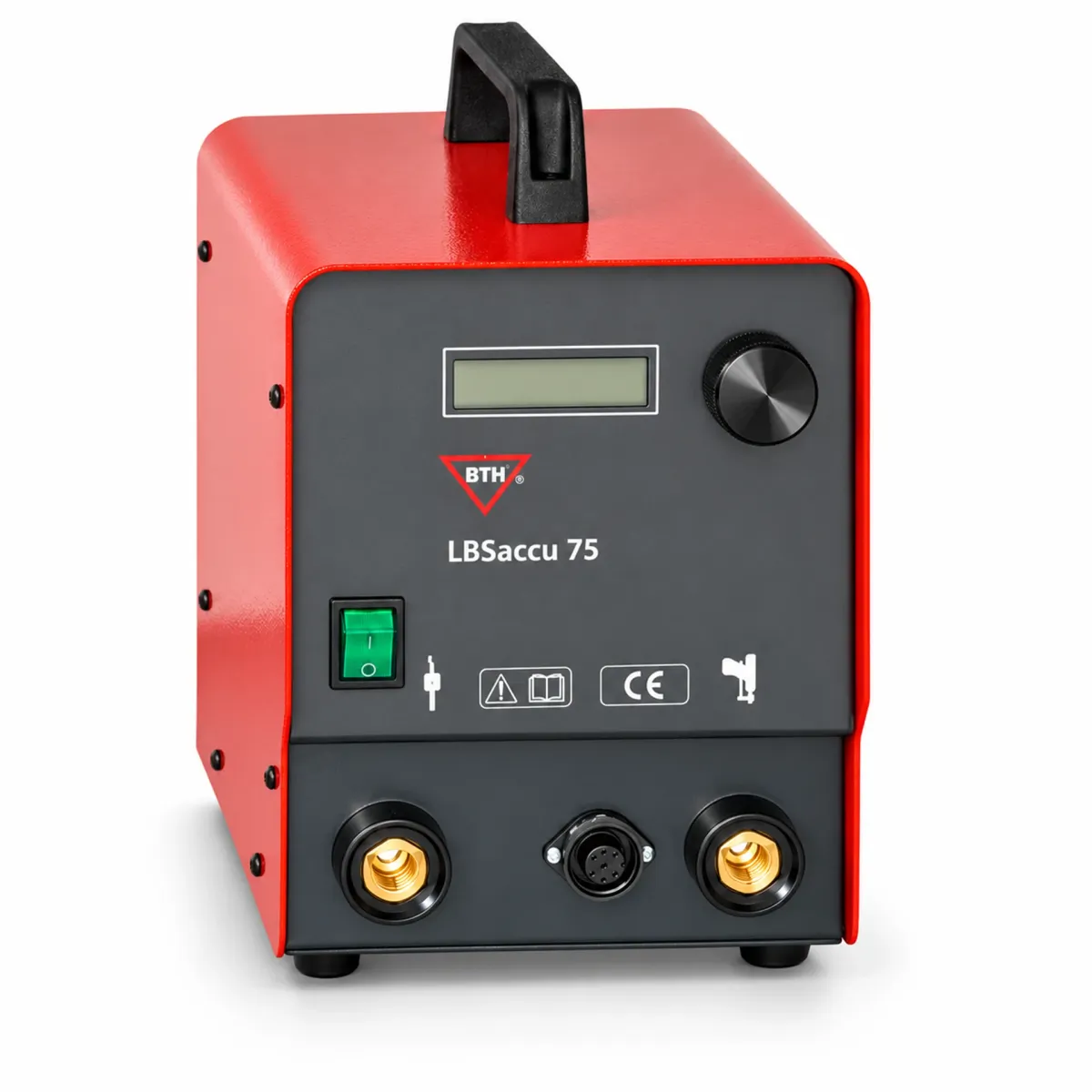
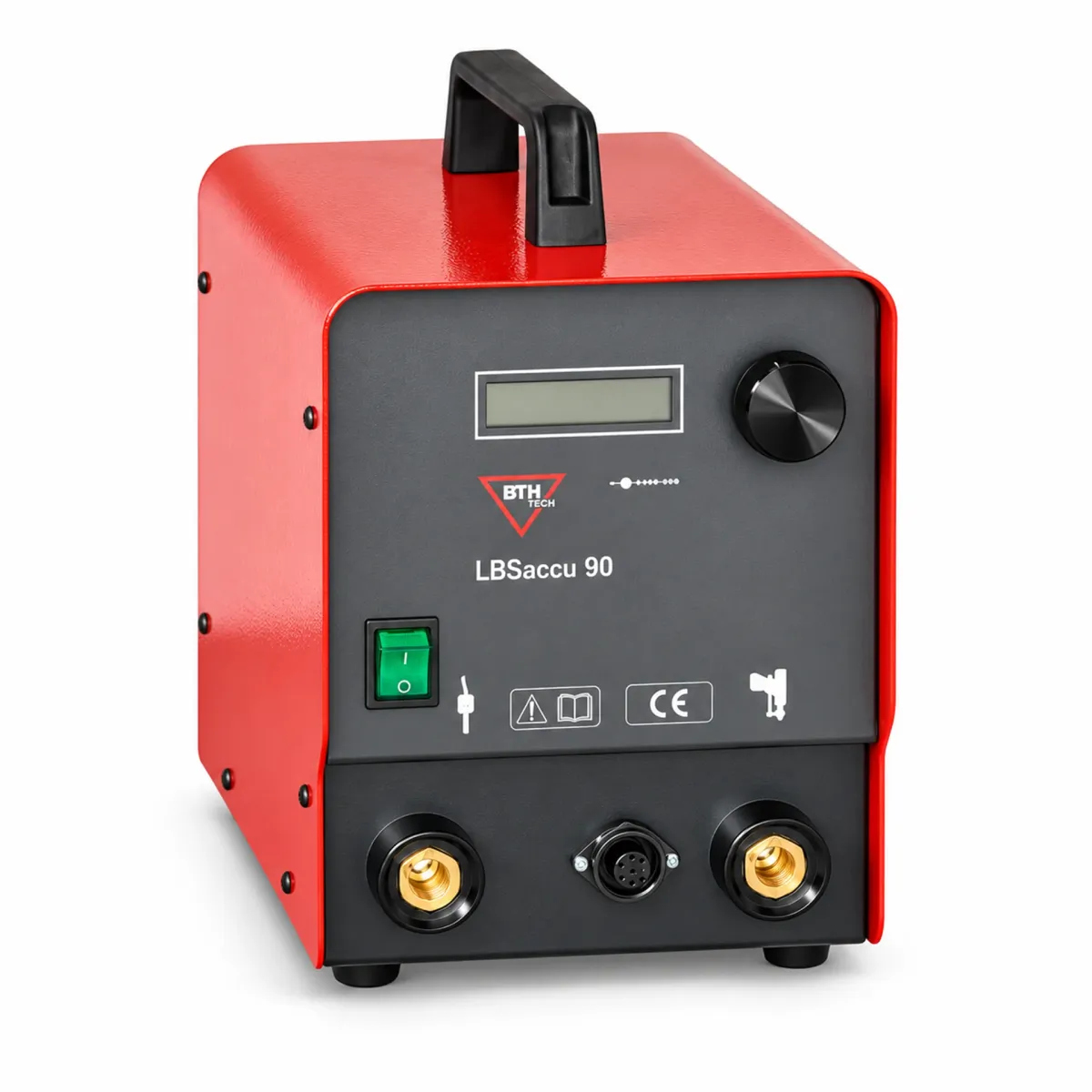
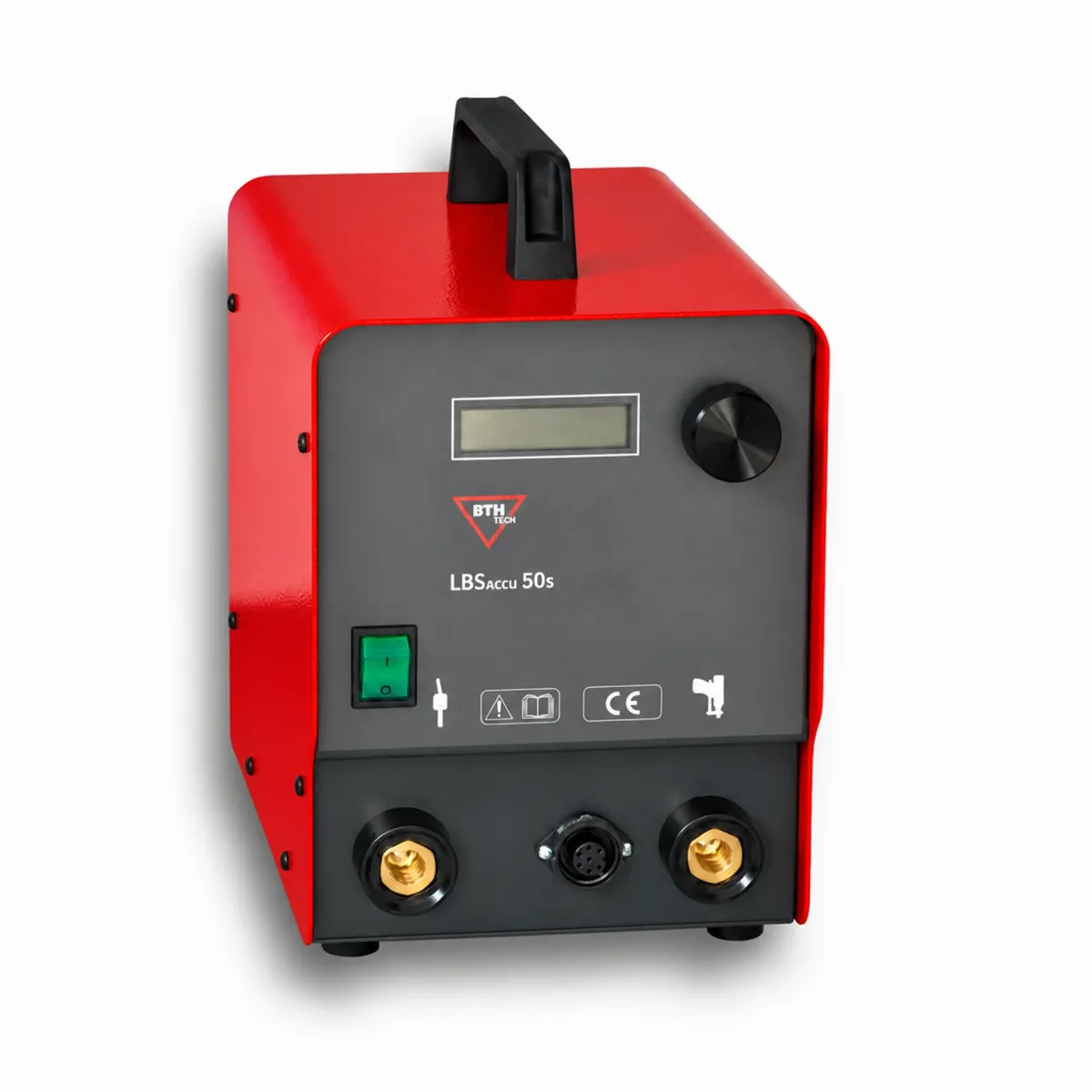
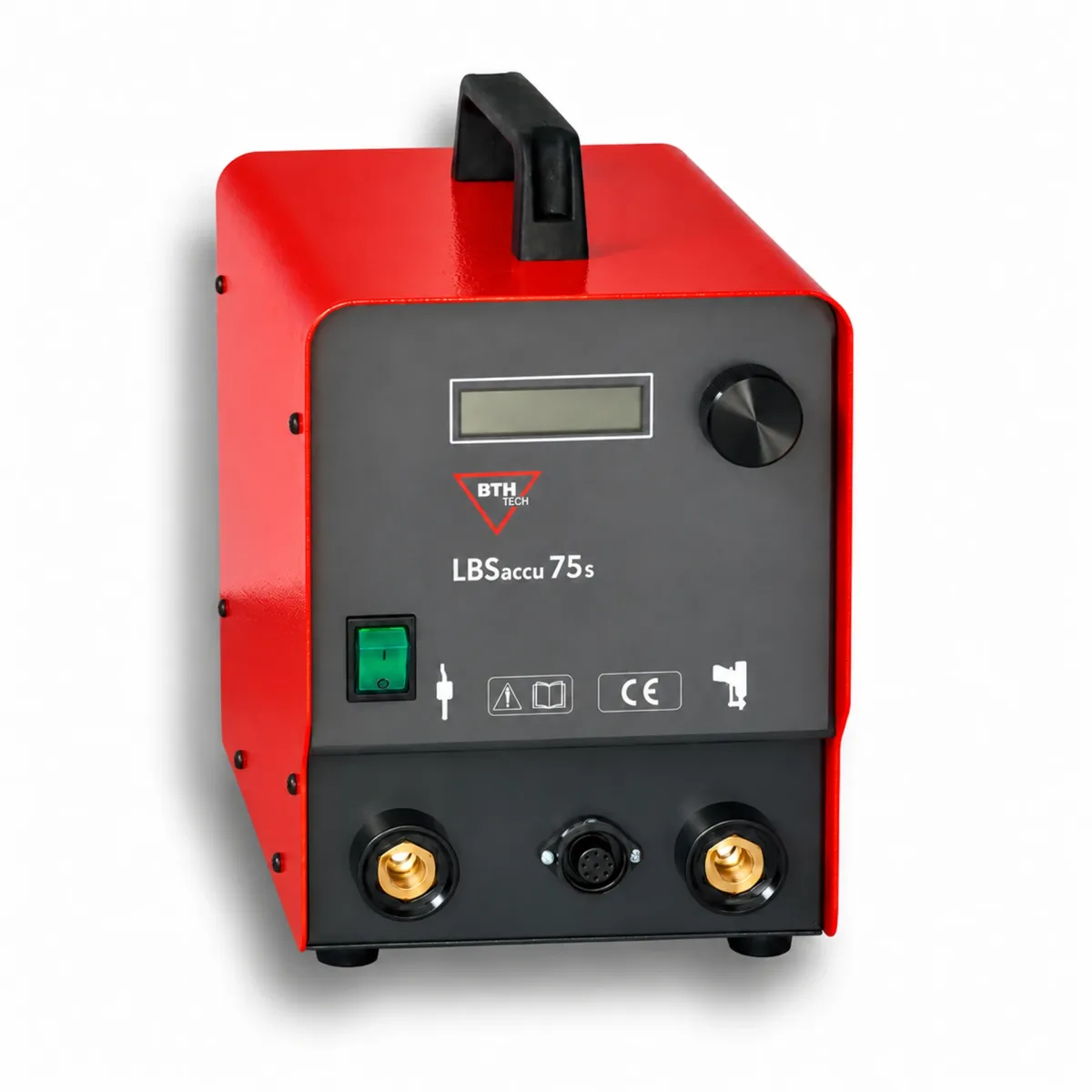
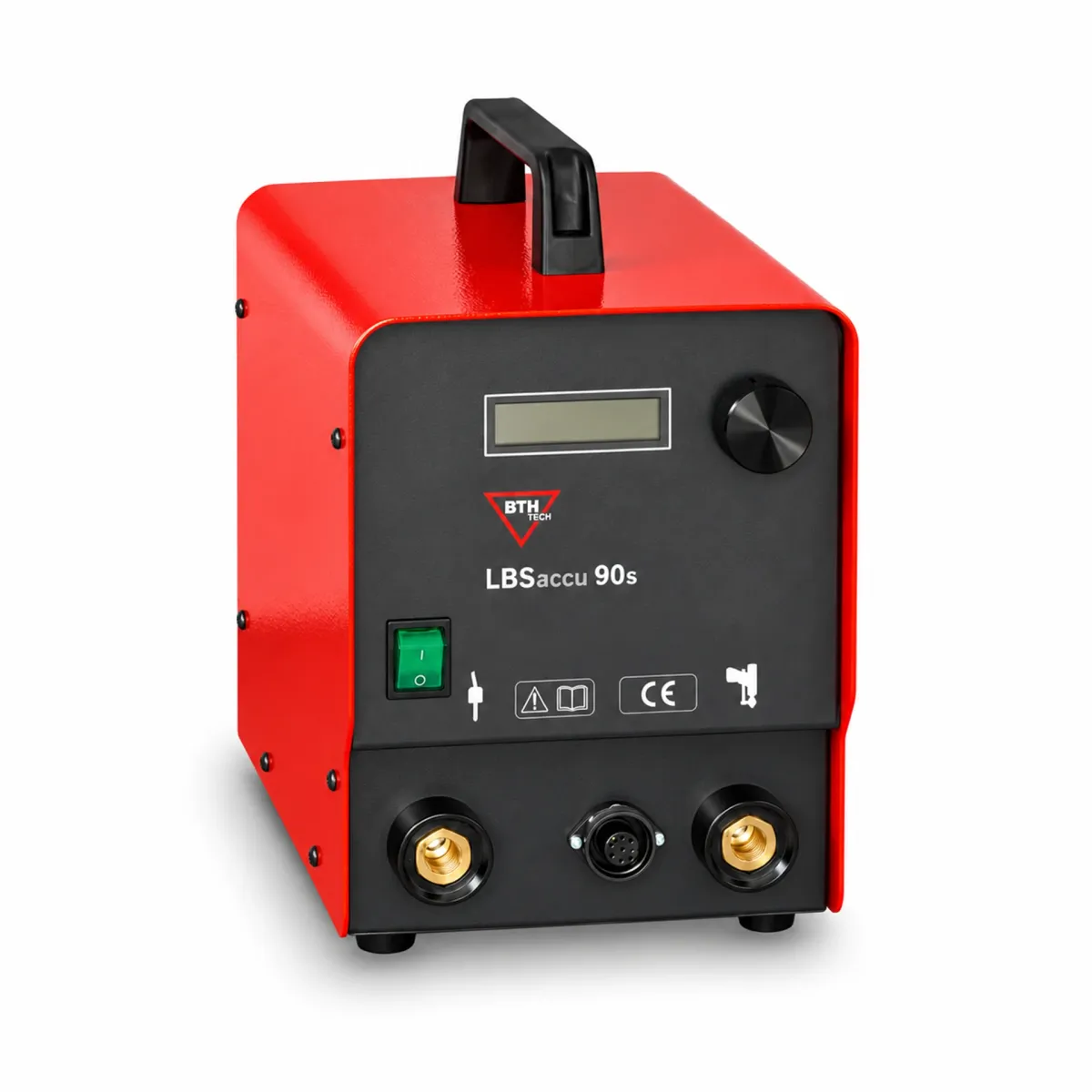
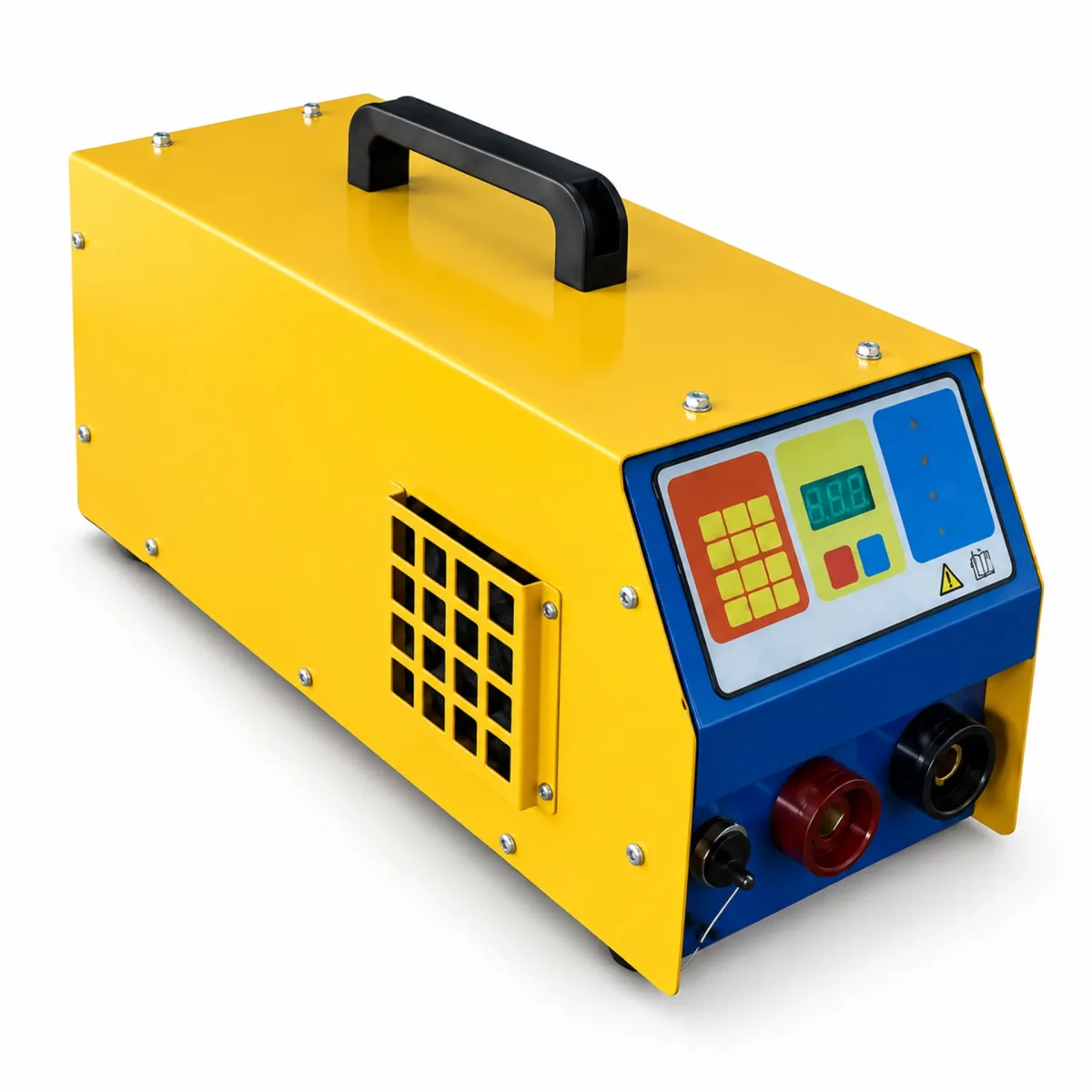
Stud and threaded bush welding on sheet metal and industrial components, with low heat input and manual or automated equipment configurations
Capacitor discharge stud welding machines are used to attach threaded studs, internally threaded bushes, weld pins and other metal fasteners directly to sheet metal and manufactured components. The process creates a permanent welded connection without drilling through the workpiece, making it particularly suitable for thin sheet metal fabrication and applications where the reverse side of the component should remain largely unaffected.
A.T.S. supplies capacitor discharge stud welders for workshop operations, mobile installation and industrial production. The range includes LBS power units, battery-powered LBSaccu models, microprocessor-controlled PRO-C machines and SW series equipment, as well as dedicated systems for insulation fixing and other specific applications.
Capacitor discharge welding process and heat input
Capacitor discharge welding works by storing electrical energy in capacitors and releasing it over a very short welding cycle. The discharge produces localised melting at the stud tip and the workpiece surface. As the stud is pressed into the molten area, the materials join and solidify to form the welded connection.
The short cycle helps restrict heat transfer into the surrounding material. This can reduce the risk of distortion and visible marking on thin panels, electrical enclosures and fabricated sheet metal components. However, the final result also depends on the stud design, base material, surface condition and welding settings.
Where components are coated or surface-treated, weldability must be assessed rather than assumed. The coating type, thickness and preparation can affect electrical contact and the formation of the weld.
Choosing the welding unit and gun
The generator must be matched to the fastener dimensions, material and required welding energy. A.T.S. also supplies capacitor discharge stud welding guns for different operating conditions, including contact and gap welding arrangements.
Contact welding and gap welding differ in how the stud is positioned and moved before the discharge. The selected gun, its accessories and the welding unit must therefore be compatible with the fastener and the intended process.
Some PRO-C machines incorporate microprocessor control, adjustable charging parameters and stored welding programmes. Depending on the model and configuration, monitoring functions can also record welding parameters, helping operators check process consistency across repeated production cycles.
Studs, materials and industrial applications
The available weld studs and welding fasteners include externally threaded studs, internally threaded bushes, plain studs and insulation fixing elements. Selecting the correct item involves checking its material, weld tip geometry, diameter and compatibility with the component to which it will be attached.
Capacitor discharge stud welding is used in sheet metal fabrication, electrical cabinet manufacturing, machine building and the assembly of metal housings. It can provide fixing points without the additional machining associated with through-holes, provided the weld design and loading requirements are suitable.
Equipment for automated stud welding
Production environments requiring repeated welding operations can use automatic capacitor discharge stud welding machines, together with compatible welding heads, stud feeders and control equipment.
Selected PRO-C configurations support programmable welding settings and the use of multiple welding guns through dedicated accessories. These options are useful where different fastener dimensions or welding tasks must be handled within the same production area.
A.T.S. provides technical advice and application support to help manufacturers select the appropriate stud welder, gun and accessories. The assessment considers sheet thickness, fastener material, welding diameter, access conditions and production requirements, with the aim of achieving repeatable welds while reducing unnecessary assembly operations.
A capacitive discharge welder is a device that uses energy stored in capacitors to perform welding. This technology enables precise, high-quality welds to be made on various materials and thicknesses using weld studs and other fasteners.
A.T.S. Lamberti offers a wide range of capacitive discharge welders, including:
- Low power manual welders
- Semi-automatic capacitive discharge welding systems
- Automatic capacitive discharge welding systems equipped with microprocessors with inverter technology
The main advantages include:
- Allows studs or internal threaded studs to be welded onto thin sheets without drilling or deforming them.
- Provides high mechanical resistance to pulling, tearing and vibration.
- Fast welding process with short cycle times.
- Low energy consumption.
In general, capacitive discharge welders are an efficient, versatile and safe solution for welding metal studs and inserts on a wide range of materials.
The Power Package is an innovative solution from A.T.S. Lamberti that allows individual capacitive discharge welders to be connected to a powerful unit, thereby improving the efficiency and performance of the welding system.
Capacitive discharge welders can weld studs and other fasteners in a variety of materials, including coppered 4.8 steel, A2-50 steel, AISI 316 steel, AllMg3 aluminium, CuZn37 brass, ensuring strong and durable welding.
The right solution for your application, with the support of our experts
Our experts will help you find the right product for your needs, with no obligation. Tell us what you need: together we will find the most suitable solution.
Contact us, no obligation