




How to choose a stud welding machine
Technical selection criteria for power sources, welding guns, stud diameters and production requirements
5 min read
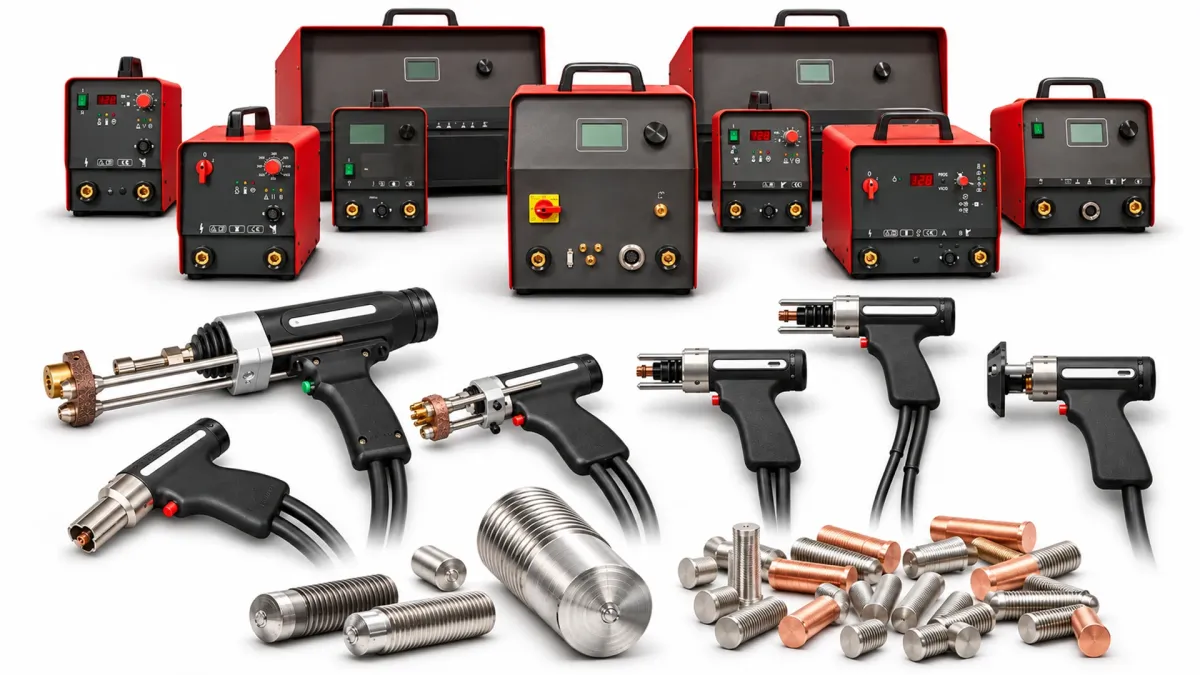
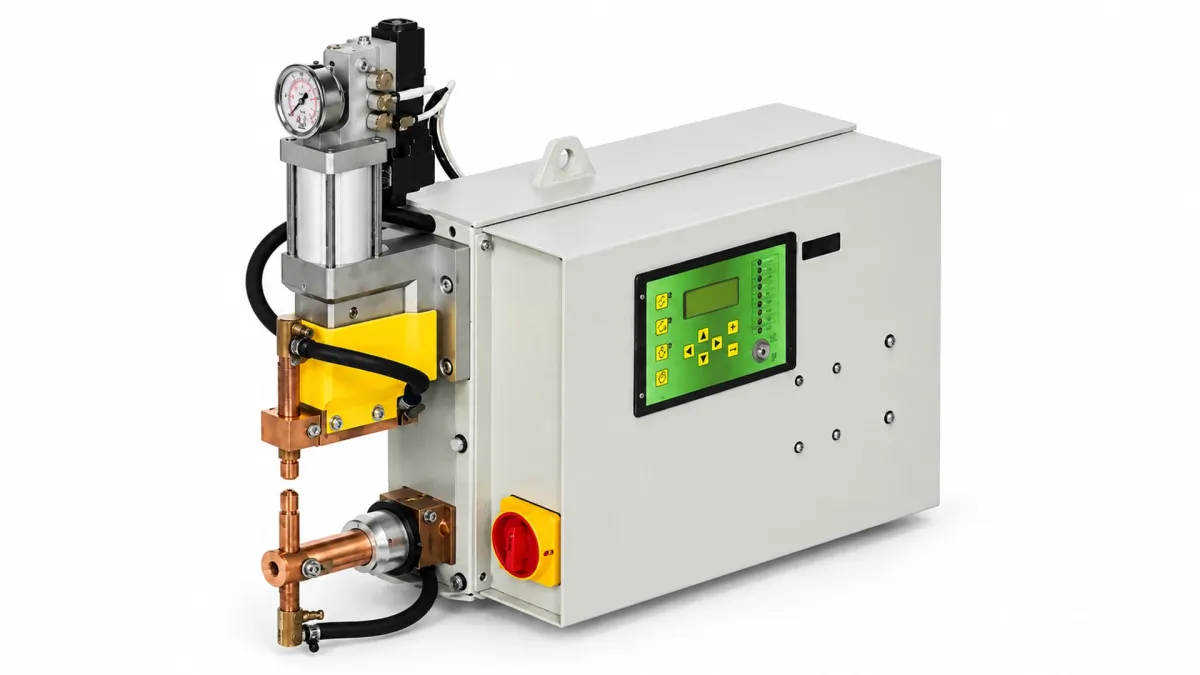
Selecting a stud welding machine starts with the fastener and the workpiece, rather than the highest power rating shown in an equipment catalogue. Stud diameter, weld-end design, base-metal thickness, material grade and the required joint strength determine which welding process and machine configuration can be used. The welding gun, electrical supply and expected production volume must also be assessed.
A.T.S. supplies stud welding equipment for capacitor discharge, short-cycle and drawn arc applications. Choosing an appropriate system requires matching the power source and welding gun to the actual fixing operation, including the available workspace and operating conditions.
Define the stud and workpiece before selecting equipment
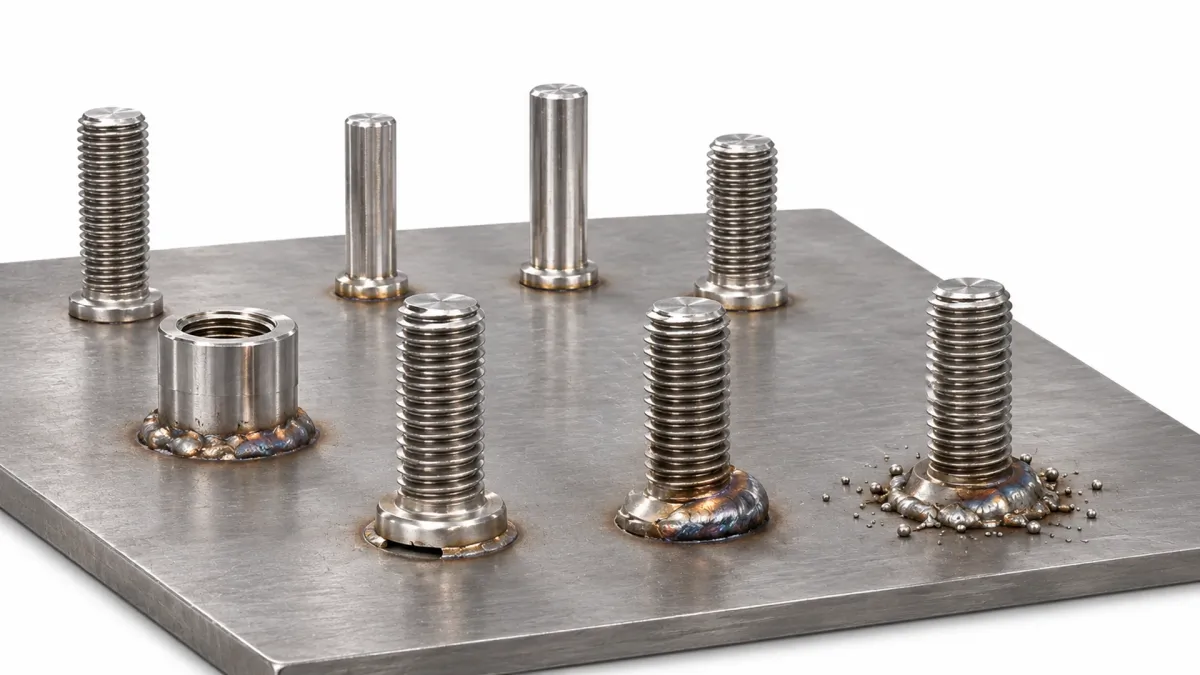
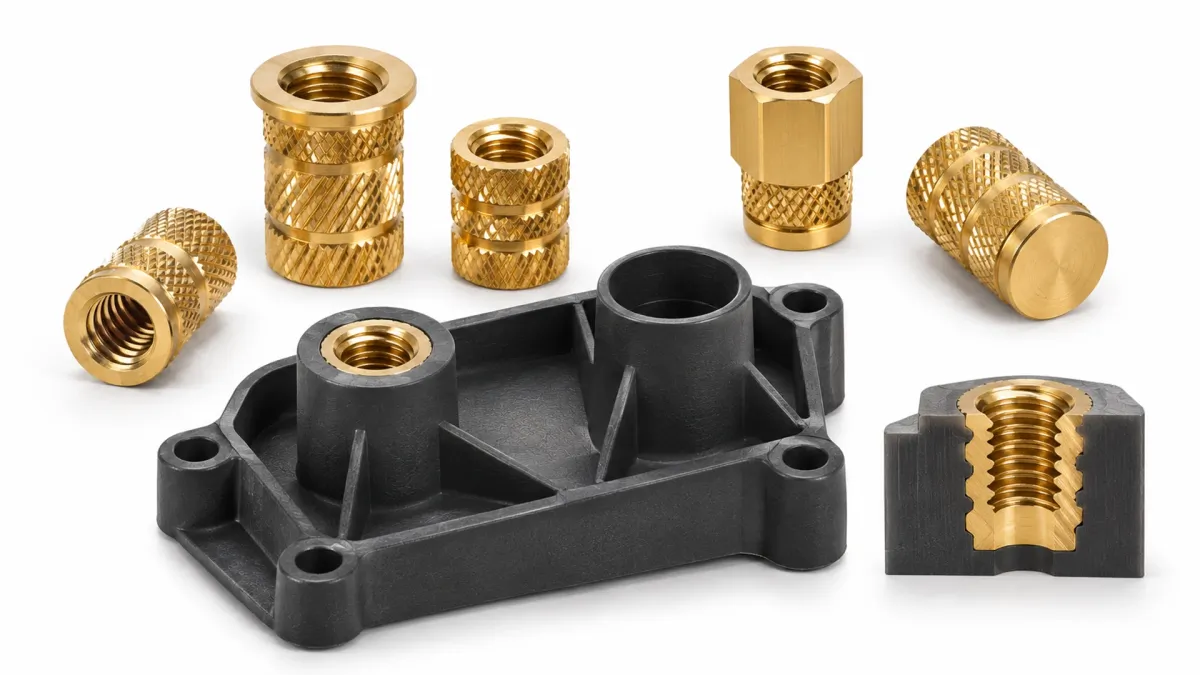
The first consideration is the type of fastener. A threaded stud, internally threaded bush, insulation pin and structural shear connector have different weld-end geometries and performance requirements. Nominal thread diameter alone does not determine the welding energy required or the mechanical strength of the completed joint.
The material and thickness of the base metal also matter. Thin sheet metal may require limited heat input to reduce distortion or visible backside marking. Thicker steel sections and larger studs may require different fusion conditions. Stainless steel, aluminium, carbon steel and brass differ in their thermal and electrical behaviour, so the exact material combination should be confirmed before selecting a power supply.
Compare the available welding power sources
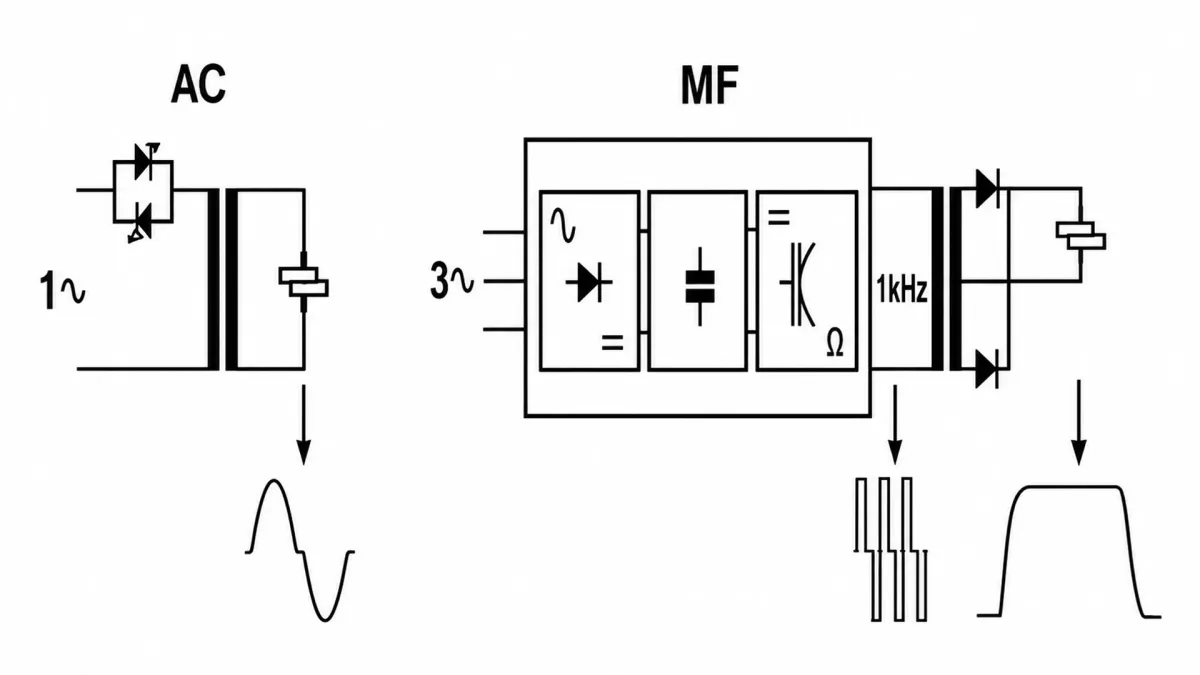
Capacitor discharge welding machines store electrical energy and release it during a short pulse. When comparing equipment, check the available charging voltage, capacitor capacity, stored-energy range and supported stud types. A higher stored-energy capacity does not automatically produce a better weld, because the required setting depends on the workpiece and fastener design.
The A.T.S. range includes LBS, PRO-C and SW systems. Some models offer additional energy-setting functions or support particular gun arrangements. The PRO-C 1000, for example, has adjustable charging voltage and selectable capacitance, providing different ways to configure the available welding energy.
For drawn arc equipment, the key specifications include welding current, adjustable arc time and compatibility with the gun's lift and plunge movements. Suitable welding-pool protection must also be provided where required. The LBH, PRO-D and PRO-I equipment families cover different operating ranges and welding modes; individual models must be checked before specifying short-cycle operation, gas shielding or ceramic ferrules.
Why welding gun compatibility matters
A stud welding power source cannot be evaluated independently of its gun. In capacitor discharge welding, contact and gap guns use different ignition arrangements. Their suitability depends on the stud material, projection geometry and intended process. A suitable collet, positioning accessories and contact support are also necessary.
For drawn arc welding, the gun's allowed stud size, movement adjustment and shielding accessories must match the welding procedure. Gun access can become the deciding factor when welds are located near bends, inside equipment housings or on large assemblies. The working position must allow the stud to remain correctly aligned with the surface.
Practical equipment-selection comparison
| Application | System to assess | Main verification |
|---|---|---|
| Small studs or bushes on thin sheet metal | Capacitor discharge source and compatible gun | Material, sheet thickness and weld-end geometry |
| Suitable fasteners requiring short-cycle welding | Short-cycle arc source | Current range, arc time and gun compatibility |
| Larger studs and structural shear connectors | Drawn arc equipment with required shielding | Stud size, current and welding procedure |
| Mobile work without continuous mains connection | Battery-powered CD welder | Battery capacity, permitted stud range and recharge needs |
| High-volume repetitive welding | Automation-compatible power source | Part positioning, feeding system and cycle time |
These configurations provide selection guidance. They do not replace the specifications of the actual welding machine, gun and consumable.
Manual, battery-powered or automated stud welding
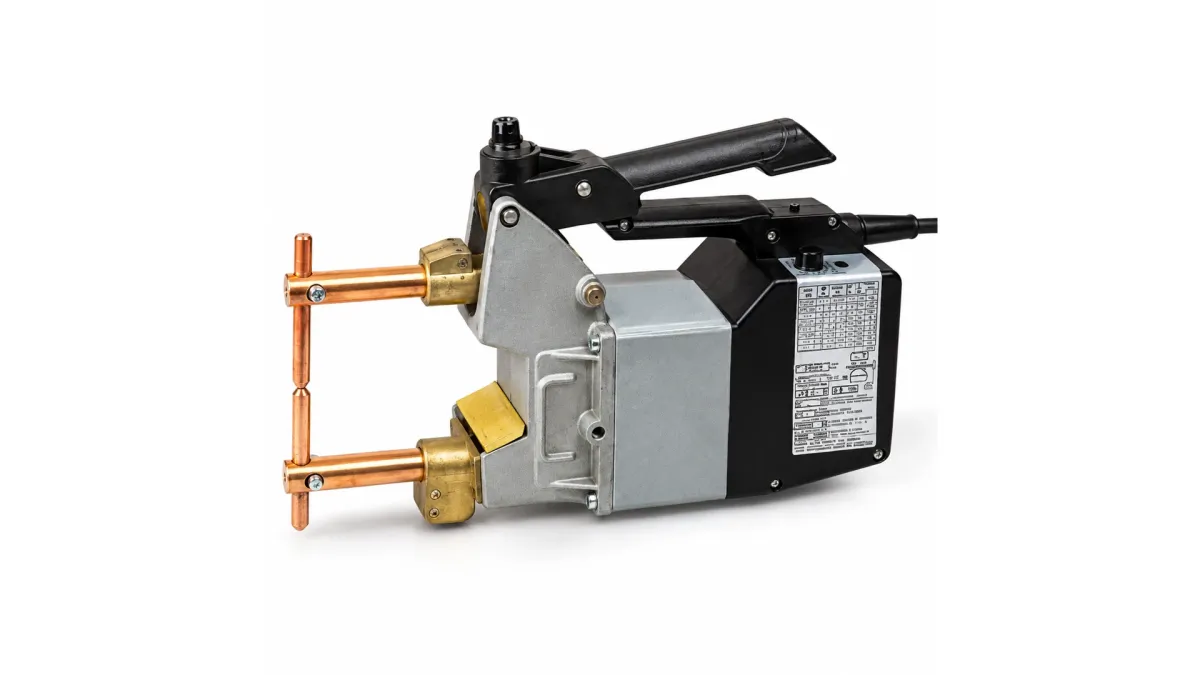
A manually operated gun can be appropriate for variable components, low-volume production and locations where an automated positioning system would be impractical. The operator must be able to maintain the correct gun position, and the equipment must provide the required welding settings.
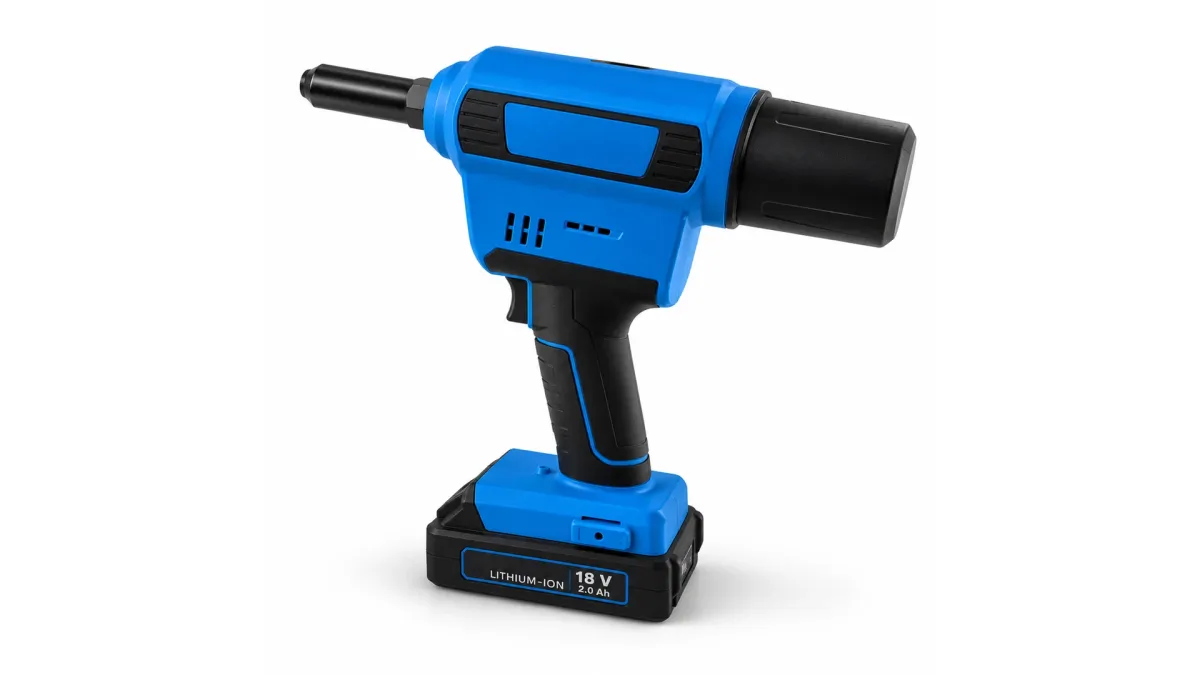
Battery-powered LBSaccu machines are available for suitable capacitor discharge applications where freedom from a continuous mains connection is useful. Battery operation does not mean that all stud diameters or materials are supported. The correct model must be selected according to its compatible fasteners and expected number of welds.
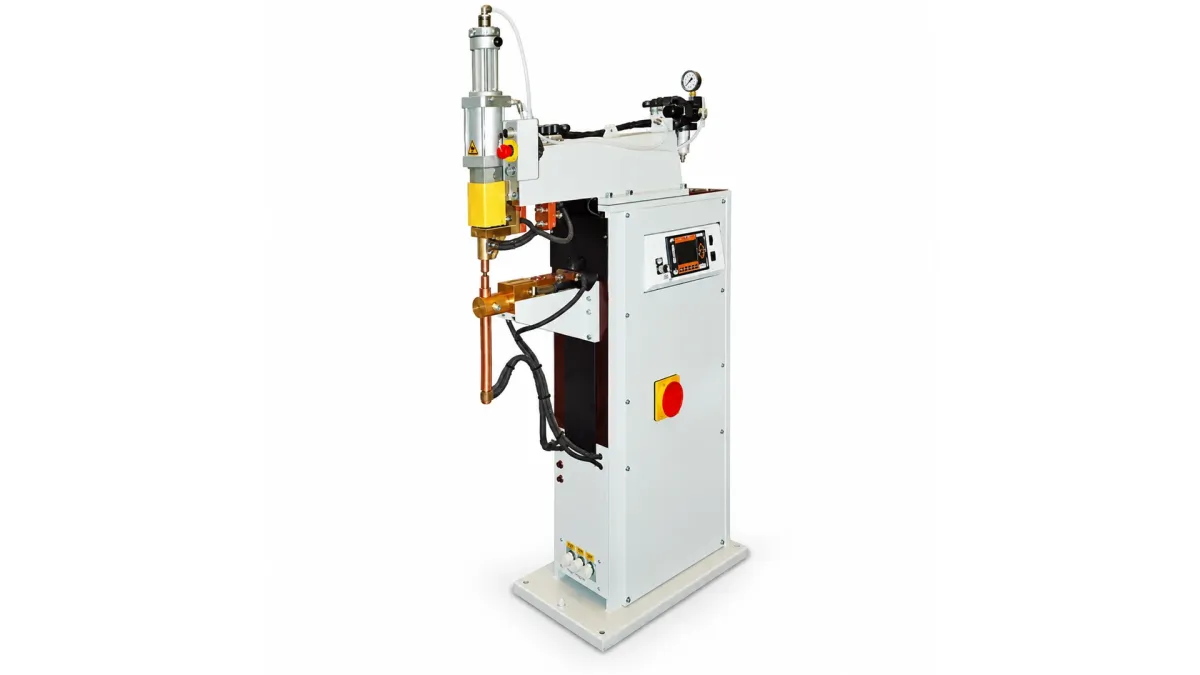
For repetitive industrial production, automatic stud welding systems may be considered. Automated heads, stud feeders and CNC positioning equipment can reduce manual handling and coordinate repeated welding positions. Their usefulness depends on production volume, part variation and the complete loading and unloading cycle.
Confirm operating requirements before purchasing
The final specification should include power supply, cable layout, earthing arrangement, operating duty and workpiece accessibility. Where necessary, cooling and shielding provisions must also be reviewed. A high current or energy rating is of limited value if the selected gun cannot position the stud correctly or the machine cannot sustain the required production schedule.
Representative welding trials should be used to establish a suitable configuration and welding schedule. Inspection and mechanical testing must be selected according to the joint requirements and applicable procedures. EN ISO 14555 and EN ISO 13918 provide relevant technical references within their respective scopes.
A.T.S. supplies stud welding power sources, guns, accessories and compatible fasteners, with technical guidance and after-sales assistance. Comparing the complete equipment arrangement against the workpiece and production requirements helps prevent unsuitable purchases and repeated adjustments after installation.
The right solution for your application, with the support of our experts
Our experts will help you find the right product for your needs, with no obligation. Tell us what you need: together we will find the most suitable solution.
Contact us, no obligation