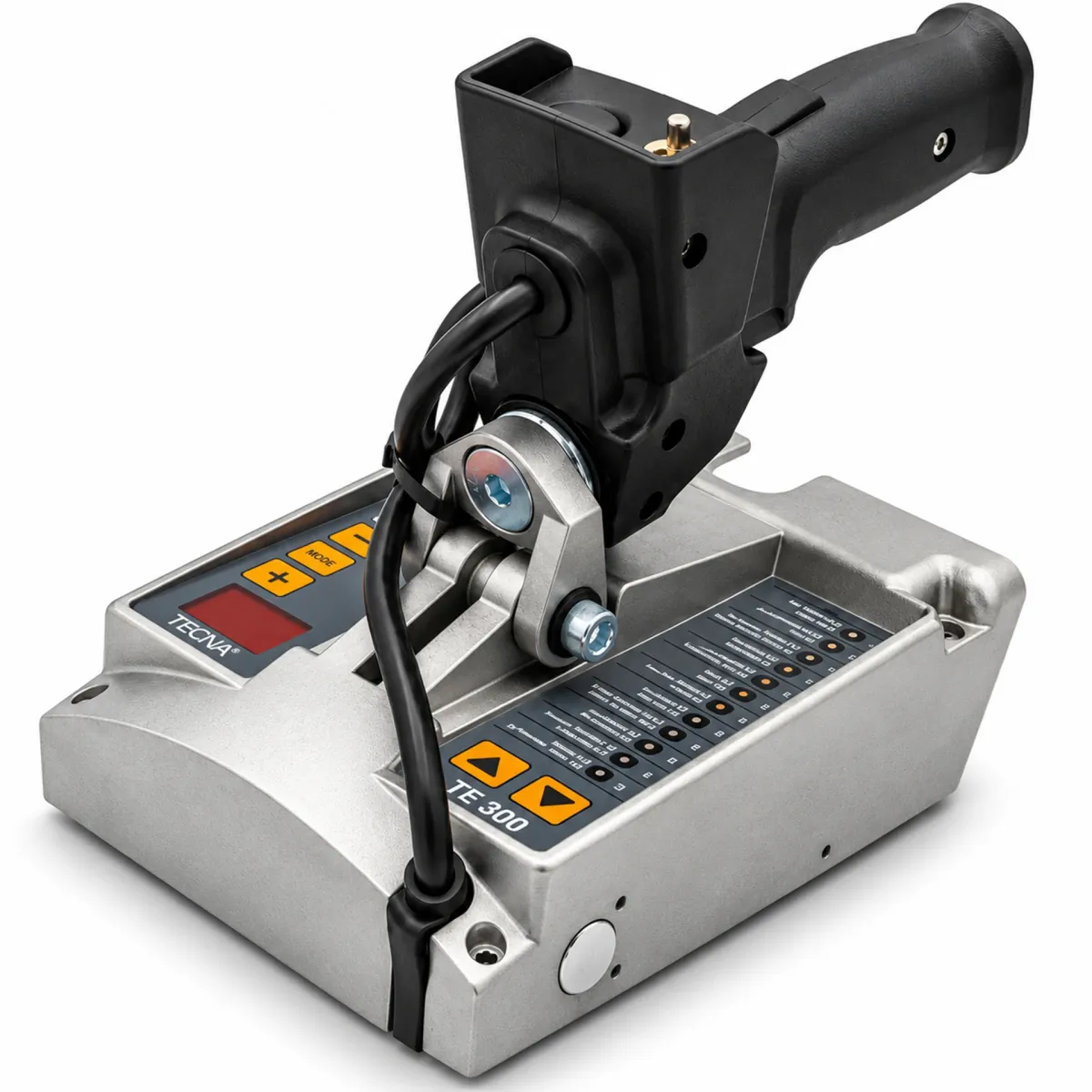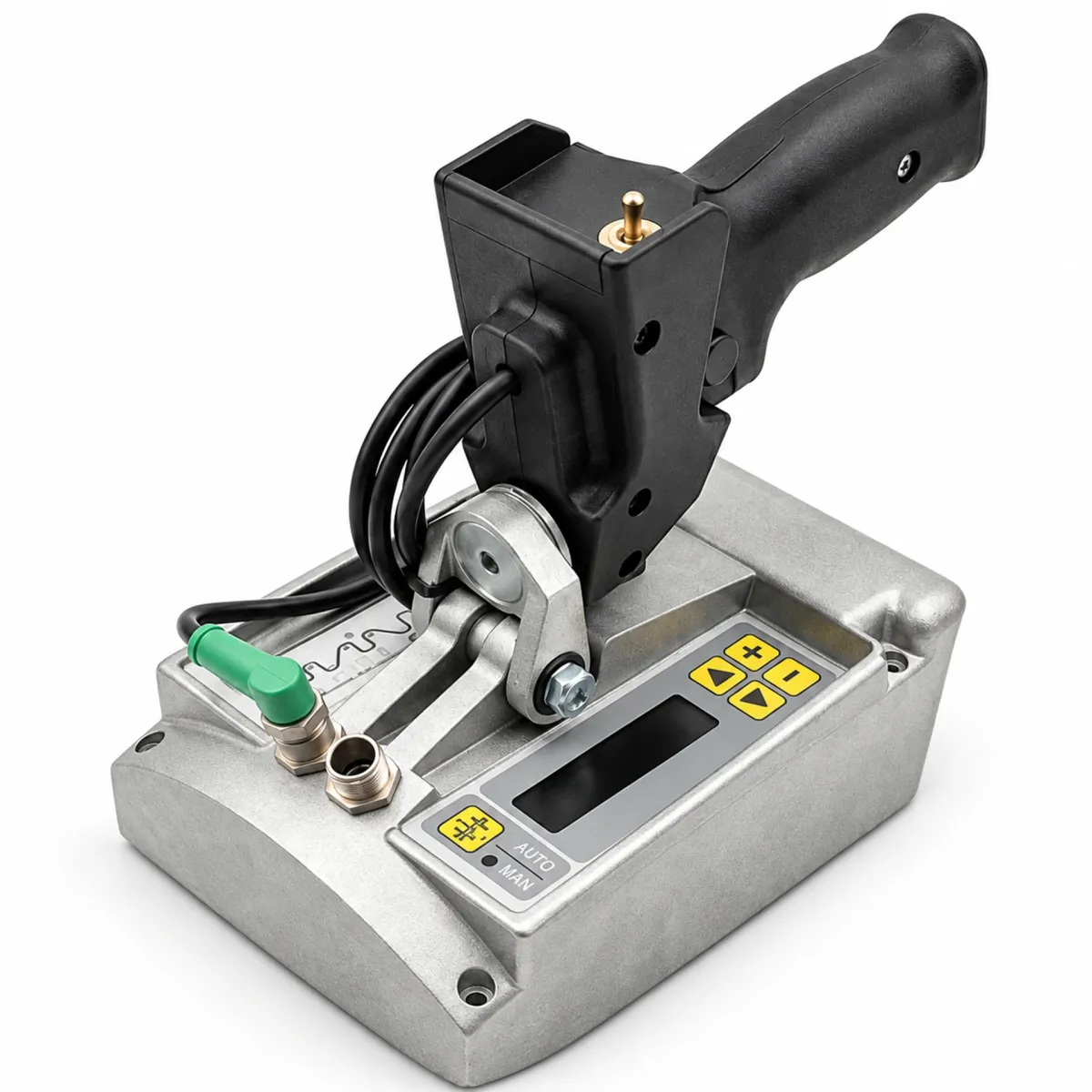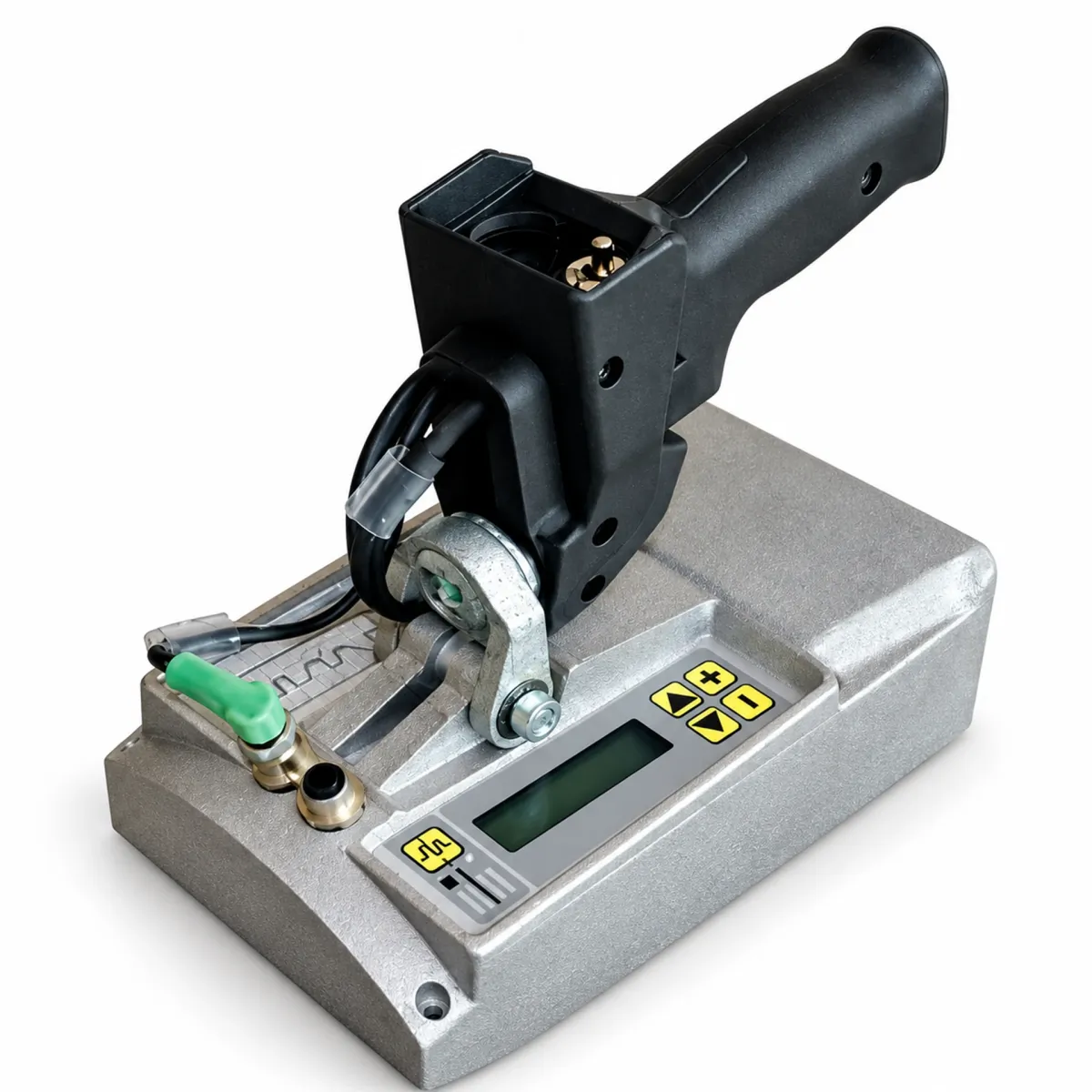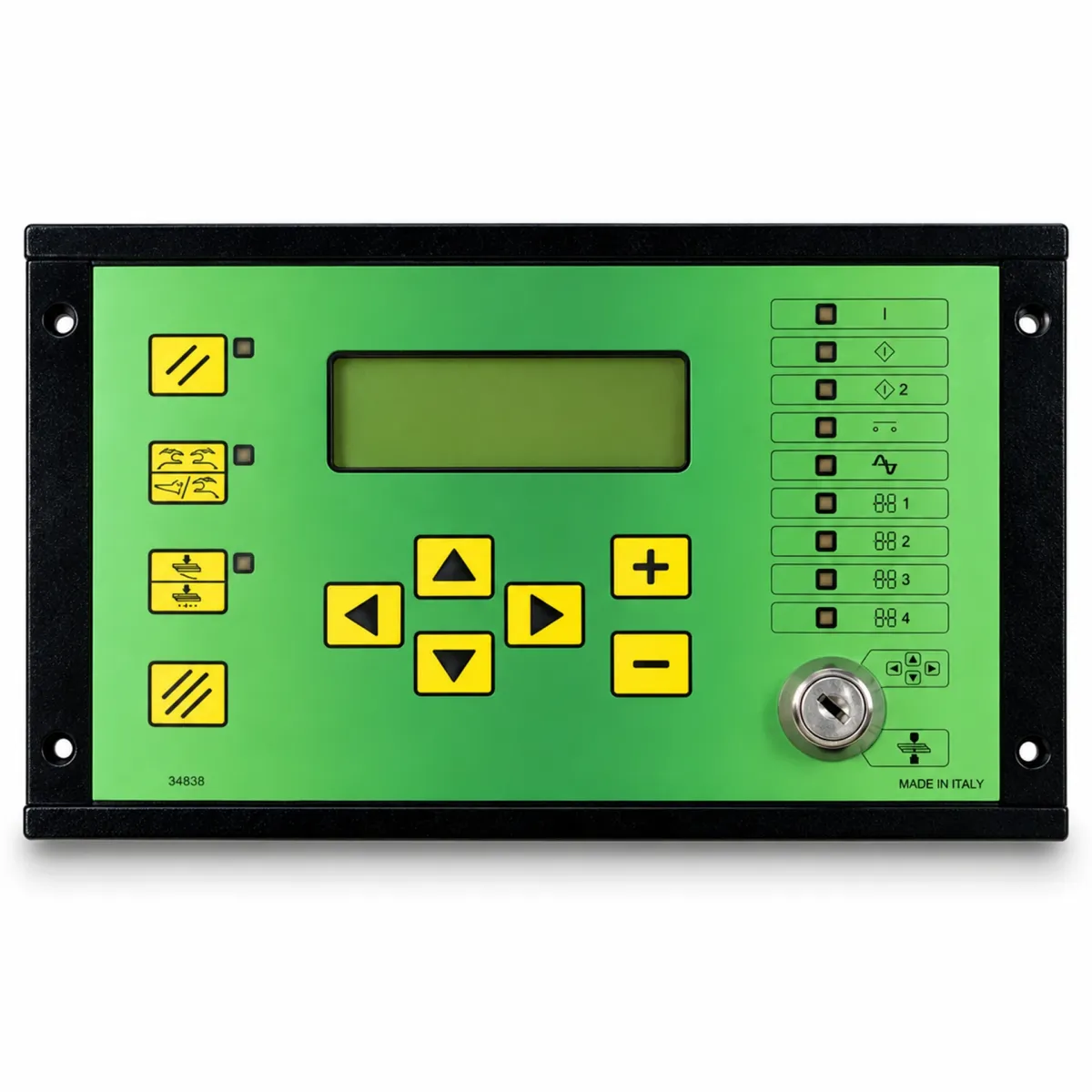





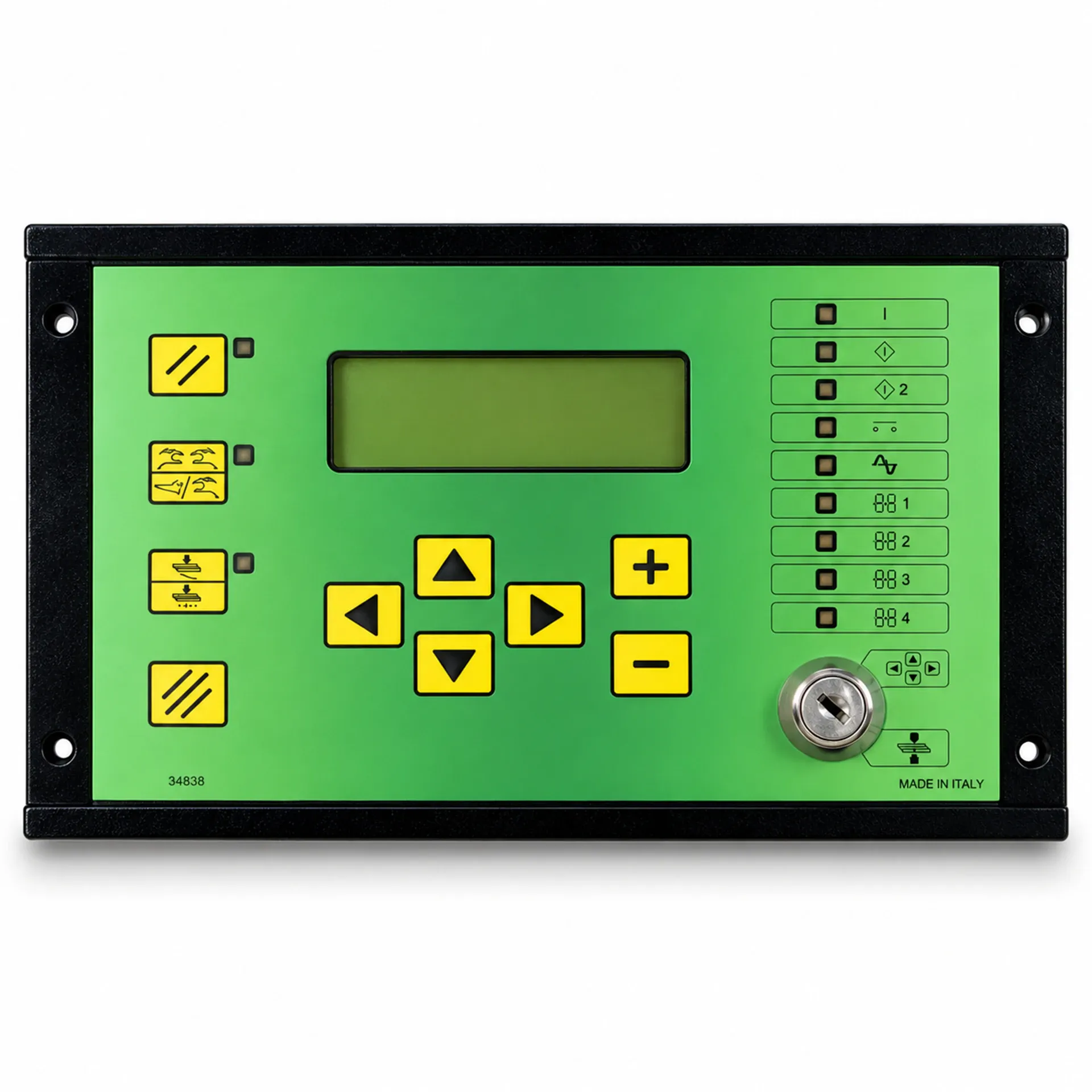
(TE550) Tecna
Programmable control for resistance welding with 250 programs, ideal for spot welders, roller welders and industrial automation
The Tecna TE550 is a microprocessor-based welding control designed to ensure maximum efficiency, precision and versatility in resistance welding applications.
Ideal for integration on spot welders, projection welders and roller welders, the TE550 is the perfect solution for those working in the industrial welding sector who are looking for an advanced and easily programmable system.
The control system intelligently manages all the spot welder components, with particular attention to current regulation via SCR (controlled diodes), allowing adaptation to different operating modes: constant power, constant current and constant energy (optional).
One of the strengths of the TE550 is its high programmability: it can store up to 250 welding programs, with 31 programs that can be called directly from outside.
Each program consists of up to 25 customizable parameters, which are useful for precisely defining each phase of the welding cycle.
The work cycle supports advanced configurations, such as welding with pre-welding, post-welding, slope and pulsation, in addition to the simple four-step cycle.
The system is designed to easily adapt to automatic machines, thanks to the possibility of expanding the number of inputs and outputs, making the TE550 perfect for industrial welding automation systems.
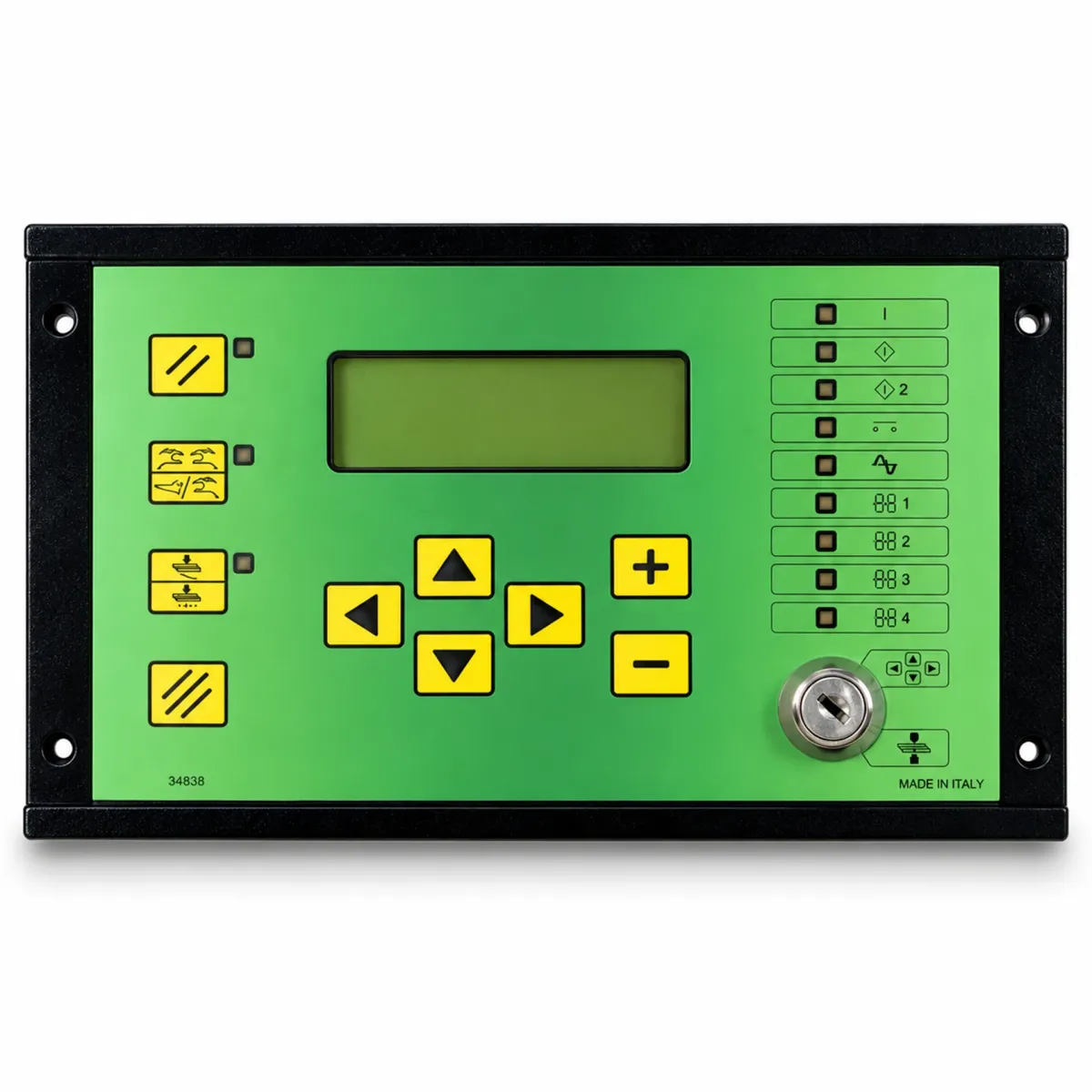
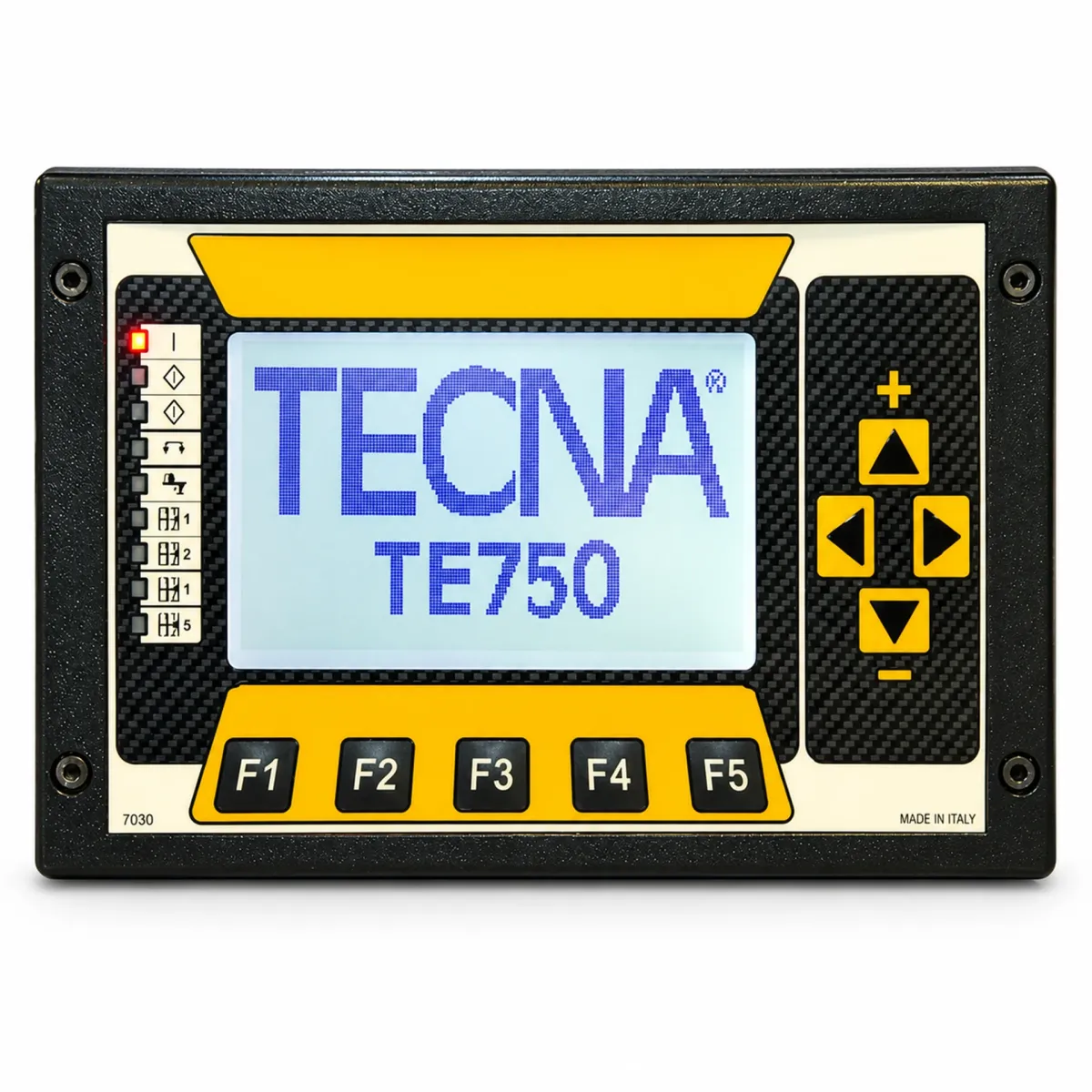
Programming is carried out using 6 physical keys and a backlit alphanumeric LCD display, ensuring a simple and intuitive interface.
The TE550 allows real-time display of the RMS welding current (in kA) and the conduction angle, and is equipped with configurable limits for both quantities, increasing operational safety.
Operating modes include single cycle, automatic and WELD/NO WELD function, with the option of selecting between foot control or two-hand control.
Among the most advanced features is the incremental function for electrode wear compensation, with a programmable adjustment curve.
First insertion delay adjustment and management of 5 24 Vdc solenoid valves (5 W max) with self-protected output are also available.
The control adjusts itself based on the network frequency (50/60 Hz) and supports serial communication via RS232 or isolated RS485 (optional), as well as having a dedicated output for a proportional solenoid valve.
The TE550 firmware can be updated via software and the integrated CAN-Bus interface allows for the implementation of future options, such as electrode campaign activation and management.
The system supports 8 languages: Italian, English, French, German, Spanish, Hungarian, Swedish and Portuguese, easily adapting to international production environments.
The Tecna TE550 is therefore a professional and comprehensive welding control system, designed to ensure maximum performance, ease of use, cycle customization and integration into modern automated welding processes.
Its reliability, combined with an expandable architecture and compatibility with multiple resistance welding technologies, make it a strategic choice for those seeking quality, efficiency and precision in production process control.
Case Studies on This Product
 Welding Works in Manual Mode but Not in Automatic Mode: Cycle Diagnosis
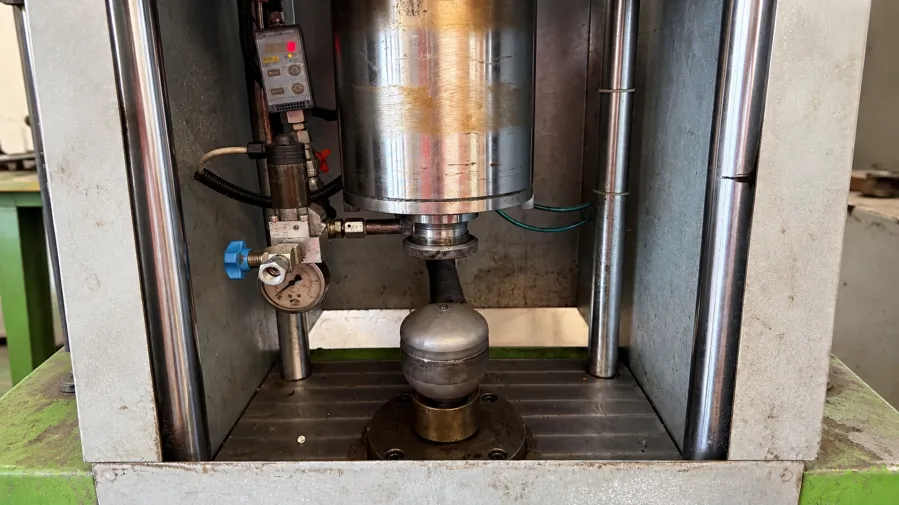
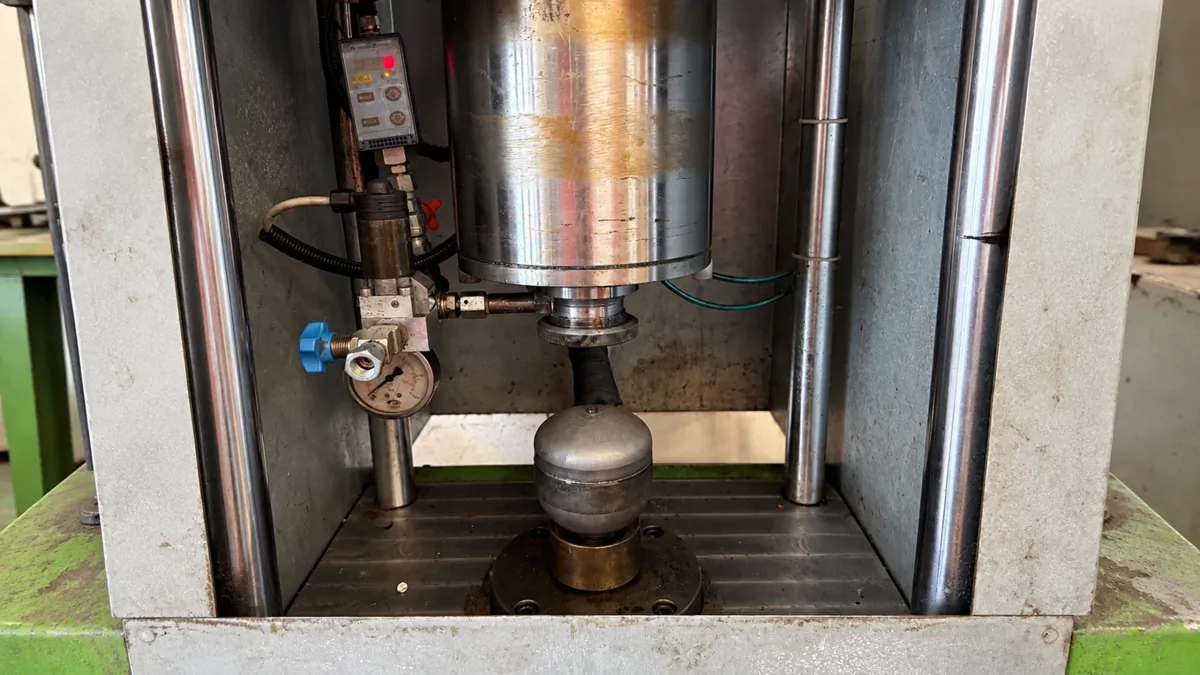
A resistance welding problem at a manufacturing company in Opera, near Milan, Italy, revealed a clear difference between manual and automatic operation.The cap of an industrial accumulator could be welded in manual mode, but the same operation failed to produce a satisfactory weld during the automatic cycle.This difference gave the A.T.S. technician a starting point for the investigation. Rather than immediately treating the issue as a fault in the welding equipment, the technician reproduced it on several accumulators and compared how the process behaved in both operating modes.The checks gradually narrowed the investigation to the automatic welding sequence.Particular attention was paid to three stages: the electrode moving down towards the cap, the moment it made contact with the component and the application of welding current.The investigation identified a timing mismatch in the PLC-controlled sequence. The programmed welding time was too short in relation to the time needed for the electrode to reach the cap and establish proper contact.Further trials were performed using a TECNA TE550 welding controller. By adjusting the available welding parameters and observing the response of the equipment, the technician gathered additional information about the behaviour of the process.The technical assessment took approximately 2 hours. It helped identify the area of the automatic cycle responsible for the problem and provided the customer with information for the next stage of evaluation.The case documents an application-specific investigation, not a confirmed permanent repair. Welding sequence timing and process parameters must be established according to the machine, the components and the actual operating conditions.
Read more
Request information about this product
Leave us your details: we will get back to you as soon as possible with all the information about this product.
Products in the same category
Control unit for resistance welding